Long-time Apple developer Dr. Paris Buttfield-Addison was blocked from his Apple ID after attempting to redeem a potentially compromised $500 gift card, resulting in loss of access to his personal files, software, and digital identity. Despite efforts to resolve the issue, Apple has offered little assistance, raising concerns about account bans, digital ownership, and automated support systems. Buttfield-Addison considers switching to alternative platforms due to the unresolved situation.
The UK government debated the Stop Killing Games campaign, which advocates for players to access online games after their end-of-life, but ultimately rejected the proposal citing concerns over development costs and complexity, despite significant public support and discussion on digital ownership and preservation.
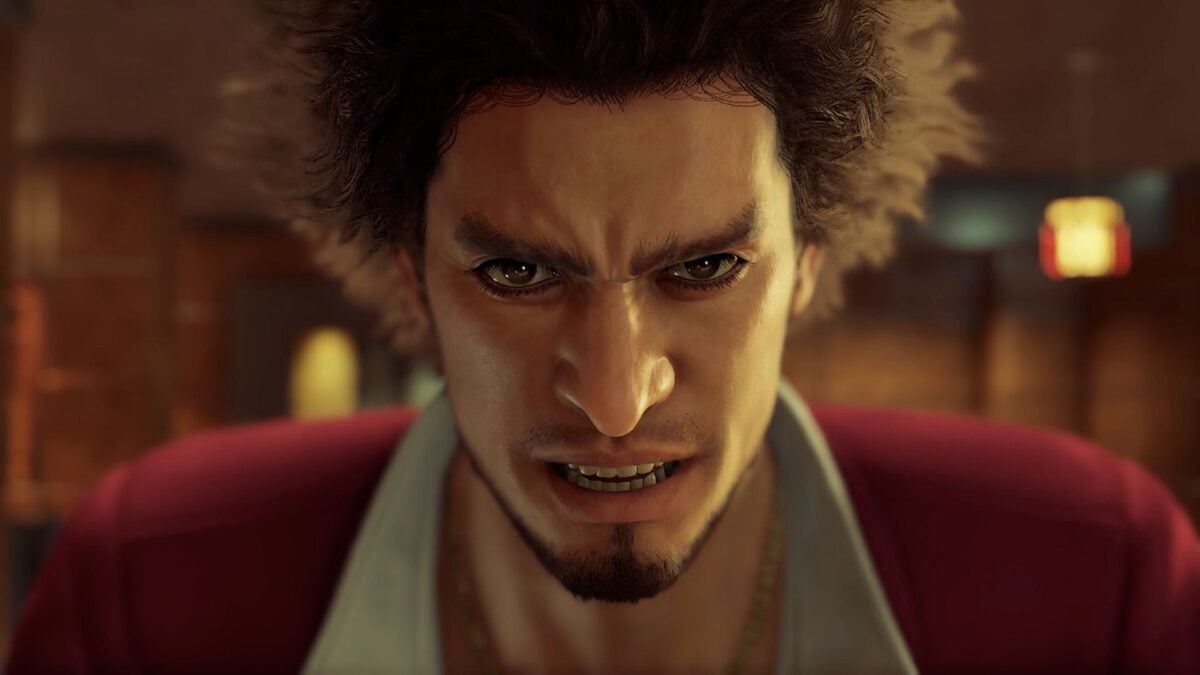
A bug in Sony's PS Plus service can cause players to lose ownership of games like Yakuza: Like a Dragon if they re-download them after 2022, as the license is overwritten, highlighting issues with digital ownership rights.
Originally Published 6 months ago — by Hacker News
The article discusses the gaming industry's focus on monetization strategies, the importance of game preservation and modding, and the potential impact of proposed EU legislation aimed at ensuring games remain playable and accessible, highlighting concerns about regulation, market segmentation, and consumer rights.
Ubisoft is facing a potential class action lawsuit from two Californian players over the shutdown of servers for the online-only racing game, The Crew, which has rendered the game unplayable. The lawsuit, filed under California's new digital ownership law, claims Ubisoft misled consumers into believing they were purchasing the game rather than merely licensing it. The plaintiffs argue that they would not have bought the game had they known the servers would be shut down, and they seek to have the lawsuit approved as a class action to allow other affected players to join.
Ubisoft is facing a class action lawsuit from two Californian players over the shutdown of servers for the online-only game The Crew, which has rendered it unplayable. The lawsuit likens the situation to a pinball machine missing its essential components, arguing that players wouldn't have purchased the game if they knew it could become unplayable. Ubisoft had offered refunds to recent buyers but not to those who purchased the game since its 2011 release. The case highlights ongoing issues around digital ownership and server-dependent games.
Valve has confirmed that Steam accounts and their associated game libraries cannot be transferred to another person after the account holder's death, as per their terms and conditions. This has frustrated many in the gaming community, although some suggest that sharing login credentials could be a workaround. However, this is not a long-term solution as it could lead to account termination. Valve's new "Steam Families" feature, currently in beta, may offer some relief by allowing game sharing among friends and family.
Valve's terms of service prohibit transferring ownership of a Steam account via a will, meaning you can't bequeath your game library to someone else. Sharing your password is also against the rules, leaving no official way to pass on your account.
Steam accounts and their digital game libraries are non-transferable upon death, leaving them in legal limbo. Despite potential loopholes and physical workarounds, Valve's policies and subscriber agreements prevent the legal transfer of accounts and digital content, complicating estate planning and video game preservation efforts.
Ubisoft has revoked access to The Crew from players' Ubisoft Connect accounts, sparking outrage among users who feel their purchased game was essentially stolen. The online-only racing game became inoperable on April 1 when its servers were taken offline, leading to its delisting from digital storefronts. While Ubisoft offered refunds to recent purchasers, long-time players are left without recourse, highlighting the precarious nature of digital ownership and the potential for purchased products to disappear without warning.
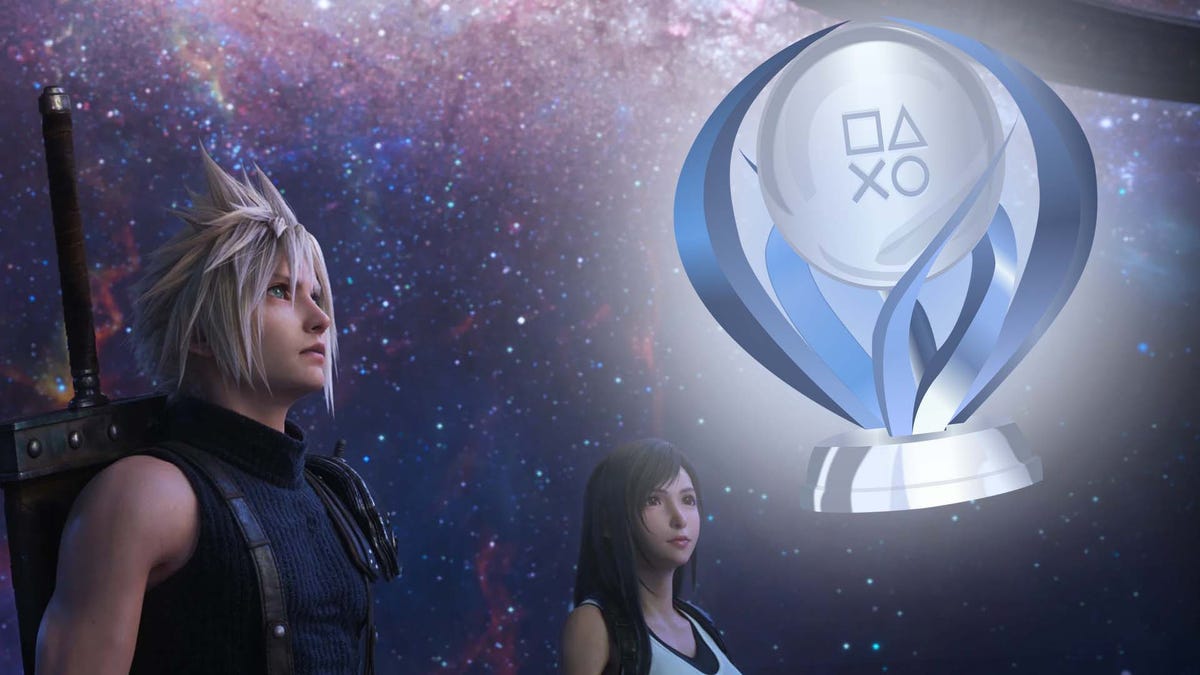
Final Fantasy 7 Rebirth's recent 1.020 patch has rendered the platinum trophy unattainable for digital owners due to a broken side quest, making it impossible to complete all trophies. Only those with the physical version can currently complete the quest and unlock the elusive platinum trophy. Players have found a workaround for physical copies, but digital owners are left waiting for a patch from Square Enix to fix the bug.
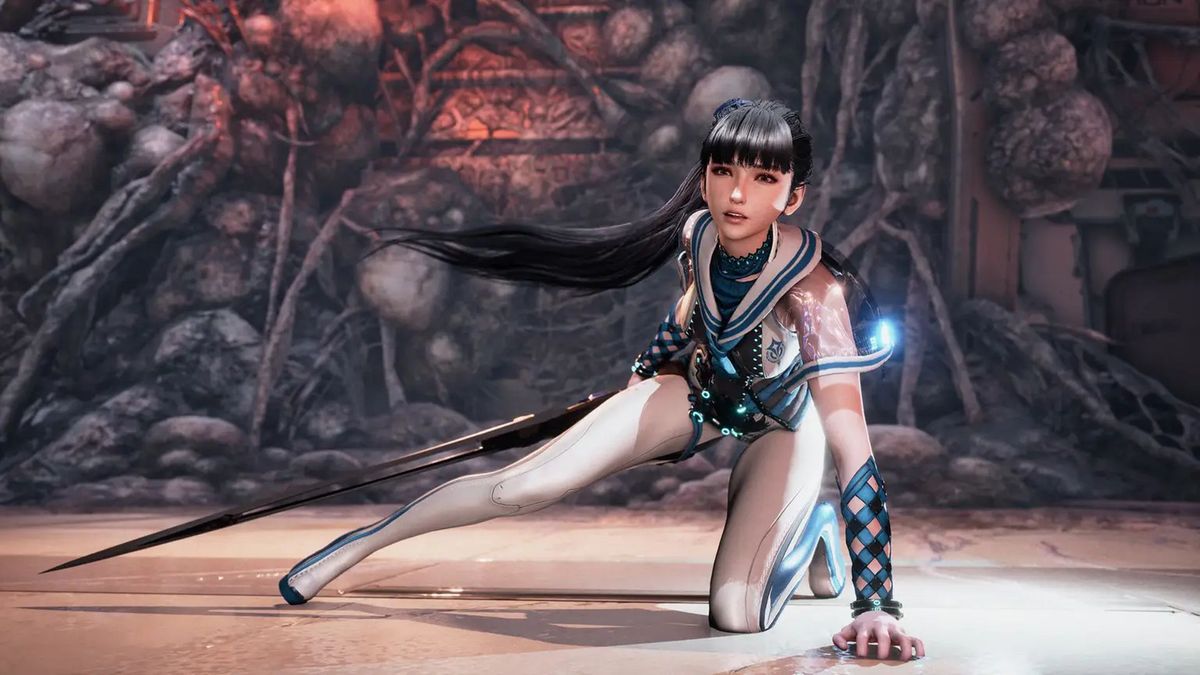
PlayStation accidentally made the Stellar Blade demo available on the PS5 PlayStation Store, then swiftly removed it without explanation, revoking access for users who had downloaded it. This move has raised concerns about digital ownership and game preservation, as it highlights the power of big publishers to delete digital copies from existence. While it's unclear why the demo was removed, the game is still set for a full release next month, drawing comparisons to "Korean Nier."
Sony-owned Crunchyroll's absorption of Funimation will result in the loss of purchased content for customers, with no support for transferring digital copies to Crunchyroll. Additionally, the annual price for the service is increasing to $100, citing running costs and competition. This move raises concerns about digital ownership and consolidation in the entertainment space, prompting the suggestion to reconsider purchasing digital media.
Ubisoft executive Philippe Tremblay believes that for video game subscriptions to become more prevalent, gamers will need to become comfortable with not owning their games, similar to the shift from owning physical DVDs to streaming services. He emphasizes that progress and engagement in games will not be lost, and streaming works well with subscription models. However, some gamers prefer owning physical copies, and the debate between physical and digital ownership continues as the industry moves towards a potentially all-digital future.
Sony has reversed its decision to remove Discovery shows from the PlayStation Store after December 31. The company has updated its licensing agreements, allowing customers to keep their purchased shows. Earlier this month, Sony had announced the removal of around 1,200 titles, sparking concerns about the meaning of digital ownership. The decision comes amidst Warner Bros Discovery's loss of 2.5 million subscribers to its streaming service Max.