The article reveals unsettling science facts that challenge our understanding of safety, control, and the universe, highlighting the limitations of scientific knowledge, environmental dangers, biological threats, and cosmic events that could have catastrophic consequences.

President Trump announced the resumption of US nuclear testing, raising concerns among experts about potential environmental and health risks, as well as geopolitical consequences, including provoking other nuclear powers to restart their programs.
A federal judge ordered Florida to dismantle the Alligator Alcatraz immigration detention facility in the Everglades due to environmental concerns, citing risks to local wildlife and ecosystems, and criticized the lack of environmental impact evaluation. The state plans to appeal the ruling, asserting the site has caused no environmental harm.
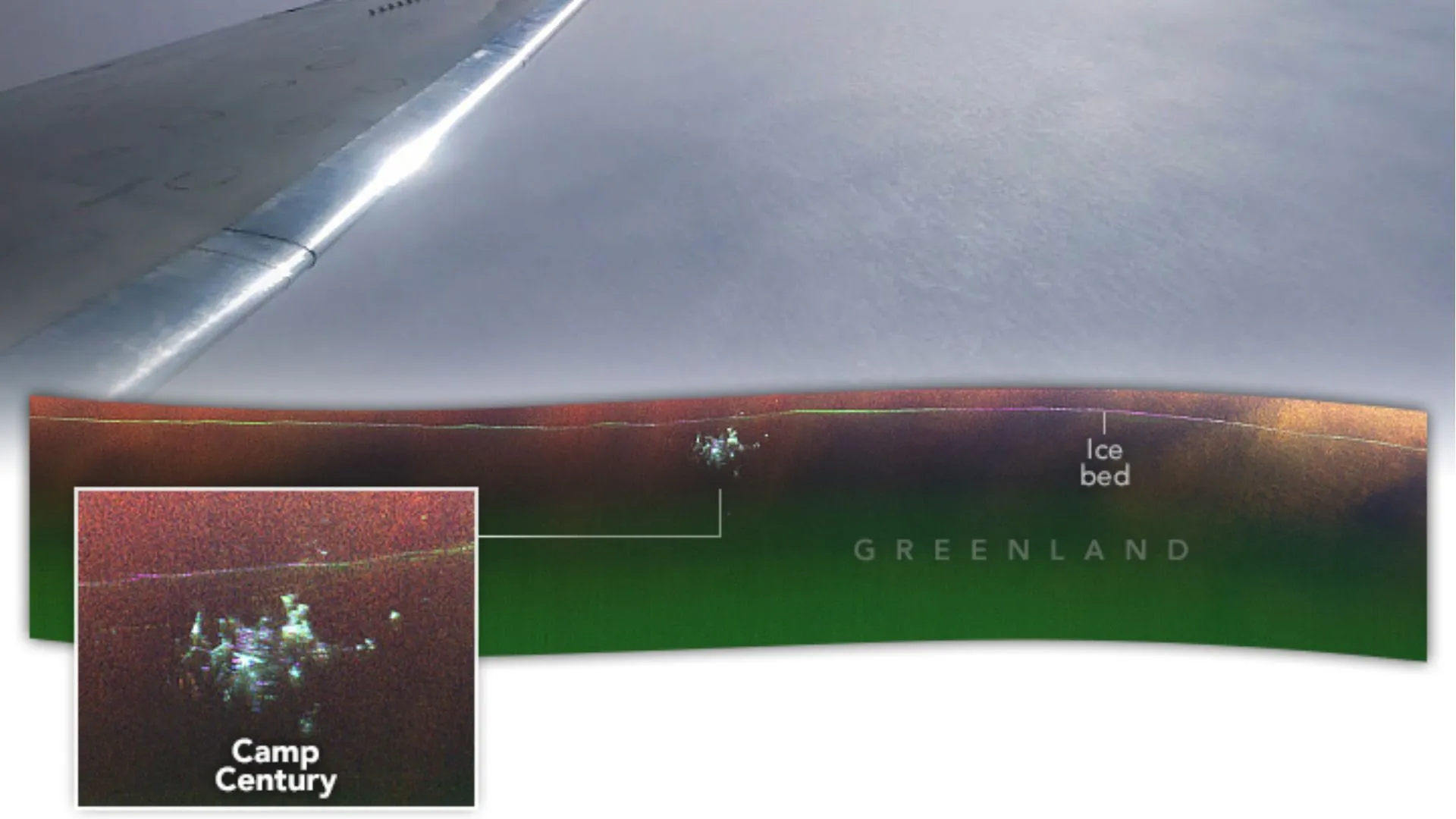
NASA scientists have discovered Camp Century, a Cold War-era U.S. military base buried 100 feet under Greenland's ice, using advanced radar technology. Originally built in 1959 as part of Project Iceworm to house nuclear missiles, the base was abandoned in 1967 due to unstable ice conditions, leaving behind hazardous materials. The discovery highlights both historical intrigue and environmental concerns, as melting ice could expose radioactive waste. The site also provides valuable climate data from soil cores, revealing Greenland's ancient lush environment.
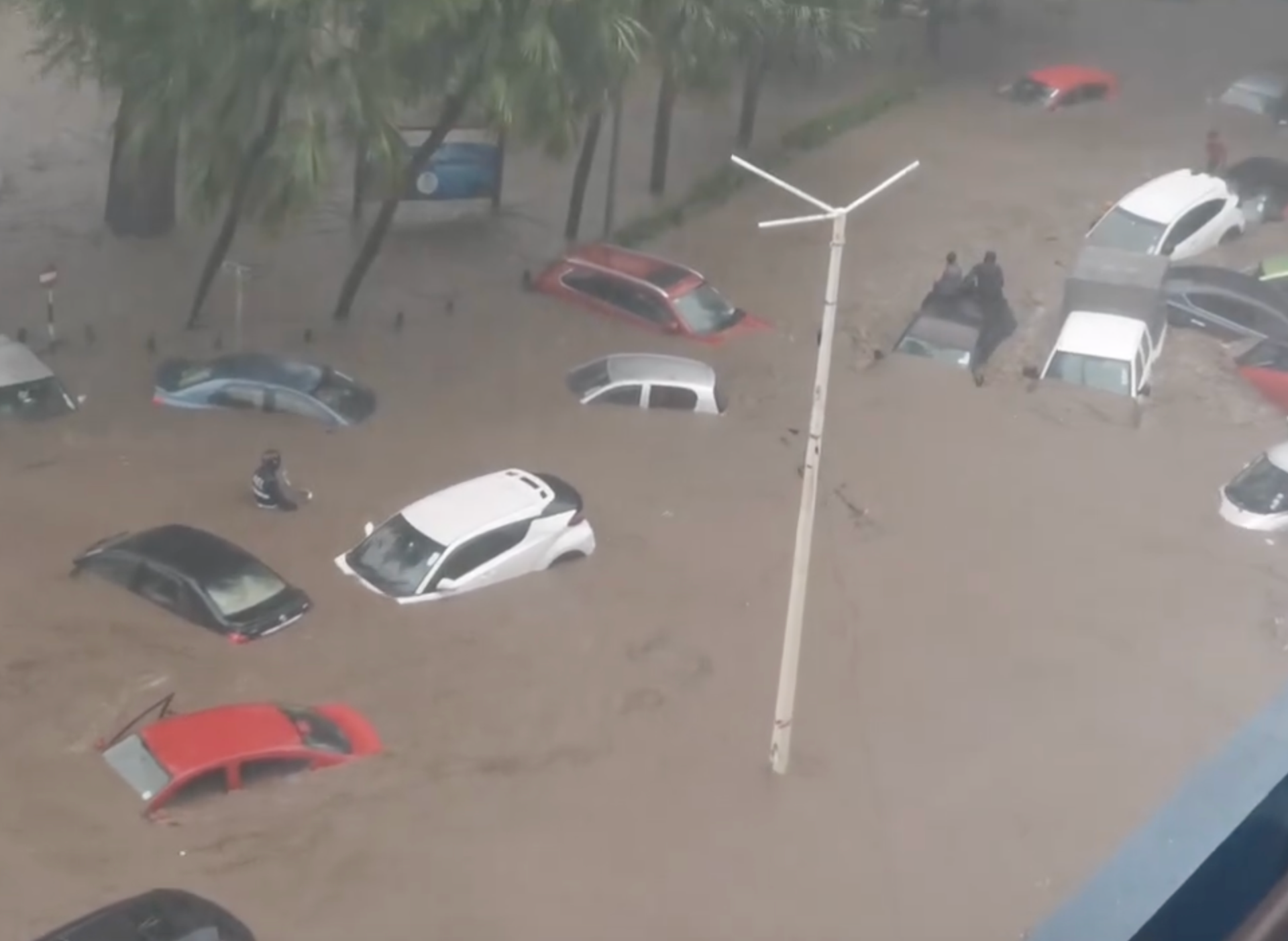
Flash floods caused by Cyclone Belal submerged cars in Port Louis, Mauritius, leading to one death and the abandonment of about 100 vehicles. Warnings for environmental risks on the island remain in place.
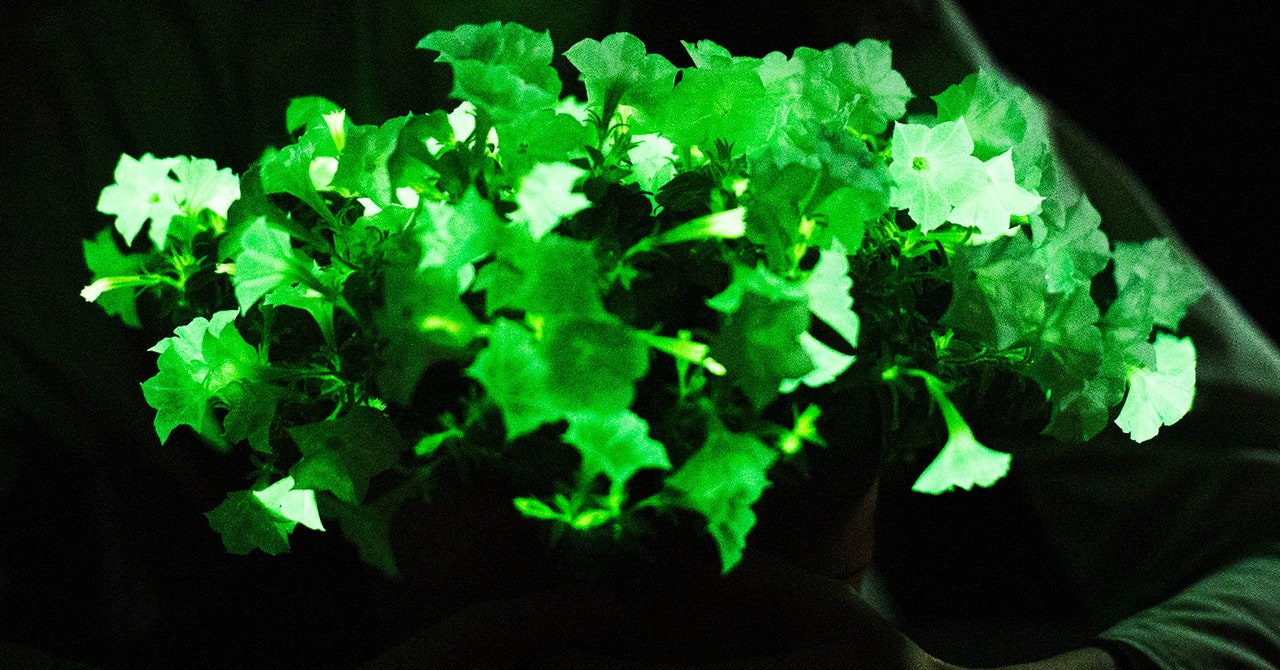
Light Bio, a biotech company, has developed genetically modified petunias that glow brightly throughout their entire life cycle. The plants utilize a fungal bioluminescence pathway, which integrates with the plant's metabolic system to produce light. While concerns about potential environmental risks have been raised, the USDA has determined that the petunias are unlikely to create pest or disease problems and can be safely grown outside of a lab setting. Light Bio plans to release the plants for sale next spring, with over 10,000 people already on the waiting list. The development of these glow-in-the-dark houseplants has sparked interest and excitement among the public and experts in the field of biotechnology.
The insurance industry is facing turmoil as several major players have withdrawn from a climate alliance aimed at addressing environmental risks. The move has sparked concerns about the industry's commitment to corporate responsibility and its ability to manage climate-related risks. The alliance, which includes over 50 insurers and reinsurers, aims to promote sustainable business practices and encourage companies to take action on climate change.
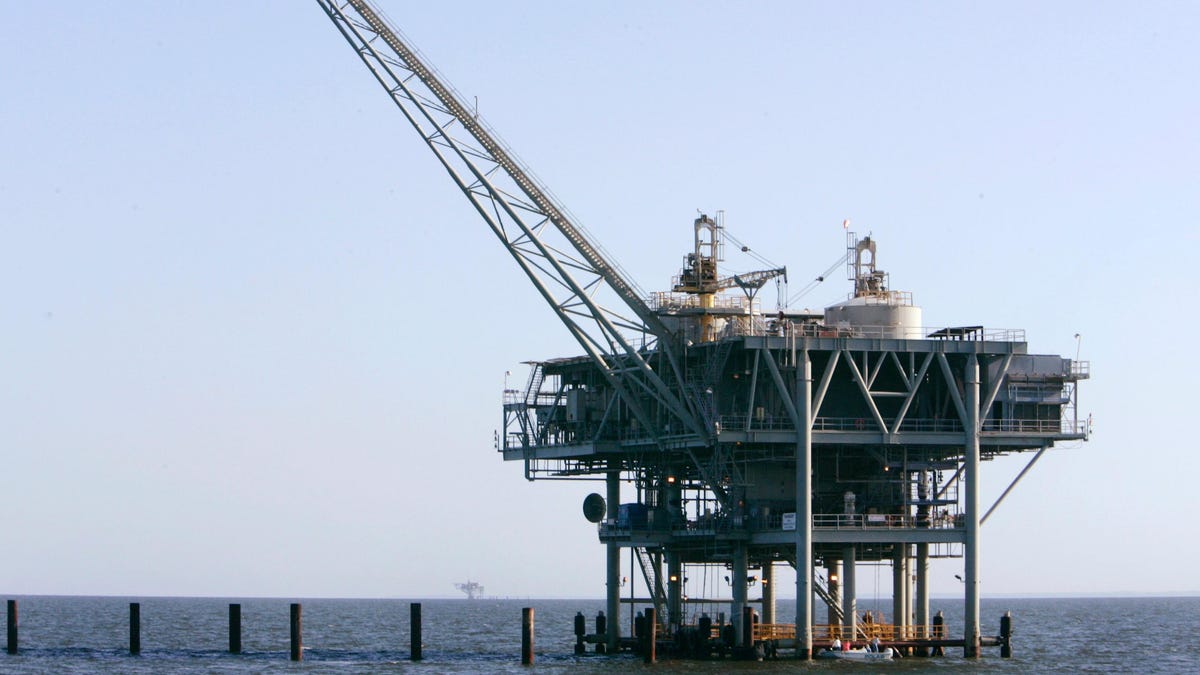
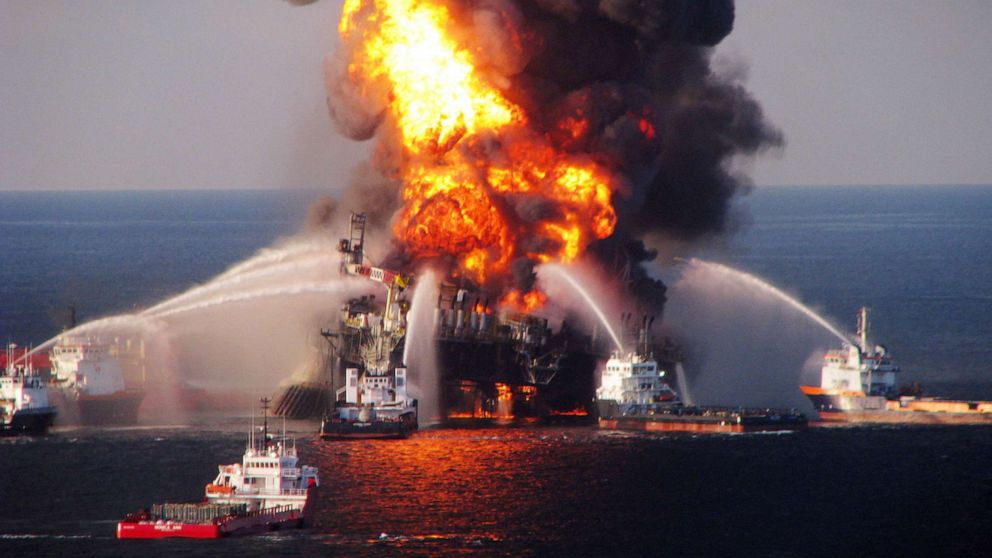
A study published in Nature Energy found that there are 14,000 orphaned oil and gas wells in waters throughout the Gulf of Mexico’s waters and in Alabama, Louisiana, and Texas. Unplugged oil and gas wells can leak methane, a potent greenhouse gas that builds up in the atmosphere. Plugging the wells would prevent environmental damage, but that could cost up to $30 billion, the researchers found. About 13,000 of these abandoned and unplugged wells are in federal or state shallow waters. The study authors explained that those wells should be prioritized for plugging.
Over 14,000 inactive oil and gas wells in the Gulf of Mexico's offshore waters, inland waters and wetlands remain unplugged, posing the risk of possible leaks into the ocean, according to a study published in Nature Energy. Plugging and abandoning these wells could prevent environmental risks but could cost more than $30 billion. There are more inactive, non-producing wells that have not been plugged and abandoned than currently active wells in this region. The paper highlights the environmental importance of prioritizing the plugging of state and shallow water wells, and the potential financial liability to companies.