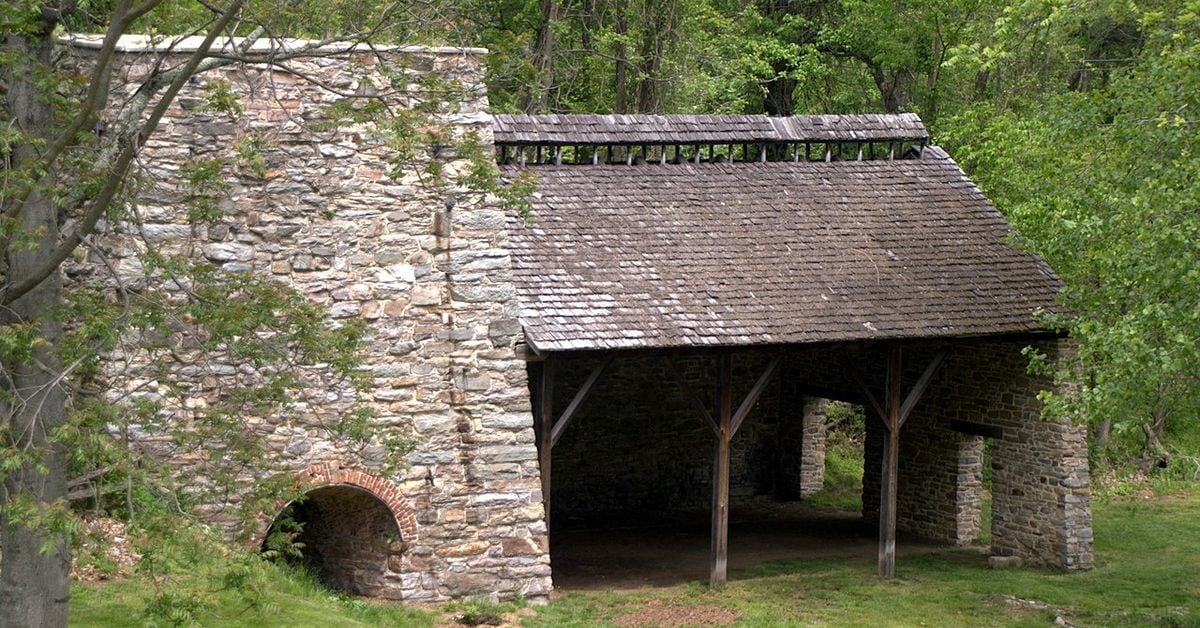
DNA analysis of the remains of enslaved individuals buried in a cemetery at Catoctin Furnace in Maryland has revealed their ancestry and identified over 40,000 living relatives, many of whom are still in Maryland. The study found that these individuals descended from West Africa's Wolof and Mandinka peoples and Central Africa's Kongo people, with strong genetic connections to present-day populations in Senegal, Gambia, Angola, and the Democratic Republic of Congo. The research sheds light on the lives and histories of enslaved African Americans, whose experiences within the early industrial complex of the United States have been largely overlooked. The study highlights the power of genomics in reconstructing lost familial backgrounds and aims to restore the identity of these individuals stripped by enslavement.
DNA analysis of the remains of enslaved individuals buried in a cemetery at Catoctin Furnace in Maryland has provided unique insights into African American history. The study revealed the ancestry of these individuals, identifying their genetic connections to present-day populations in Senegal, Gambia, Angola, and the Democratic Republic of Congo. The research also identified thousands of living relatives, shedding light on the familial backgrounds of African Americans. The study highlights the power of genomics in reconstructing lost histories and emphasizes the importance of understanding and acknowledging African American heritage.
The Guardian has published a memorial to the enslaved people who were linked to the newspaper through its founders and early history. The list includes the names and ages of over 100 enslaved people, including men, women, and children. The memorial is part of a wider effort to acknowledge and confront the newspaper's historical ties to slavery and racism.