Tag

Historycultural Heritage

All articles tagged with #historycultural heritage

"Preserved Documents of Boston Tea Party Descendant Leave Museum Workers in Awe"

Originally Published 2 years ago — by The Boston Globe

Featured image for "Preserved Documents of Boston Tea Party Descendant Leave Museum Workers in Awe"
Source: The Boston Globe

Descendants of Boston Tea Party participant Lendall Pitts, including Tucker Smith and her son Sam, attended the 250th anniversary reenactment of the event at the Boston Tea Party Ships & Museum. Smith brought a collection of preserved documents related to her ancestor's involvement in the rebellion, which amazed museum researchers. The collection includes receipts, probate documents, and portraits, providing a tangible connection to the ordinary people who risked everything for the cause they believed in. The rarity and condition of the documents, as well as their close proximity to the Boston Tea Party, make this collection unique. The celebration brought thousands of people together to commemorate the historic event and reflect on its significance in today's world.
Unearthing North Country's Rich History: A Tour of Watertown Cemetery

Originally Published 2 years ago — by WWNY

Featured image for Unearthing North Country's Rich History: A Tour of Watertown Cemetery
Source: WWNY

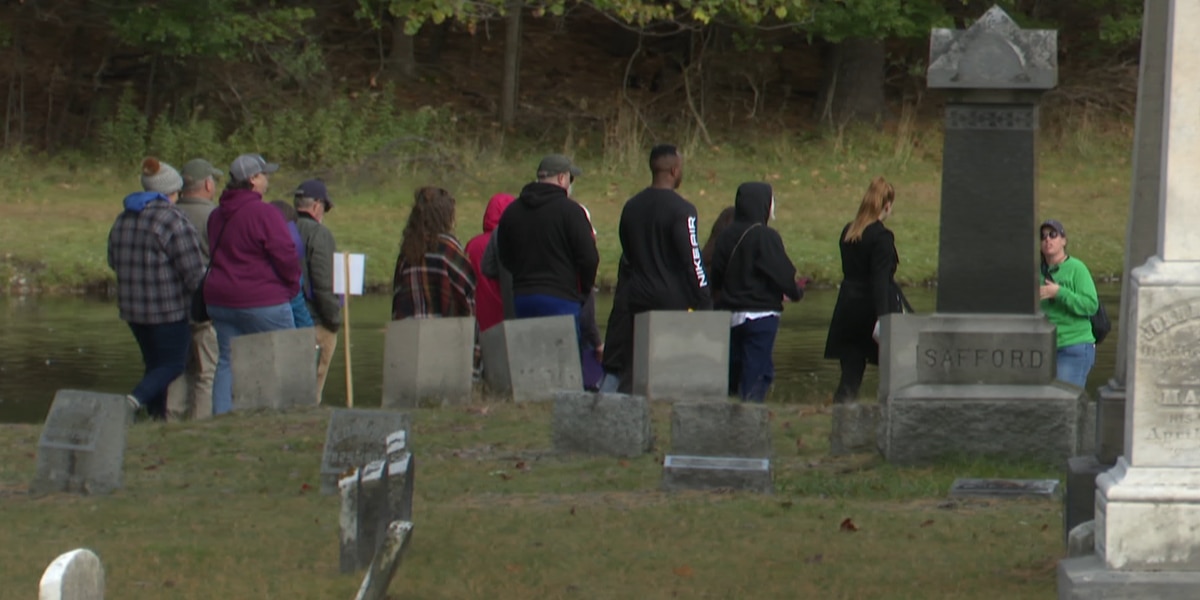
The Jefferson County Historical Society hosted a tour of Brookside Cemetery in the Town of Watertown, New York, attracting hundreds of visitors interested in exploring the area's rich history. The tour showcased the final resting places of prominent figures, including landowners and leaders, with familiar names that have contributed to the region's economy. Highlights included the Colonel George Flower Chapel, adorned with Tiffany stained glass windows, and the mausoleum of Henry Keep, a local legend who went from poverty to wealth. The Jefferson County Historical Society has more events planned, including a Halloween Happy Hour and a Halloween Costume Ball.

"Uncovering the Ancestral Network: DNA of Enslaved Iron Workers in Maryland Connects to 40,000+ Relatives"

Originally Published 2 years ago — by NBC News

Featured image for "Uncovering the Ancestral Network: DNA of Enslaved Iron Workers in Maryland Connects to 40,000+ Relatives"
Source: NBC News

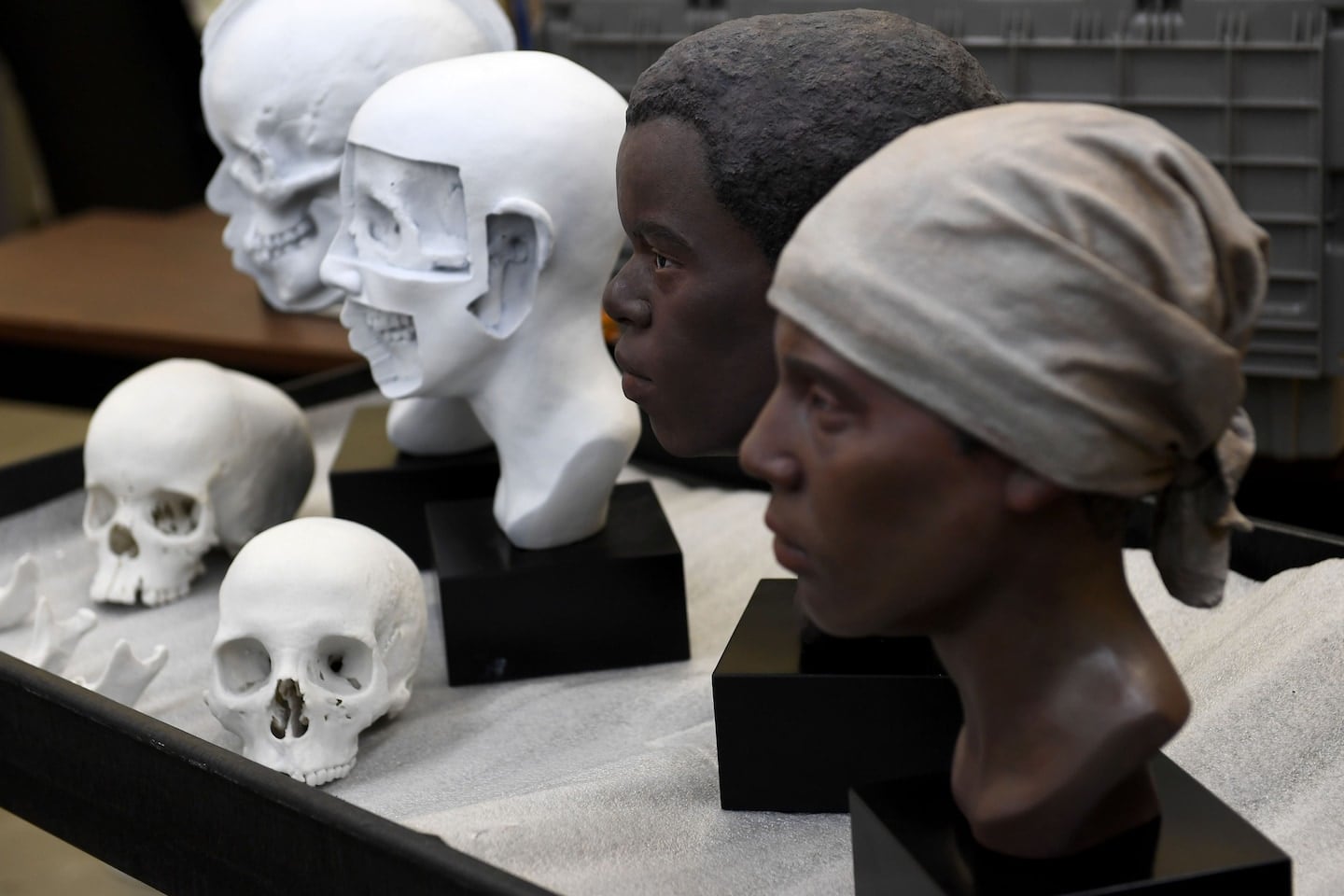
DNA analysis of the remains of enslaved individuals buried in a cemetery at Catoctin Furnace in Maryland has revealed their ancestry and identified over 40,000 living relatives, many of whom are still in Maryland. The study found that these individuals descended from West Africa's Wolof and Mandinka peoples and Central Africa's Kongo people, with strong genetic connections to present-day populations in Senegal, Gambia, Angola, and the Democratic Republic of Congo. The research sheds light on the lives and histories of enslaved African Americans, whose experiences within the early industrial complex of the United States have been largely overlooked. The study highlights the power of genomics in reconstructing lost familial backgrounds and aims to restore the identity of these individuals stripped by enslavement.

"Unearthing Connections: Ancient African American Cemetery Unveils 41,000 DNA Links to New 'Relatives'"

Originally Published 2 years ago — by The Washington Post

Featured image for "Unearthing Connections: Ancient African American Cemetery Unveils 41,000 DNA Links to New 'Relatives'"
Source: The Washington Post

Scientists have discovered over 41,000 genetic "relatives" of 27 enslaved individuals buried in Maryland's Catoctin Furnace African American Cemetery. Using DNA obtained from the exhumed bones of the deceased, researchers compared it with the genetic database of 23andMe, resulting in the identification of thousands of potential relatives. This breakthrough research approach offers hope for African Americans seeking to uncover their ancestral history, which was often lost due to generations of enslavement. The study also revealed connections to African and European ancestry, shedding light on the complex heritage of the Catoctin individuals.

Unearthed: Remnants of Munich Synagogue Destroyed on Hitler's Orders

Originally Published 2 years ago — by The Times of Israel

Featured image for Unearthed: Remnants of Munich Synagogue Destroyed on Hitler's Orders
Source: The Times of Israel

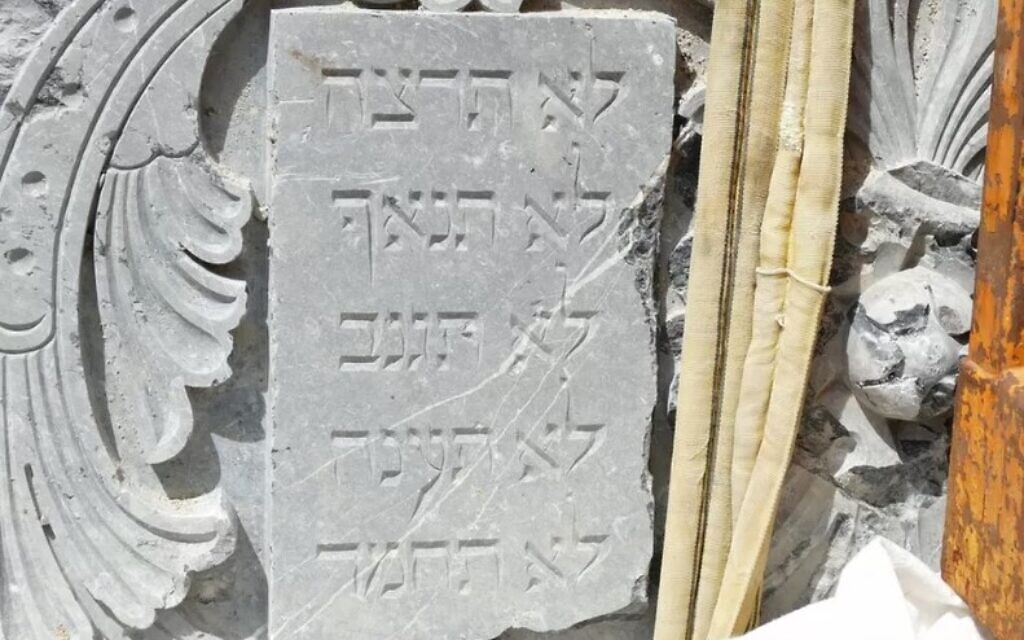
Construction workers in Munich, Germany, have discovered rubble from the city's former main synagogue, which was demolished on Adolf Hitler's orders in 1938. The remains include columns and a stone tablet with part of the Ten Commandments. The discovery has been described as a moving moment by the head of the Jewish Munich Museum, who never expected to find anything from the synagogue. The rubble was later used for construction work on a river weir, and there is hope that further pieces of the synagogue will be found.

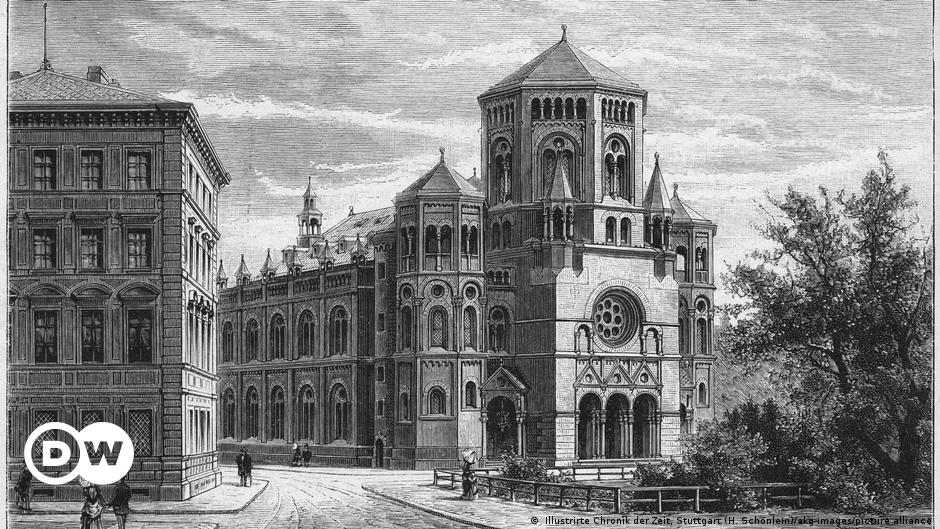
"Lost Synagogue Unearthed: Munich's 1938 Destruction Revealed"

Originally Published 2 years ago — by DW (English)

Featured image for "Lost Synagogue Unearthed: Munich's 1938 Destruction Revealed"
Source: DW (English)

The remains of Munich's former main synagogue, which was destroyed in 1938 on Adolf Hitler's orders, have been discovered during the renovation of a weir on the Isar. Construction workers found stones decorated with flowers and ornaments that can be linked to the Jewish house of worship. Among the findings were parts of columns and a stone tablet with the Ten Commandments in Hebrew script. The rubble from the demolished synagogue was used for renovation work on the Großhesseloher weir in 1956. The future of the historical stones is uncertain, but there are suggestions of reconstructing the Torah shrine and potentially exhibiting the findings in the Jewish Museum Munich.

"Long-Lost Munich Synagogue Unearthed in River Decades After Destruction"

Originally Published 2 years ago — by NPR

Featured image for "Long-Lost Munich Synagogue Unearthed in River Decades After Destruction"
Source: NPR

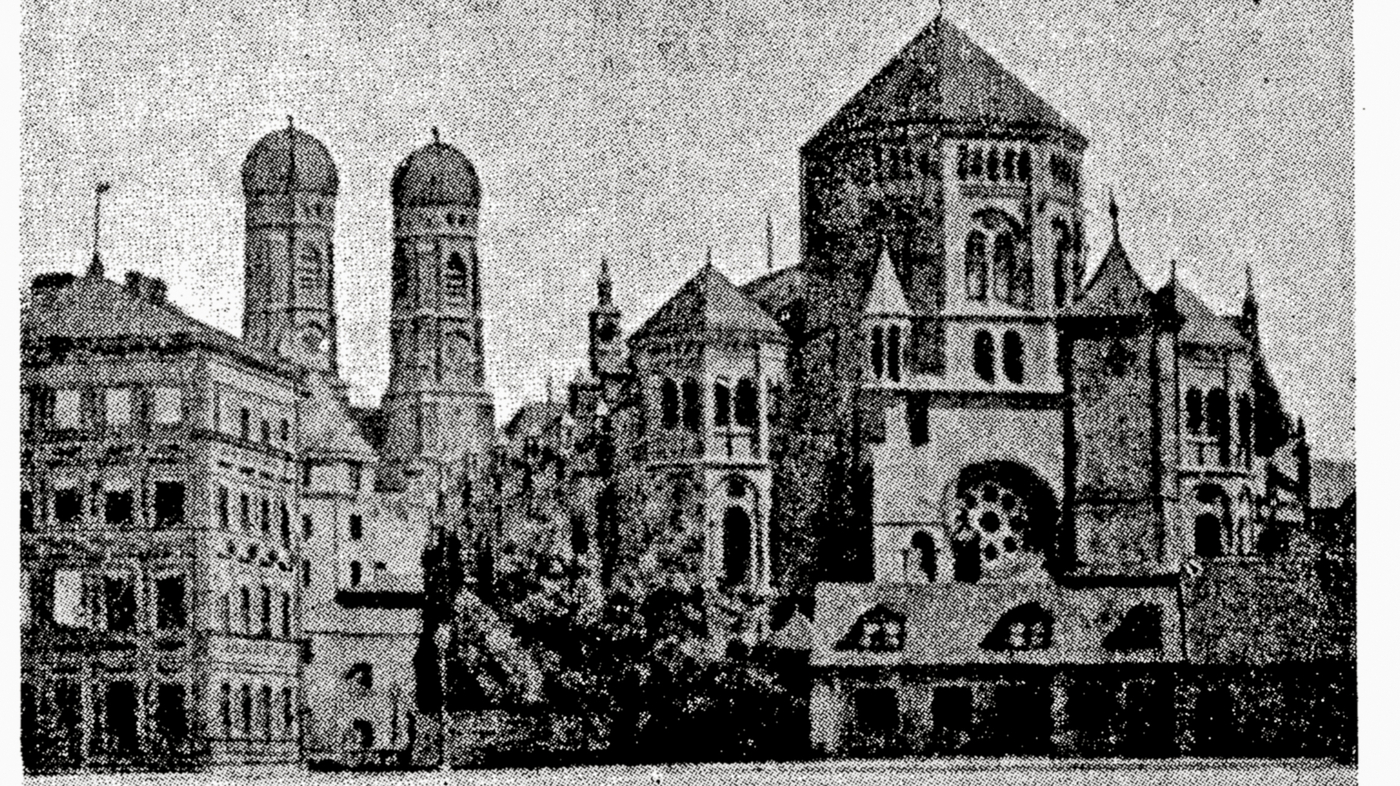
Parts of a Munich synagogue that was demolished by the Nazis in 1938 have been discovered in a river during construction work. The rubble, including stone columns and a tablet bearing the Ten Commandments in Hebrew, was found several miles away from the original site. The director of the Jewish Museum Munich, Bernhard Purin, described the discovery as "unusual" and "touching." The stones will be transported for further examination, and experts will determine how they can be preserved and potentially used to honor Jewish life in Munich before the Holocaust.