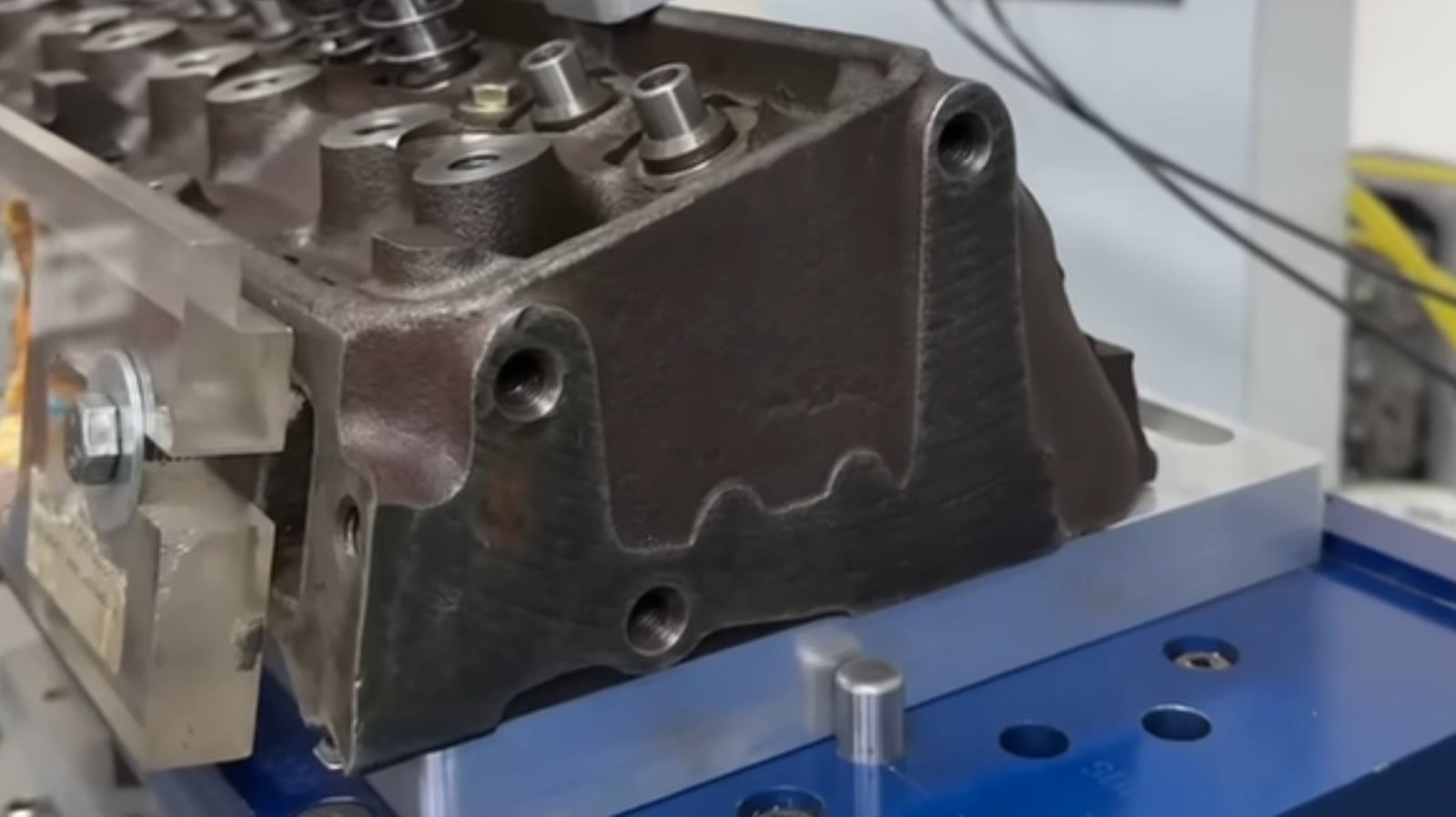
Chevy's double hump cylinder heads, first introduced on the 1962 Corvette's 327 V8, became a benchmark in small-block engine performance, known for their large valves, small combustion chambers, and optimized fuel combustion, significantly influencing muscle car power during the 1960s.
An EGR delete involves removing or blocking the exhaust gas recirculation system to improve engine performance and reduce carbon buildup, but it is illegal in many countries, voids warranties, can trigger check engine lights, and may cause engine damage due to higher temperatures and pressures. Owners should carefully consider legal and mechanical implications before proceeding.
Engine performance can be affected by various factors such as bleed air extraction, engine contamination, and exposure to harsh environments. Bleed air extraction for air conditioning and anti-ice can result in higher exhaust gas temperatures (EGT) and reduced thrust. Engine contamination from elements like ice, volcanic ash, sand, and dust can lead to erosion, reduced efficiency, and damage to turbine components. Chemical attack from sulfidation and corrosion can occur near salt water or high pollution areas. Engine manufacturers recommend proactive measures such as inlet barrier filters, engine washes, and inspections to mitigate these issues. Avoiding airborne contaminants and maintaining engine cleanliness are crucial for optimal engine performance and fuel consumption.