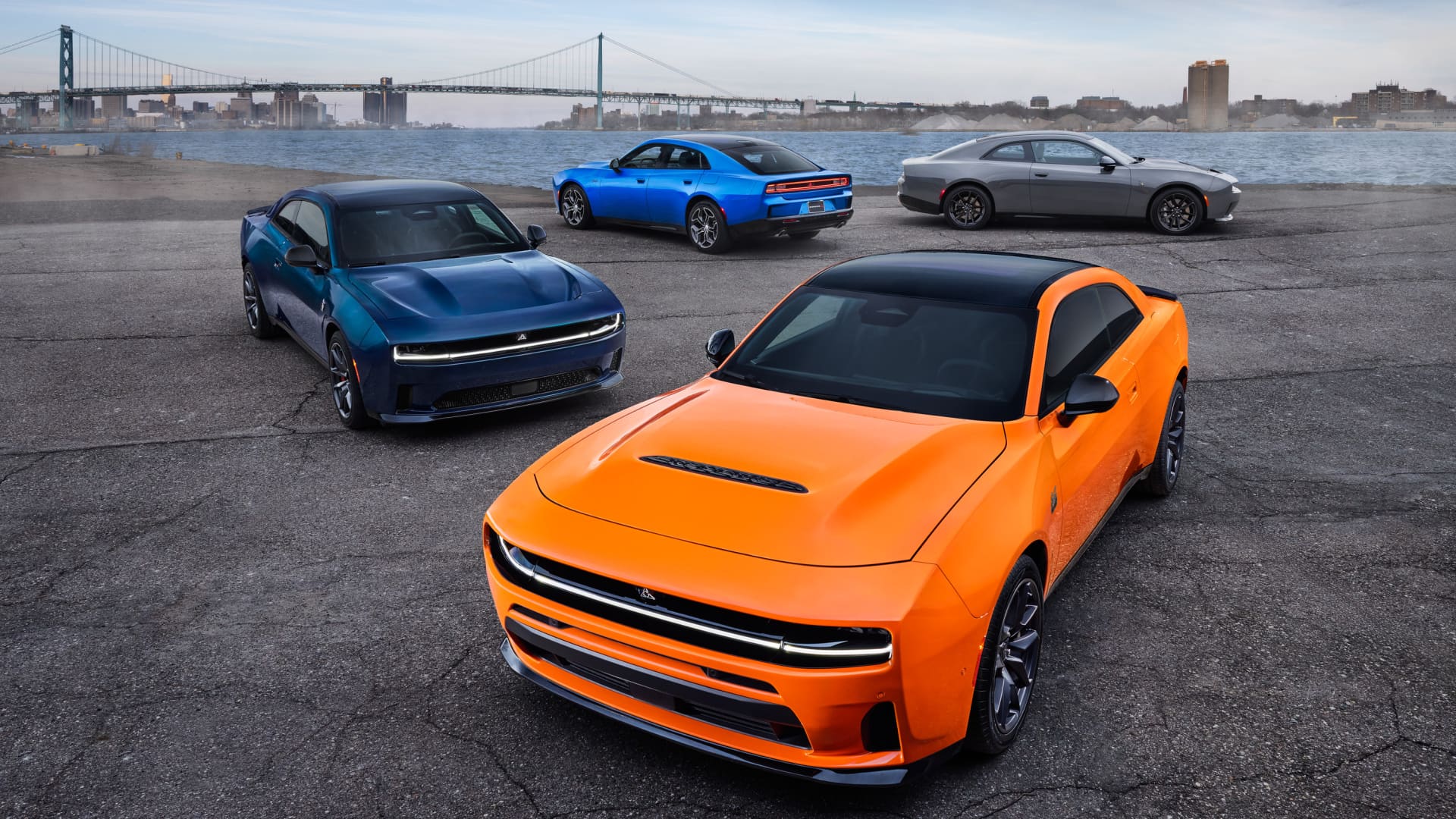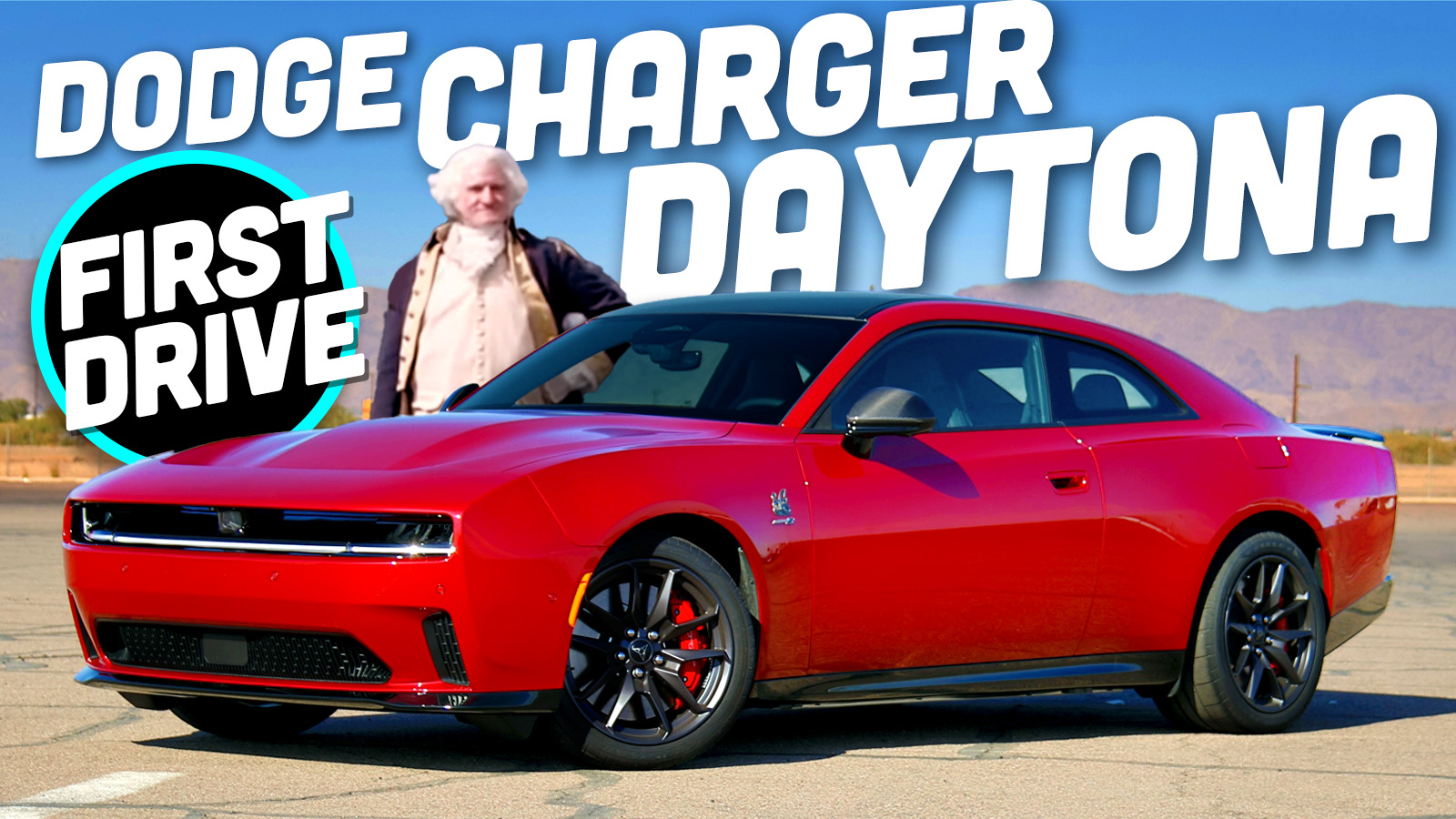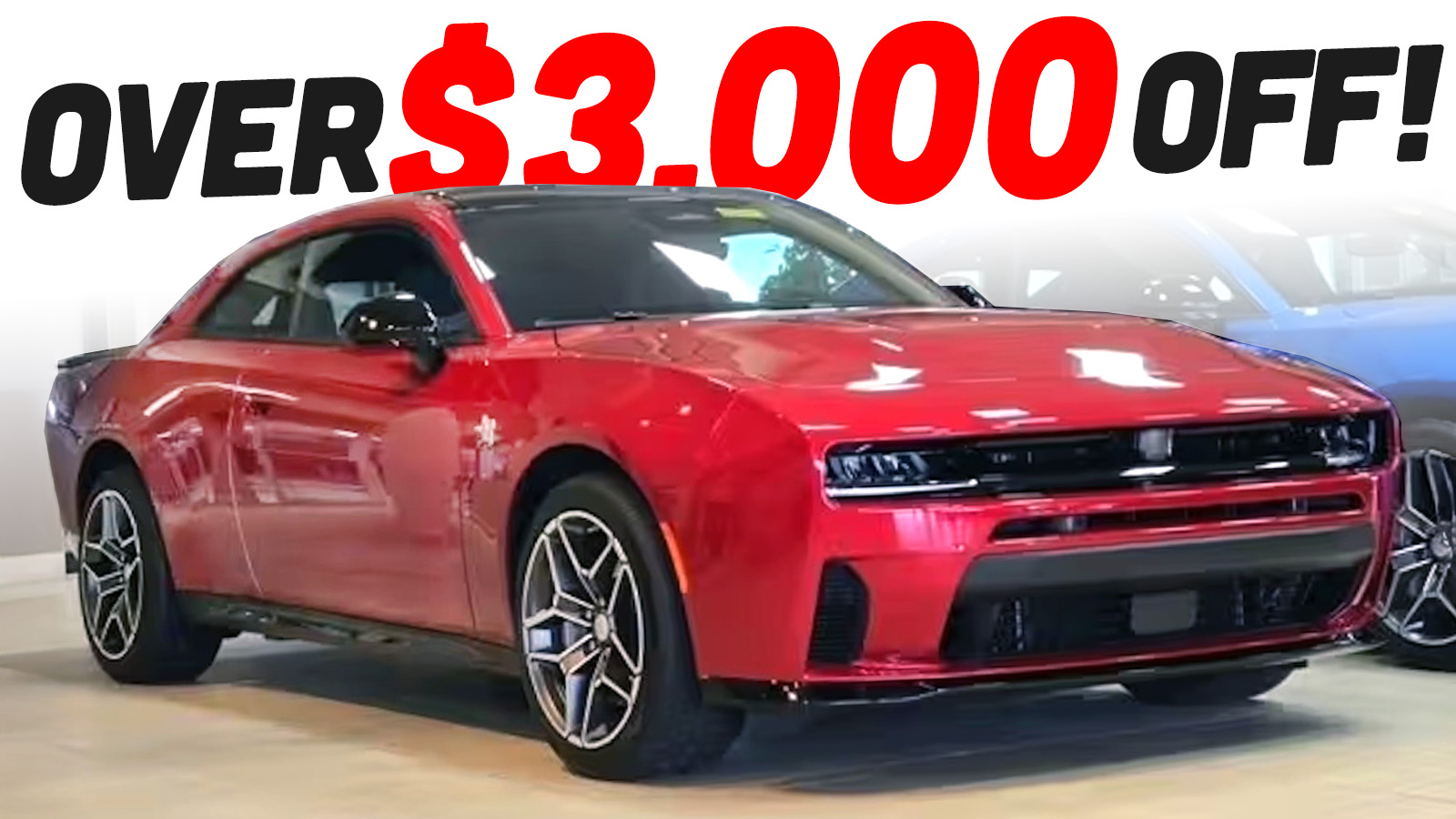
The new Dodge Charger Scat Pack with a 3-liter inline-six engine is arriving at dealerships, and buyers are already seeing significant discounts of over $3,000 off the MSRP, despite no official factory incentives yet. The car offers impressive performance and features, but the early dealer discounts suggest a competitive market response, possibly influenced by the electric Charger model's mixed reception.
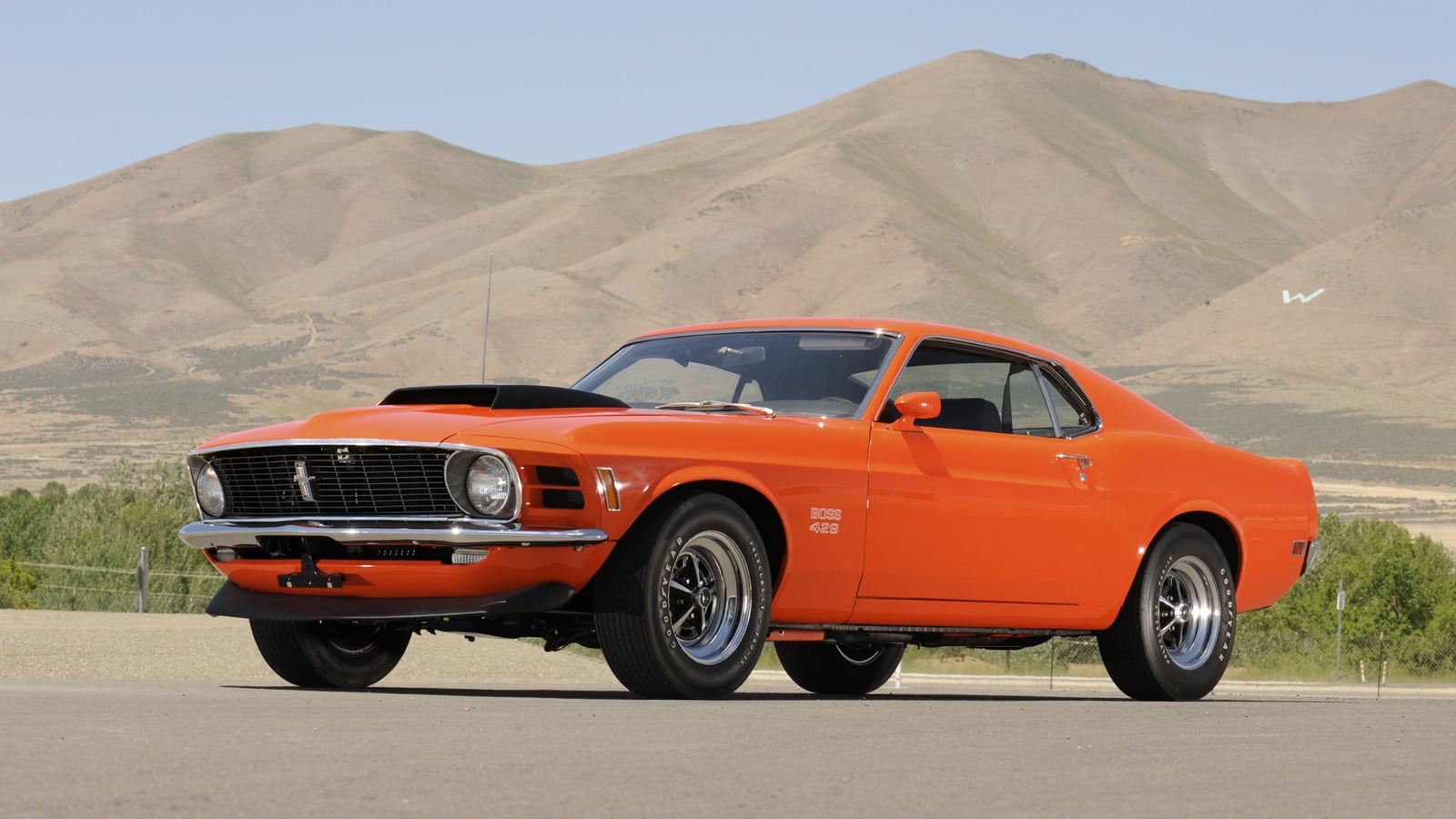
The article highlights five iconic 1970s cars with high resale values, including the Chevrolet Chevelle SS 454, Ford Mustang Boss 429, Pontiac Firebird Trans Am, Porsche 911 Carrera RS, and Ferrari 365, emphasizing their historical significance and current collector demand.
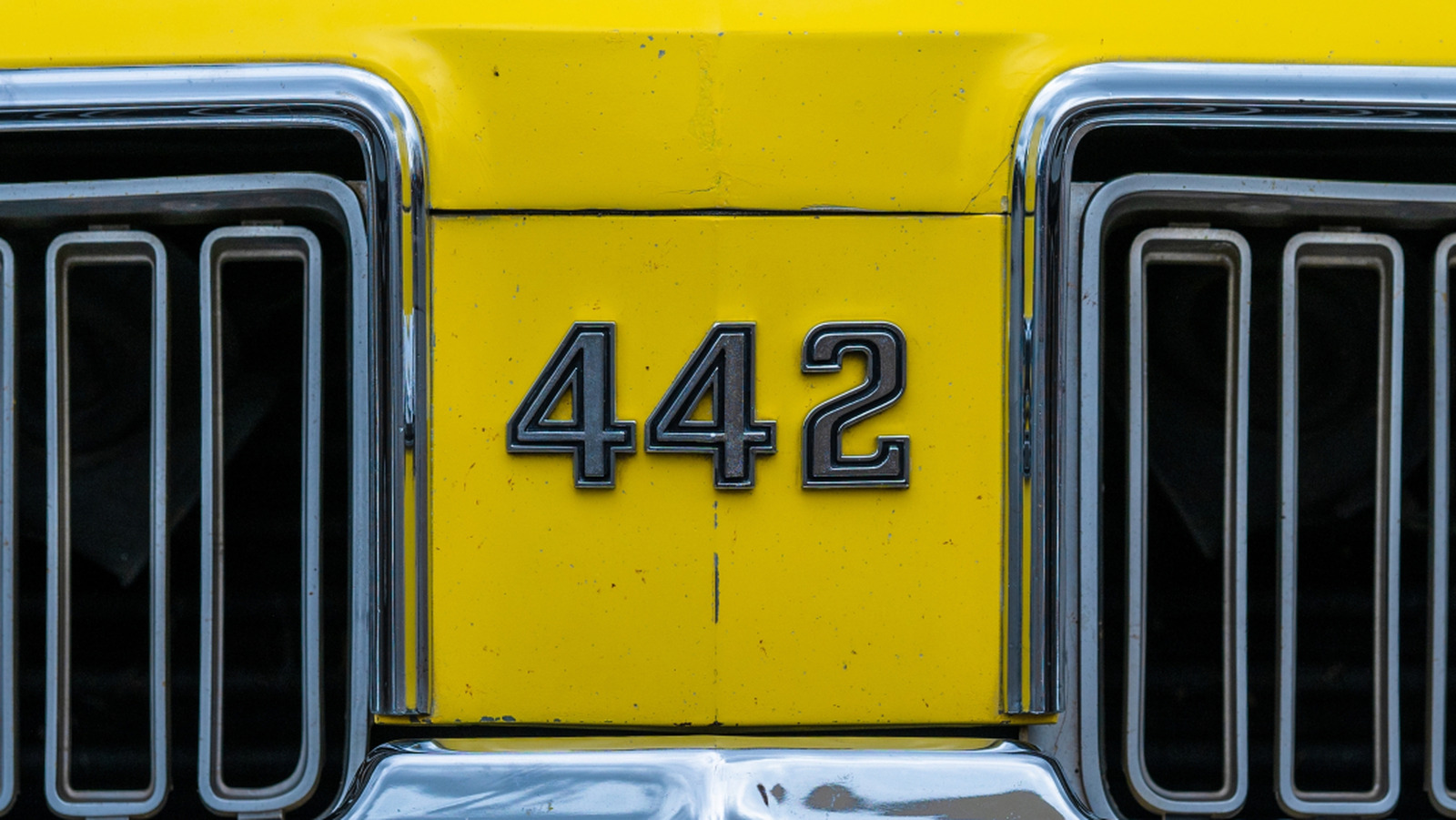
The Oldsmobile 442's name and specifications evolved over the years, originally referring to specific features like a four-barrel carburetor, four-speed transmission, and dual exhausts, but later becoming more of a nostalgic badge with changing meanings, including engine sizes and performance packages, until its final iteration in the 1990s.
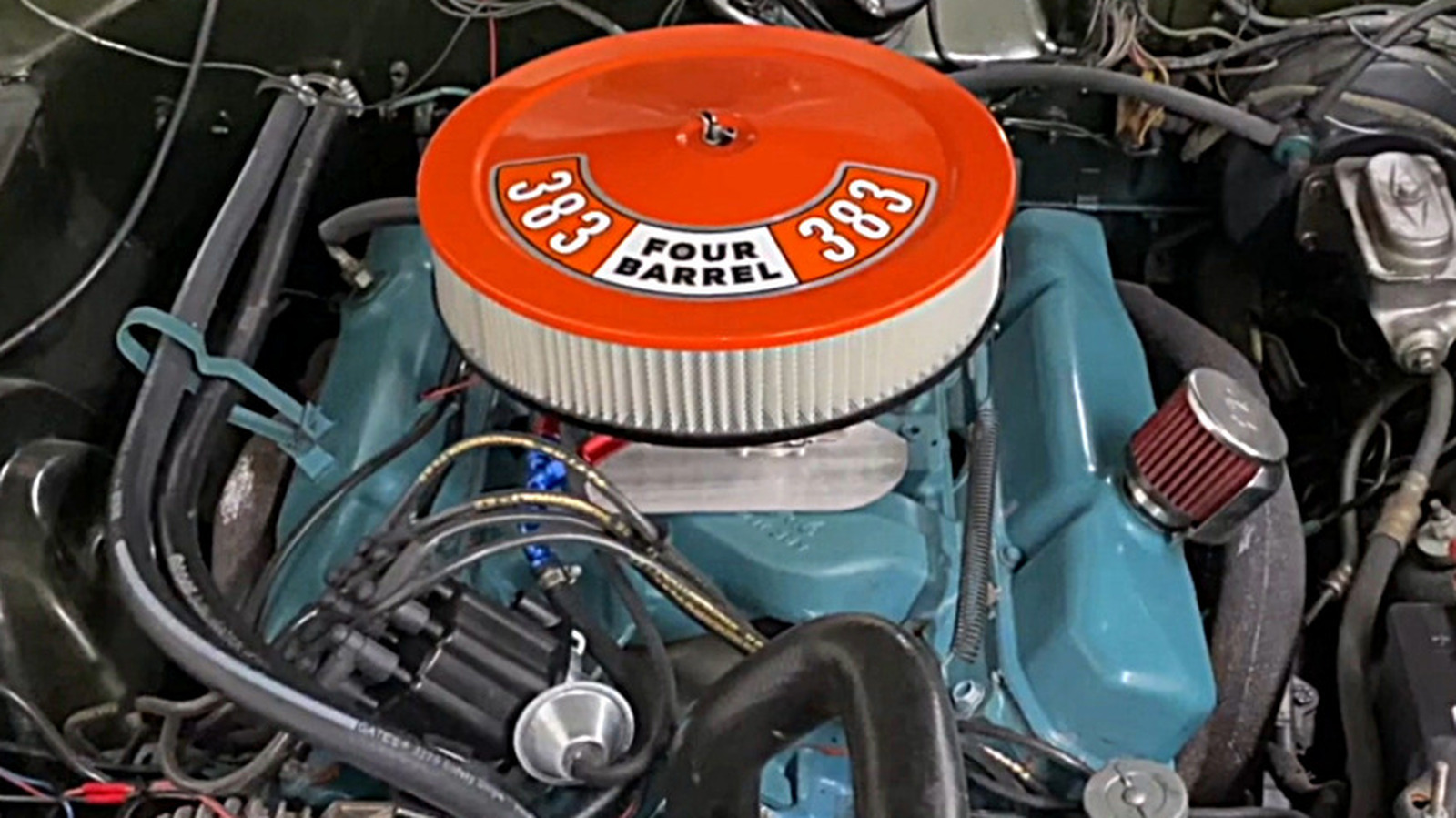
The article compares the small-block Chevy 383 stroker and the big-block Mopar 383, highlighting their origins, performance, and historical significance in muscle car culture, with the Chevy 383 known for its torque and aftermarket success, and the Chrysler 383 gaining renewed appreciation for its rev-happy nature.
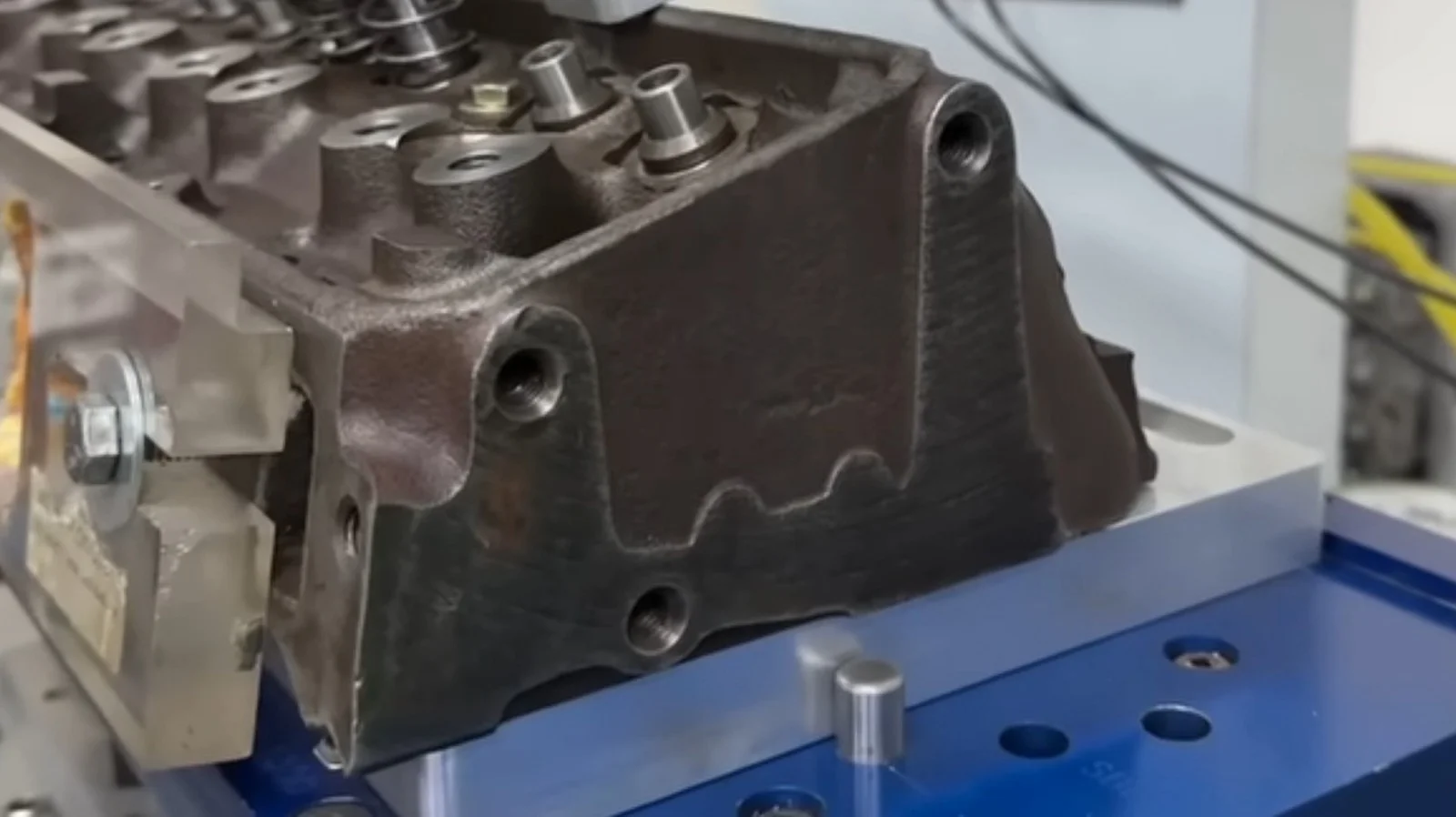
Chevy's double hump cylinder heads, first introduced on the 1962 Corvette's 327 V8, became a benchmark in small-block engine performance, known for their large valves, small combustion chambers, and optimized fuel combustion, significantly influencing muscle car power during the 1960s.
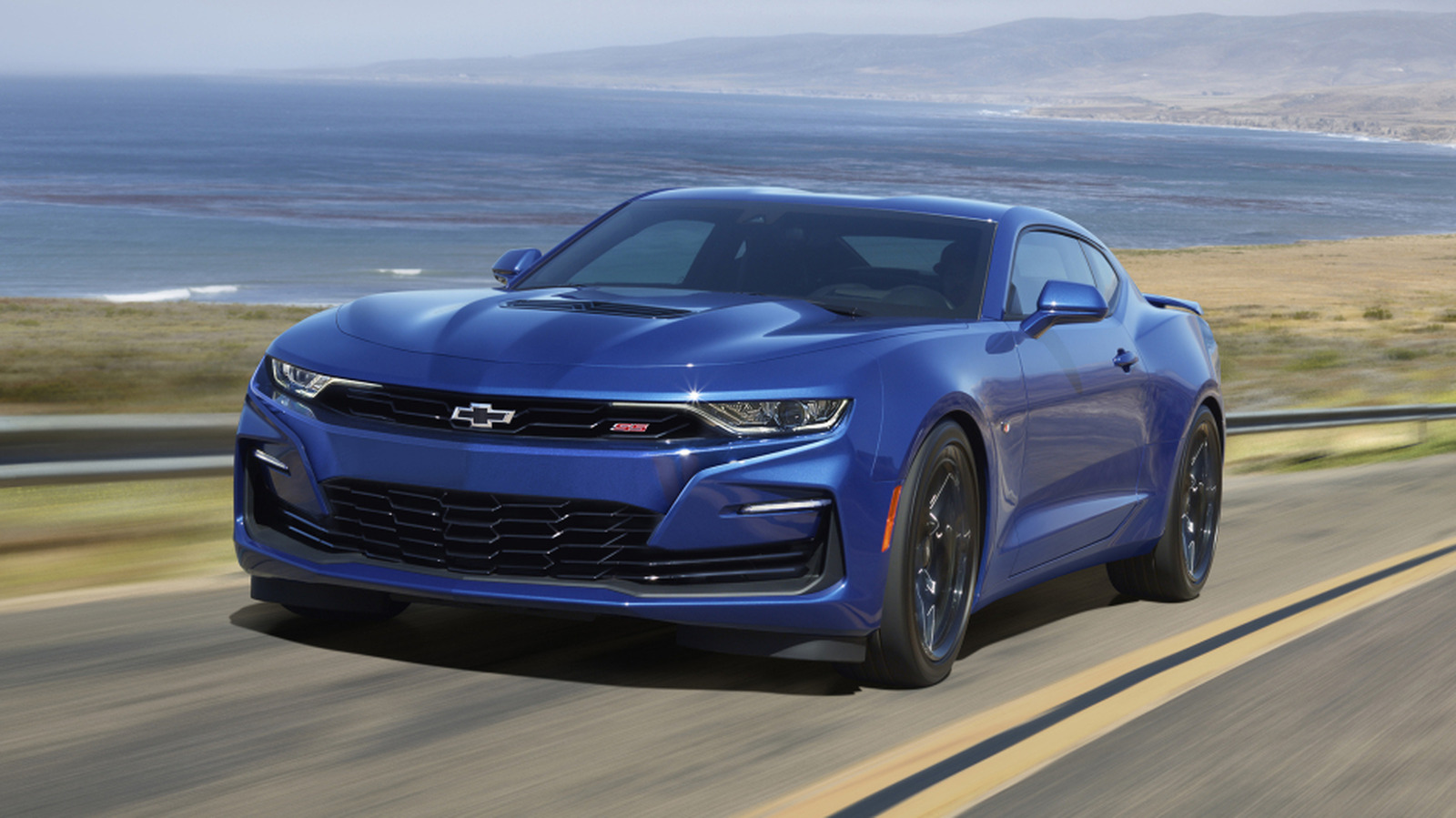
The sixth-generation Chevrolet Camaro, produced until 2024, has demonstrated strong reliability ratings from JD Power, especially in its later years, making it a dependable choice among muscle cars, despite uncertainties about its future and potential electric transformation.
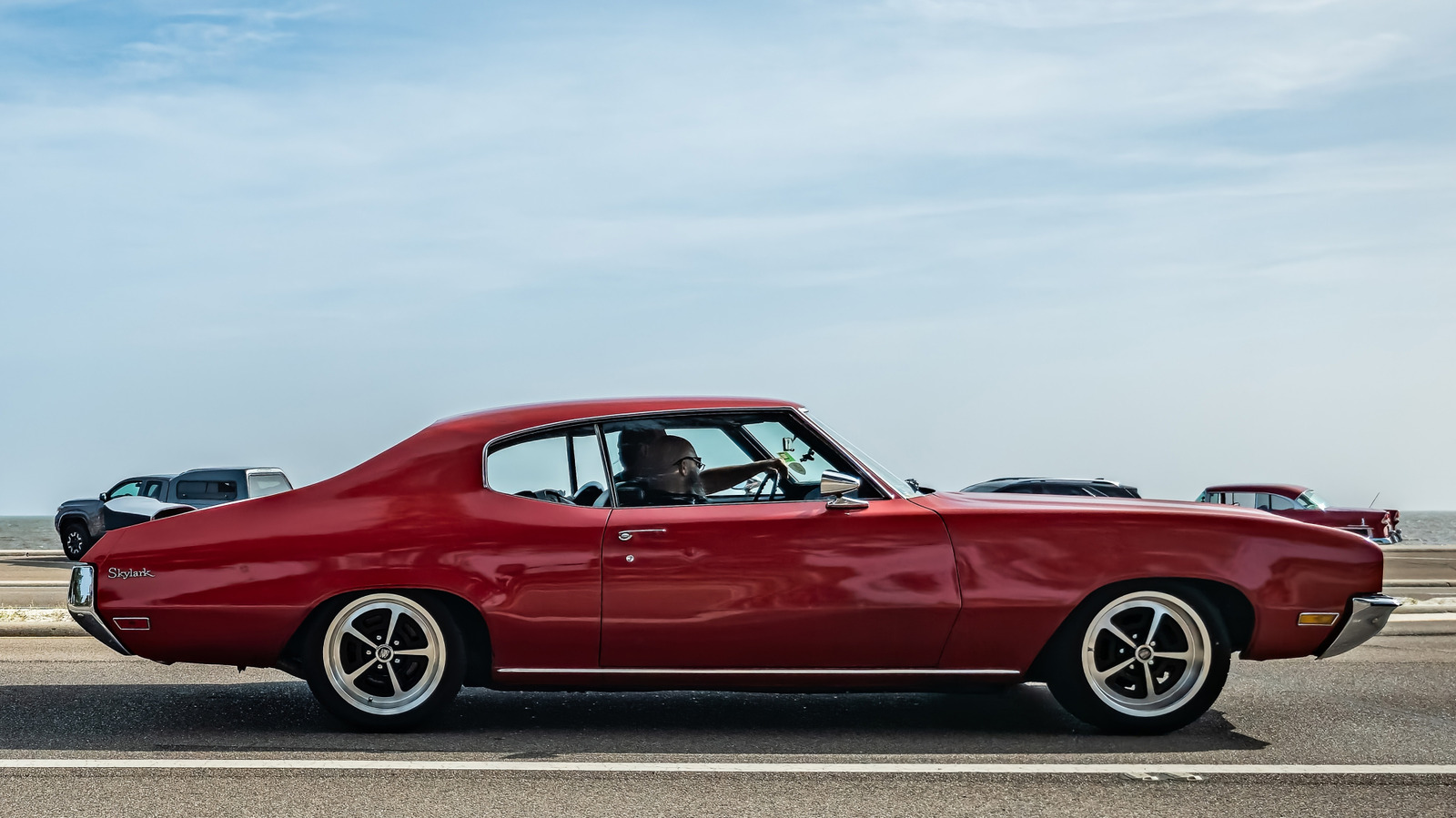
The article highlights 11 affordable vintage American muscle cars from the 1960s and 1970s, including models like the Chevy Nova, Buick Skylark, Ford Gran Torino, Dodge Duster, and others, emphasizing that enthusiasts can find solid drivers under $20,000 without needing a perfect show car, making the muscle car experience accessible to more people.
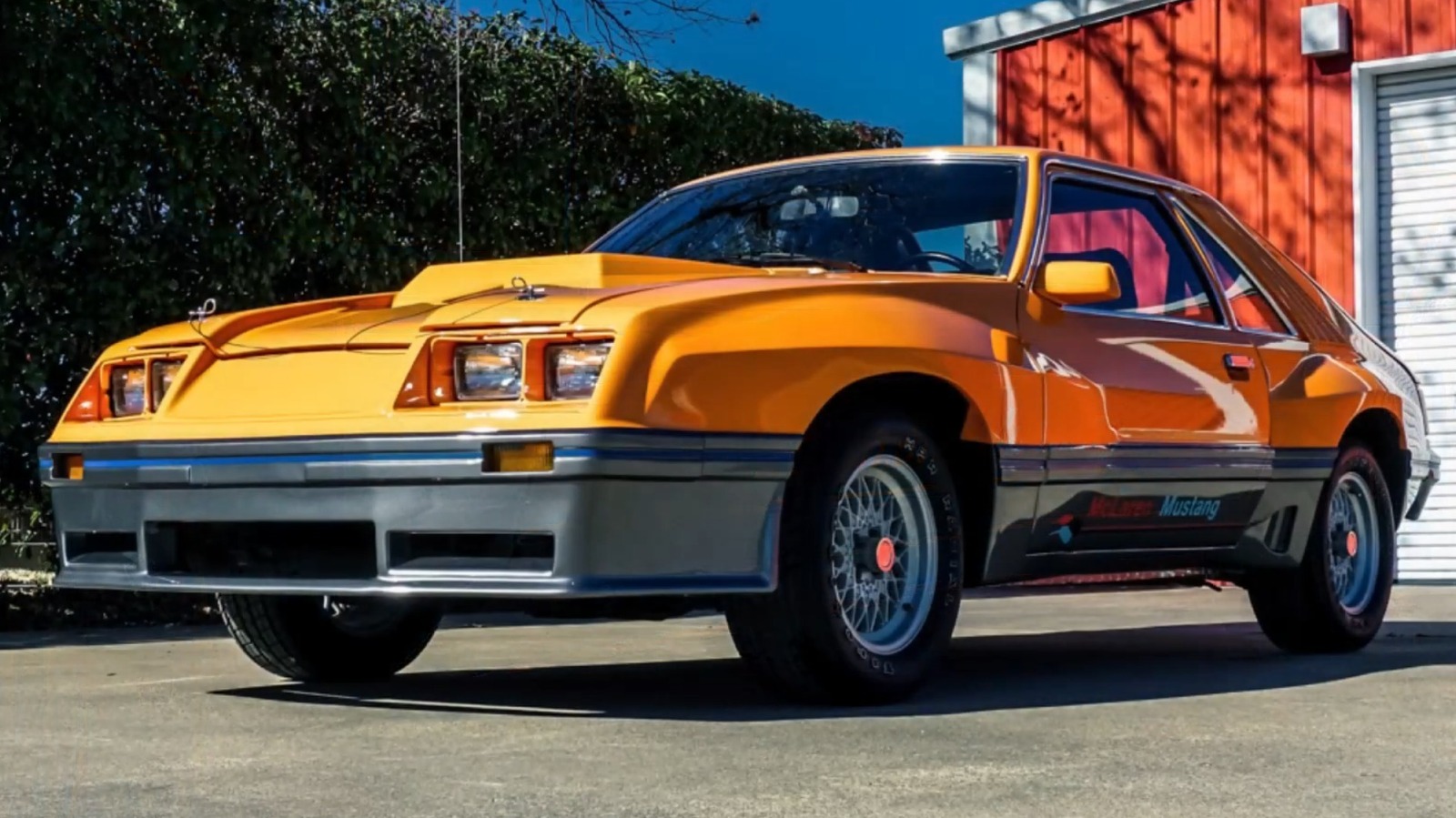
The article highlights some of the rarest Ford vehicles, including the Ford Fairlane 500 R-Code, a powerful muscle car from the '60s; the experimental V10 Mustang from 2004; the McLaren-enhanced Mustang M81 from the '80s; the rally-inspired Escort RS1700T; and the limited-edition GTX1 Roadster based on the Ford GT, emphasizing their unique features and rarity.
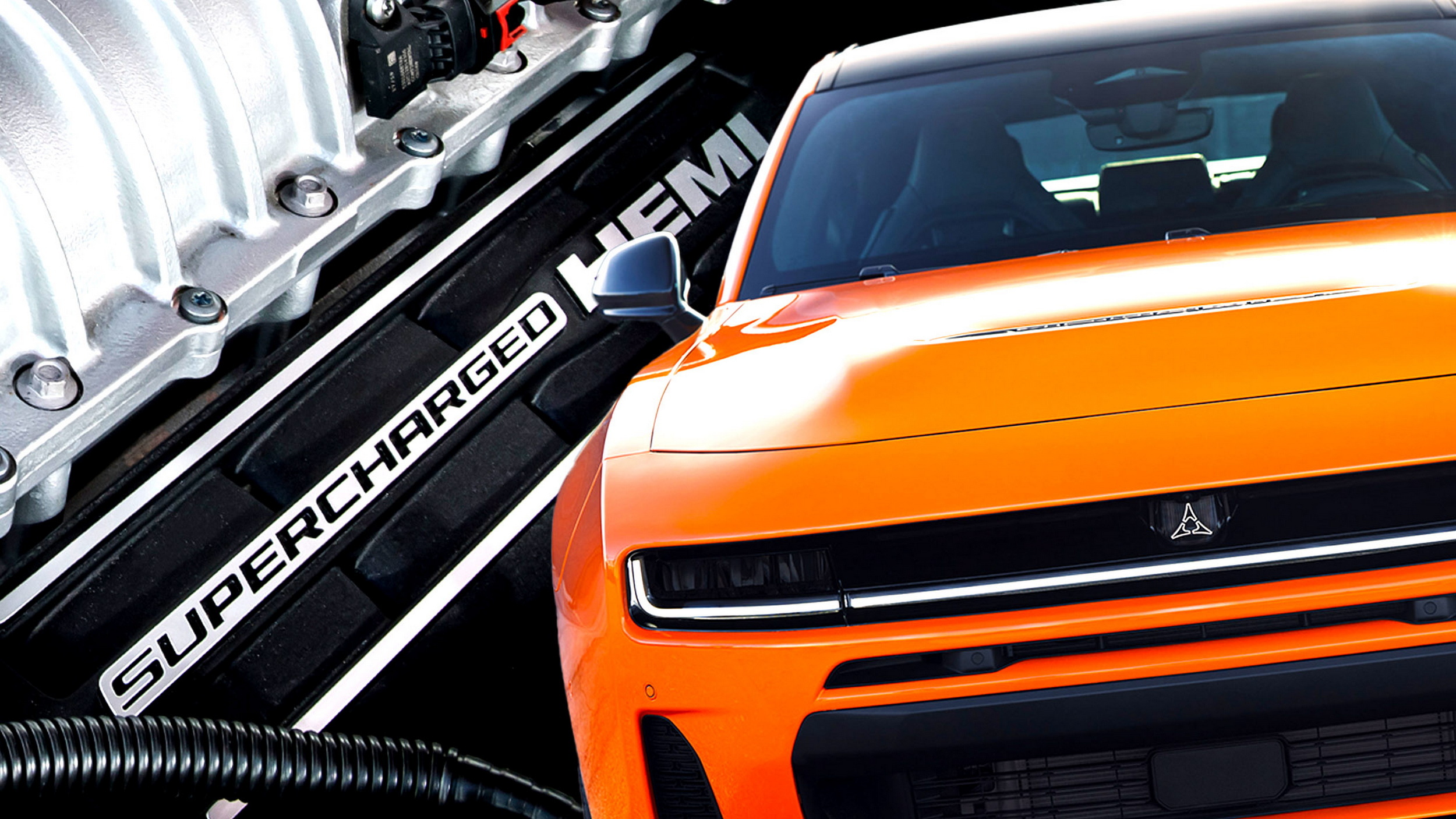
Dodge is considering reviving the Hemi V8 engine for the Charger, leveraging the flexible STLA Large platform, amid speculation fueled by CEO hints and the desire to compete with Ford Mustang, with potential options including the 5.7-liter, 6.4-liter, or even the 6.2-liter Hellcat V8.
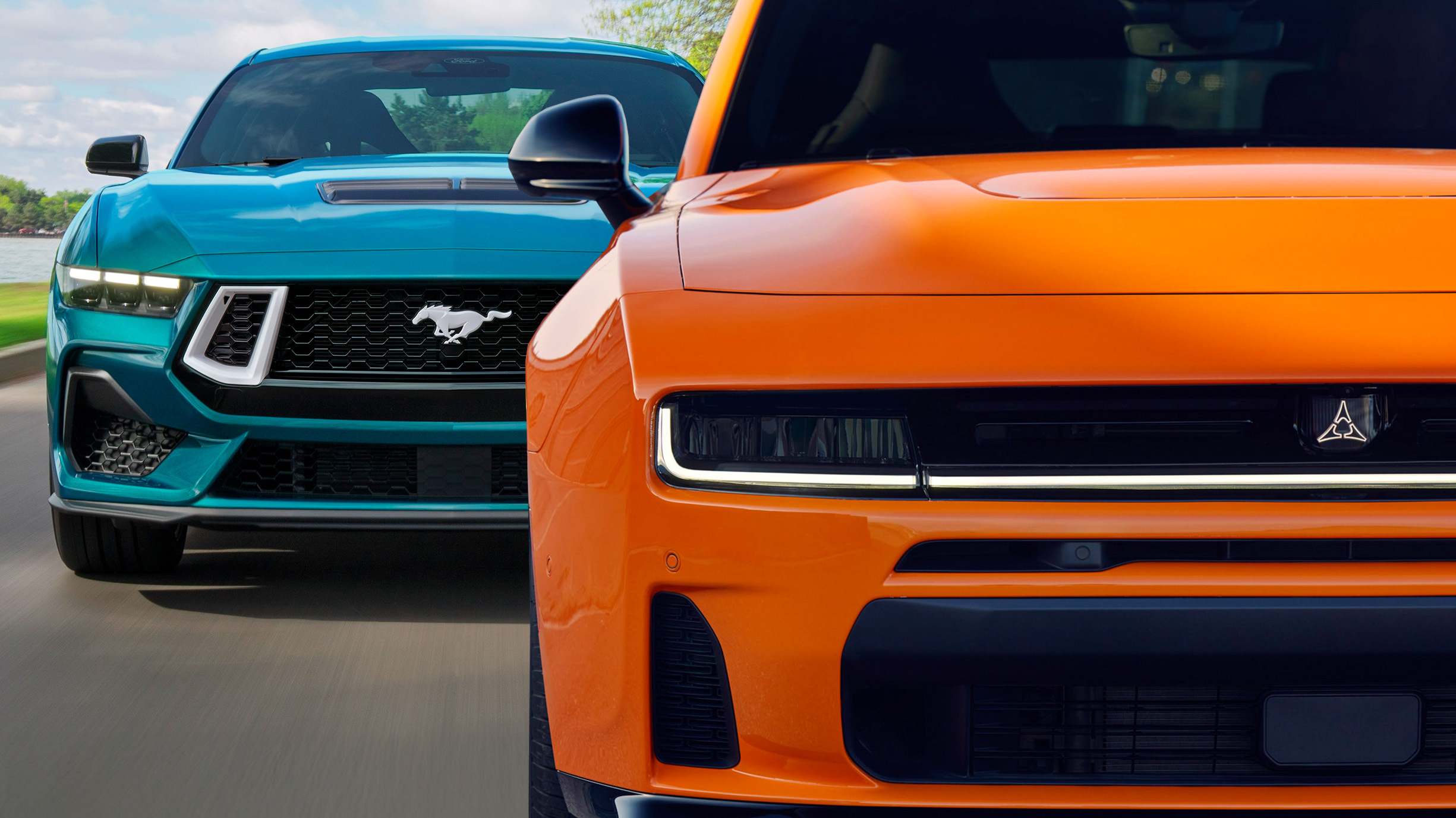
Dodge has introduced a combustion-powered Charger with options for 420 hp and 550 hp, competing against the Ford Mustang V8. The Charger offers more space, a liftback design, and AWD, but is heavier and more expensive. The Mustang provides a lighter, more traditional coupe with a V8 option and a convertible, but less interior space. The choice depends on preferences for performance, practicality, and budget.
Dodge announced new 2026 muscle cars, including the Durango SRT Hellcat Jailbreak with extensive customization options and the Charger Scat Pack with high horsepower variants, emphasizing choice and performance amid evolving EV policies.
Dodge is launching a new 'Outlaw' trim for the Charger, featuring a powerful twin-turbo inline-six engine with 550 horsepower, all-wheel drive, and potential hints at a V8 comeback, reflecting Dodge's focus on high-performance and innovative branding strategies.
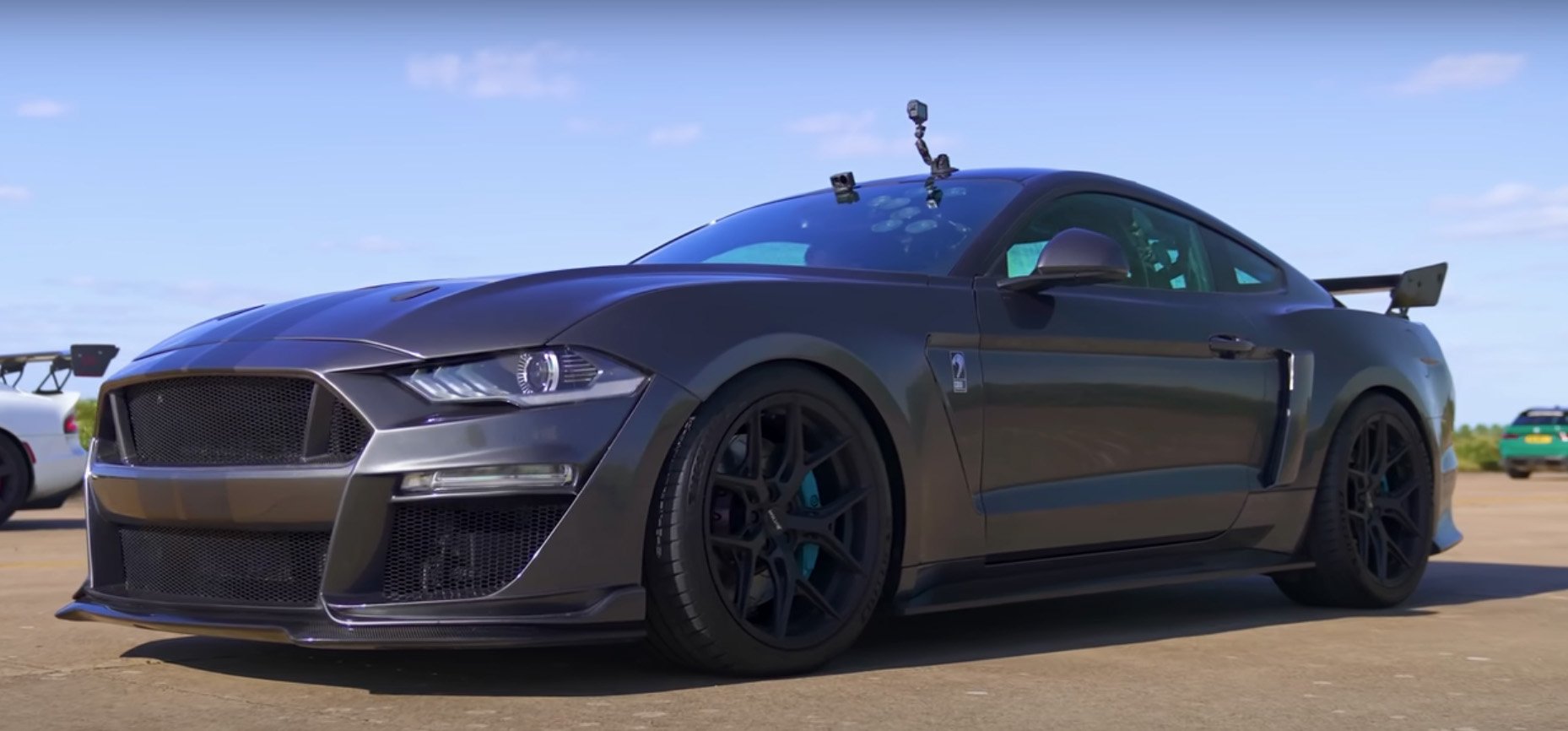
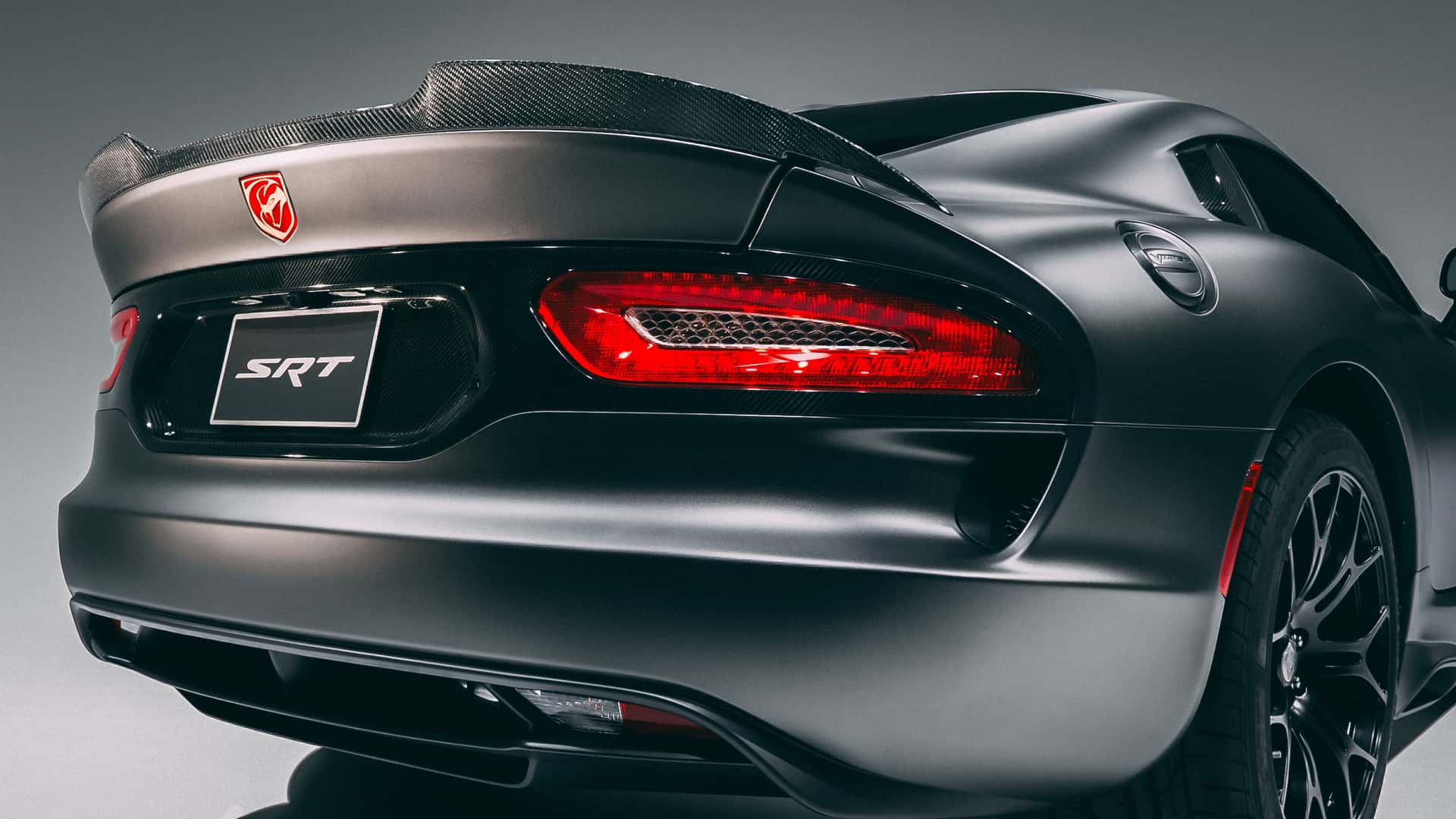
A tuned sixth-generation Ford Mustang with 859 horsepower and a Dodge Viper with 710 horsepower compete in a series of drag races, with the Viper initially leading but the Mustang ultimately winning in the final races, showcasing the high performance potential of heavily modified American muscle cars.
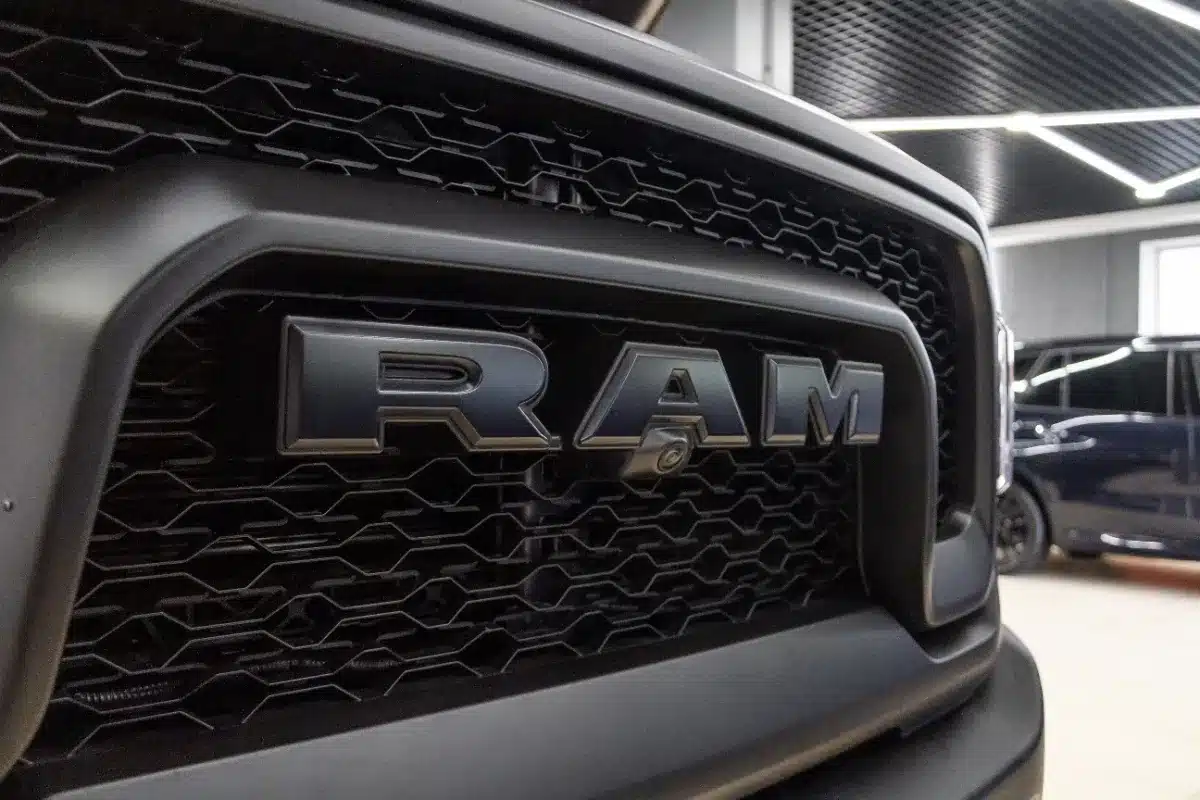
Stellantis has officially revived its SRT performance sub-brand, led by Ram CEO Tim Kuniskis, with plans to develop high-performance vehicles that emphasize power, aerodynamics, and handling, possibly returning to muscle cars with V-8 engines. The brand aims to push boundaries on both street and track, with new models expected soon, reflecting a strategic move to reconnect with enthusiasts and boost brand excitement.
Dodge is transitioning from traditional muscle cars to electric vehicles with the 2024 Charger Daytona, marking the start of its "e-Muscle" era. The new Charger, built on Stellantis' STLA Large platform, offers a modern design with a nod to classic models and features a 400V propulsion system delivering V8-like power. Despite its weight, the Charger Daytona provides impressive performance and utility, though it may face resistance from traditional V8 enthusiasts. The vehicle is part of Dodge's strategy to adapt to changing market demands while maintaining its muscle car legacy.