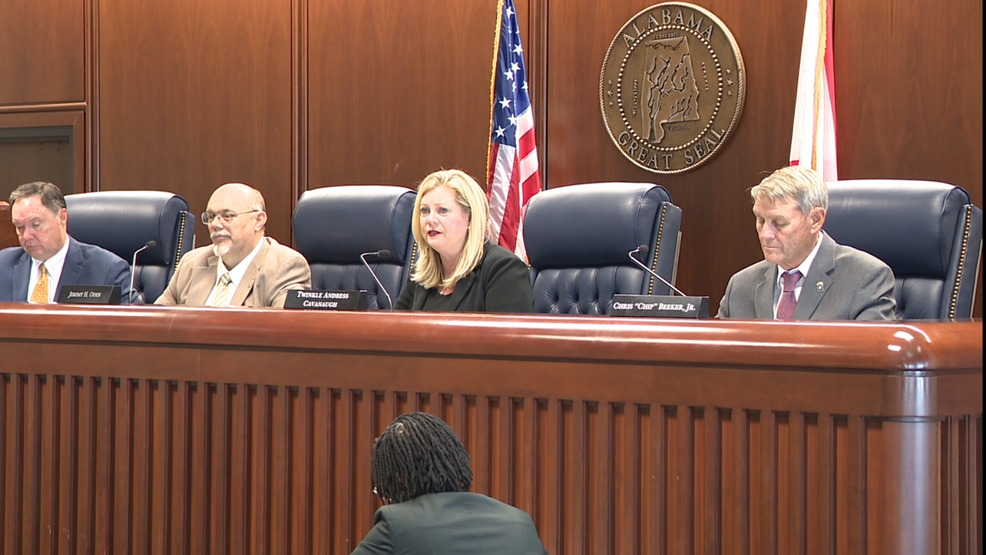
The Alabama Public Service Commission has responded to complaints about high power bills, attributing the increase to extreme weather and inflationary pressures, rather than rate hikes. The commission stated that actual billing errors are extremely rare and encouraged customers to reach out for assistance if concerned about their bills. They also mentioned upcoming discussions about providing more flexibility for consumers to meet their billing obligations and assured that power disconnections due to nonpayment will be delayed until after March 15.
The Electric Reliability Council of Texas (ERCOT) has issued a Voluntary Conservation Notice for Thursday afternoon, asking Texans to reduce electric use due to extreme temperatures, high demand, and lower reserves. ERCOT suggests raising thermostats, avoiding use of large appliances, and turning off lights and appliances not in use. Businesses are encouraged to turn off lights and equipment when not in use and adjust air conditioning outside of business hours.
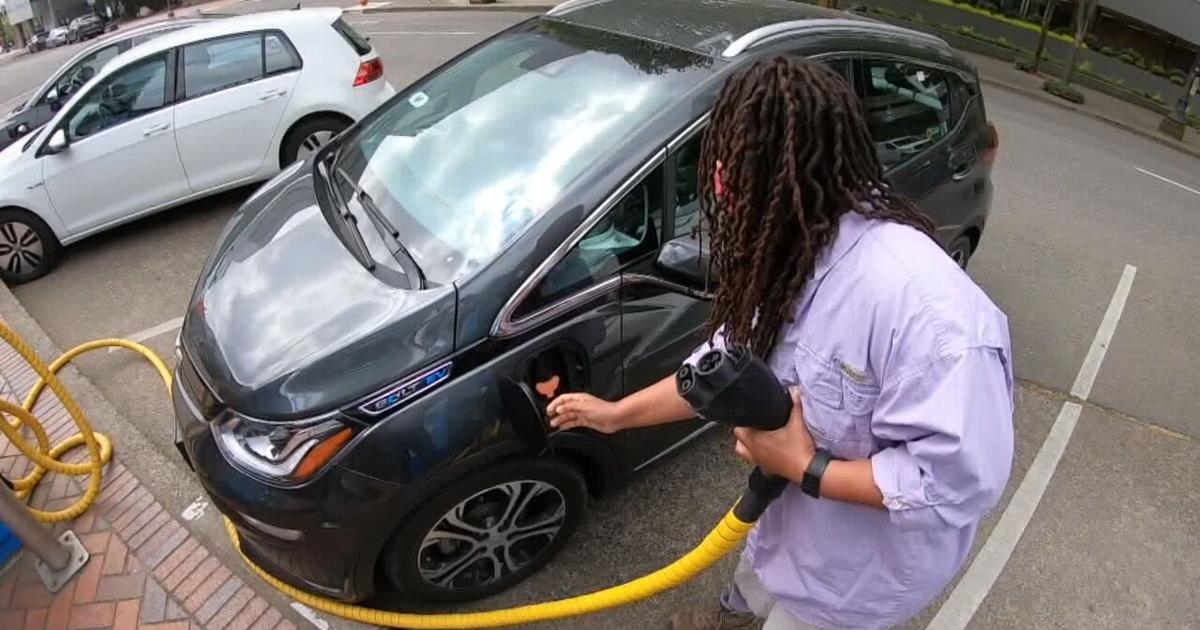
Eugene Water and Electric Board is urging customers to conserve energy due to hot weather, wildfire smoke, and strained power grid. Electricity prices have surged to $1,000-$1,700 per megawatt hour, compared to the usual $30-$50. The shutdown of regional generators, including EWEB's Carmen-Smith hydroelectric facility, has forced the company to purchase power at high market rates. While no emergency shutoffs are expected, customers are advised to avoid charging electric vehicles, set air conditioners to 74 degrees or higher, use smaller appliances, delay using dryers or dishwashers, and turn off unnecessary lights and electronics.
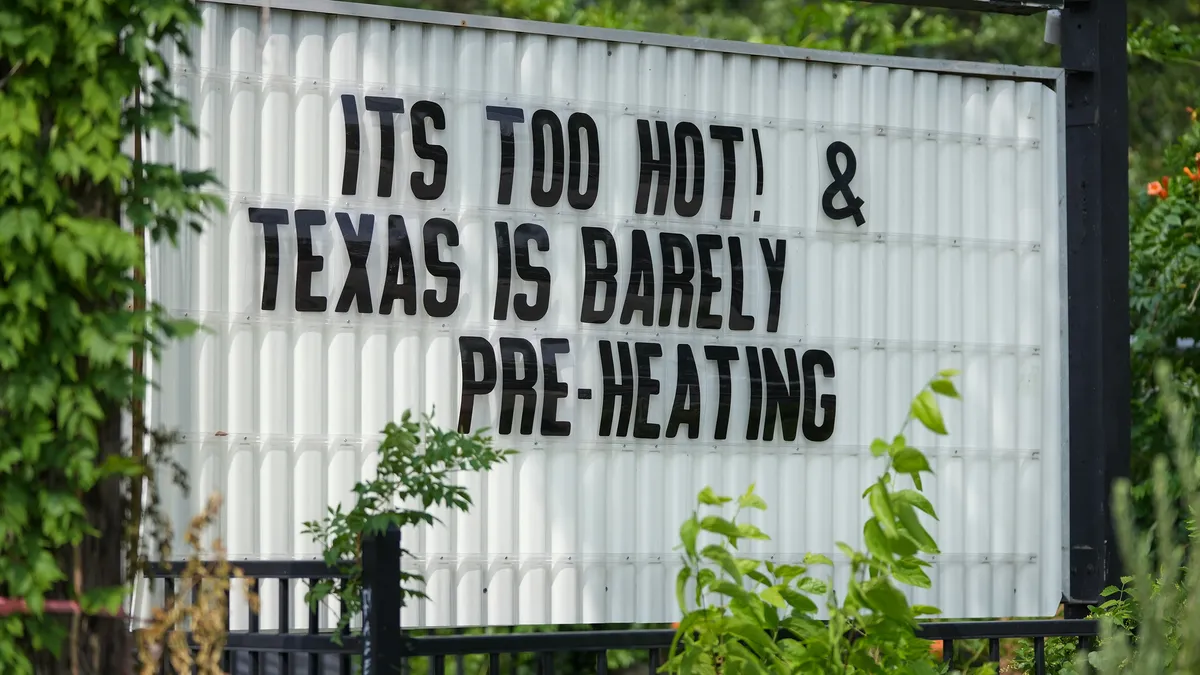
Texas experienced record-breaking energy usage as a heat wave continues to scorch the state, with power use reaching 80,828 megawatts, surpassing the previous record set last July. Despite its conservative leadership, Texas has significantly increased solar power generation in recent years, which has helped support the grid during peak energy demand. The state is expected to face triple-digit temperatures for several more days, with heat advisories in effect. The heat wave is also spreading to other parts of the South, with millions of Americans under heat warnings or alerts.
The Electric Reliability Council of Texas (ERCOT) predicts that the state's power grid will be able to handle the increased energy usage during the summer months, despite the sweltering heat. However, some energy experts cannot rule out the possibility of power outages. The biggest driver for grid overload comes from residents and businesses using air conditioning to stay cool. ERCOT estimates that the base summer peak load will be 82,739 megawatts, but there are no guarantees the predictions will be correct. Companies can better adjust and plan for summer heat when temperatures rise slowly like they have in recent weeks.
Eversource, an electric utility company in Connecticut, has announced a 22% decrease in its electric rates for residential customers starting July 1. The average home using 700 kWh each month would see a $56 decrease in its bill. However, the delivery charge will increase by $16 due to the expiration of a $12 bill credit that went into effect in January. Eversource has urged customers to take advantage of energy efficiency and payment programs to keep energy usage low this summer. The company files to change rates twice annually, with rates likely to increase again next year.