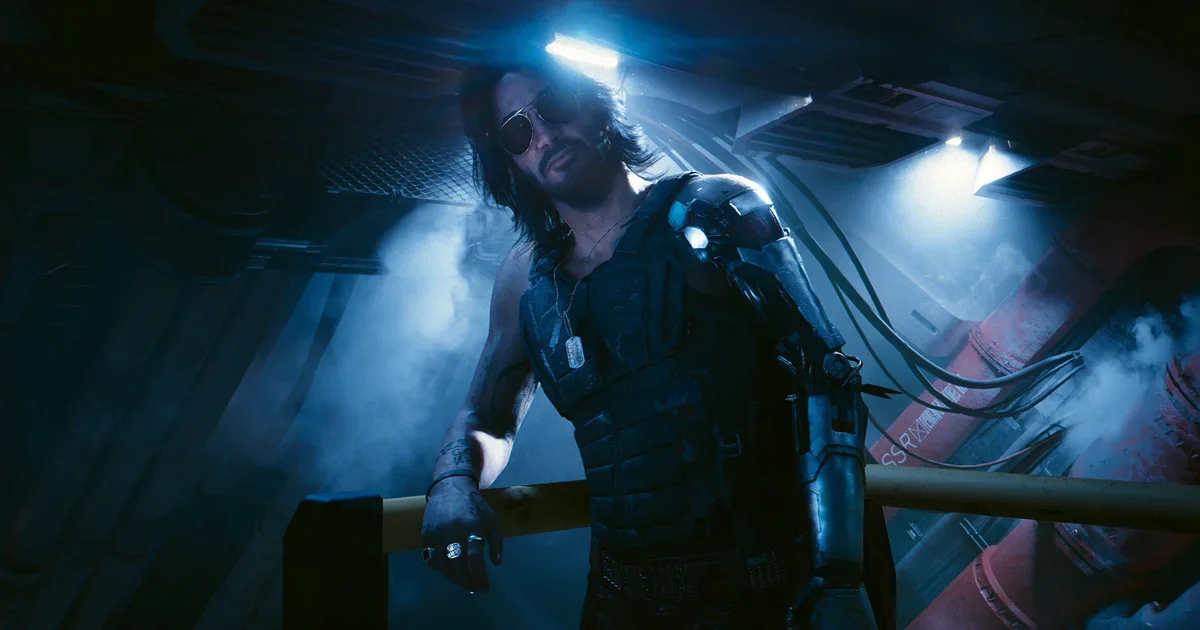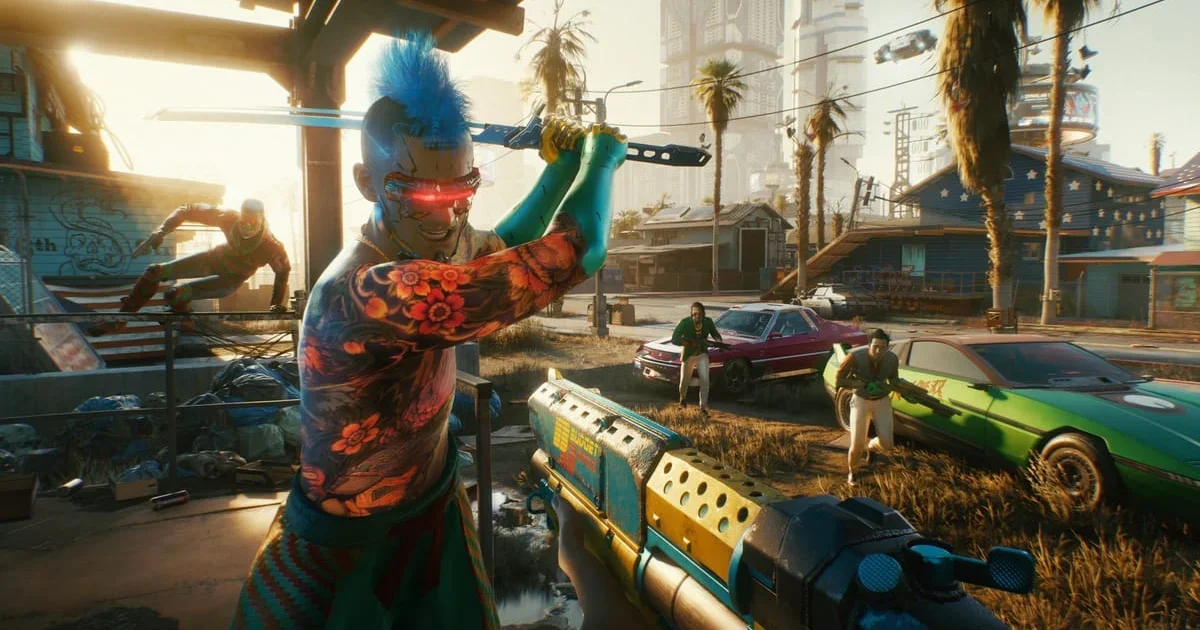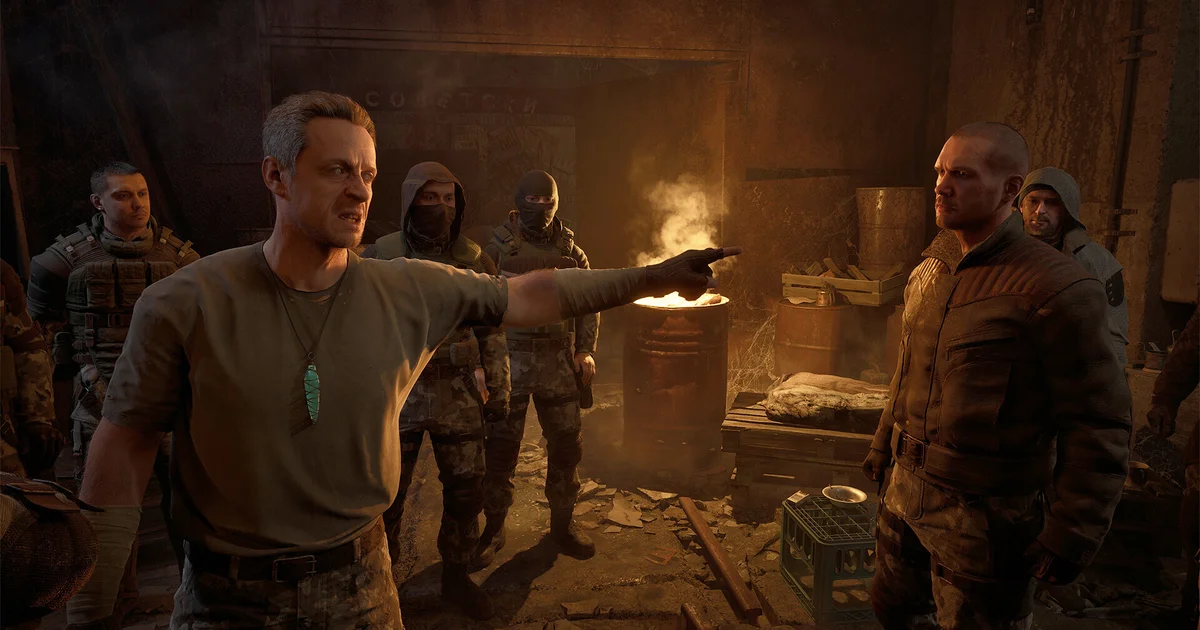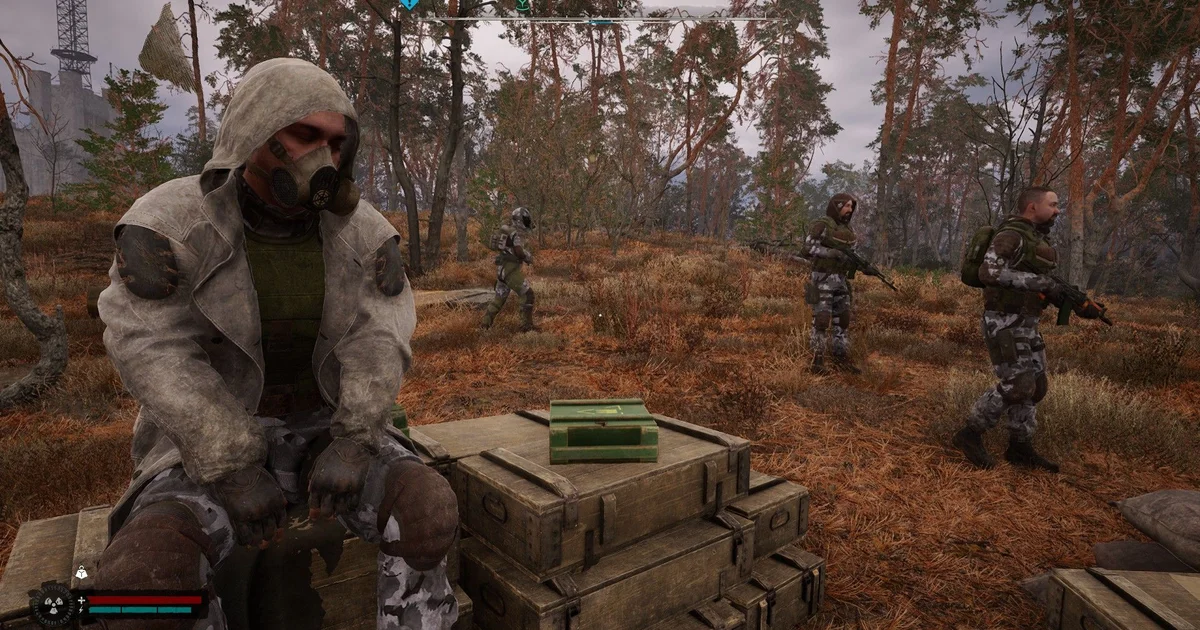
The Steam page for the post-apocalyptic shooter Misery has been taken down following a DMCA takedown filed by GSC Game World, the creators of Stalker, who claim copyright infringement. The developers of Misery deny these claims, asserting their game is entirely original and legally licensed, and are fighting to have it reinstated. The situation has also raised potential political and social tensions, with some allegations of support for Russia among the developers.
GSC Game World issued a DMCA takedown against the co-op survival horror game Misery, claiming copyright infringement, which led to the game's removal from Steam. The Misery developer denied copying from Stalker 2 and argued the game is a distinct, original work, though some evidence suggests asset similarities. The developer apologized for offensive comments made in private, and the situation highlights tensions between small developers and large studios over intellectual property.
The Pokémon Company is actively pursuing legal action against leaks revealing future game details, including upcoming titles like Pokémon Wind and Wave, suggesting the leaks are legitimate and potentially impacting the company's plans.
The article discusses how automated DMCA takedown systems, used by content creators and companies like Takedowns AI to combat piracy, often lead to errors that harm legitimate content and complicate internet use, especially affecting adult content creators on platforms like OnlyFans. These automated processes can mistakenly flag unrelated or non-infringing content, causing widespread issues and highlighting flaws in current copyright enforcement and search engine practices.
OpenAI recently won a legal battle against progressive publishers over DMCA claims, but the broader fight over AI and copyright infringement continues. The court dismissed the specific DMCA claims due to lack of concrete evidence, but left open the possibility of other legal arguments. Experts are divided on the implications, with some suggesting the ruling could limit the scope of IP cases in federal courts. The case highlights ongoing tensions between AI development and copyright laws.
A New York court dismissed a copyright lawsuit by Raw Story and AlterNet against OpenAI, which claimed the AI firm violated copyrights by using scraped news content in its training data. The court found the plaintiffs lacked standing as they couldn't demonstrate concrete harm. This ruling highlights challenges in applying traditional copyright laws to generative AI, as AI synthesizes rather than replicates content. The decision may influence future cases, emphasizing the difficulty of proving copyright violations without clear evidence of harm or exact reproduction.
A U.S. court has ordered cheat maker EngineOwning to pay Activision over $14 million in damages and hand over its domain name for selling cheats for Call of Duty and other games. The ruling includes statutory damages, attorney fees, and a permanent injunction against EngineOwning's activities. Despite the ruling, it remains uncertain if Activision will collect the damages or gain control of the website, as EngineOwning continues to operate outside the U.S.
Nintendo is using DMCA requests to shut down discussion servers associated with Yuzu forks Suyu and Sudachi, as well as projects related to the decryption of Switch software for use with emulators or hacked consoles. This follows a federal lawsuit against Switch emulator Yuzu, which led to a $2.4 million settlement. Discord and GitHub have complied with the takedown requests, while the projects are taking measures to avoid legal issues.
Discord has shut down the servers for Nintendo Switch emulators Suyu and Sudachi and disabled their lead developers’ accounts, citing compliance with DMCA requests and a court-ordered injunction. The developers received vague messages about alleged intellectual property rights violations, but it's unclear if valid DMCA takedown requests were issued. Discord's actions have led to speculation about software piracy and have caused internal strife among the emulator development teams. Nintendo's recent takedowns also targeted tools aiding Switch emulators.
After the takedown of the Yuzu Nintendo Switch emulator, a promising clone called Suyu faced a DMCA claim on Gitlab but remains available on private hosting. Nintendo now owns the yuzu-emu.org domain, signaling their efforts to dismantle the emulator and its associated entities. Suyu emphasizes being free forever and not supporting pirated games, but its future remains uncertain due to its basis as a Yuzu fork and potential legal threats.
Suyu, a fork of the popular Nintendo Switch emulator Yuzu, was taken down from GitLab due to a DMCA takedown notice, likely issued by Nintendo. The project had just released its first build, including various fixes and changes, but now faces uncertainty about its future. The team has moved the repository to a new address, but it remains to be seen if this will allow the project to continue. Meanwhile, the other major Nintendo Switch emulator, Ryujinx, remains unaffected by DMCA takedowns.
GitLab has removed the Suyu fork of the Nintendo Switch emulator Yuzu and disabled the accounts of its developers after receiving a DMCA takedown request, although it's unclear if Nintendo is behind it. The request alleges that Suyu violated DMCA 1201 by circumventing Nintendo's technical protection measures, but Suyu claims it doesn't include the same measures as Yuzu. GitLab's response raises questions about its account disabling policy and the handling of DMCA takedown requests. Suyu has indicated it will be hosted elsewhere after being removed from GitLab.
The FTC and DOJ are urging the US Copyright Office to expand exemptions to copyright law for the right to repair commercial and industrial equipment, including McDonald's ice cream machines, under the Digital Millennium Copyright Act. They argue that current restrictions limit competition, increase repair costs, and result in significant financial losses for businesses. If the exemptions are granted, it could allow for third-party repairs and potentially lower the high frequency of broken ice cream machines at McDonald's.
Daily Kos asserts its copyright and trademark rights while allowing site content to be used for any purpose without explicit permission, unless otherwise specified, and moves in solidarity with the Black community.
Tropic Haze, the developer of the Nintendo Switch emulator Yuzu, has responded to a lawsuit filed by Nintendo of America by retaining a lawyer, but has not released an official statement. Nintendo accused Yuzu of infringing upon its IP and violating the Digital Millennium Copyright Act by allowing users to play Switch games on non-Switch platforms. Nintendo is seeking equitable relief and damages for unlawful circumvention of copyright protection systems and unlawful trafficking in circumvention technology.