Amazon announced layoffs affecting 84 employees in Seattle and Bellevue as part of ongoing corporate restructuring, with the layoffs scheduled between February 2 and February 23, 2026. This follows a previous announcement of 14,000 job cuts in October, and the company has laid off nearly 2,400 Washington employees in 2025, amid efforts to streamline management and improve agility.
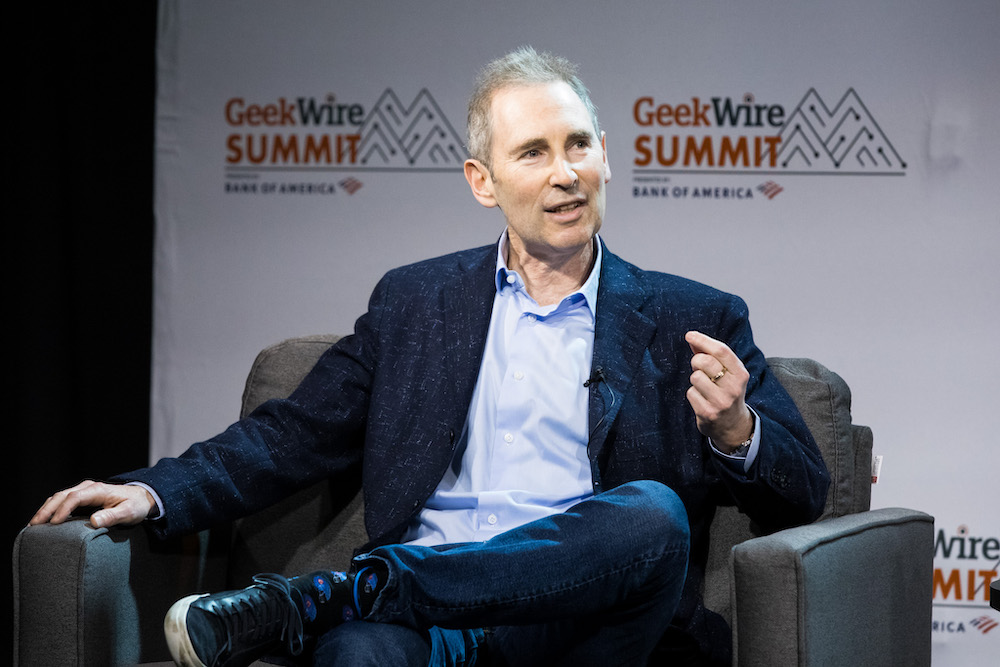
Amazon CEO Andy Jassy explained that the company's recent layoffs of about 14,000 employees were driven by a cultural reset to enhance agility and decision-making speed, rather than financial issues or AI-related restructuring, aiming to maintain a startup-like environment amid ongoing technological transformation.
Amazon plans to cut approximately 14,000 corporate jobs as part of its strategy to reduce bureaucracy and invest more in AI, with further cuts expected next year, driven by the adoption of generative AI tools to enhance efficiency and innovation.
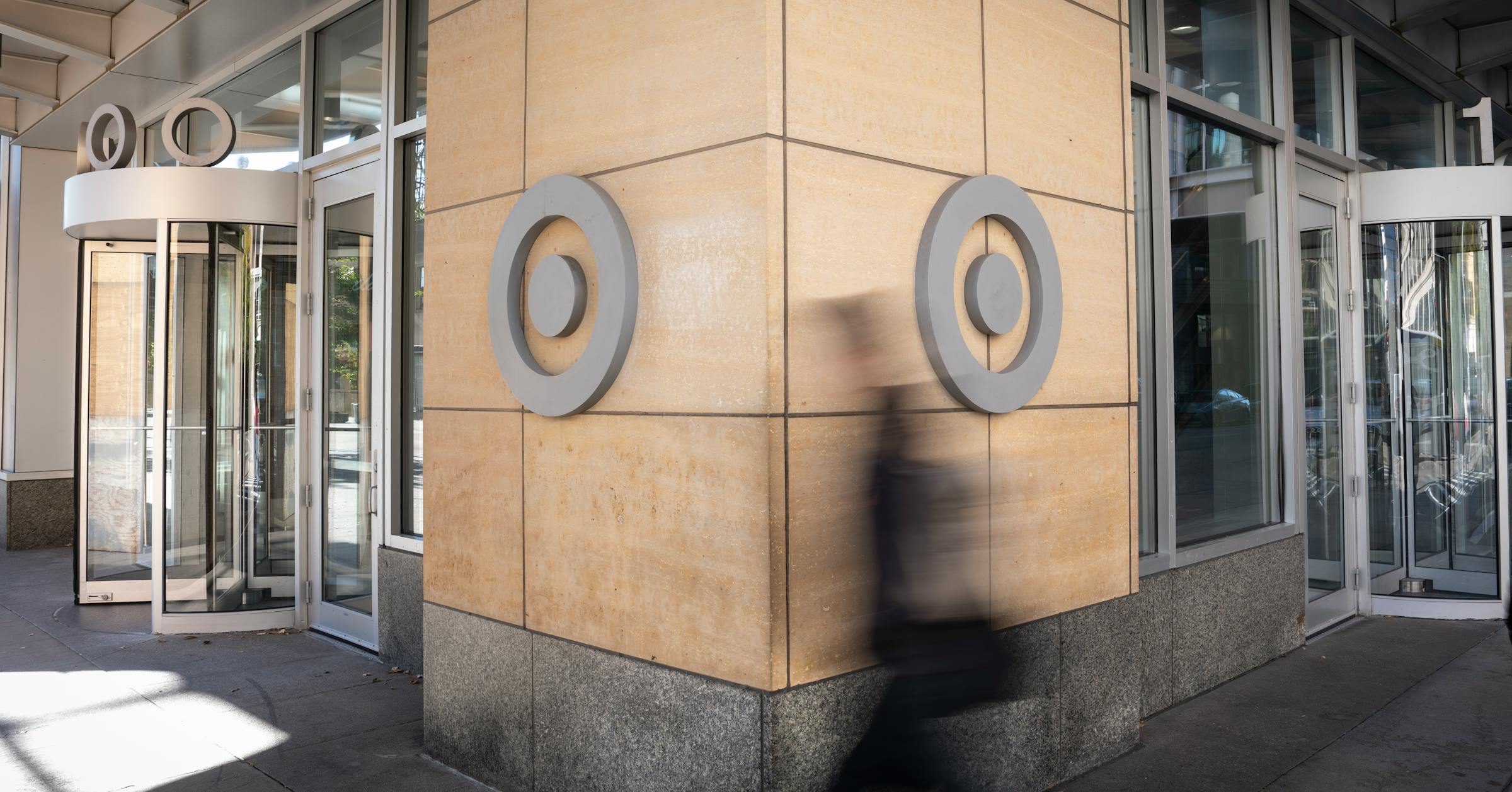
Target's announcement of layoffs and restructuring, including cutting 8% of its global corporate staff, signals internal struggles and may serve as an early warning sign for the broader economy, especially as retail giants like Amazon also announce layoffs amid economic uncertainty.
Target plans to lay off around 1,000 corporate employees and close 800 roles as part of a major restructuring under new CEO Michael Fiddelke, aiming to address sales slumps and operational inefficiencies, impacting its headquarters in Minneapolis and signaling significant changes in its business strategy.
Target is cutting about 1,800 corporate jobs, roughly 8% of its global corporate workforce, to streamline operations and focus on rebuilding its customer base amid declining sales and increased competition. The layoffs, mainly at its Minneapolis headquarters, are part of a broader effort led by new CEO Michael Fiddelke to improve merchandise selection, customer experience, and technology investment. The company aims to enhance decision-making and accelerate growth, while store employees and supply chain workers are unaffected.
Target plans to cut 1,800 corporate positions to enhance operational agility and decision-making, amid ongoing sales challenges and industry shifts, with affected employees to be informed soon and offered support.
Amazon plans to cut up to 15% of its HR staff and possibly other divisions, as part of its strategy to reduce costs and invest heavily in AI and cloud infrastructure, following the largest layoffs in its history earlier this year. The company is focusing on efficiency and embracing AI to reshape its workforce, while continuing to hire seasonal warehouse staff for the holiday season.
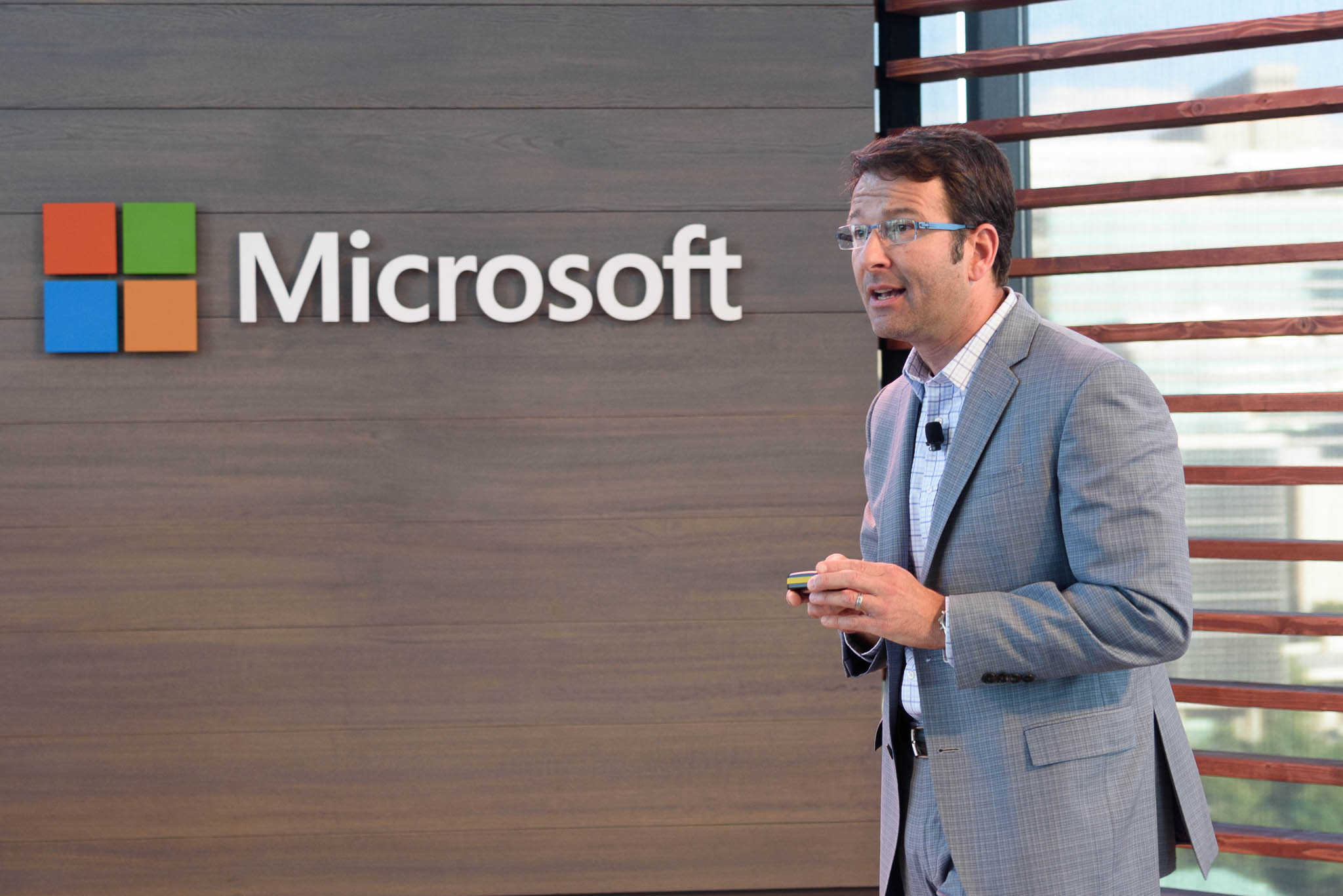
Microsoft CEO Satya Nadella is restructuring the company's leadership by appointing Judson Althoff as CEO of its commercial business to focus on AI and long-term tech ambitions, allowing Nadella to concentrate on innovation and platform shifts amid a period of internal and external challenges.
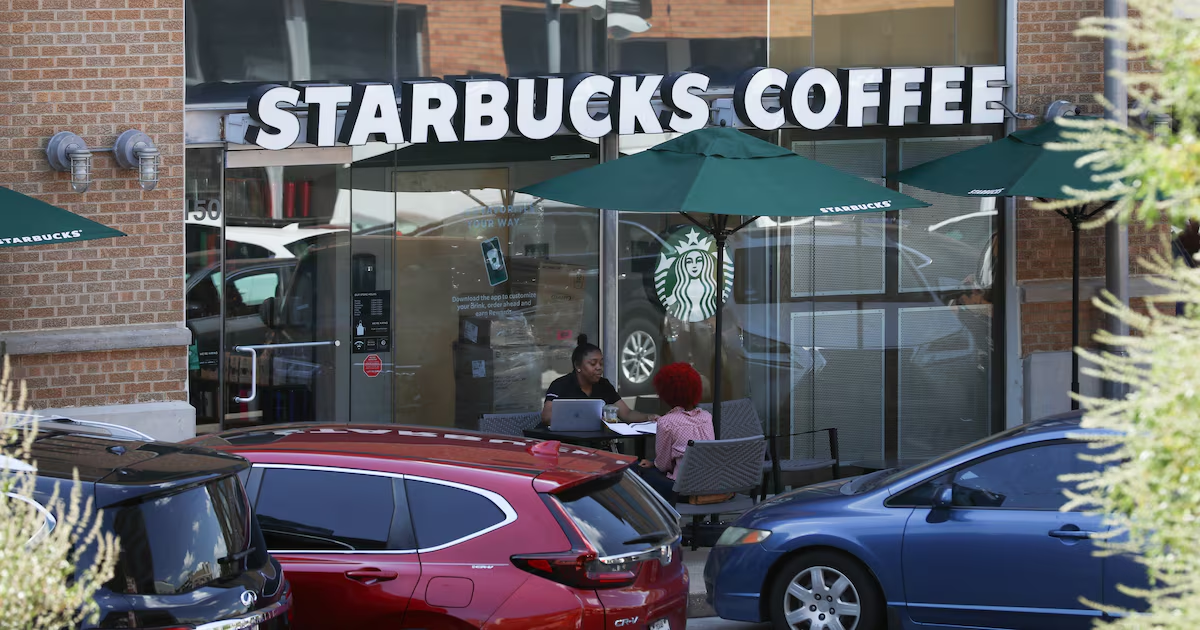
Starbucks is closing several stores in Dallas-Fort Worth as part of a nationwide plan to shut around 1% of its stores by the end of the year, aiming to improve store environments and long-term growth, with affected locations including Mockingbird Station and Victory Park.
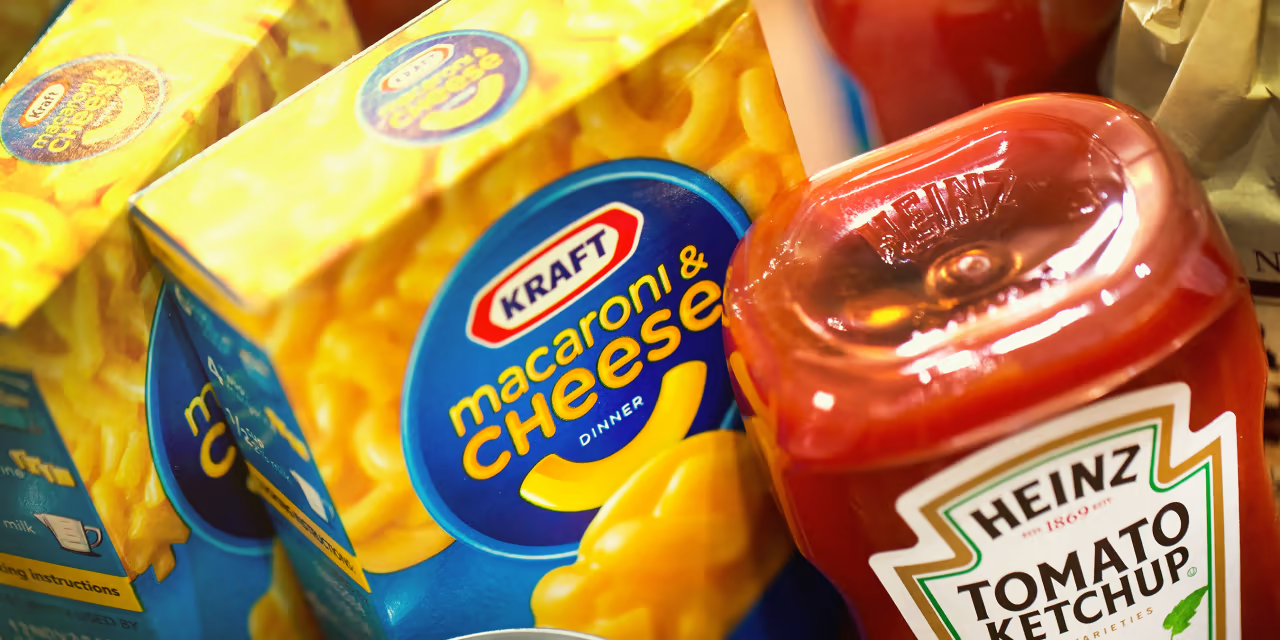
Kraft Heinz is planning to split into two separate companies focusing on global sauces and North American grocery staples, aiming to improve focus and efficiency amid industry challenges, with the split expected to complete by late 2026. The move causes its stock to dip slightly and reflects a broader trend of major food companies restructuring to adapt to market pressures.
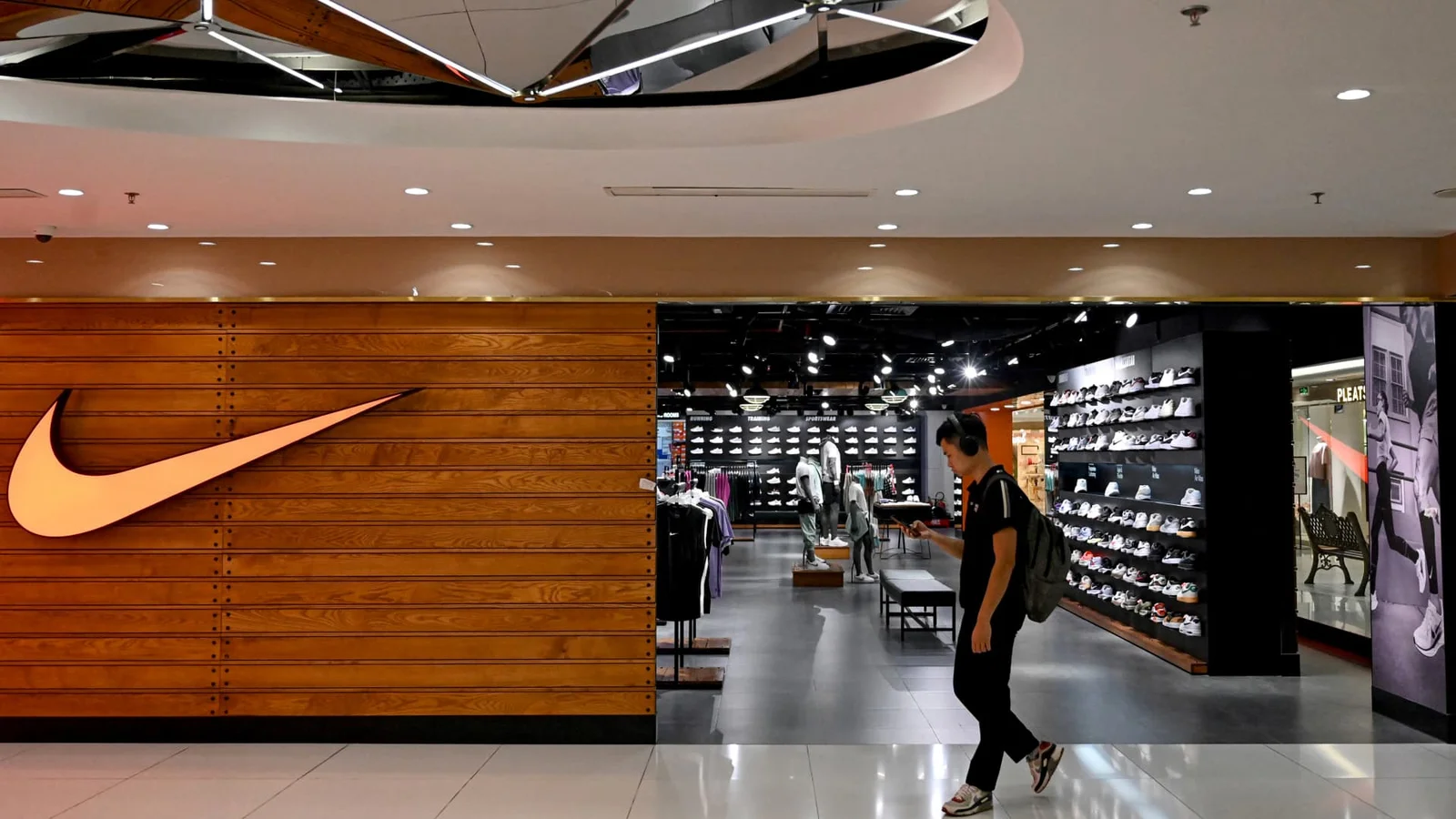
Nike is implementing a new round of layoffs affecting less than 1% of its corporate staff as part of CEO Elliott Hill's strategy to refocus the company on sports and culture, undo previous restructuring efforts, and drive innovation. The changes aim to reorganize teams around specific sports and athletes, with staff impacted being informed by September 8 and new roles starting from September 21.
Sony's CFO Lin Tao acknowledged that PlayStation's ambitious live-service strategy, initiated in 2022, has faced significant challenges including delays, cancellations, and management issues, particularly with Bungie, which is losing some of its independence as it becomes more integrated into PlayStation Studios. Despite setbacks, the company sees long-term potential in live-service games, aiming for a more stable and diverse portfolio.
Procter & Gamble is appointing Shailesh Jejurikar, a seasoned operations executive and former cricket player, as its new CEO starting January 2026, succeeding Jon Moeller who will become executive chairman. Jejurikar's rise reflects P&G's tradition of internal leadership development amid ongoing restructuring efforts, including job cuts and brand divestitures.
Intel's shares dropped over 7% after reporting a $2.9 billion loss in Q2, plans to cut over 25,000 jobs, and warnings of deeper losses ahead, as the company restructures and shifts production amid intense industry competition.