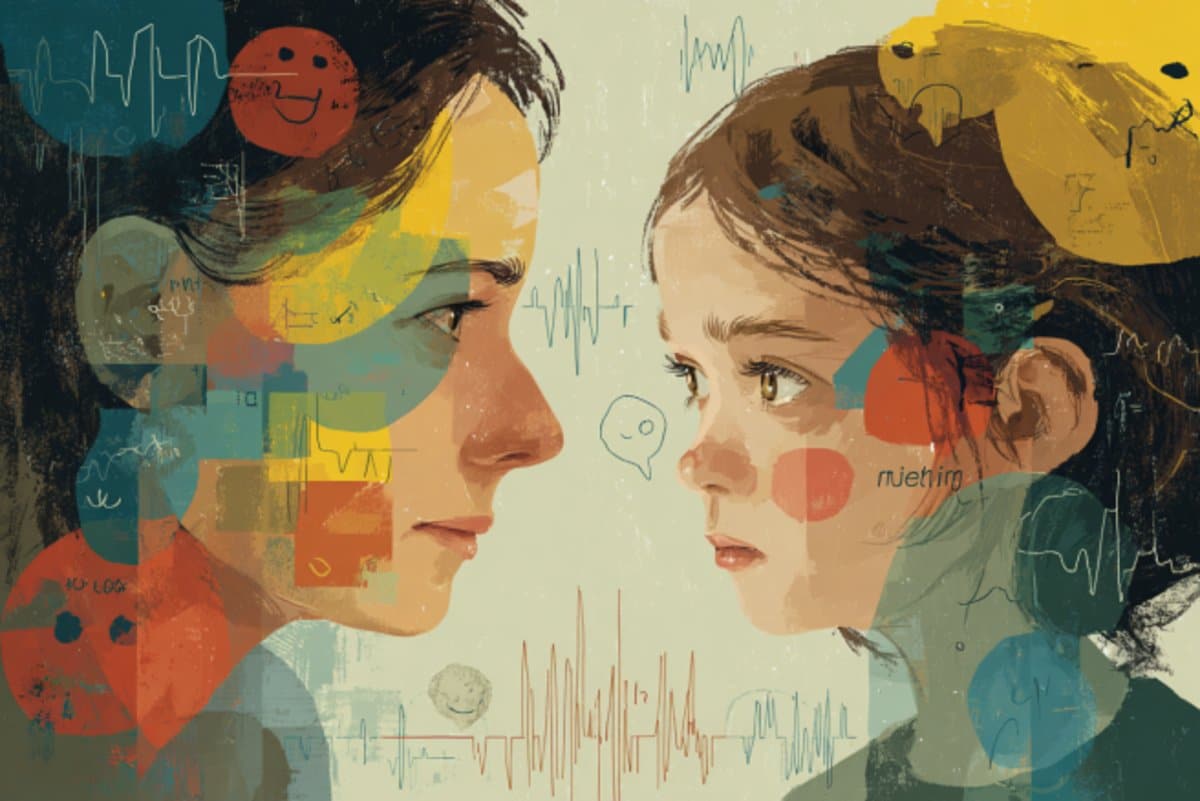
A study from Peking University shows that children aged 5-10 transition from relying on facial cues to understanding emotions through conceptual knowledge, with neural and behavioral evidence indicating a developmental shift from perception to deeper emotional comprehension.
A study by the University of Birmingham found that reducing dopamine signaling in the brain impairs the ability to recognize emotions and understand others' mental states, which are symptoms experienced by Parkinson's disease patients. This research highlights the socio-cognitive effects of dopamine imbalances and could influence future treatments for Parkinson's and other dopamine-related disorders.
Startup Hume claims to have developed emotionally intelligent conversational AI that can interpret over 24 distinct emotional expressions in a person's voice and respond accordingly, attracting over 1,000 developers and companies like SoftBank and Lawyer.com. The New York-based startup has raised $50 million in a series B funding round and launched "Hume EVI," a conversational voice API that can detect emotional nuances in audio and text and adjust its responses. While the technology aims to mimic human conversation, using AI to interpret complex emotional expressions through voice and text remains an imperfect science, with potential biases and challenges in accurately capturing nuances of emotion and context. Hume's AI has been integrated into applications in industries like health and wellness, customer service, and robotics, showing potential for tracking mental health conditions and providing expanded context in productivity chatbots.
Children's ability to process emotional cues is largely established by the time they start school, according to a study analyzing brain scans from children aged five to 15. The research emphasizes the importance of early intervention to address issues related to understanding emotional cues. The study provides evidence that the optimal time for intervention is during early childhood to support a child’s social and emotional development better.
Children with autism often experience behavioural problems such as anger outbursts due to their inability to communicate their thoughts and feelings. Recognising their triggers and letting them manage or release anger in a safe way can keep in check any kind of destructive behaviour or self-harm. Parents should talk to the child using simple words and direct instructions without judgment. Teaching emotional recognition and communication is another crucial strategy for helping children with autism manage their anger. Providing a structured routine, emotional labelling, time-outs, offering safer outlets for releasing frustration, and clear communication, can be helpful.