
Tag

Electrical Fields

All articles tagged with #electrical fields

neuroscience2 years ago

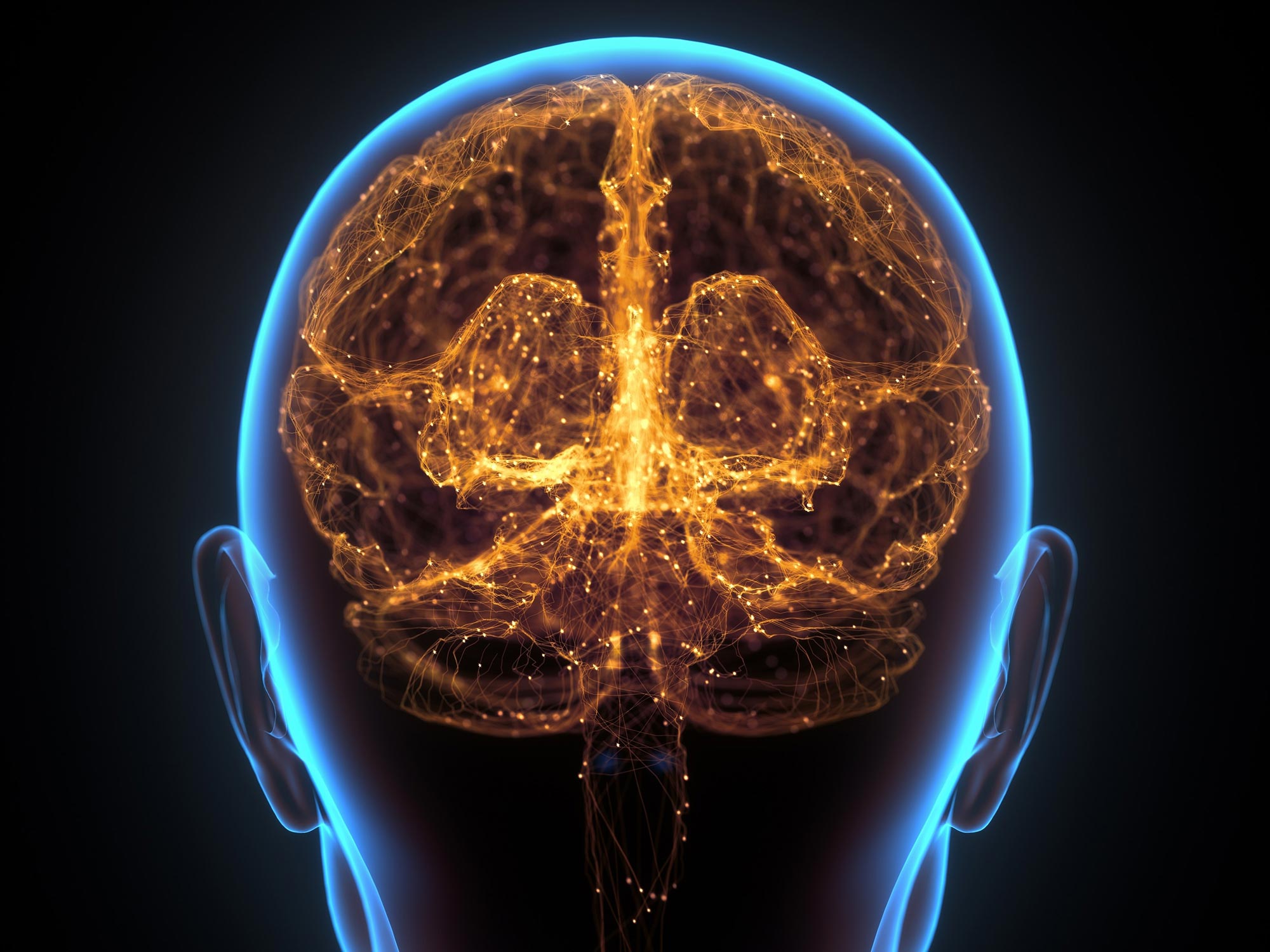
"New Hypothesis Reveals Brain's Cytoelectric Coupling and Separation of Networks"

A new hypothesis called "Cytoelectric Coupling" suggests that the brain's electrical fields, created by neural network activity, can influence the physical configuration of neurons' sub-cellular components to optimize network stability and efficiency. The hypothesis builds upon earlier studies that showed how rhythmic electrical activity or 'brain waves' in neural networks and the influence of electric fields at the molecular level can coordinate and adjust the brain's functions, facilitating flexible cognition. The authors suggest that the brain uses electric fields to ensure the network does what it is supposed to do, connecting information at the meso- and macroscopic level down to the microscopic level of proteins that are the molecular basis of memory.
biology2 years ago

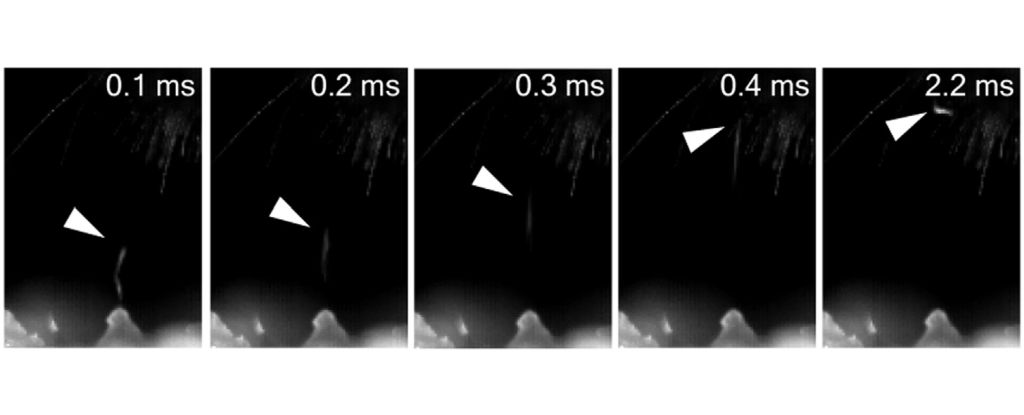
Electricity-riding worms hitchhike on bees

Researchers have discovered that tiny nematodes, including the famous Caenorhabditis elegans, use electrical fields to disperse far afield into new habitats. The worms can piggyback on electrical fields to jump a surprising distance, such as onto the back of a bumblebee for a ride to a new locale. The researchers found that electrostatic force helps power the worms' leaps, and they can hitchhike on passing bees to disperse through the environment. Further studies on the electric field and the behavior of C. elegans are expected to provide more details on the electrical ethology of microorganisms.

neuroscience2 years ago

Fine-Tuning Brain Functioning with Cytoelectric Coupling.

A new hypothesis called "Cytoelectric Coupling" suggests that electrical fields within the brain can manipulate neuronal sub-cellular components, optimizing network stability and efficiency. The theory proposes that these fields allow neurons to tune the information-processing network down to the molecular level. The hypothesis is open for testing and could significantly enhance our understanding of the brain's inner workings.