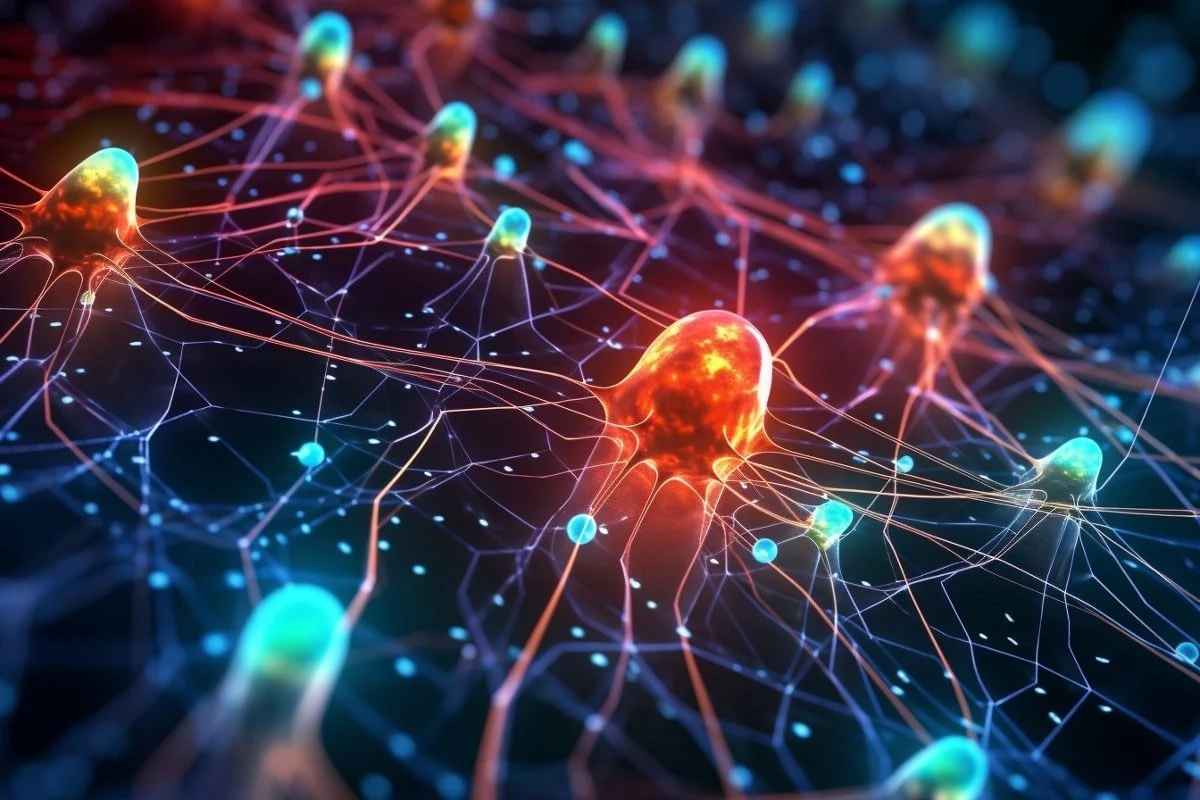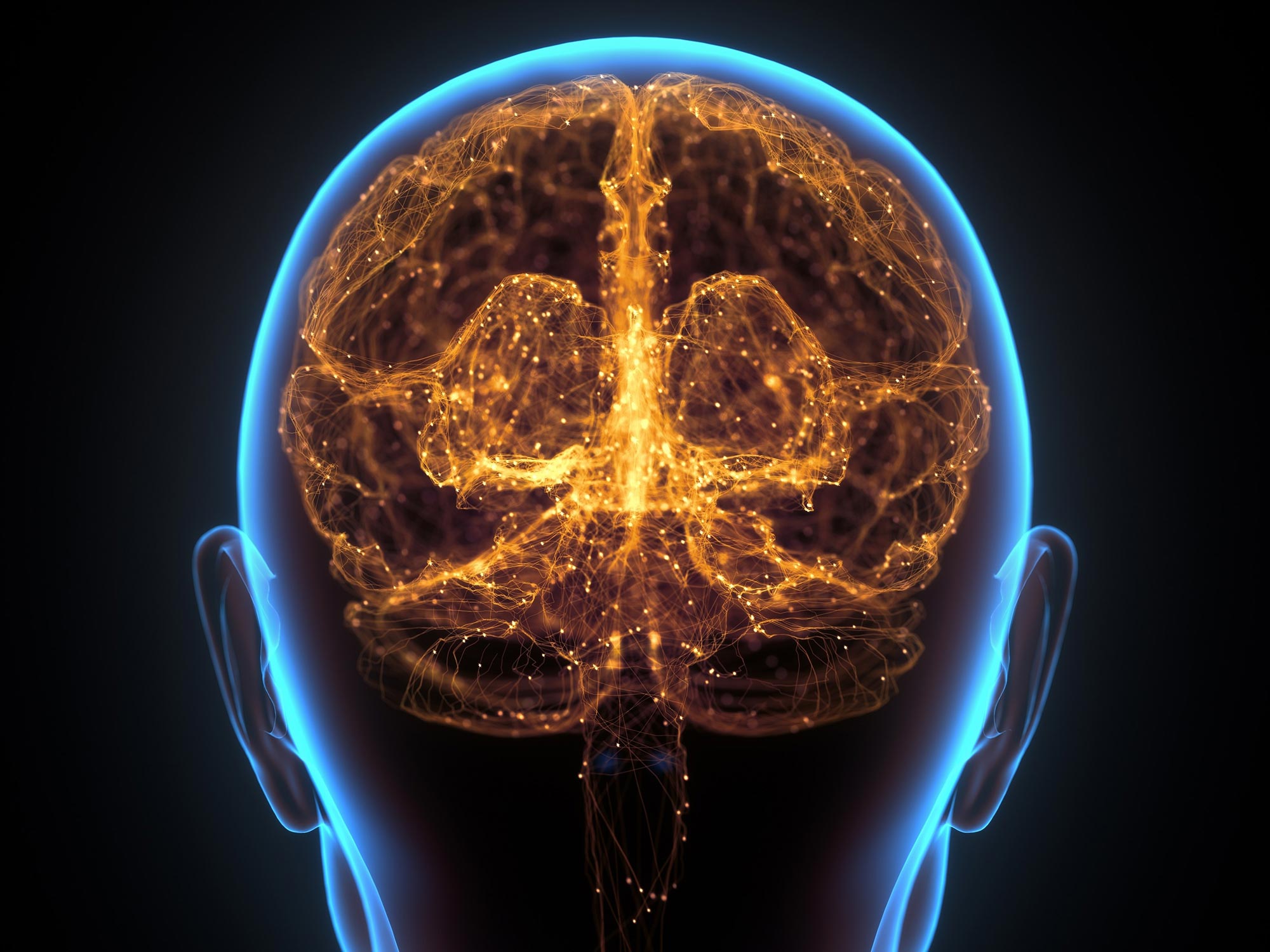
"New Hypothesis Reveals Brain's Cytoelectric Coupling and Separation of Networks"
A new hypothesis called "Cytoelectric Coupling" suggests that the brain's electrical fields, created by neural network activity, can influence the physical configuration of neurons' sub-cellular components to optimize network stability and efficiency. The hypothesis builds upon earlier studies that showed how rhythmic electrical activity or 'brain waves' in neural networks and the influence of electric fields at the molecular level can coordinate and adjust the brain's functions, facilitating flexible cognition. The authors suggest that the brain uses electric fields to ensure the network does what it is supposed to do, connecting information at the meso- and macroscopic level down to the microscopic level of proteins that are the molecular basis of memory.