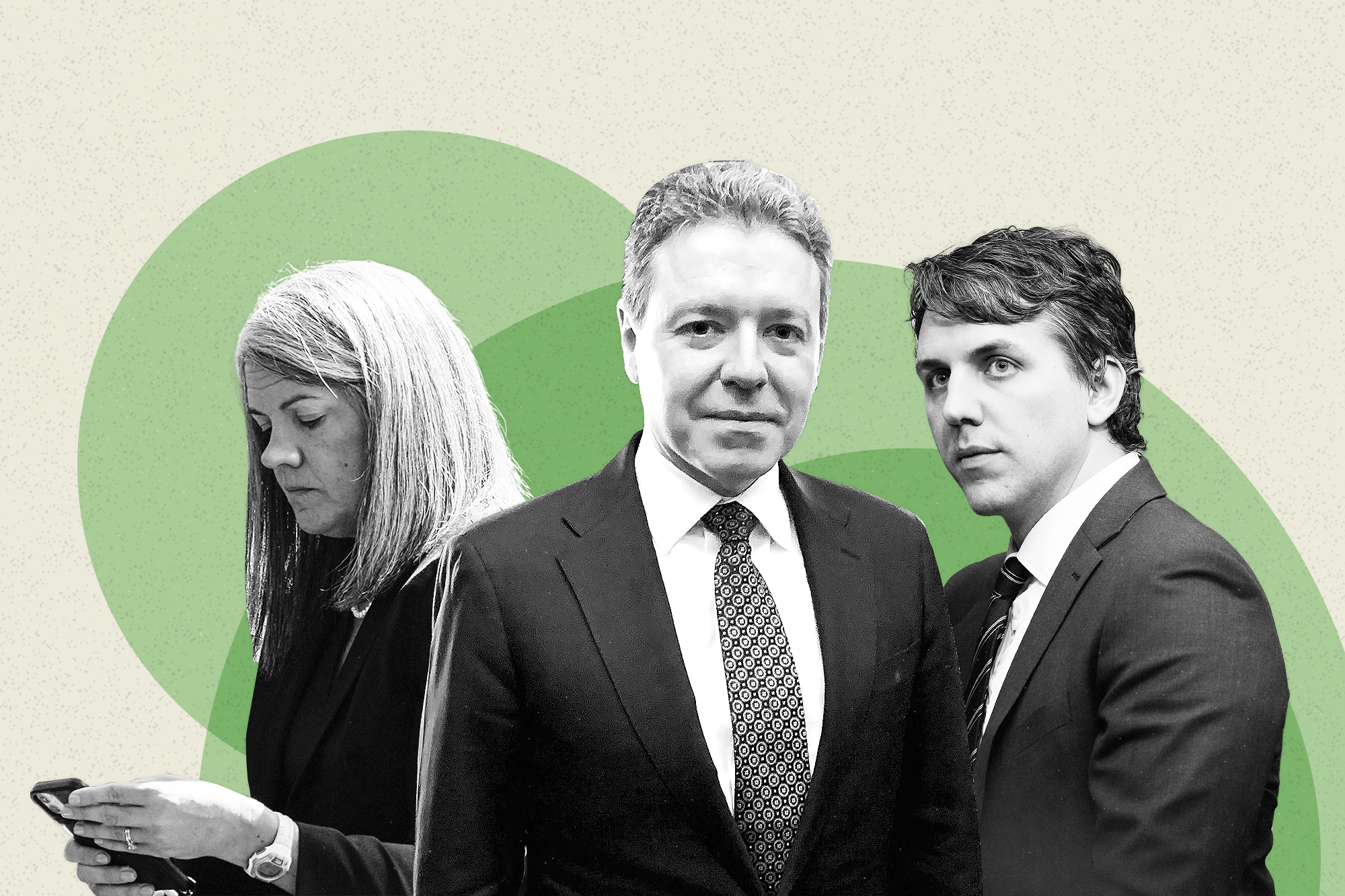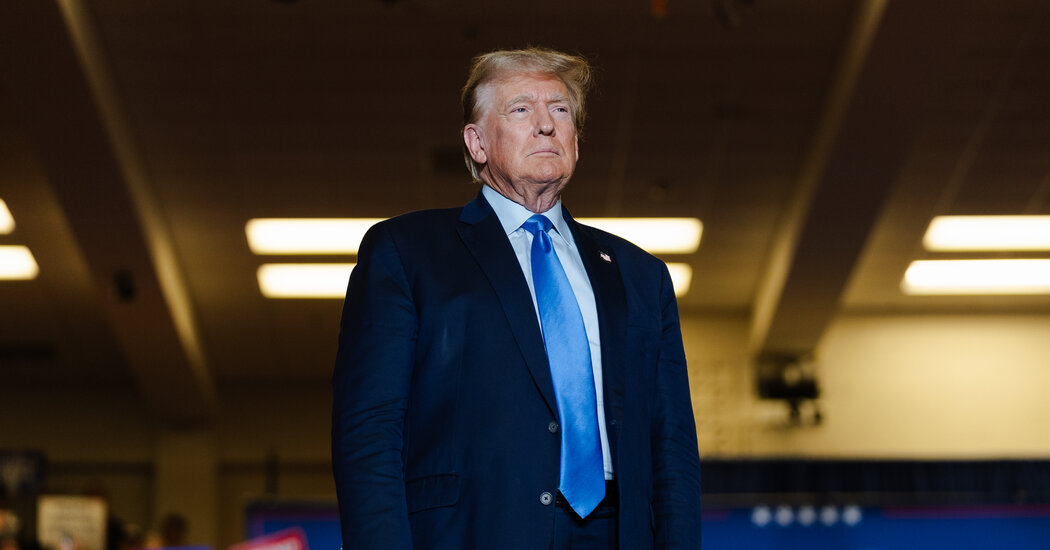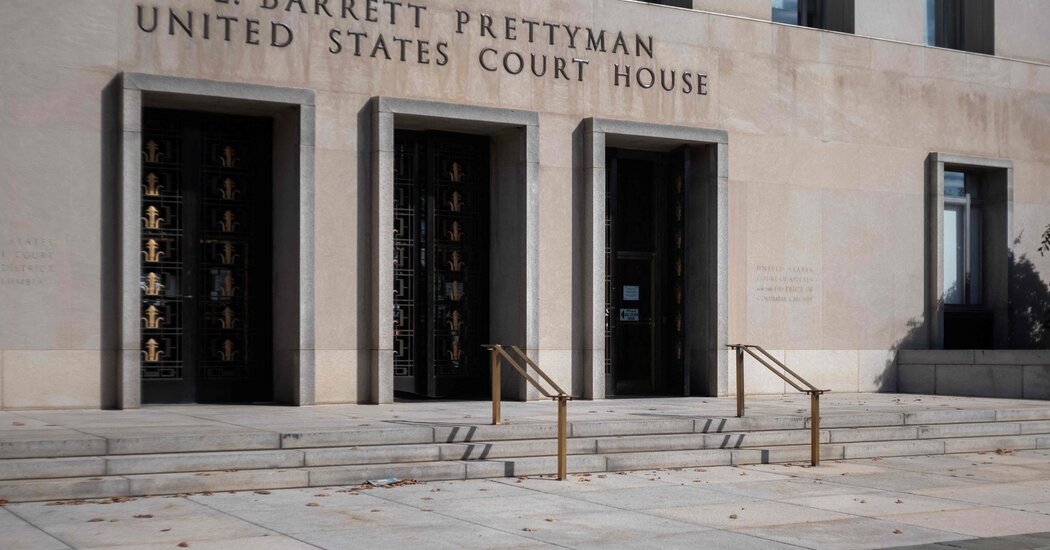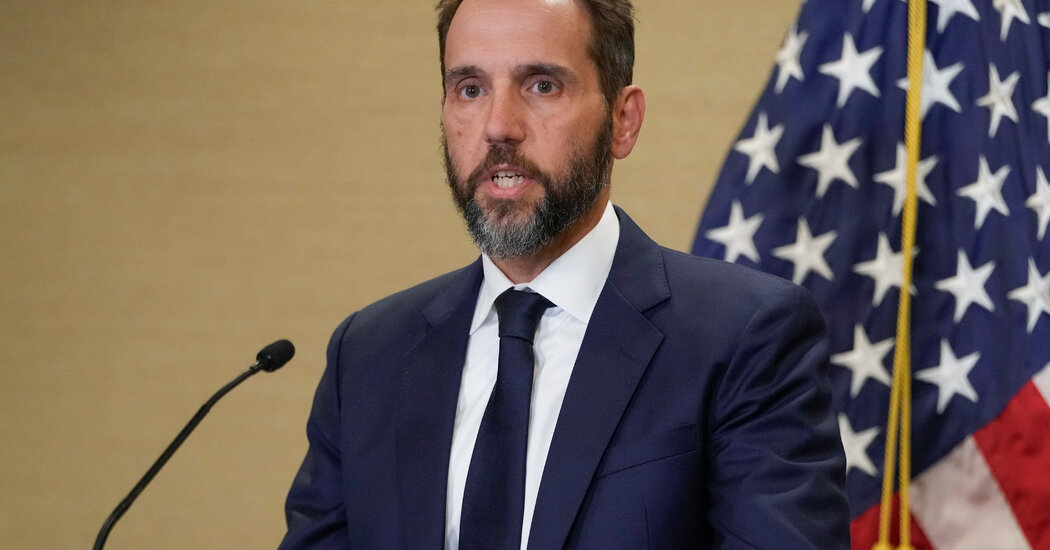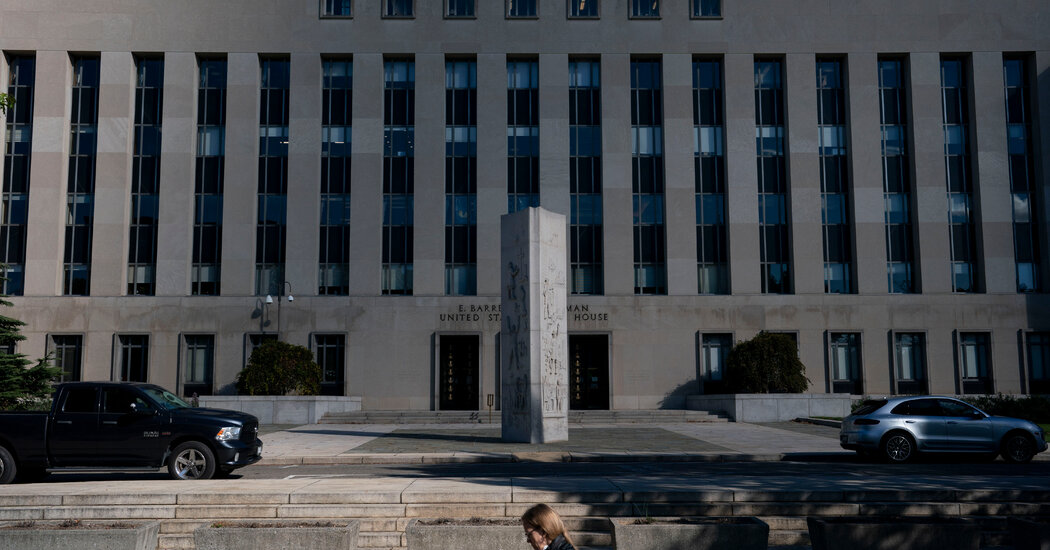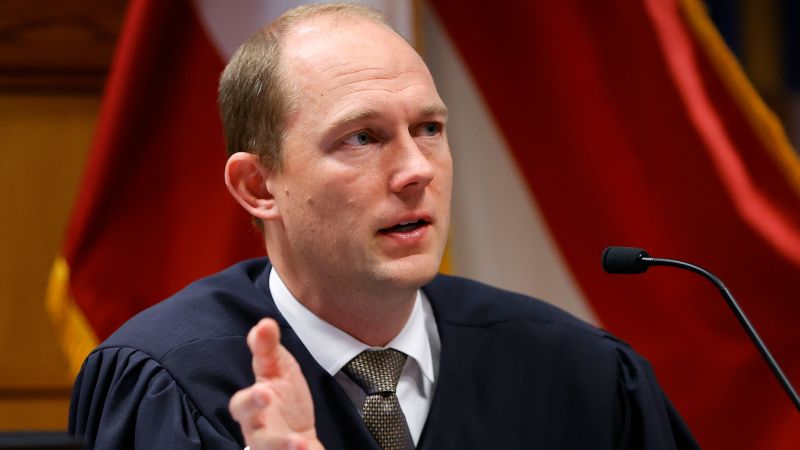
Fulton County Superior Court Judge Scott McAfee says he is on track to rule this week on whether to disqualify District Attorney Fani Willis from prosecuting Donald Trump and co-defendants in the Georgia election subversion case. The decision follows accusations of financial benefit and romantic involvement with her special prosecutor. McAfee emphasized that his ruling will be based on the law and not influenced by politics, expressing personal anticipation for the day he can discuss the historic case with his young children.
Legal expert warns that the Supreme Court's delay in ruling against Donald Trump's presidential immunity claim could result in an unjustified victory for Trump in his election fraud case. The case, stemming from the Capitol riot, has seen Trump indicted on four counts, with the Department of Justice initially focusing on his alleged role in inciting the riot. The Supreme Court is set to hear oral arguments in April, and if it doesn't decisively address the immunity issue, it could lead to prolonged delays, potentially extending past the presidential election.
Jason Murray, a Denver lawyer, and Shannon Stevenson, the solicitor general of Colorado, will argue against Trump's eligibility to run in Colorado, while Jonathan Mitchell, a prominent conservative lawyer, will argue on behalf of Trump. Murray, a Harvard Law School graduate, will make his Supreme Court debut, drawing on his expertise in the historical record around the ratification and implementation of the 14th Amendment. Stevenson will defend Colorado's authority to exclude a candidate from its ballot if deemed ineligible by the state's courts. Mitchell, known for his work on a restrictive Texas abortion law, has advanced the argument that only Congress, not courts, can kick a candidate off the ballot under the insurrection clause.
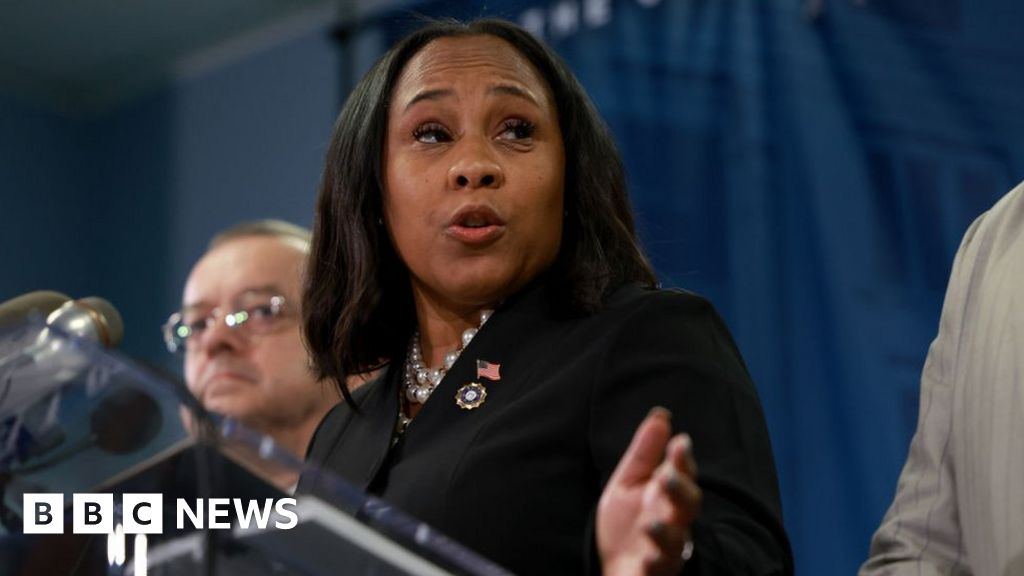
Georgia prosecutors Fani Willis and Nathan Wade, involved in the election case against Donald Trump, have admitted to having a personal relationship, prompting calls for their disqualification from the case due to conflict of interest. Trump and co-defendants allege financial benefit from the relationship, but Willis argues against disqualification, stating that the claims are baseless. The judge has scheduled a hearing to address the claims, and if successful, it could impact the prosecution of Trump and his allies for an alleged conspiracy to reverse Georgia's 2020 election results.
Former President Donald Trump's lawyers have asked the full federal appeals court in Washington to review and potentially narrow or eliminate a gag order imposed on him in the criminal case where he is accused of plotting to overturn the 2020 election. A three-judge panel recently upheld the gag order but made some revisions, allowing Trump more leeway in commenting on potential witnesses and attacking the special counsel overseeing the prosecution. Trump's lawyers argue that the gag order violates his First Amendment rights and that there is no evidence his public comments have resulted in threats or harassment. If the full appeals court rejects his request, Trump may challenge the gag order in front of the Supreme Court.
Former President Donald Trump's lawyers have asked a federal appeals court to avoid setting an expedited schedule in considering whether Trump is immune from charges accusing him of plotting to overturn the 2020 election. They argue that a rushed decision would undermine public confidence in the judicial system. The filing comes after the special counsel requested the same judges to fast-track the appeal. The Supreme Court has also agreed to hear another case related to Trump's prosecution. Trump's legal team is using the immunity appeal to make political attacks against the special counsel and the Biden administration.
A federal appeals court has largely upheld the gag order imposed on former President Donald Trump in the criminal case accusing him of plotting to overturn the 2020 election, but narrowed its terms to allow him to criticize special counsel Jack Smith. The court struck a balance between protecting those involved in the case from Trump's attacks and allowing him to speak his mind while running for office. The ruling permits Trump to assert that the prosecution is a political vendetta and to directly criticize Smith. However, the court found that the lower court's order included more protected speech than necessary. Trump's lawyers have promised to challenge any remaining portions of the order.
An appeals court in Washington has temporarily lifted the gag order imposed on former President Donald Trump in the federal case accusing him of seeking to overturn the 2020 election. The court granted a two-week pause to decide whether to enact a longer freeze and determine if the gag order was correctly imposed. The order, which has been frozen, reinstated, and frozen again, has sparked a battle between prosecutors portraying Trump as a social media abuser and Trump's lawyers arguing it infringes on his First Amendment rights. The pause opens the possibility for Trump to make threatening posts that violated the initial restrictions.
Federal prosecutors have rejected former President Donald Trump's claims of "absolute immunity" from criminal prosecution in the case charging him with conspiring to overturn the 2020 election. The prosecutors argued that Trump's bid for immunity was unsupported by the Constitution, legal precedent, and the principle that no one is above the law. They emphasized that Trump, like any other American, is subject to federal criminal laws. The prosecutors' response was a direct rebuttal to Trump's attempt to have the charges dismissed before trial. Trump's lawyers had argued that the charges were actually efforts to uphold his duty to ensure election integrity. The immunity defense is the first of several motions expected to be filed by Trump's legal team.
A judge has imposed a limited gag order on former President Donald J. Trump, preventing him from publicly attacking witnesses, specific prosecutors, or court staff members involved in the federal case regarding his efforts to overturn the 2020 election. However, the order allows Trump to continue criticizing the Justice Department, President Biden, and even assert that his prosecution is politically motivated. The judge also stated that Trump can go after former Vice President Mike Pence as long as it doesn't touch on Pence's role in the case. Trump's legal team is expected to challenge the order, arguing it infringes on his free speech rights.
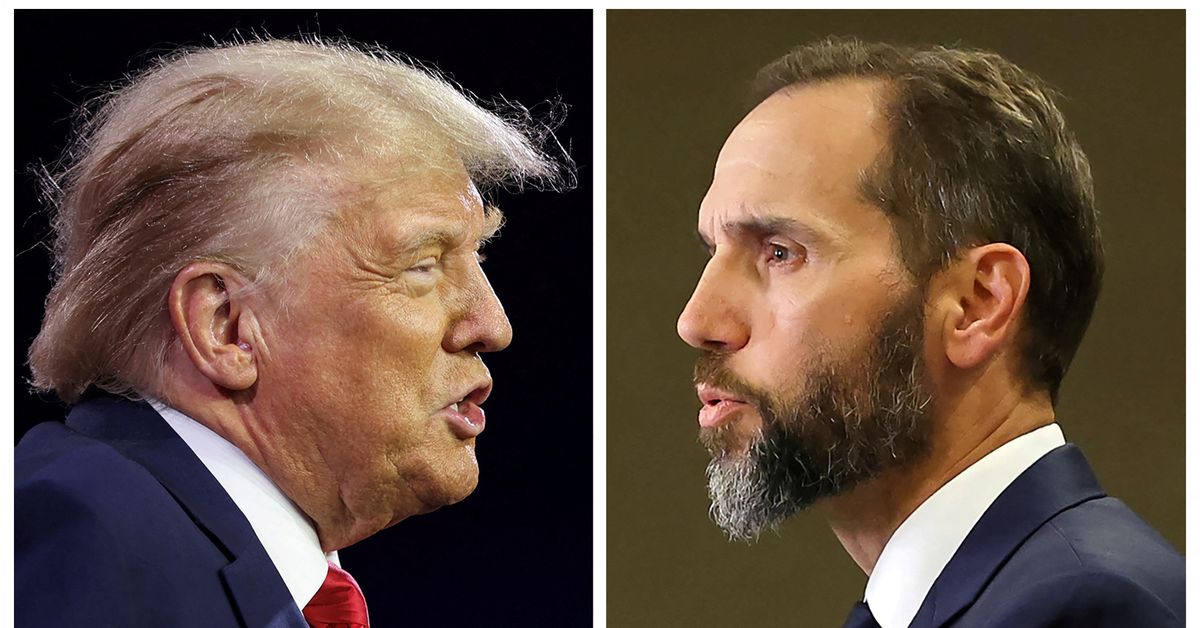
U.S. Special Counsel Jack Smith is seeking limits on former President Donald Trump's statements regarding a court case over his attempt to overturn the 2020 election results. Prosecutors want restrictions on Trump's comments about witnesses, parties, attorneys, court personnel, and potential jurors that are disparaging, inflammatory, or intimidating. The request aims to protect potential jurors from fear of threats and harassment stemming from Trump's public statements. Trump's legal team has until September 25 to respond to the government's request. Trump, who faces four felony counts related to the election, has accused President Joe Biden's administration of trying to impose a gag order on him.
A retired judge suggests that Donald Trump's legal team is requesting the recusal of U.S. District Judge Tanya Chutkan from his election obstruction case because they are "really afraid" that she will be the sentencing judge if he is convicted, based on her previous responses to convicted individuals. However, the retired judge doubts that Chutkan will recuse herself, as she has shown fairness in previous cases.
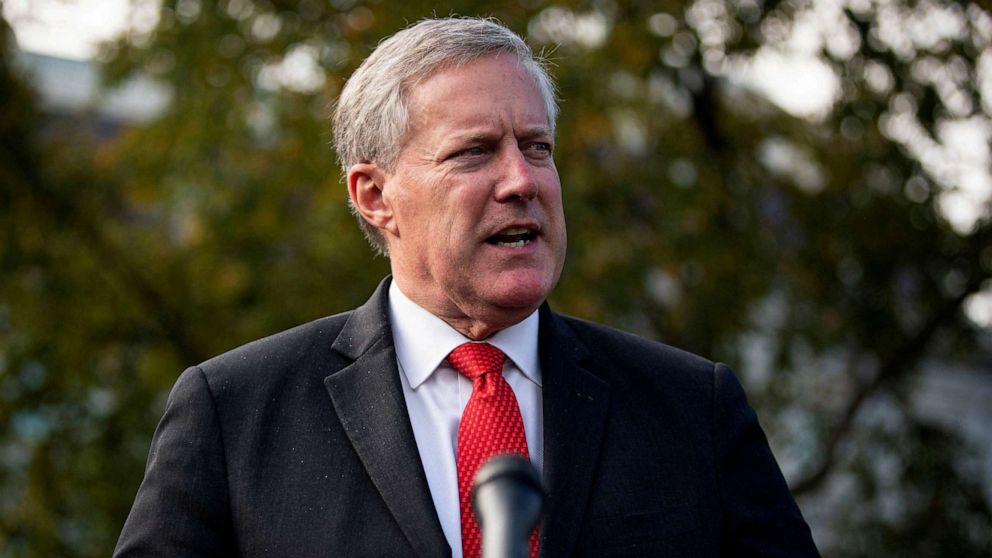
Former White House Chief of Staff Mark Meadows has filed to move the case brought against him by Fulton County District Attorney Fani Willis into federal court, following his indictment along with former President Donald Trump and 17 others on charges related to attempting to overturn Trump's election loss in Georgia. Meadows' attorney argues that federal law requires the removal of criminal proceedings brought in state court when someone is charged for actions taken as a federal official. Meadows intends to file a motion to dismiss the indictment, and moving the case to federal court would temporarily halt the state-court proceedings against him.
Federal prosecutors have requested a protective order in former President Donald Trump's election case, asking the judge to prevent him from publicly disclosing sensitive evidence gathered during the investigation. The special counsel's office argues that such a restriction is necessary due to Trump's previous public statements on social media regarding witnesses and others involved in legal matters against him. Prosecutors also cite a recent threatening post by Trump as a reason to limit his use of discovery materials, as it could potentially harm witnesses and obstruct the fair administration of justice. Trump's attorneys are expected to respond to the proposed protective order.
Former President Donald Trump claims he will take the witness stand and "have fun" at what he calls "the trial of the century" as he faces an expected federal indictment over his efforts to overturn the 2020 election. Trump alleges prosecutorial misconduct and accuses the Department of Justice of interfering in the 2024 election. However, it is rare for defendants in criminal cases to testify, and Trump did not testify in his recent civil trial. In addition to the potential federal indictment, Trump is also set to stand trial in New York state court on charges related to falsifying business records.