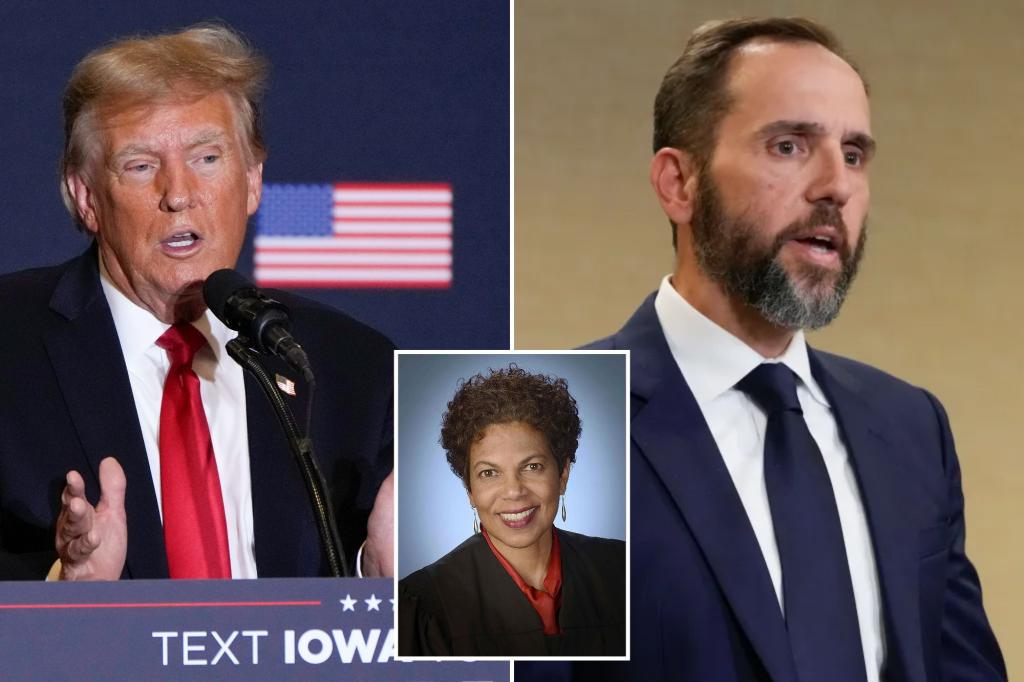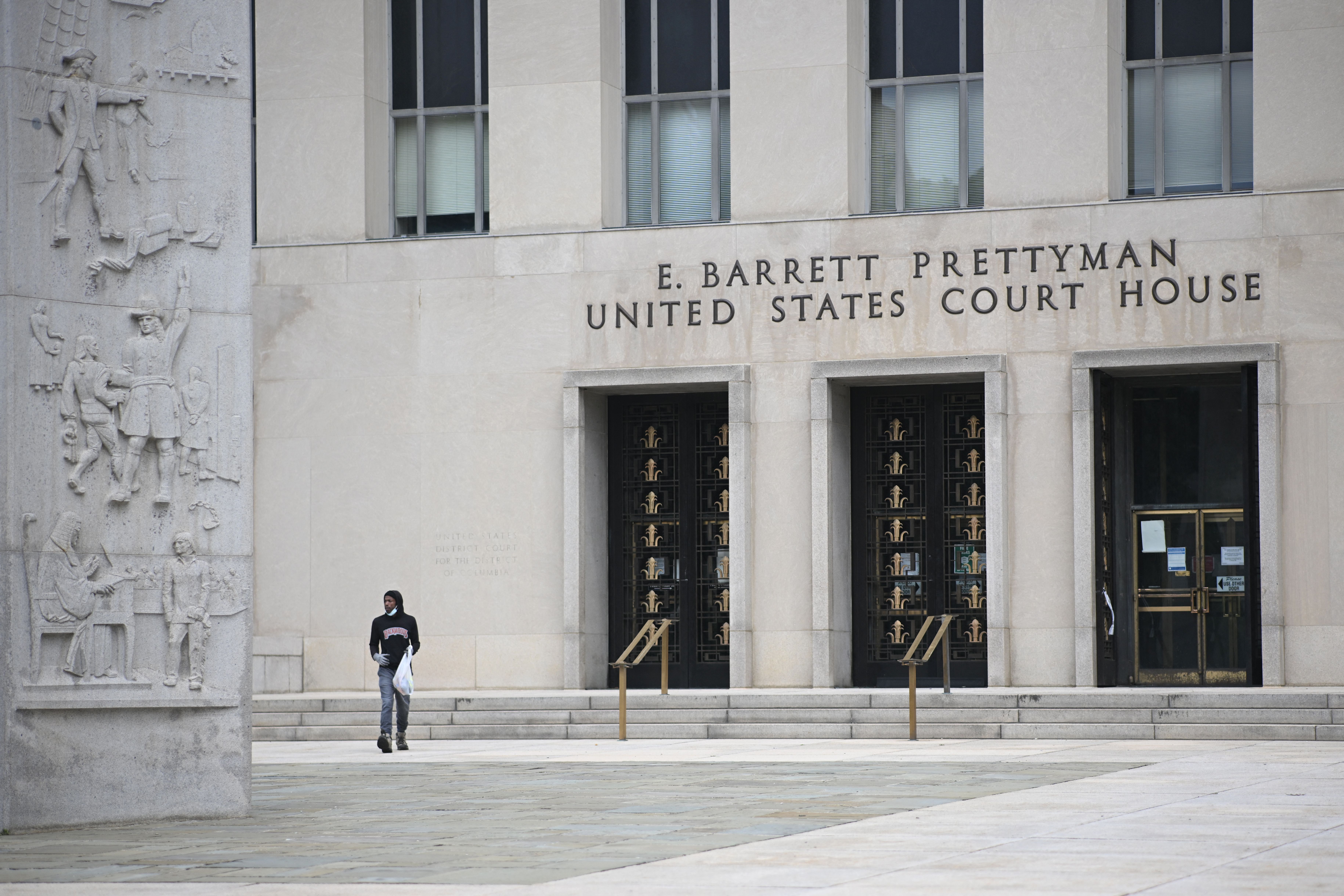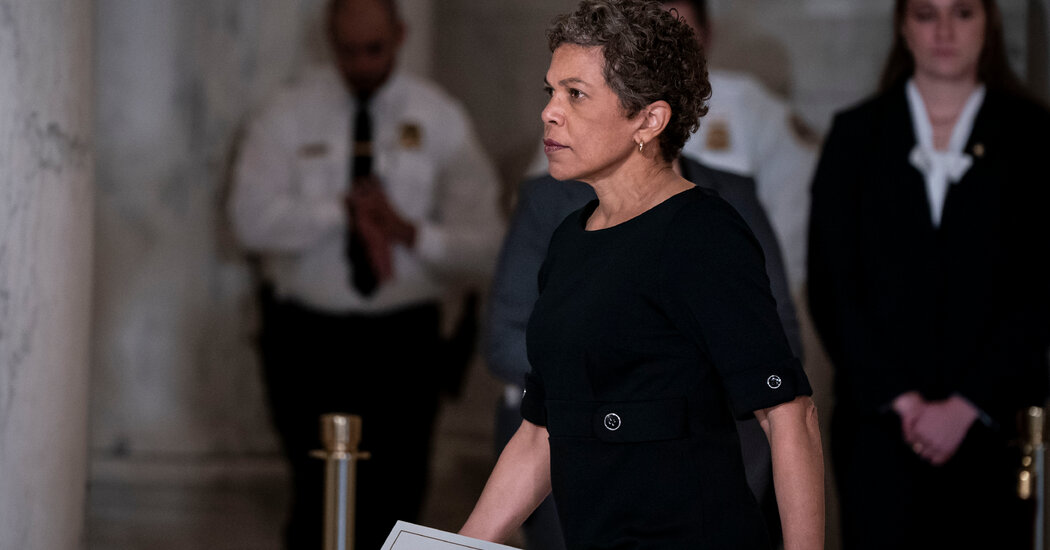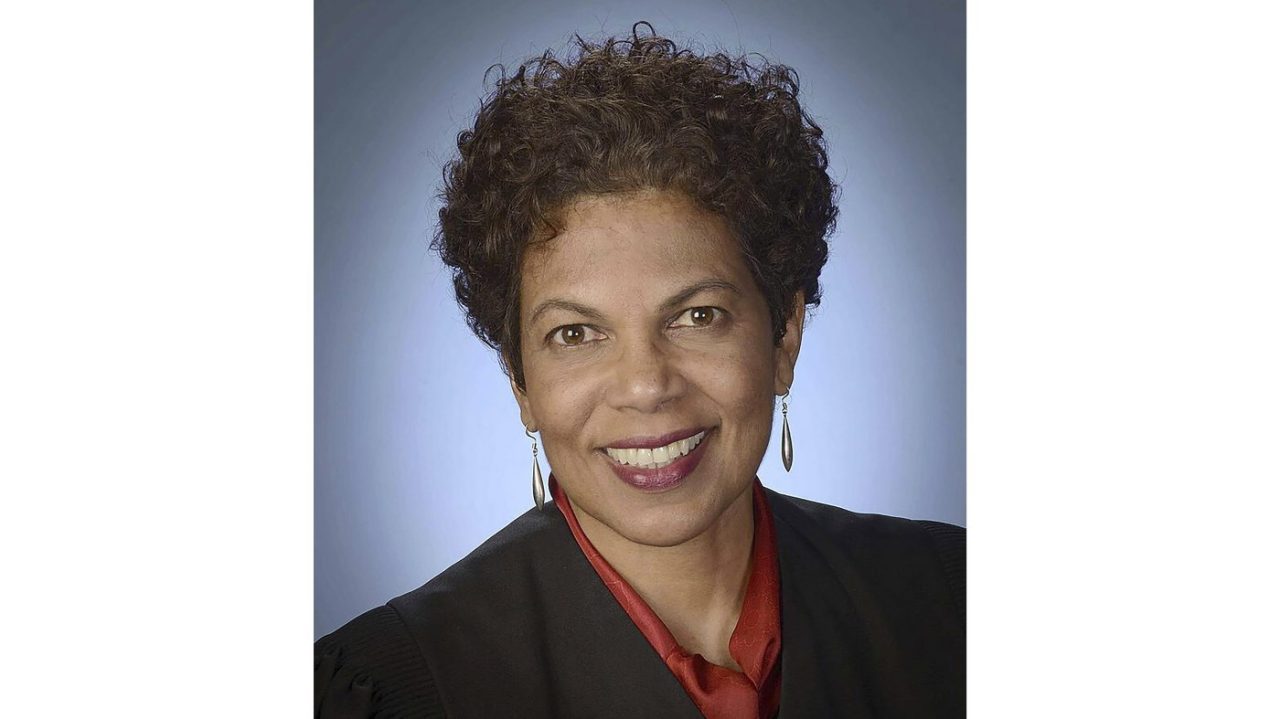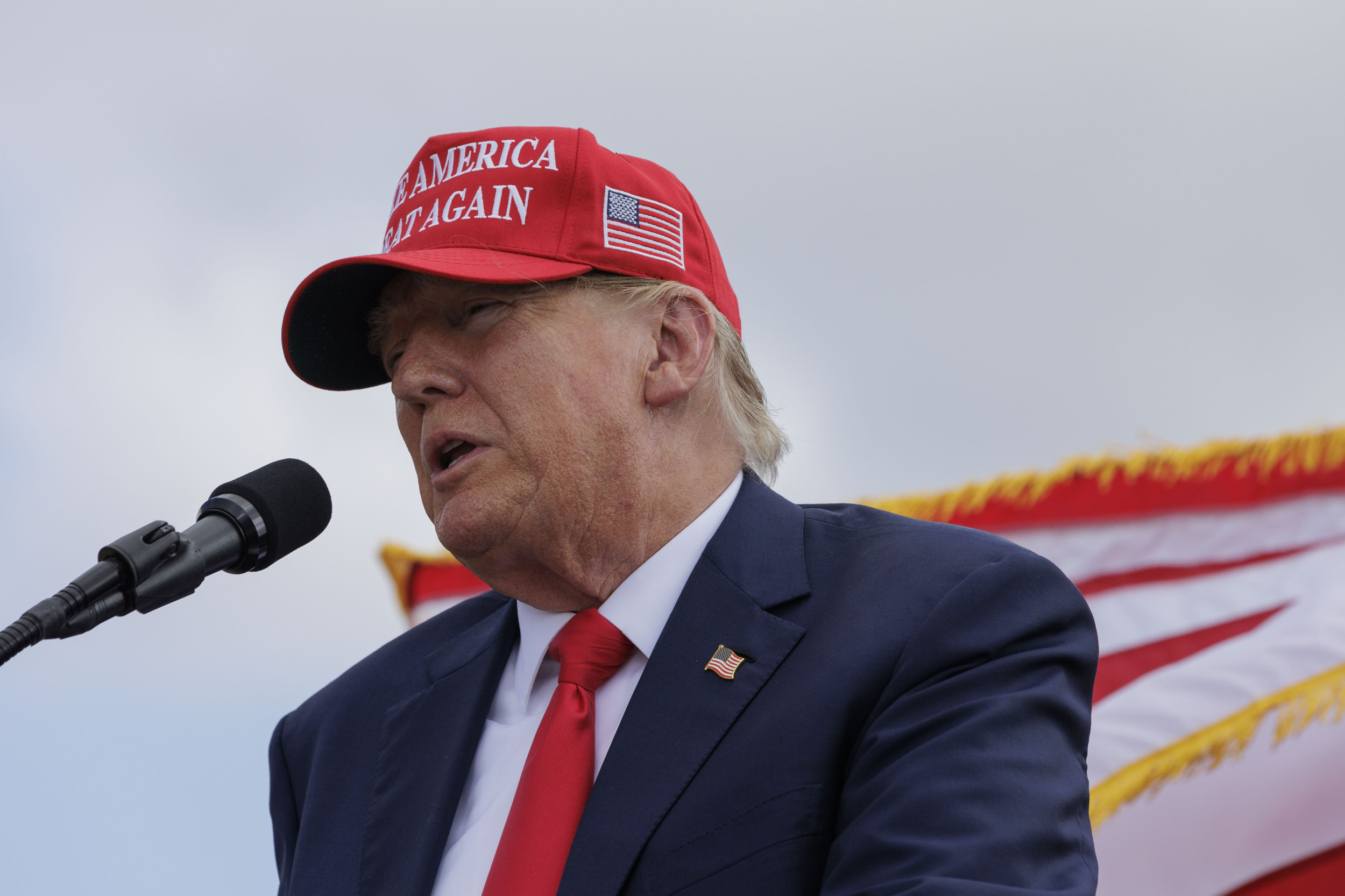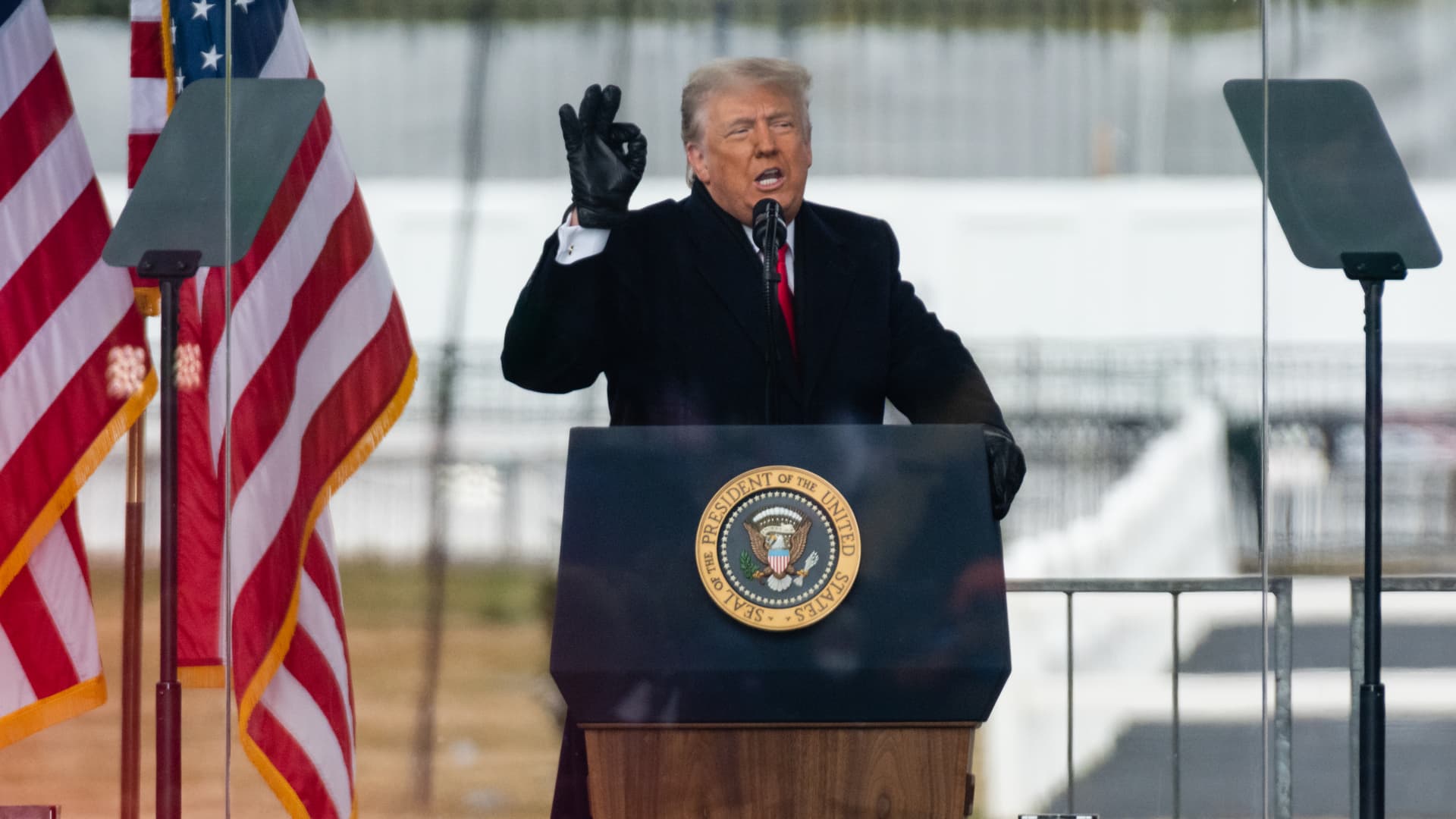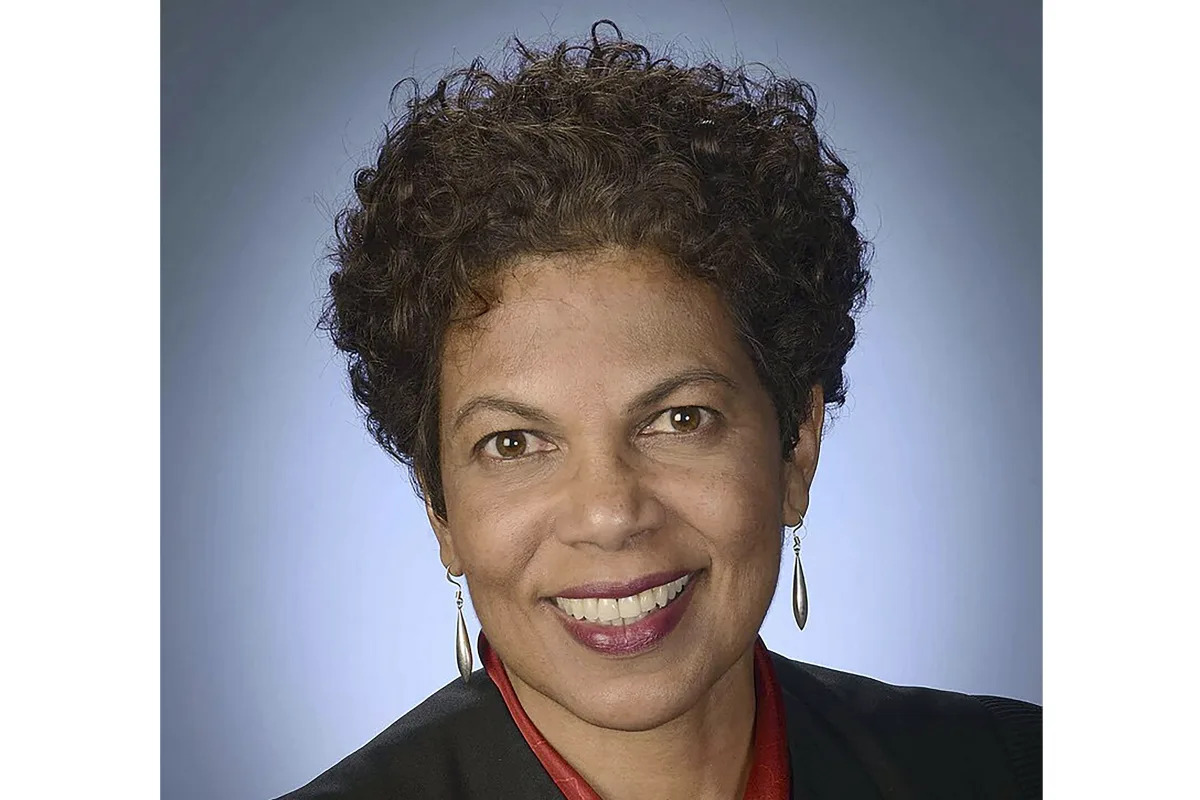
Judge Tanya Chutkan overseeing former President Donald Trump's election interference case rejected the "hostages" label for jailed Capitol riot defendants, emphasizing that they are being held because they are dangerous. She sentenced Antony Vo, a rioter, to nine months in prison, noting his lack of remorse. Chutkan has been known for handing down harsher sentences to Capitol rioters and has placed Trump's trial on hold while he pursues claims of immunity from prosecution.
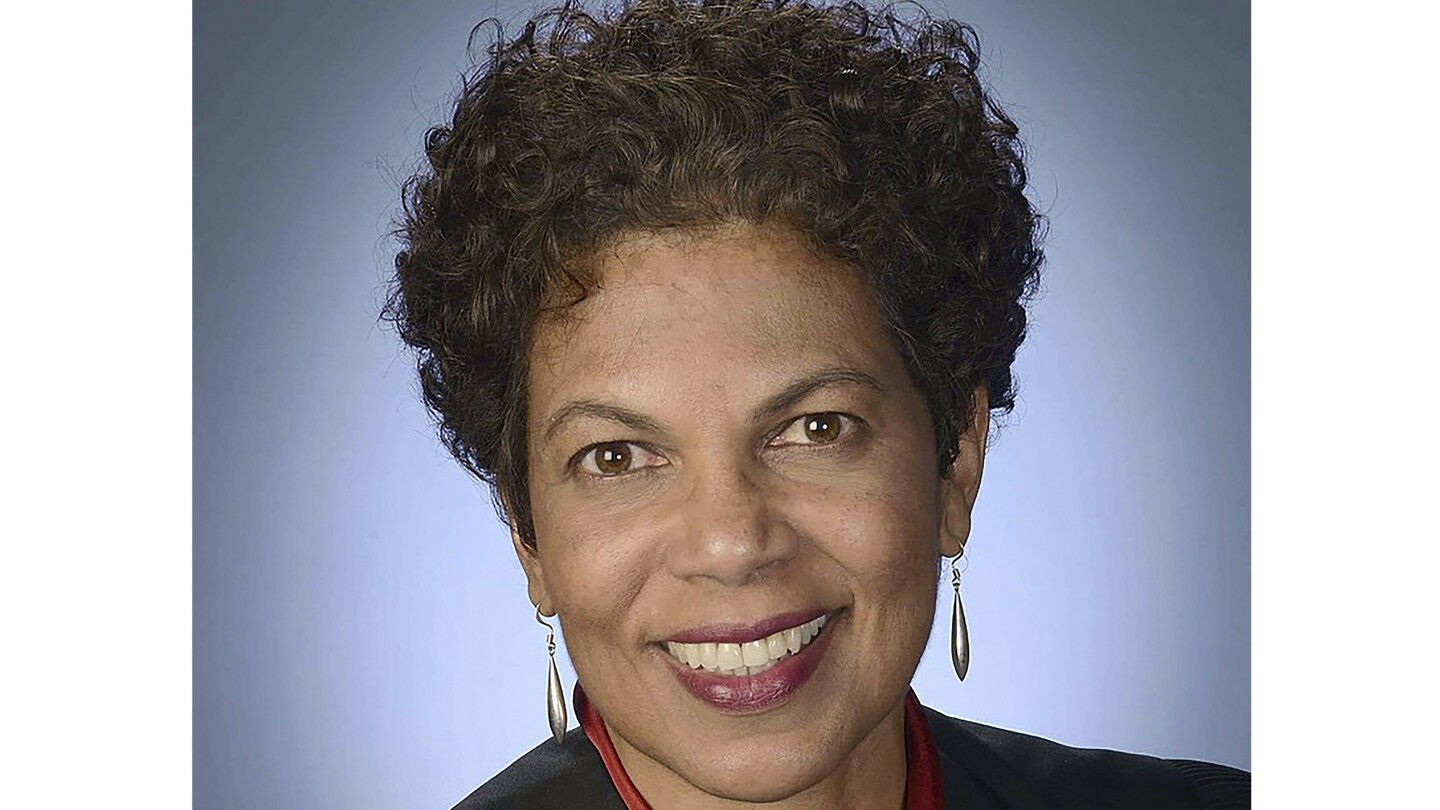
Judge Tanya Chutkan overseeing the Capitol riot cases rejects the characterization of jailed defendants as "hostages," emphasizing that they are being held due to their dangerous actions. Former President Donald Trump and his allies have referred to the defendants as "hostages," with Trump making contributions and speaking at fundraisers for them. Chutkan sentenced Antony Vo, a Capitol riot defendant, to nine months in prison, emphasizing his lack of remorse and refusal to accept responsibility. Chutkan has been noted for handing down harsher sentences to Capitol rioters compared to other judges.
The federal judge overseeing Donald Trump's criminal case has officially canceled the March 4 trial date due to the lingering uncertainty surrounding the case, stemming from Trump's bid to subvert the 2020 election. Judge Tanya Chutkan indicated that she will reschedule the trial "if and when" the immunity issue is settled, with expectations that the trial, if it occurs, will last for several months. Evidentiary motions and pretrial proceedings are on hold while the D.C. Circuit Court of Appeals mulls the immunity question, leading to further delays in the case.
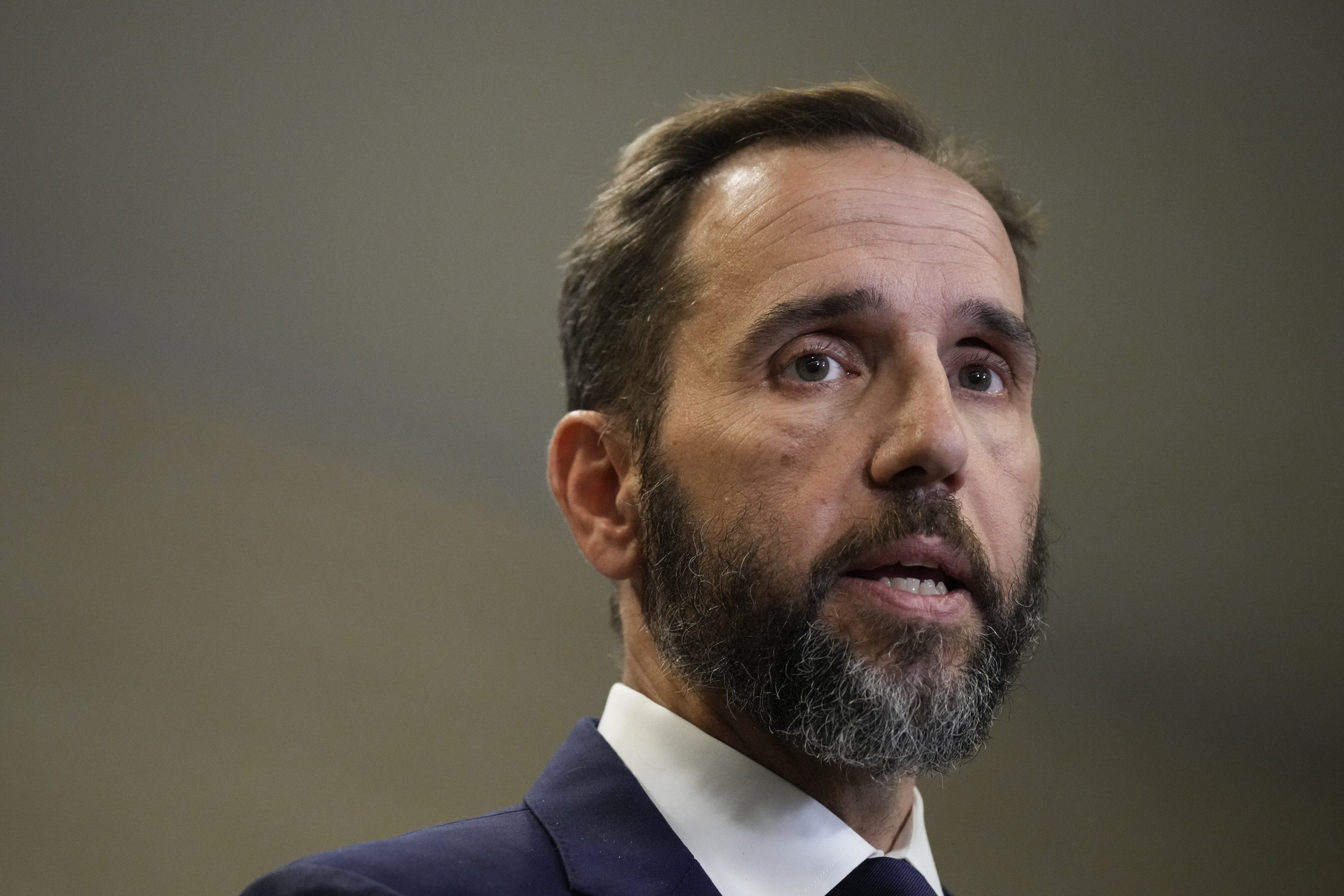
Judge Tanya Chutkan denied Donald Trump's request to hold special counsel Jack Smith's office in contempt but hinted at a potential delay in the trial start date for Trump's 2020 election indictment. The judge clarified her stay order, preventing additional filings without court permission, and suggested that adjustments to the trial schedule might be necessary. Despite Trump's legal team's plea, the judge did not disclose plans to change the trial start date, and key dates in the proceedings are at risk.
U.S. District Judge Tanya Chutkan has imposed new rules on special counsel Jack Smith in Donald Trump's election subversion case, requiring him to seek court permission before filing substantive pretrial motions. Chutkan partially denied Trump's requests to hold Smith in contempt or compensate him for damages, but agreed that Smith's team's filing burdened Trump's defense counsel. Trump continues to argue for presidential immunity, with a federal appeals court expected to rule on the matter soon.
The federal criminal trial against Donald Trump for attempting to subvert the 2020 presidential election is likely to be delayed as the judge hinted that the March 4 trial date is unlikely to hold due to Trump's appeal on "presidential immunity" grounds. The judge barred substantive new motions while Trump's appeal is pending and suggested that the time elapsed during the appeal may not be counted against him. Critical trial-related deadlines have already passed, and potential jurors' reporting date is in jeopardy. Trump is also scheduled to go on trial in another case in Florida in May.
Judge Tanya Chutkan and special counsel Jack Smith, involved in former President Donald Trump's federal election case, were targeted in apparent "swatting" incidents, with false reports of shootings at their homes. Judge Chutkan also received a racist death threat. These incidents highlight the potential threats faced by individuals involved in high-profile cases, and come amid ongoing verbal attacks by Trump and others.
Federal Judge Tanya Chutkan, overseeing the criminal election interference case against former President Trump, was the victim of "swatting," a false shooting report that prompted a police response. This incident is part of a series of high-profile swatting attacks targeting public figures, including politicians and government officials, prompting Attorney General Merrick Garland to denounce the spike in threats as unacceptable and a threat to democracy.
A fake emergency call targeted the home of U.S. District Judge Tanya Chutkan, who is overseeing the federal election subversion case against former President Donald Trump, in the latest incident of swatting directed at high-profile public officials. This comes after a spike in swatting incidents targeting public officials' homes and bomb threats at state capitols and courthouses, prompting lockdowns and evacuations. Attorney General Merrick Garland called the threats "deeply disturbing" and emphasized that they are unacceptable and threaten the fabric of democracy.
U.S. District Court Judge Tanya Chutkan's gag order on Donald Trump in his election interference case is expected to be extended by a three-judge panel, potentially strengthening her ability to enforce it. The order, which bans Trump from targeting court staff, special counsel Jack Smith, his team, or potential witnesses, was briefly lifted but quickly reimposed after Trump used the time to criticize Mark Meadows. Trump's legal team is seeking to overturn the gag order entirely. In a separate civil fraud trial, Trump's gag order was lifted, but he was fined twice for breaking it.
A judge has denied former President Donald Trump's request to remove allegedly "inflammatory" language from the federal indictment charging him with crimes related to the January 6 Capitol riot. Trump objected to sections of the indictment suggesting he incited the riot by making false claims about election fraud and urging supporters to march to the Capitol. The judge ruled that Trump's lawyers failed to show that the language was prejudicial to him. The trial is set to begin in March, and the judge stated that the jury selection process will address any potential prejudice caused by pretrial publicity. Trump has pleaded not guilty to the charges.
Judge Tanya Chutkan overseeing the federal election subversion case against Donald Trump has set pre-trial deadlines and procedures for jury selection, including the handling of jury questionnaires. While prosecutors and defense attorneys can conduct open-source research on potential jurors, they are prohibited from directly contacting anyone or sharing juror information with third parties, including Trump's campaign. Trump's attorneys have asked for a pause in the case, arguing presidential immunity, while prosecutors have raised concerns about Trump potentially tainting the jury pool through his social media posts. Chutkan has issued a narrow gag order limiting what Trump can say about potential witnesses.
The judge overseeing former President Donald Trump's Jan. 6 case has reinstated the gag order she imposed on him, temporarily halting it earlier this month. Trump is facing charges related to his alleged involvement in a "criminal scheme" to overturn the 2020 election results.
Judge Tanya Chutkan may have to reimpose a gagging order on Donald Trump after he openly discussed a potential key witness on social media. Trump continues to claim that the 2020 election was stolen and commented on attorney Sidney Powell, his co-defendant in the Georgia election tampering case. Powell, who took a plea deal last week, may now have to testify against Trump in both the Georgia and federal cases. Chutkan is considering whether to stay the gagging order while Trump appeals it to a higher federal court.
A federal judge in Washington, DC, has placed a limited gag order on former President Donald Trump in the election subversion case, following his continued attacks against potential witnesses, prosecutors, and the court. The order prohibits Trump from making certain comments about the special counsel's team or potential witnesses, with the judge expressing concern about language that presents a danger to the administration of justice. While Trump can criticize President Biden and his administration, the judge emphasized that there are limits to using highly charged language. Violations of the gag order could result in penalties such as admonishment, financial penalties, home detention, or revoking pretrial release. Trump plans to appeal the ruling.