
Ancient bird-like dinosaurs nested communally, study shows.
TL;DR Summary
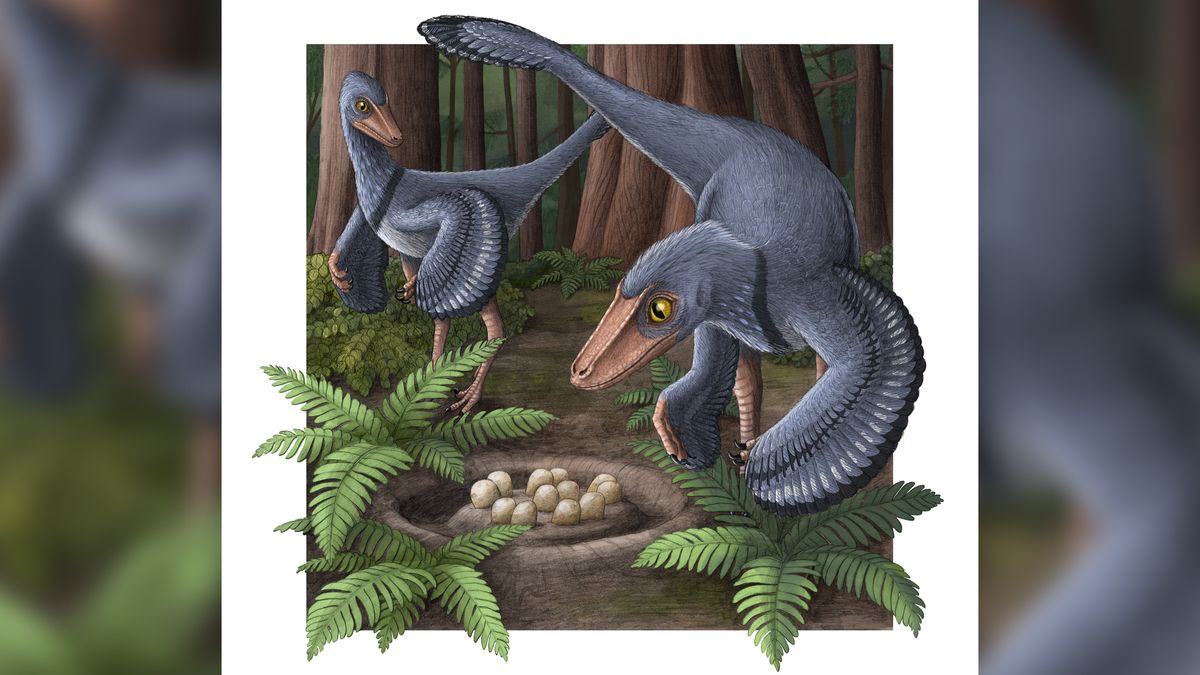
Fossilized eggshells have revealed that Troodon, a bird-like dinosaur that lived up to 74 million years ago, shared communal nests where several female nestmates often laid more than 20 eggs together, which these feathery dinos then brooded to keep warm. The dinosaurs were endotherms, meaning they were warm-blooded and could self-regulate their body temperature. They could probably switch between a warm-blooded state and a state of cold-blooded torpor — a strategy common in modern birds, called heterothermy. The finding sheds light on the evolutionary transition from cold-bloodedness to endothermy in dinosaurs.
- Clever, bird-like dinosaurs that lived 74 million years ago got cozy in communal nests, study suggests Livescience.com
- Troodons laid eggs in communal nests just like modern ostriches Popular Science
- Analysis of dinosaur eggshells: Bird-like Troodon laid 4 to 6 eggs in a communal nest Phys.org
- What fossil eggs found in Alberta reveal about how dinosaurs became birds CBC News
- Dinosaur species laid eggs like reptiles, brooded like birds, new study finds Global News
- View Full Coverage on Google News
Reading Insights
Total Reads
0
Unique Readers
0
Time Saved
4 min
vs 5 min read
Condensed
89%
813 → 91 words
Want the full story? Read the original article
Read on Livescience.com