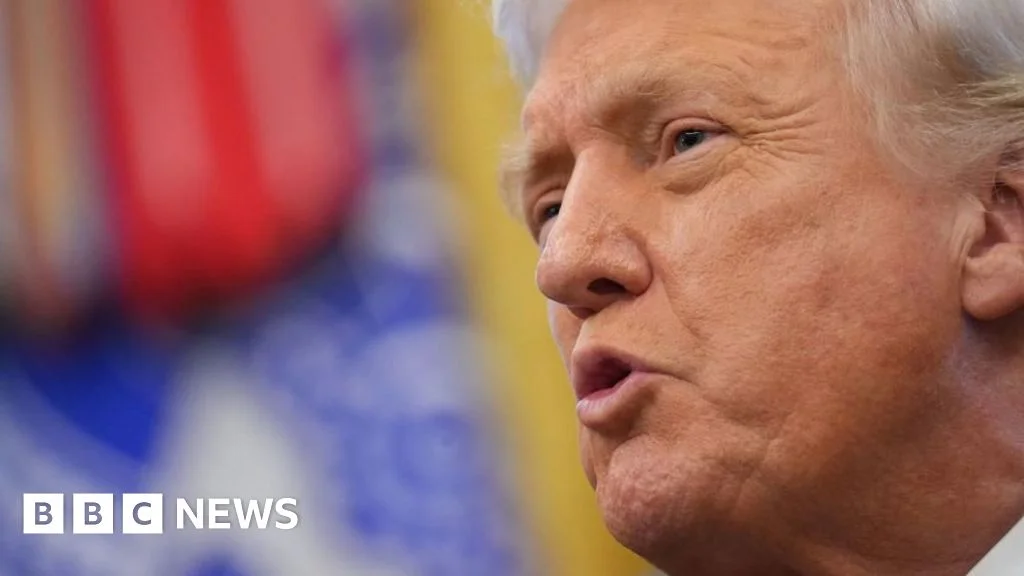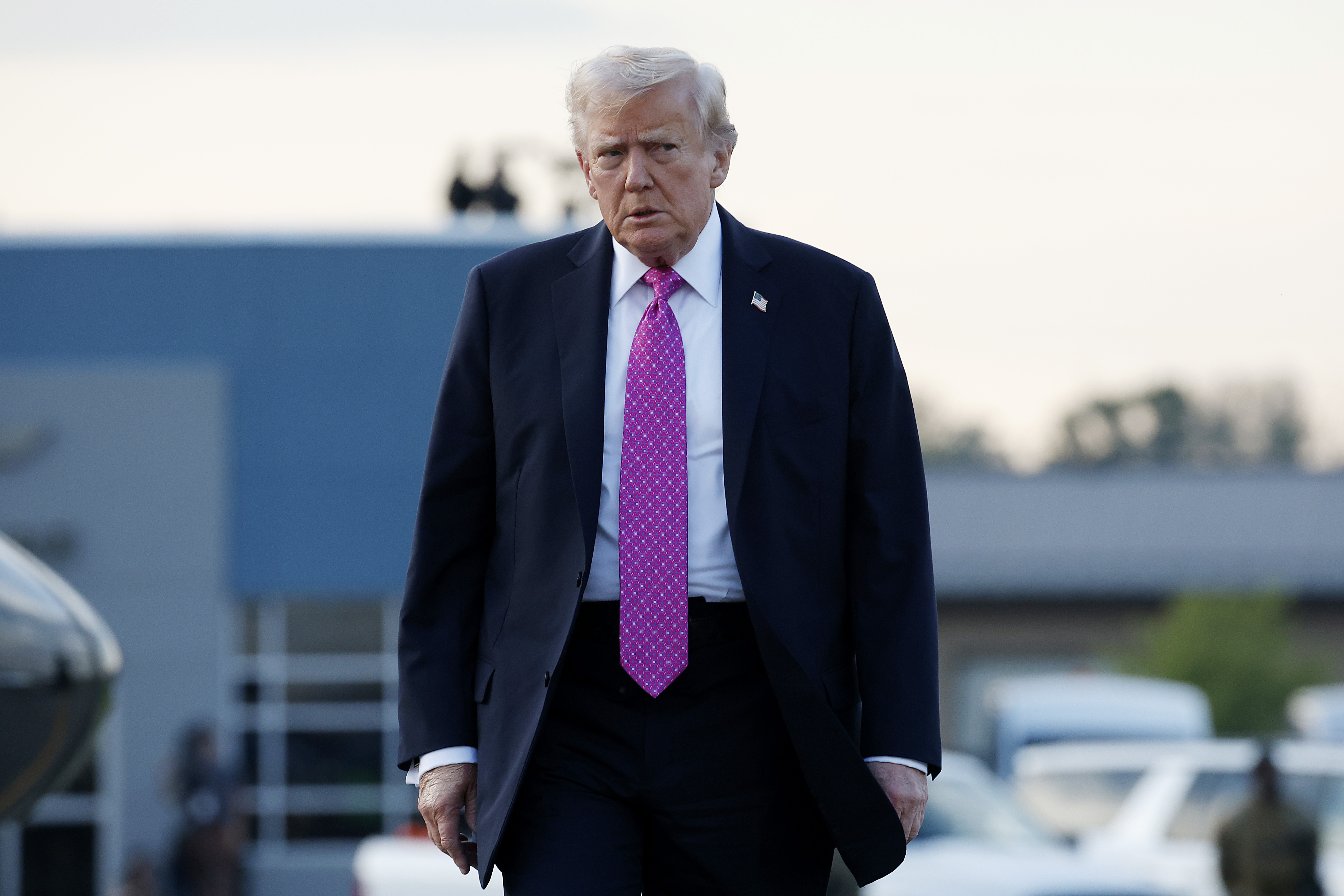
The BBC plans to fight Donald Trump's $5 billion defamation lawsuit over a Panorama documentary, citing legal grounds and the importance of defending its journalism, despite high costs and potential distractions. The case hinges on jurisdiction and malice claims, with the BBC asserting it did not broadcast in the US and that the edit was unintentional. The outcome could impact the BBC's reputation, legal strategy, and US audience engagement, amid broader concerns about media freedom and legal battles involving US outlets.
President Donald Trump has threatened to sue the BBC for up to $1 billion over a documentary that he claims made false and defamatory statements about him, specifically regarding edited speech clips related to the Capitol riot. Legal experts suggest that Trump's case faces significant hurdles due to US free speech laws, the need to prove actual malice, and jurisdiction issues, especially since the documentary aired in the UK and may not have been shown in the US. While Trump has a history of suing media outlets, winning such a large damages award appears unlikely given the legal standards and the nature of the alleged misconduct.
Legal experts agree that President Trump's defamation lawsuit against The New York Times is meritless and likely a political move rather than a legal one, with many emphasizing the strong First Amendment protections for press freedom and the high legal standards Trump would need to meet to succeed.
Donald Trump filed a $15 billion lawsuit against The New York Times and others, alleging decades of false reporting, amid ongoing political and legal battles, including investigations into the Charlie Kirk case and upcoming Senate hearings on FBI chief Kash Patel and the Fed. The lawsuit highlights Trump's ongoing efforts to challenge media narratives and his administration's stance on free speech and political violence.
Slovakia's Prime Minister Robert Fico remains hospitalized in serious condition after an assassination attempt, as political tensions in the country continue to escalate. Despite calls for unity, divisions persist, particularly over a controversial media law proposed by the government.
Freelance journalist Tim Burke has been indicted on 14 counts, including conspiracy and wiretapping, for accessing internal video footage from media companies, including Fox News. Prosecutors allege that he used compromised credentials to access the footage, which was later published by Vice and Media Matters. Burke's attorneys argue that his actions were legal and akin to using publicly available login credentials, while some media law observers believe he may be the victim of an overzealous application of computer laws.
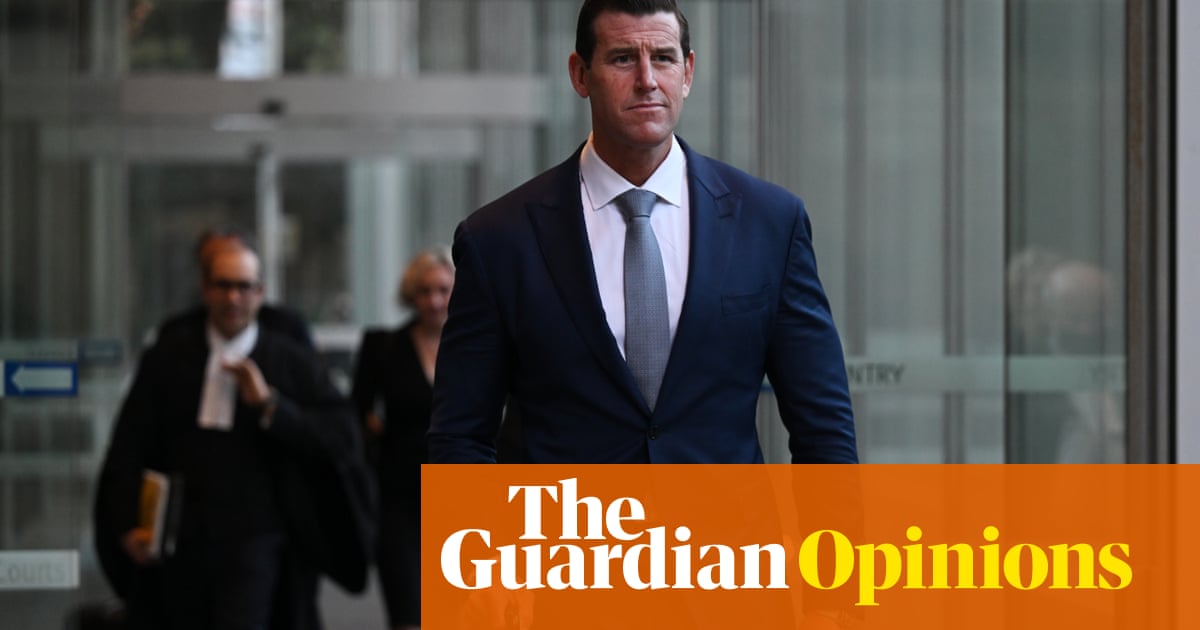
The recent defamation case brought by Ben Roberts-Smith highlights the enduring significance of truth for public interest journalism and the centrality of truth as a defamation defence. The case also reveals the failure of Australian media law to protect media freedom and the reliance placed upon exemplary public interest journalism to ensure that our democracy functions and that our institutions and the powerful are held to account. The outcome of this case illustrates why media freedom requires greater recognition within Australian media law.
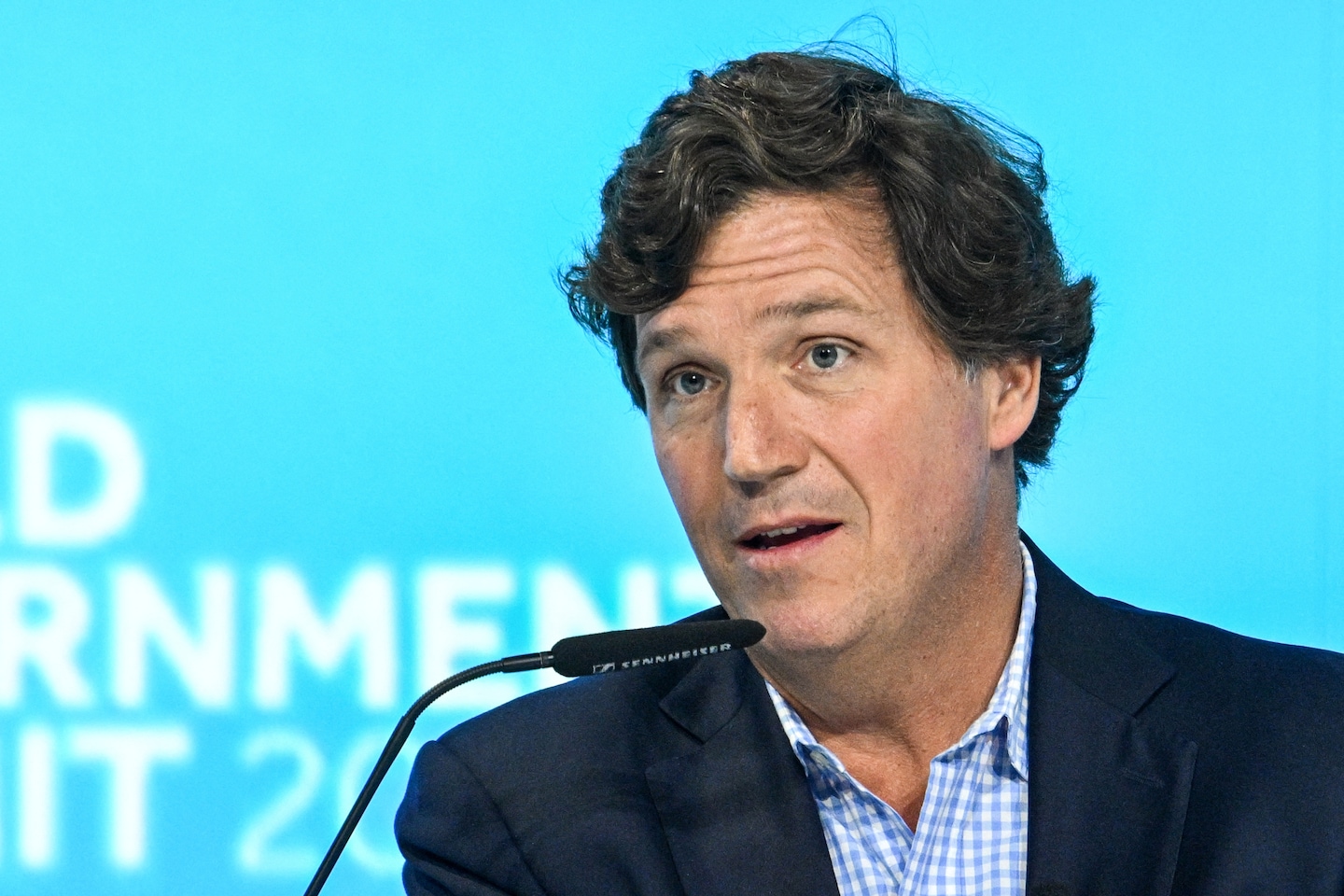
Tucker Carlson and Don Lemon have hired Bryan Freedman, a prominent Hollywood lawyer known for getting multimillion-dollar settlements for TV stars and other celebrities. Freedman has represented high-profile clients in the entertainment industry, including Quentin Tarantino, Julia Roberts, and Seth Rogen. He currently represents Chris Cuomo, the former CNN anchor seeking $125 million for wrongful termination. Carlson and Lemon's decision to hire Freedman suggests possible legal battles ahead after their recent departures from top cable networks.
Fox News is set to face a defamation lawsuit filed by Dominion Voting Systems in a Delaware courtroom on Monday. Dominion accuses Fox News of airing false claims that the company helped rig the 2020 US presidential election in favor of Joe Biden. The trial could have broad ramifications for the network and test the contours of modern media law.
The Dominion Voting Systems trial against Fox News begins on Monday, determining whether the network can be held financially liable for publishing the false claim that voting machines rigged the 2020 election. Dominion is seeking $1.6 billion in damages and must convince the jury that Fox News and its parent company, Fox Corp., acted with “actual malice” when it aired those conspiracy theories. A victory for Fox News may fuel lawmakers’ efforts to limit the protections media outlets enjoy, while a victory for Dominion could fuel copycat lawsuits. The trial is expected to last 5-6 weeks.