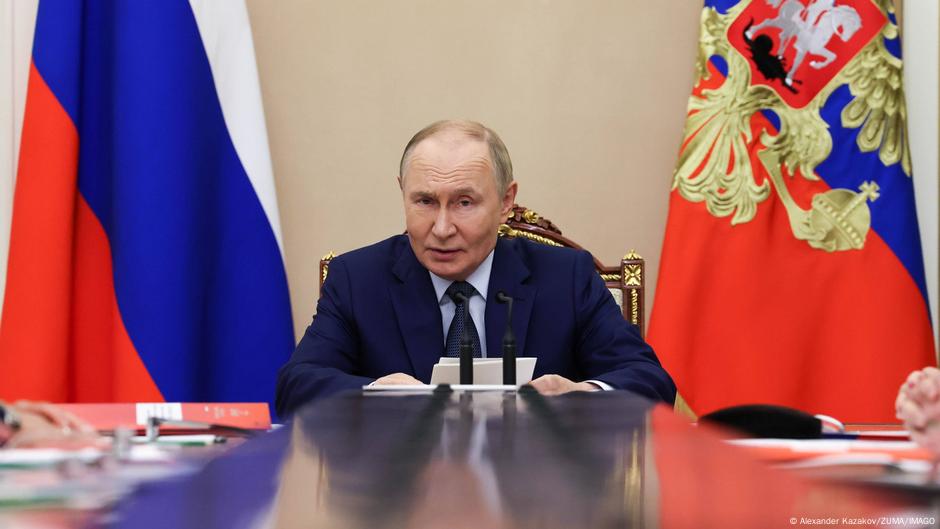
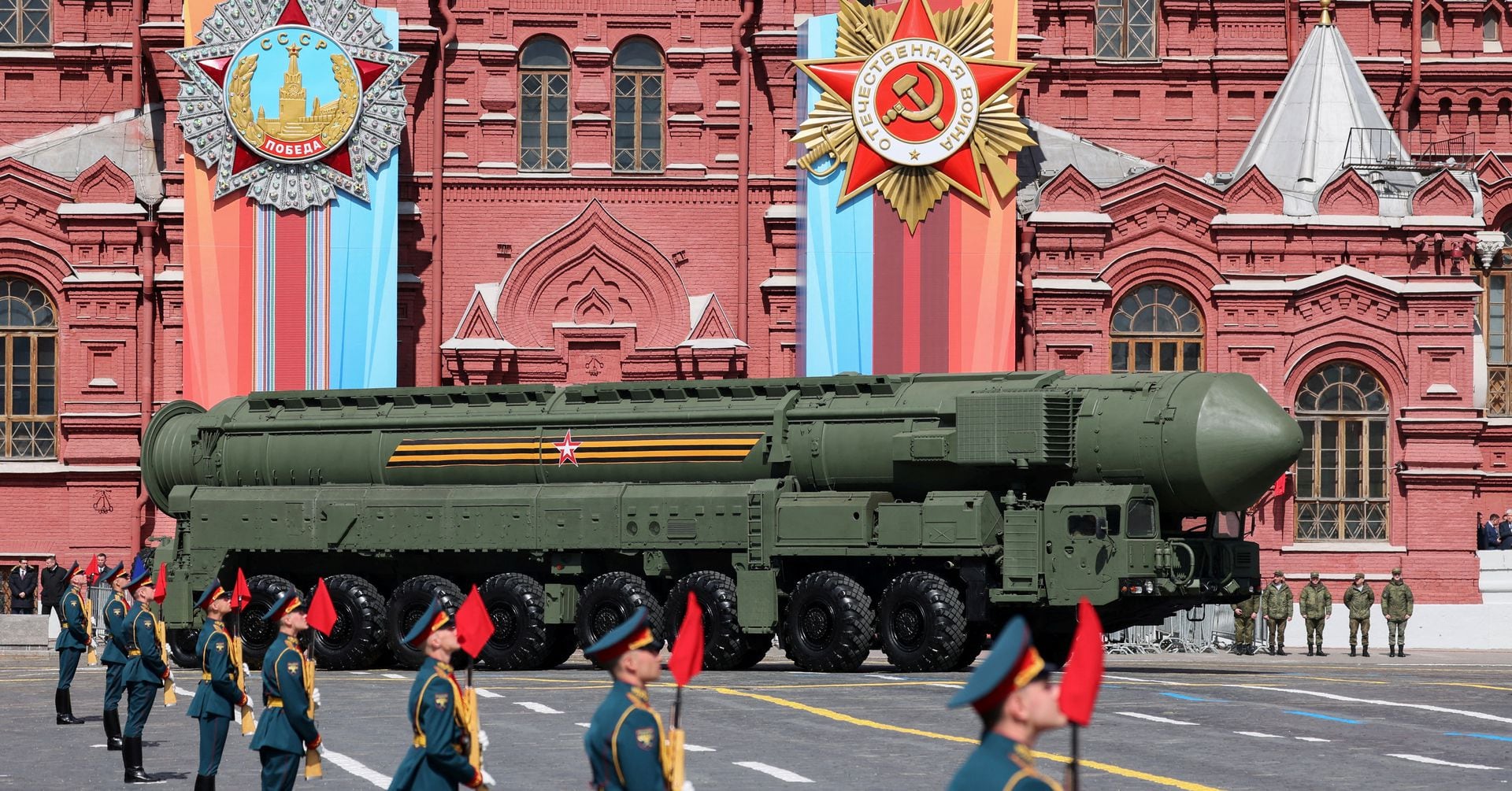
Russia's economy is facing increasing pressure due to declining oil revenues, mounting budget deficits, and the need for tax hikes and spending cuts, which may push Putin towards seeking a peace deal amid growing economic instability and potential sanctions escalation.
Russia's GDP rebounded by 3.6% in 2023, driven by soaring military spending, but economists warn that this growth is masking wider economic issues. The reliance on state-funded arms production is not benefiting the civilian economy, and real wages are set to drop. Despite President Putin's optimism, the economy is showing signs of overheating, with high inflation and labor shortages. The IMF predicts Russia's economy to outpace G7 countries this year but fall to 1.1% growth next year, well below other advanced economies.
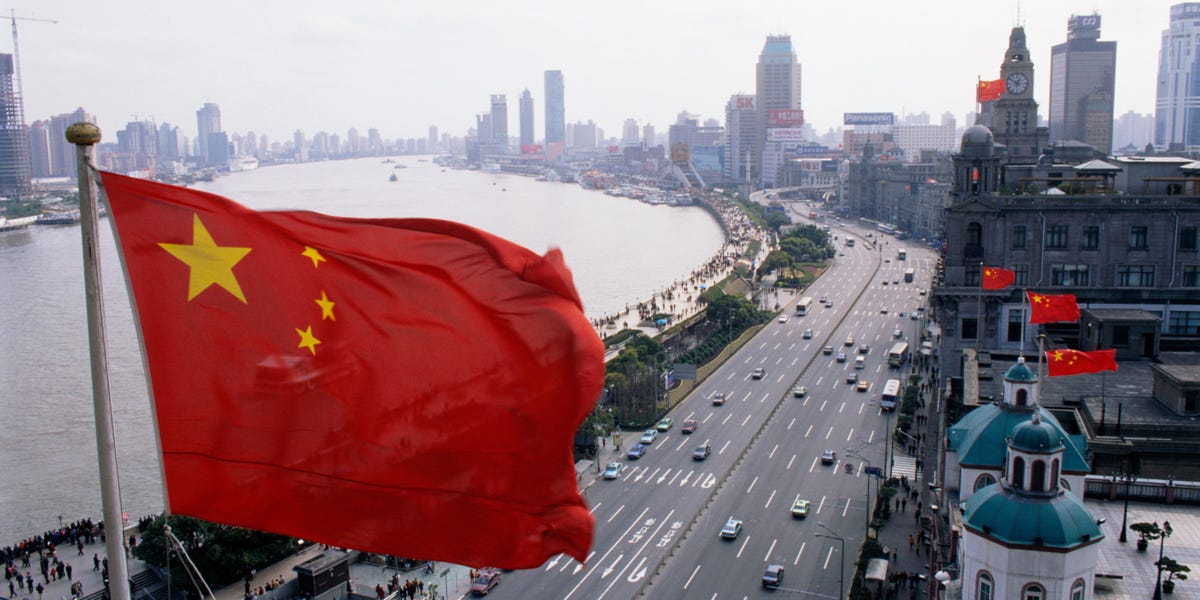
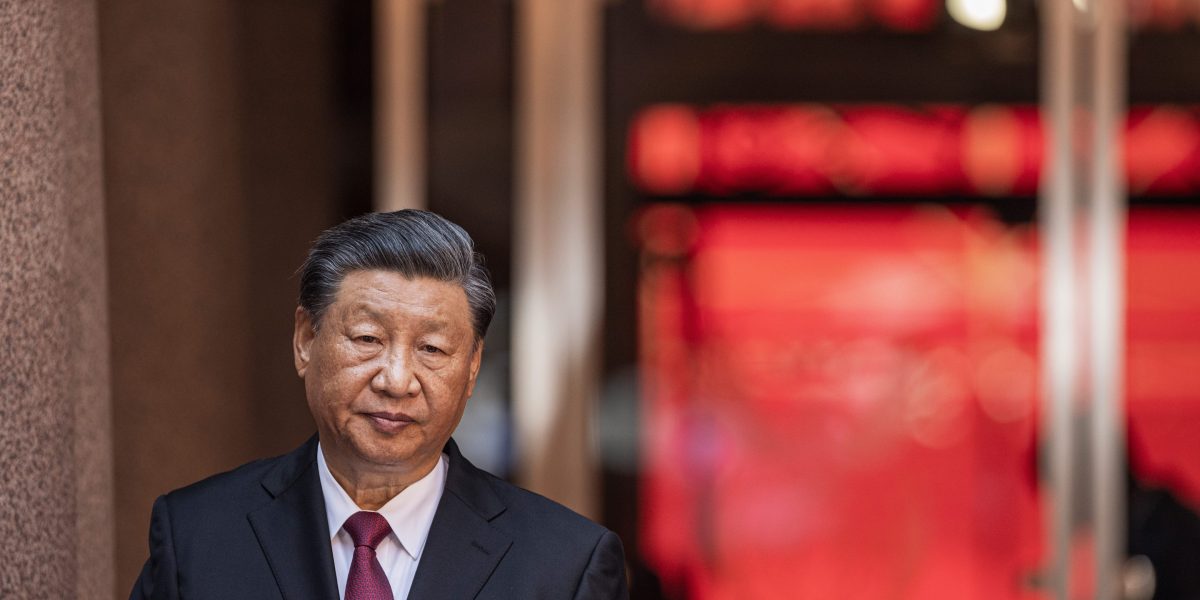
China has recorded its first quarterly foreign investment deficit, indicating a decline in foreign direct investment as tensions with the US rise and Beijing's crackdown on the tech sector spooks international investors. The deficit reflects western countries and companies shunning China, with President Joe Biden's executive order limiting American investment in Chinese semiconductor and AI companies contributing to the decline. Ongoing crackdowns against non-Chinese businesses, capital controls, faltering economic growth, and a crisis in the property market further compound China's economic challenges.
China's economic troubles are resembling Japan's decades-long problems, as it transitions from export-led growth to a more consumer-centric model. China is facing an ongoing real estate crisis, an aging population, surging youth unemployment, and trillions of dollars in local government debt, leading to a crisis of confidence among consumers and investors. Some experts warn that China could experience a "lost decade" of economic stagnation and deflation similar to Japan's in the 1990s. Meanwhile, Japan may finally be emerging from its long battle with deflation, as core inflation has risen for 16 consecutive months and the government sees signs of a turning point in its 25-year struggle. Investors have responded by sending Chinese and Japanese stock markets in opposite directions.
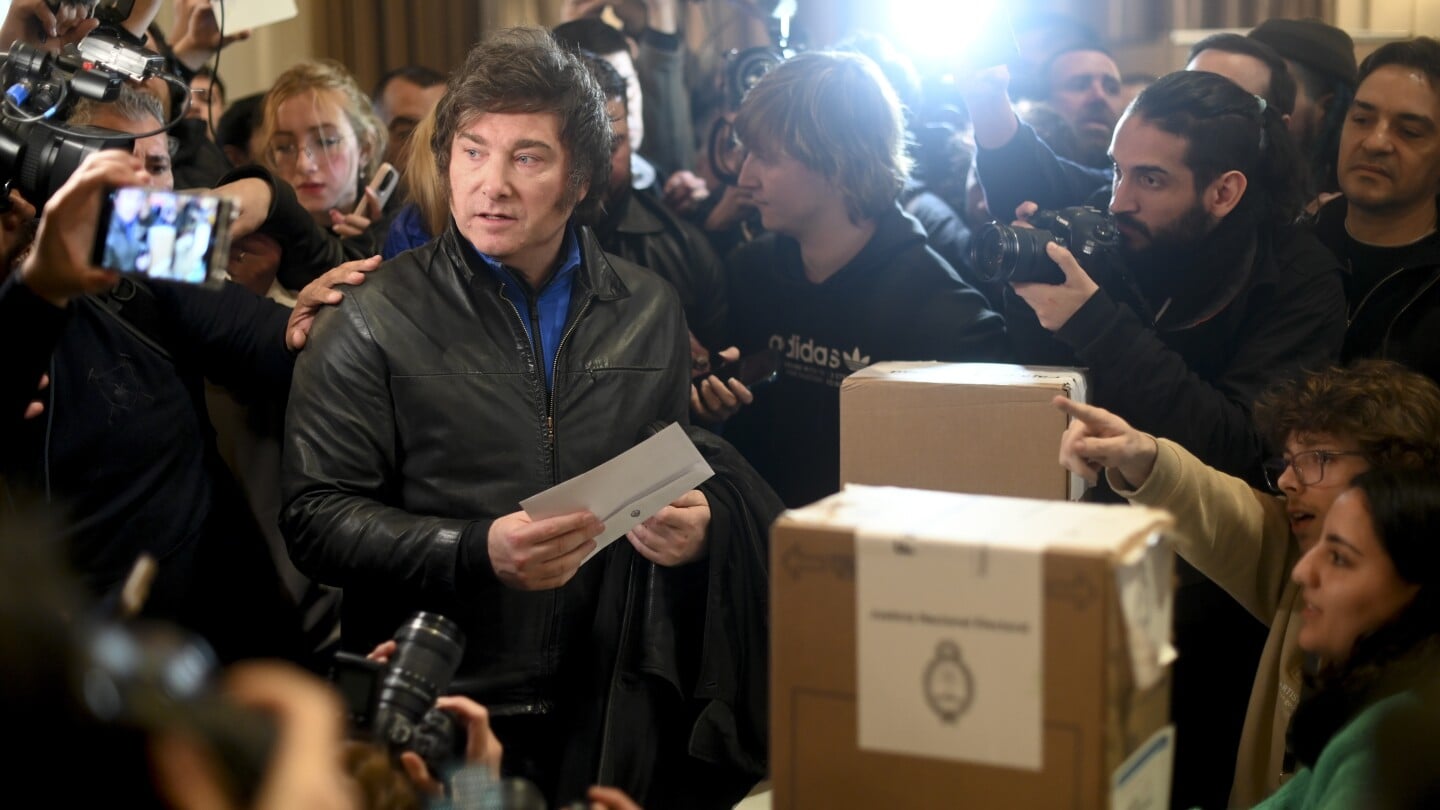
The Argentine peso has plummeted after an anti-establishment candidate, Javier Milei, who admires former President Donald Trump, emerged as the frontrunner in the country's primary elections. Milei, who wants to replace the peso with the dollar and abolish the Central Bank, has shaken up the political establishment with his controversial views on climate change, sex education, and the legalization of the sale of human organs. The devaluation of the peso will exacerbate already-high inflation, causing further hardship for ordinary people. While Milei faces an uphill battle to secure the presidency, his unexpected success reflects growing frustration with the status quo in Argentina.
The Argentine peso plummeted after anti-establishment candidate Javier Milei, who admires former President Donald Trump, emerged as the frontrunner in the country's primary elections. Milei advocates for replacing the peso with the dollar, abolishing the Central Bank, and holds controversial views on various issues. The government devalued the currency by 20 percent in response to the surprising results. With around 30 percent of the vote, Milei is now a serious contender for the presidency, challenging the dominance of mainstream political coalitions. Argentina is grappling with high inflation, poverty, and a depreciating currency. Milei's rise reflects voter frustration with the status quo.
Far-right populist Javier Milei has emerged as the biggest vote-getter in Argentina's presidential primary elections, shaking up the country's political establishment. Milei, known for his admiration of former US President Donald Trump, advocates for abolishing the Central Bank, denies climate change, opposes sex education, supports the legalization of the sale of human organs, and wants to ease gun ownership. With around 32% of the vote, Milei surpassed expectations and is now considered a serious contender for the presidency. The results reflect widespread discontent in Argentina, which is grappling with high inflation, rising poverty, and a depreciating currency. Voters are expressing their frustration with traditional politicians and seeking change.