Maryland Governor Wes Moore faces a daunting challenge after the Key Bridge collapse disrupts global supply chains and threatens Baltimore's economic revival. Moore, who had promised to help usher in a renaissance, now grapples with the aftermath, grieving community, and the need to secure federal aid. His response to the crisis draws both praise and criticism, as he navigates the complex task of coordinating recovery efforts and addressing the far-reaching impact on the region's economy.

Japan's stock market, which had long been overlooked by international investors, is now experiencing a significant boom, with the Nikkei 225 index reaching a 34-year high. Factors contributing to this surge include corporate governance reforms, a weak yen, and increased shareholder returns. Billionaire investor Warren Buffett's substantial investment in Japanese stocks has also drawn attention. However, differing views exist on the sustainability of this rally, with some citing potential challenges such as a rising yen and structural issues within the Japanese economy.
Chinese state media has emphasized President Xi Jinping's central role in China's reform process, highlighting his leadership in the overall design, coordination, supervision, and implementation of reforms. Xi personally oversaw the drafting process of a document on reforms in 2013, which set out specific tasks and measures for comprehensively deepening reform and advancing the modernization of the national governance system. The report also noted Xi's major theoretical breakthrough in calling for the market to play a decisive role in resource allocation. Xi's leadership in steering reform and opening up has been described as crucial for the success of China's future and the destiny of the Communist Party and the country.
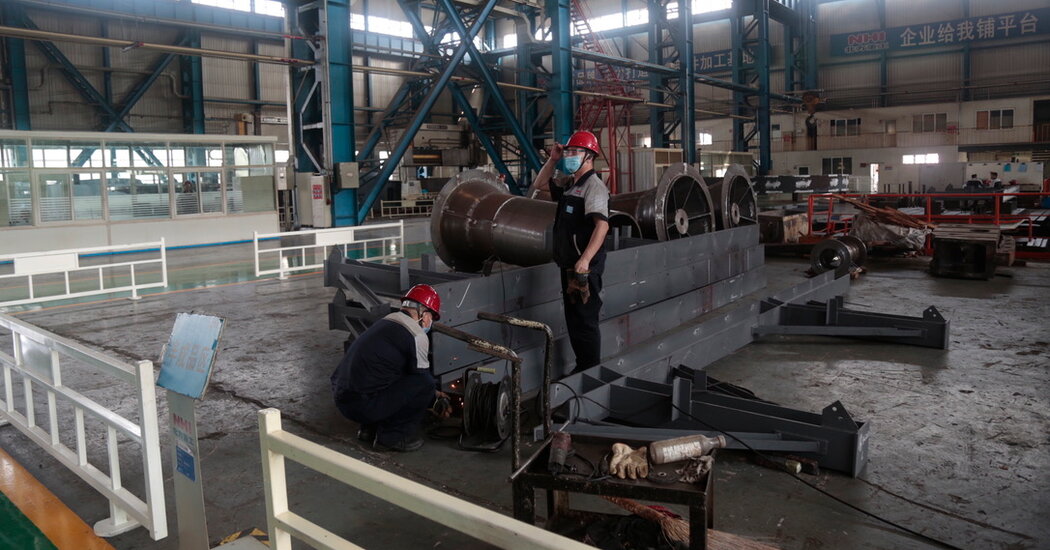
China's industrial heartland in the northeast, known for its heavy industry, is facing economic challenges including a slowing economy, an aging population, and high levels of debt. The central government is focusing on increasing productivity and efficiency in the region's factories through public investment and digital technology. However, economists argue that more measures to boost consumer confidence, such as expanded unemployment benefits and pensions, are needed. The government is also exploring opportunities to sell more goods to Russia. Despite efforts to stimulate the economy, consumer spending remains weak, with retail sales per person significantly lower than in other vibrant provinces in China.
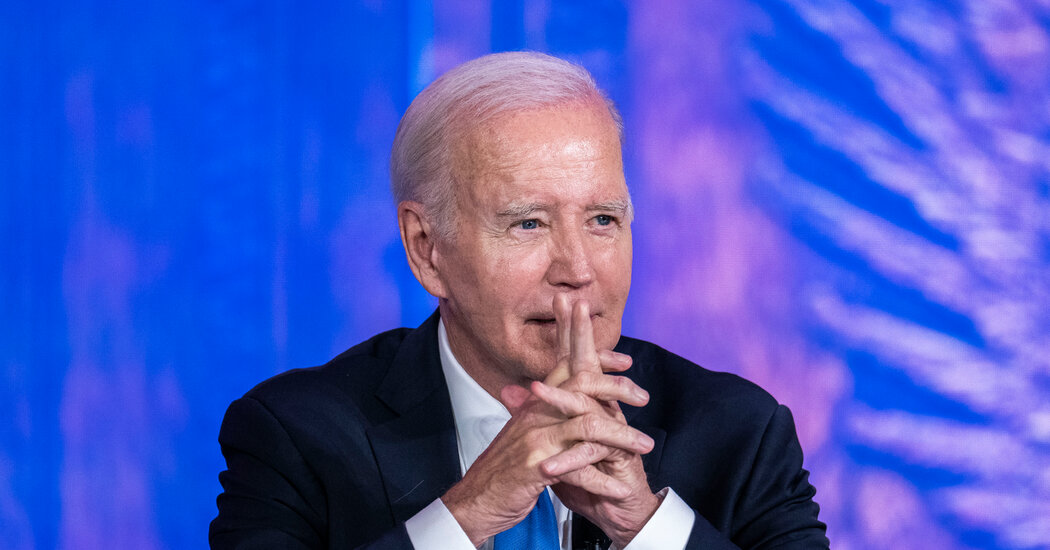
President Biden delivered a speech in Chicago, touting his economic agenda and claiming credit for an economic revival in America. He criticized the Republican approach and emphasized the positive impact of his policies on manufacturing, infrastructure, and programs like student debt relief. While acknowledging the need for more work, Biden expressed confidence in turning things around quickly. Republicans criticized him for high inflation and rising costs of everyday necessities. Administration officials highlighted the positive effects of Biden's economic legislation, although some claims were not supported by evidence. The president's advisers believe that Americans will soon feel the benefits of his policies, despite polls showing dissatisfaction with the country's direction under his leadership.