
Rare Echidna Rediscovered: A Long-Lost Species Resurfaces
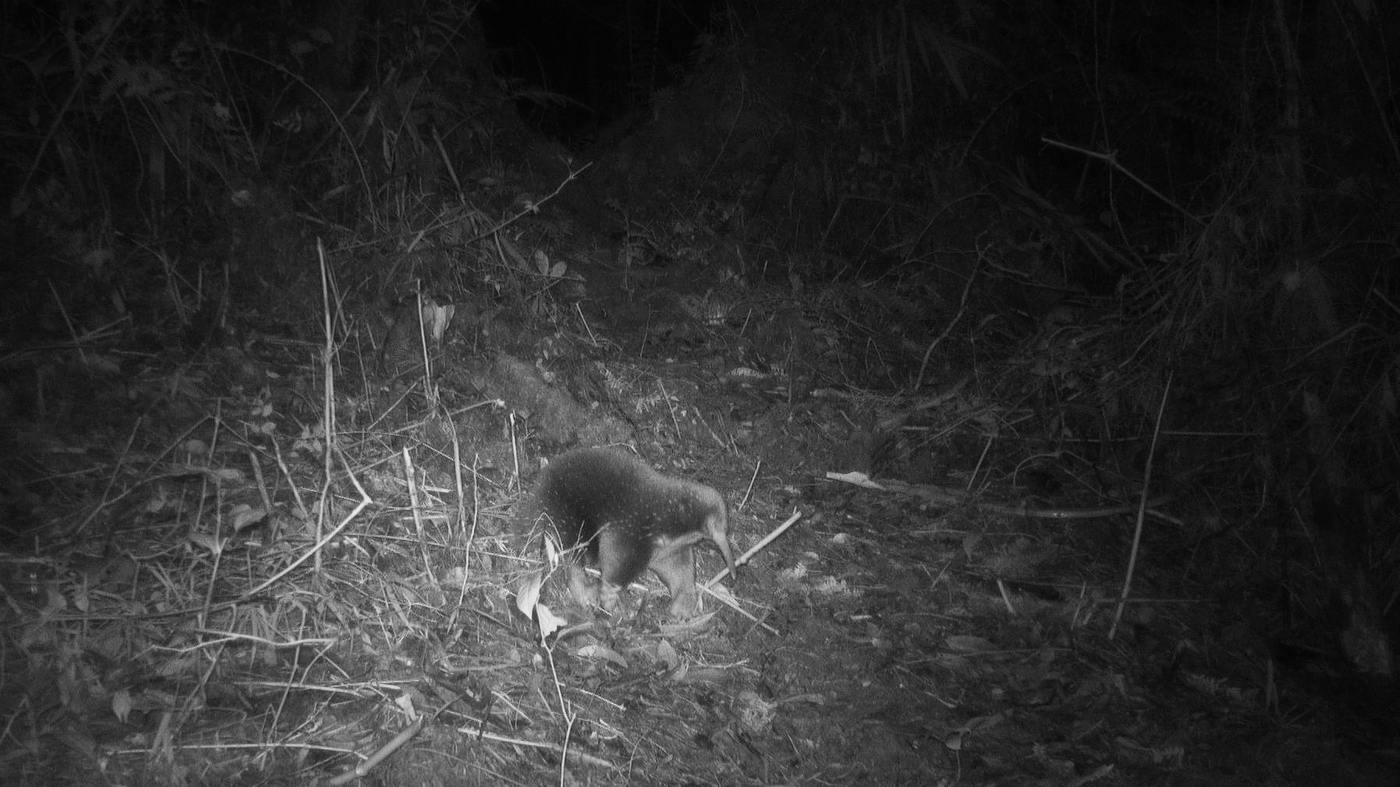
Researchers on an expedition in Papua New Guinea's Cyclops Mountains rediscovered Attenborough's long-beaked echidna, a species thought to be extinct. The echidna, named after David Attenborough, was captured on camera for the first time in over 60 years. This discovery is crucial for preserving the unique evolutionary history of monotremes, a group of egg-laying mammals. The echidna is classified as critically endangered, highlighting the need for conservation efforts in its Indonesian habitat. The expedition also uncovered new insect species, frog species, and a land-dwelling shrimp, emphasizing the region's biodiversity. The echidna has become a symbol for conservation in the Cyclops Mountains, and its rediscovery brings hope for protecting the area from deforestation.
- Echidna named after Attenborough is rediscovered NPR
- Long-lost echidna species seen for first time in over 60 years NBC News
- Egg-Laying Mammal That Has Evolved Independently for 200 Million Years Photographed For First Time Since 1961! | Weather.com The Weather Channel
- Ancient Animal Thought to Be Extinct Suddenly Found in Rainforest Newsweek
- Endangered egg-laying mammal seen for the first time in over 60 years NBC News
Reading Insights
0
1
3 min
vs 4 min read
84%
684 → 112 words
Want the full story? Read the original article
Read on NPR