

Tag

3d Vision

All articles tagged with #3d vision

space2 years ago

NASA's STEREO-A Spacecraft Returns Home After 17-Year Journey

NASA's STEREO-A spacecraft, after nearly 17 years, is making its first Earth flyby, providing a unique opportunity for collaboration with other NASA missions and new insights into the sun. STEREO-A, along with its twin STEREO-B, launched in 2006 and achieved the first stereoscopic view of the sun. During the Earth flyby, STEREO-A will combine views with other spacecraft to achieve 3D vision and gather measurements of active regions and coronal loops. The mission will also provide multipoint measurements of Earth-directed coronal mass ejections, offering a better understanding of their magnetic field evolution. As the sun approaches solar maximum, STEREO-A will experience a fundamentally different sun, providing valuable knowledge about solar activity.
science2 years ago

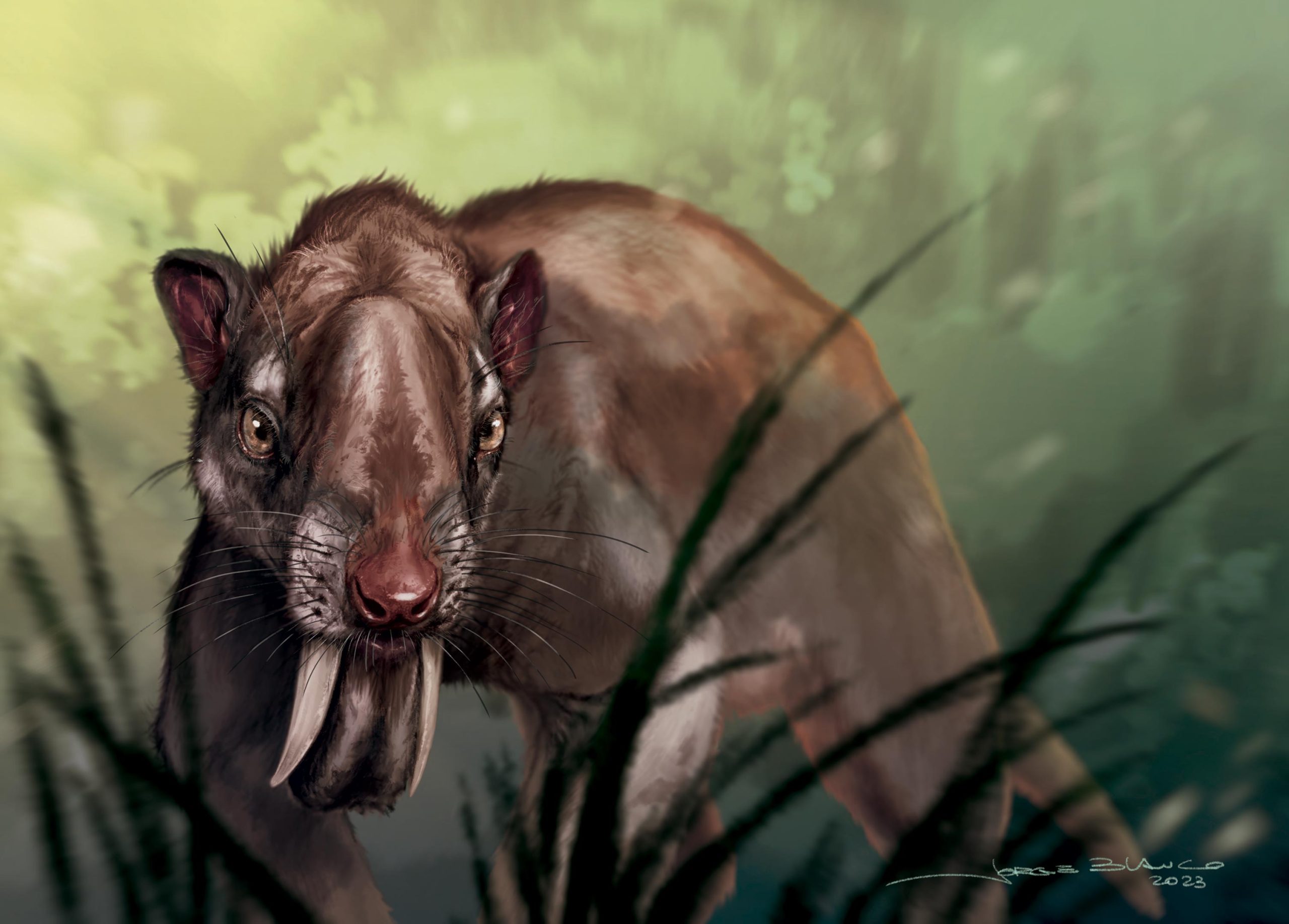
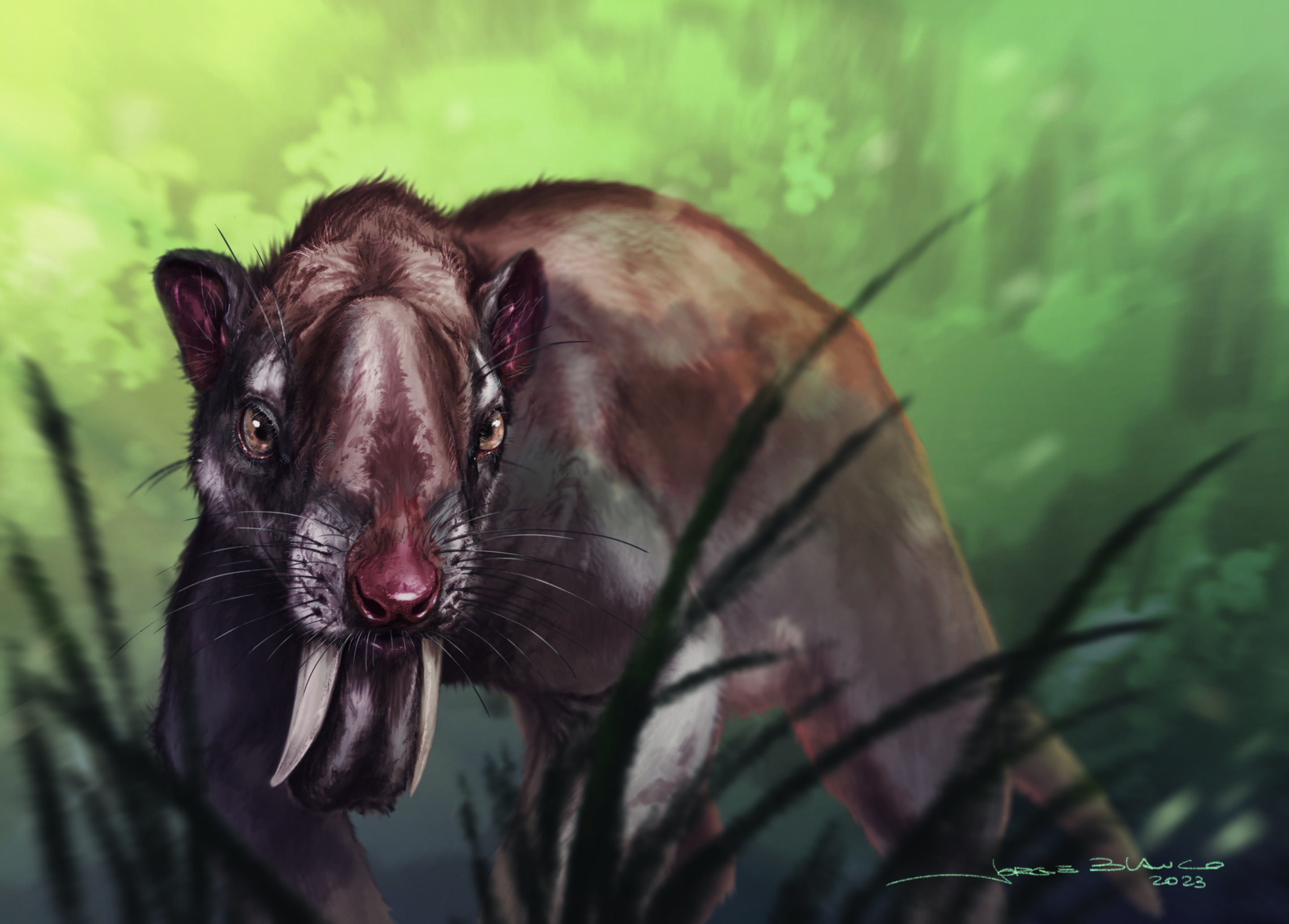
The Unique Vision of the Marsupial Sabertooth Predator.

A new study investigates how the extinct carnivorous marsupial Thylacosmilus atrox achieved 3D vision despite having wide-set eyes, like a cow or a horse. The skulls of carnivores typically have forward-facing eye sockets, or orbits, which helps enable stereoscopic (3D) vision, a useful adaptation for judging the position of prey before pouncing. Scientists from the American Museum of Natural History and the Instituto Argentino de Nivología, Glaciología, y Ciencias Ambientales in Mendoza, Argentina, studied whether the “marsupial sabertooth” Thylacosmilus atrox could see in 3D at all.

science2 years ago

The Unique Eyes of the Marsupial Sabertooth Thylacosmilus Atrox

A new study investigates how the extinct carnivorous marsupial Thylacosmilus atrox, with canines so large they extended across the top of its skull, could hunt effectively despite having wide-set eyes. The orbits of Thylacosmilus were positioned like those of an ungulate, with orbits that face mostly laterally, which does not allow for stereoscopic (3D) vision. However, the species was able to compensate for this by orienting its orbits almost vertically, achieving about 70% of visual field overlap, making it a successful active predator. The study sheds light on the unique adaptations of Thylacosmilus and the rules of evolution.