
Dutch Government Restricts Control of Chinese-Owned Nexperia Over National Security Concerns
The Dutch government has taken control of Nexperia, a Chinese-owned chipmaker, indicating a significant move in the tech and geopolitical landscape.

All articles tagged with #chinese owned
The Dutch government has taken control of Nexperia, a Chinese-owned chipmaker, indicating a significant move in the tech and geopolitical landscape.
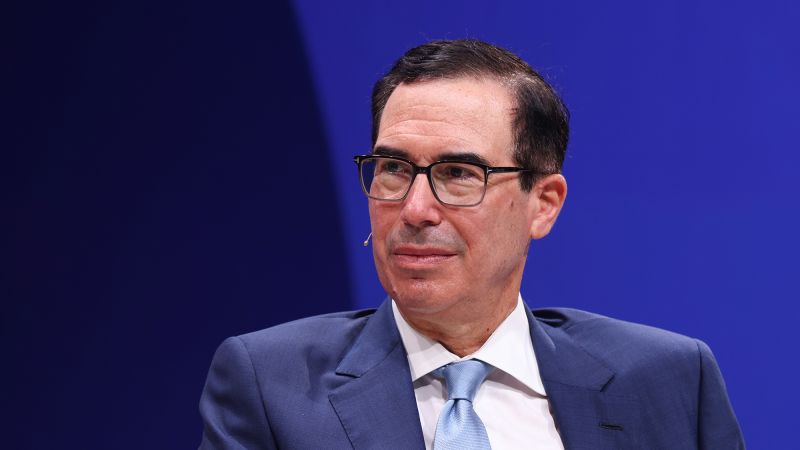
Former Treasury Secretary Steven Mnuchin is assembling a team of investors to make a bid to buy TikTok, expressing interest in acquiring the Chinese-owned social media giant despite potential challenges. Mnuchin aims to find a solution where the Chinese government will allow TikTok to be sold without a technology transfer, but faces opposition from China's measures to prevent the sale of sensitive technology. The House recently passed a measure to ban TikTok or force a sale to a US-operated owner, which now heads to the Senate, with President Joe Biden expressing willingness to sign it into law. However, tech analyst Dan Ives sees a 25% chance of the legislation becoming law, with potential buyers including tech giants like Microsoft or Oracle.
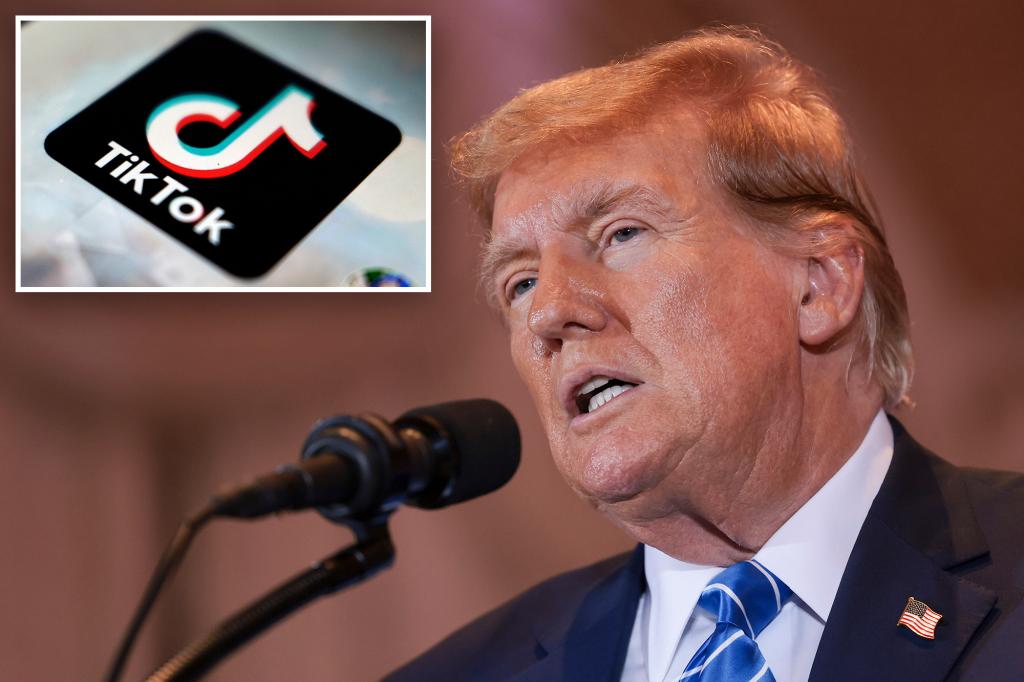
Former President Donald Trump opposes the proposed TikTok ban, claiming it would benefit Facebook, which he called "a true Enemy of the People." Congress is considering a bill that would force TikTok's Chinese parent company, ByteDance, to sell the app within 165 days or face a ban from major app stores. President Biden has expressed support for the legislation, citing concerns about national security and Chinese government access to user data. Trump had previously attempted to ban TikTok through an executive order, which was blocked in court, and Biden later directed a national security review of the app. Meanwhile, billionaire GOP donor Jeff Yass has reportedly been lobbying Republican lawmakers to oppose the ban, as his fund holds a significant stake in ByteDance.
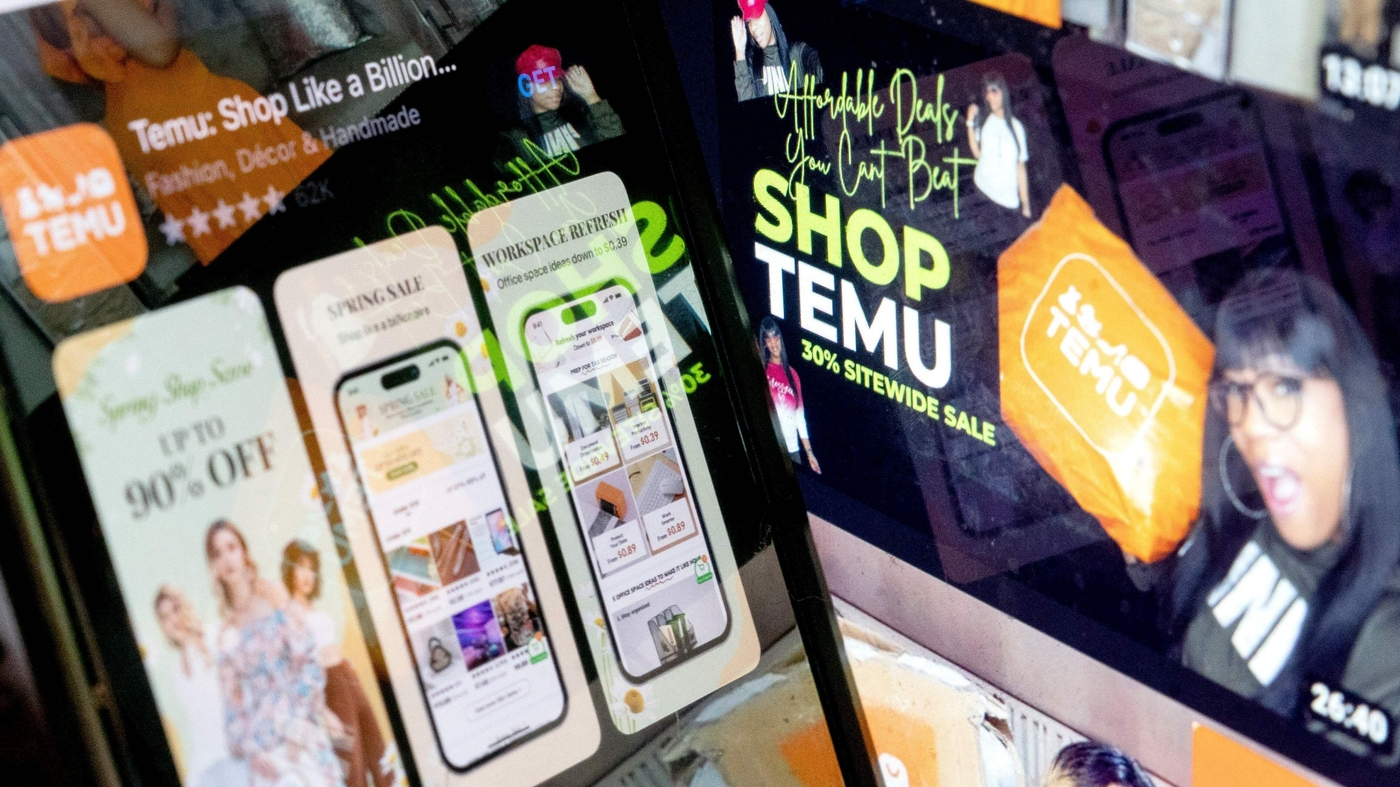
Temu, a Chinese-owned online discount marketplace, has rapidly expanded in the U.S. with its promise of ultra-low prices, but it faces skepticism over product quality and business practices. The company's aggressive marketing and use of an obscure U.S. import law have helped fuel its meteoric rise, leading to accusations of unfair competition and concerns about compliance with forced labor prevention laws. While Temu's popularity has surged, it has also faced backlash, including a federal class action lawsuit and questions about the legitimacy of its products.
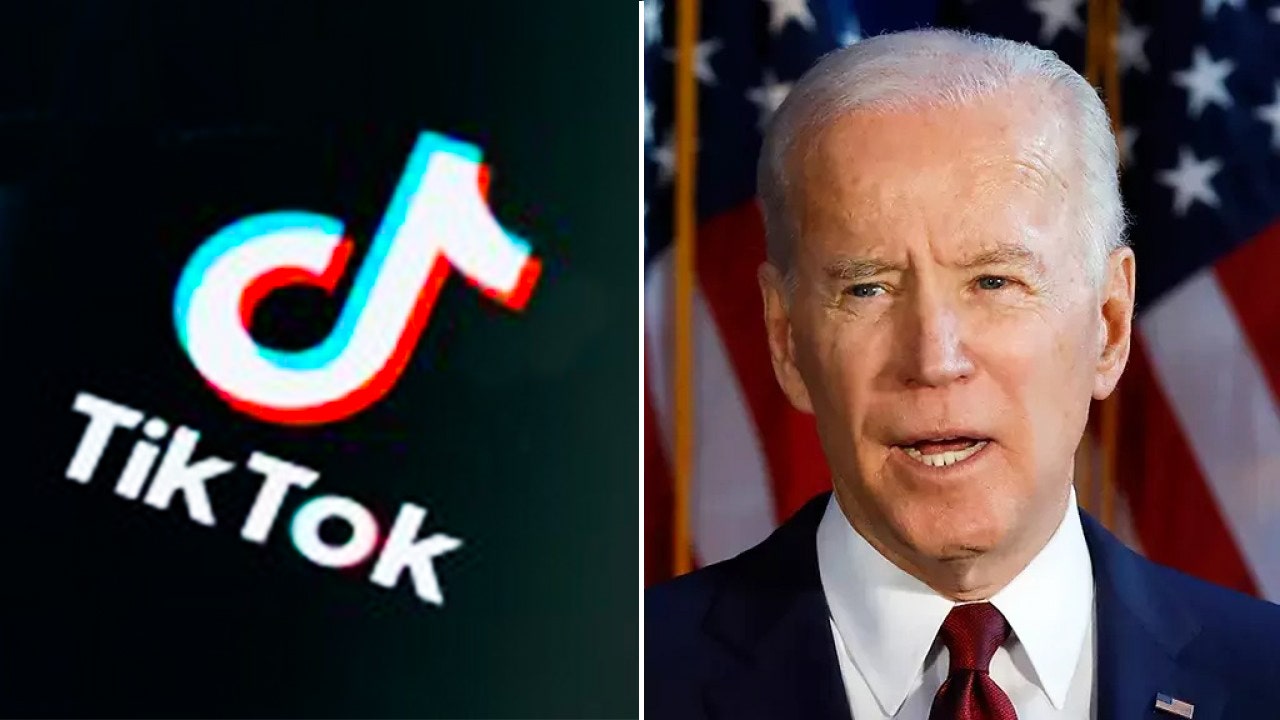
President Biden's re-election campaign faced criticism for joining TikTok, a Chinese-owned social media platform, after banning it from federal devices last year. Critics accused the campaign of prioritizing political ambition over national security, with some highlighting the potential security risks of using the platform. The move comes as Biden seeks to engage with younger voters and utilize TikTok influencers in his re-election efforts, despite previous concerns about the app's ties to the Chinese government.
Montana has become the first US state to ban Chinese-owned TikTok from operating within its borders, citing concerns over alleged intelligence gathering by China. The ban will take effect on January 1, 2024, and will make it unlawful for Google and Apple's app stores to offer TikTok within the state. However, the ban will not impose any penalties on individuals using the app. TikTok has over 150 million American users and has faced growing calls from US lawmakers and state officials to ban the app nationwide over concerns about potential Chinese government influence over the platform.
Montana lawmakers have approved a bill to ban TikTok across the state, making it the first state to do so. The bill now awaits the signature of Governor Greg Gianforte. This move sets the stage for future court battles that could determine the fate of the popular, Chinese-owned social media app in the US.
Australia has banned TikTok from federal government devices based on intelligence and security agencies' advice, becoming the last of the Five Eyes security partners to do so. TikTok, owned by Chinese company Bytedance, has denied sharing data with the Chinese government and is carrying out a project to store US user data in Texas. The European Parliament and EU Council have also imposed bans on TikTok on staff devices. India imposed a nationwide ban on TikTok and other Chinese apps in 2020 over privacy and security concerns.
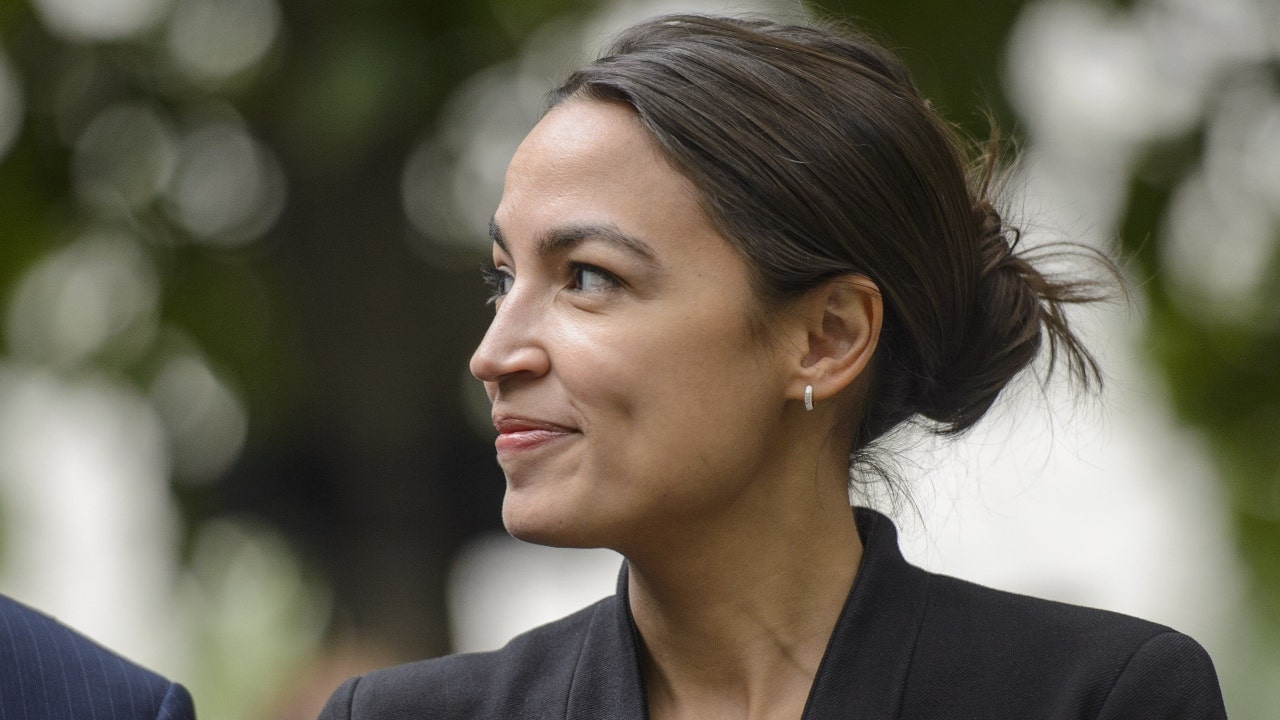
Rep. Alexandria Ocasio-Cortez faced criticism for defending TikTok after it was revealed that the app's Chinese-owned parent company, ByteDance, gave six-figure donations to Black and Hispanic caucus non-profits. AOC argued against banning TikTok and instead called for regulating social media companies' data collection practices. Critics accused her of echoing TikTok's talking points and ignoring the app's true threat: CCP-directed disinformation. The disclosures also show ByteDance transferred smaller amounts to other organizations, including the right-leaning Ripon Society.