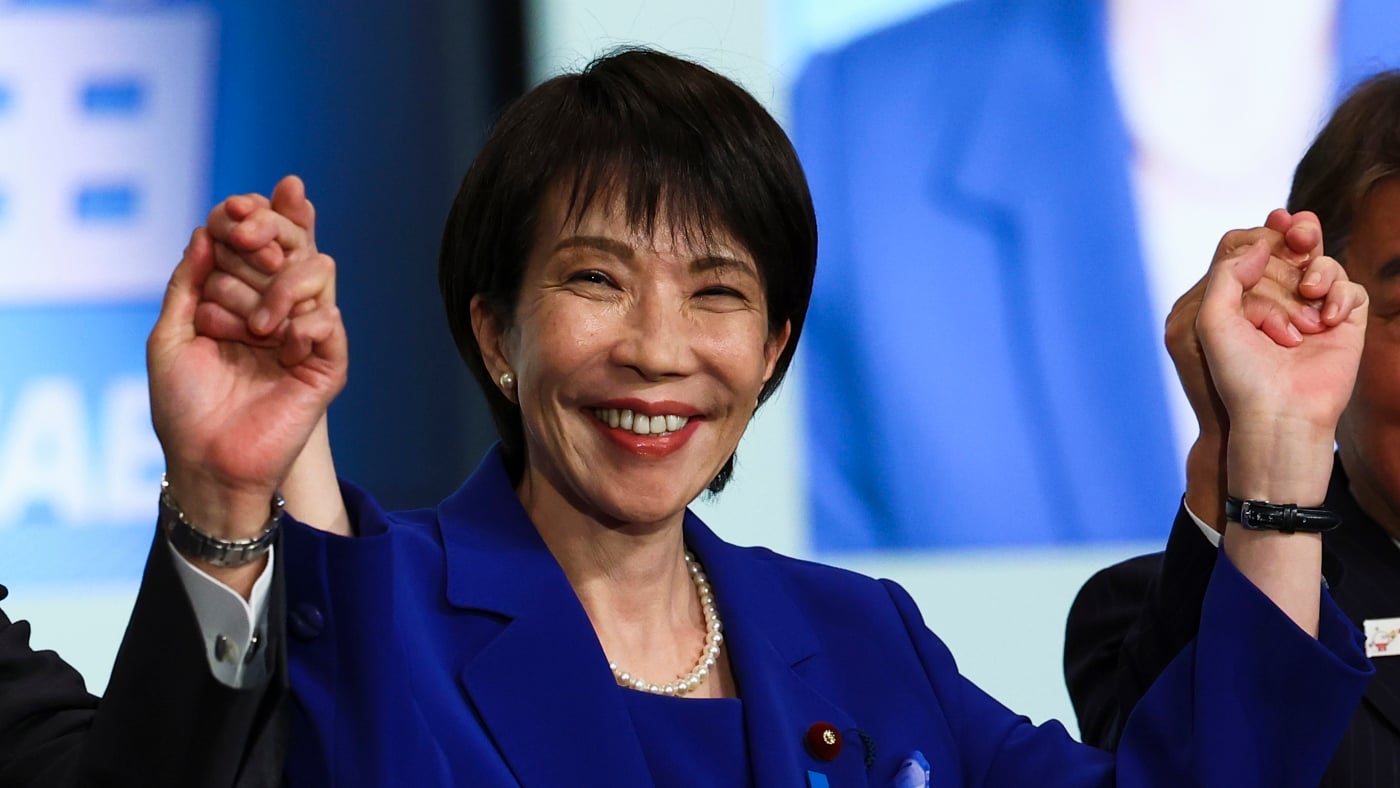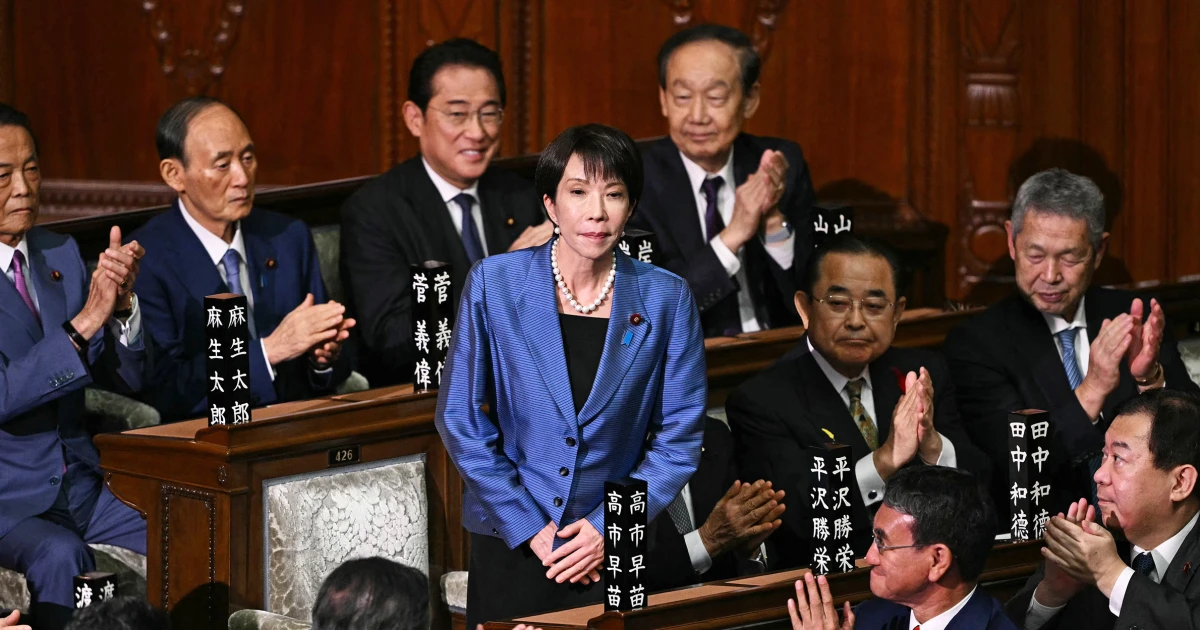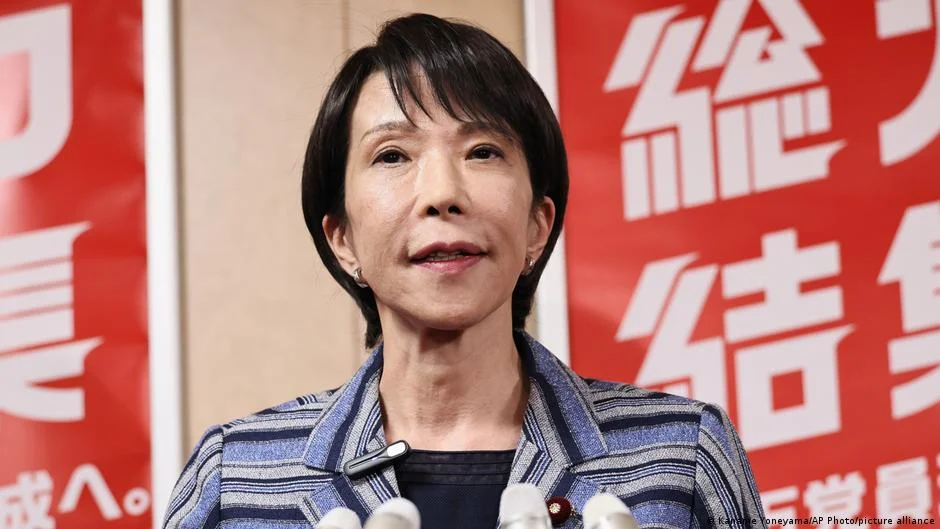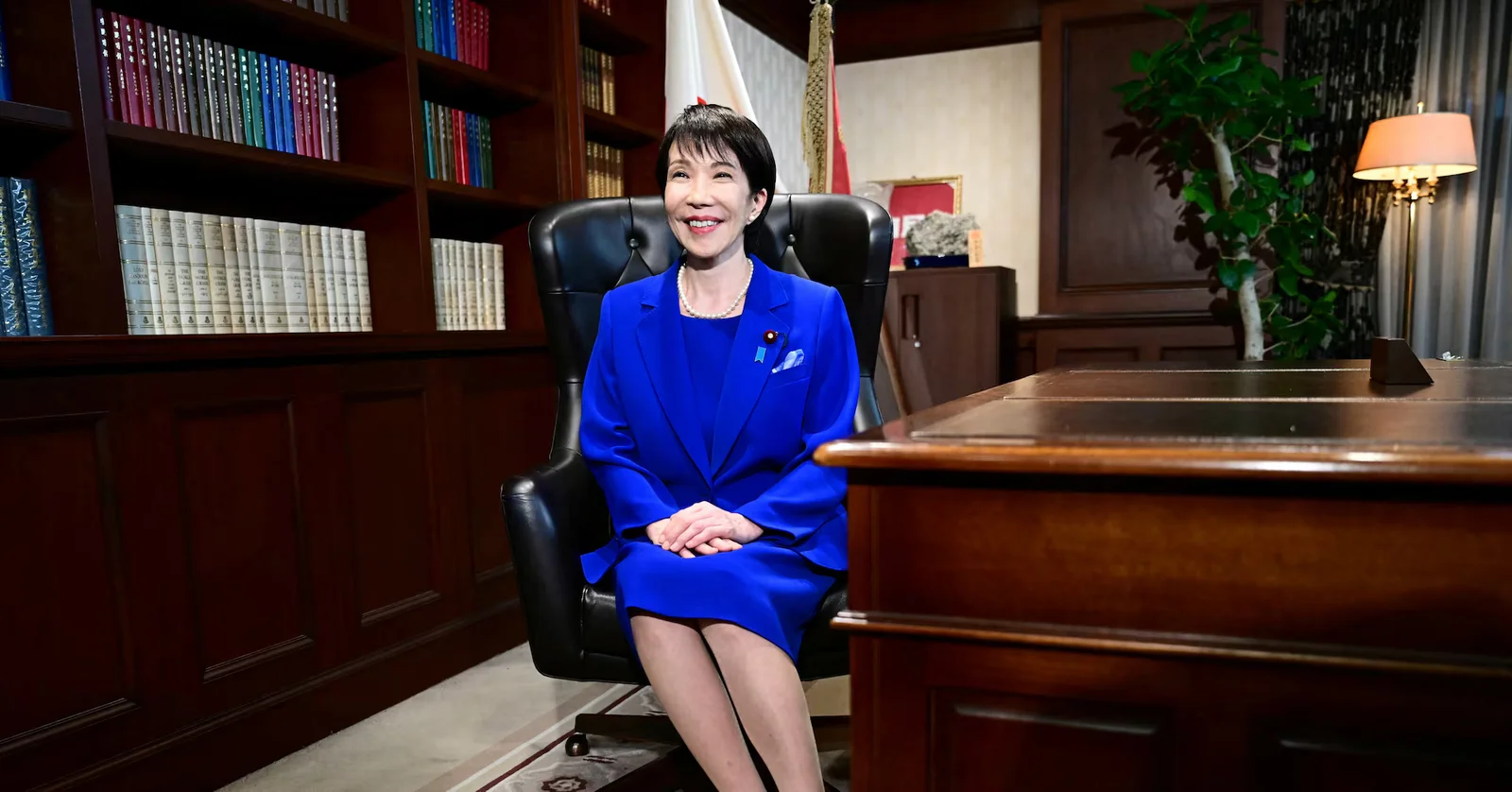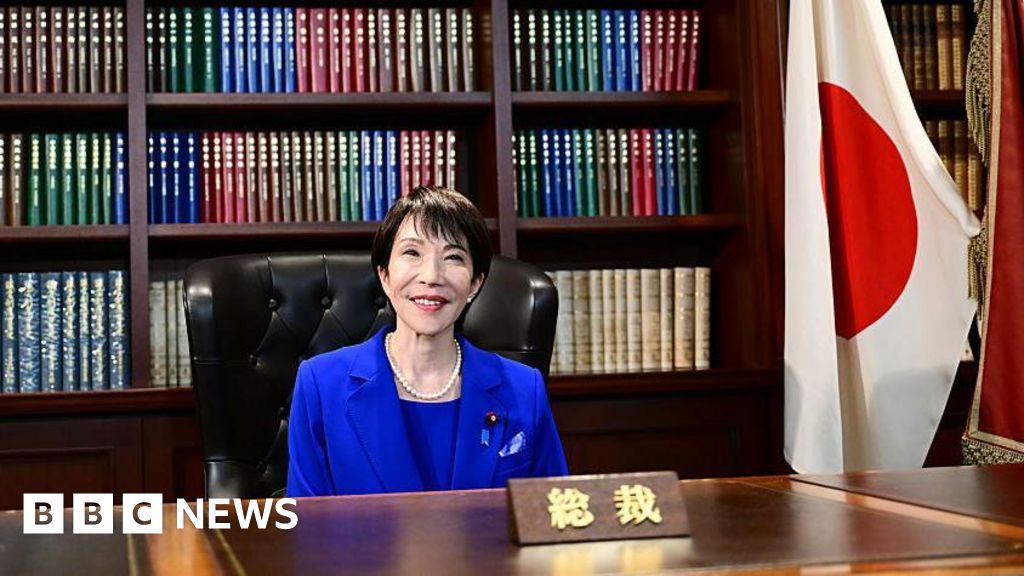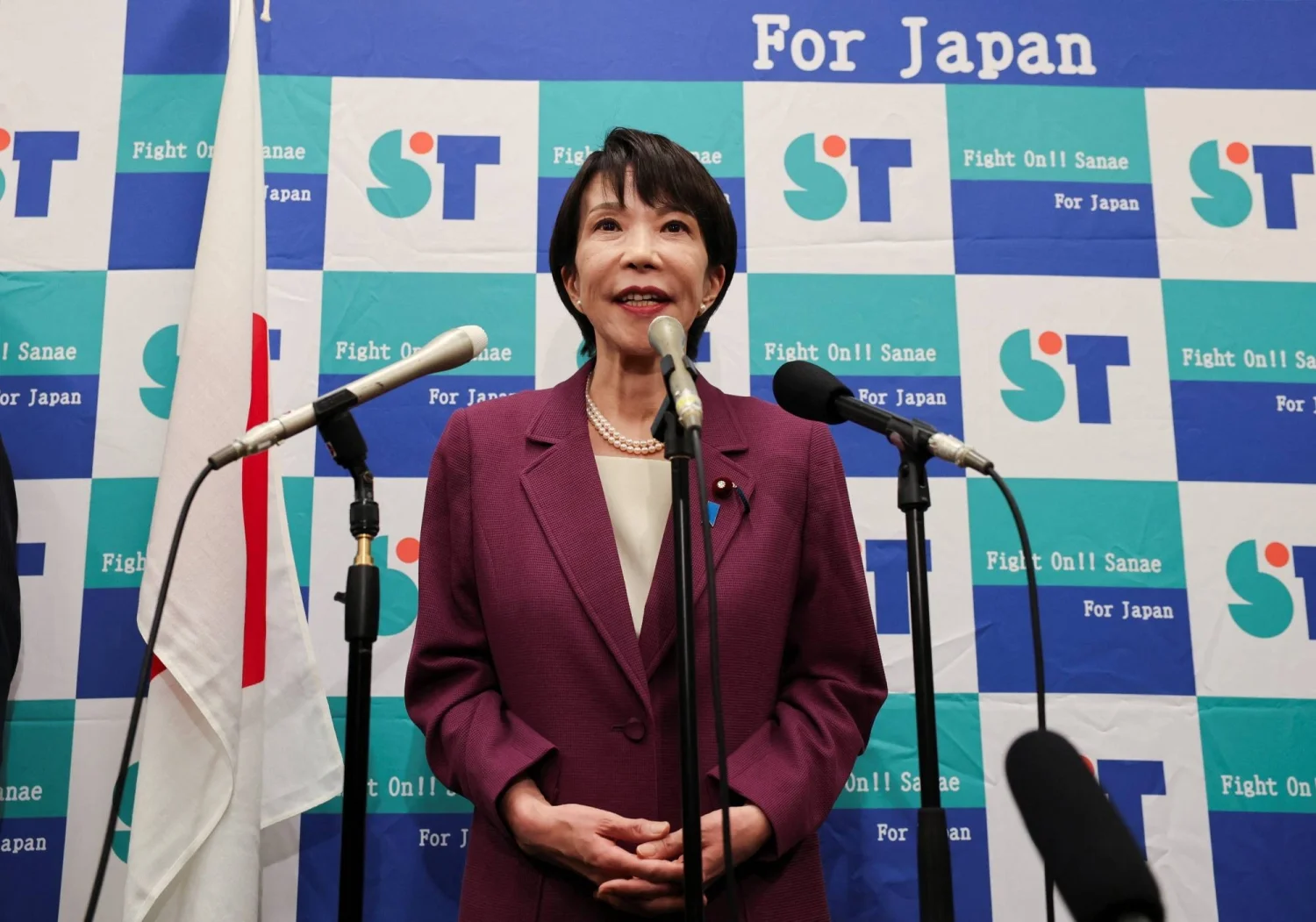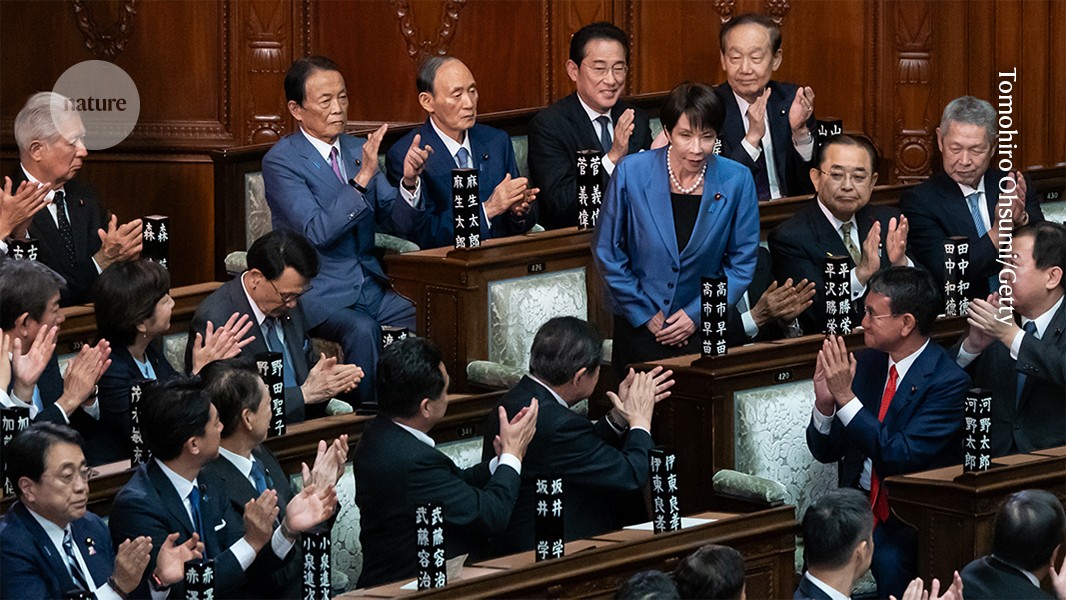
Japan's election of Sanae Takaichi as its first female prime minister marks a milestone, but the country still faces significant gender inequality issues, especially in academia and science. While some promising policies are in place, such as expanding research grants and allowing maiden names, deep-rooted systemic problems like surname laws and employment instability persist. Addressing these issues is crucial for meaningful progress in gender equity in Japan.
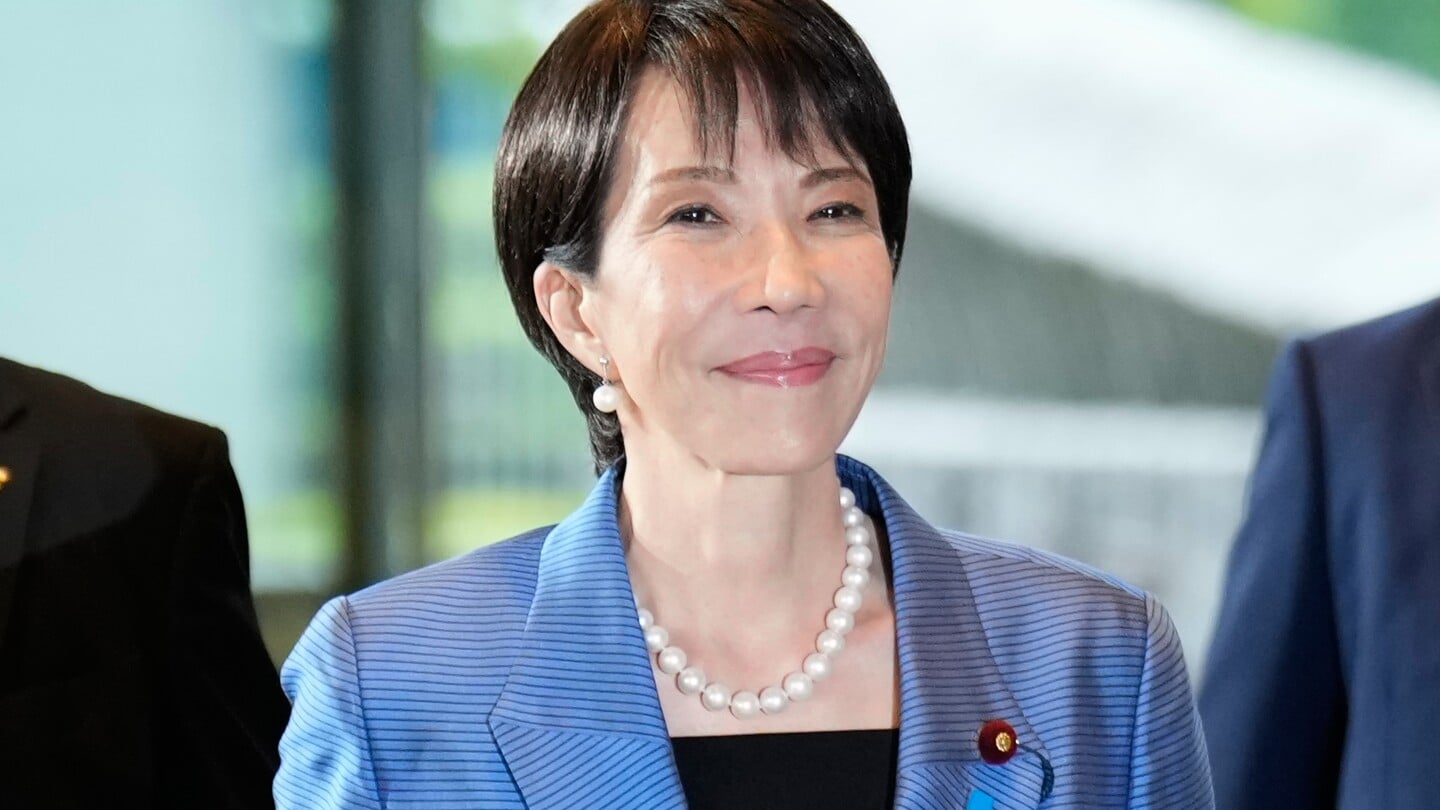
Sanae Takaichi has been elected Japan's first female prime minister and the first woman to lead the dominant Liberal Democratic Party, known for her ultraconservative views, hawkish security policies, and traditional stance on gender and history issues, signaling a shift to the right in Japanese politics.
Sanae Takaichi has become Japan's first female prime minister, known for her conservative views, admiration for Margaret Thatcher, and a background in politics and media. She advocates for strict immigration policies, hawkish foreign policies, and traditional gender roles, while maintaining a friendly stance toward former US President Trump. Her rise marks a significant milestone in Japan's political history, though her policies and views are controversial.
Sanae Takaichi has been elected as Japan's first female prime minister in modern times, leading a conservative coalition amid challenges like a fragile government and upcoming diplomatic visits, while her election sparks mixed reactions regarding progress on gender equality in Japan.
Japan's ruling Liberal Democratic Party and the Japan Innovation Party are forming a coalition, paving the way for Sanae Takaichi to become Japan's first female Prime Minister, after her party's recent leadership change and political realignment.
U.S. President Donald Trump congratulated Sanae Takaichi, the newly elected leader of Japan's LDP, on her path to becoming Japan's first female prime minister, praising her wisdom and strength.
Sanae Takaichi, a prominent conservative politician and member of Japan's ruling LDP, has won the party leadership on its 70th anniversary, positioning her to become Japan's first female prime minister. Known for her strong conservative stance and inspired by Margaret Thatcher, she aims to revitalize Japan's economy and address social issues, while navigating a party facing declining support and rising far-right influence.
Japan may elect its first female prime minister, Sanae Takaichi, if she wins the upcoming LDP leadership race, marking a historic milestone in a country with limited progress on gender equality.
Dilan Yeşilgöz, a former refugee and the leader of the VVD party, is leading the polls ahead of the Dutch elections and could become the first female prime minister in Dutch history. Her platform focuses on cracking down on migration, drawing from her own background as a refugee. Despite facing tough competition, Yeşilgöz's strong communication skills and tough negotiating abilities have positioned her as a potential premier. She emphasizes the importance of the Netherlands playing a positive role in the EU and maintaining clear financial agreements.