Chinese tech company Wingtech announced that Dutch authorities have frozen control of its subsidiary Nexperia due to concerns over governance and national security, with the Dutch government citing risks to technological security and the automotive sector. This move could impact China-EU relations.
Shell has won an appeal in a Dutch court, overturning a previous ruling that required the company to cut its carbon emissions by 45%. The court acknowledged Shell's obligation to limit emissions but could not establish a specific reduction percentage. This decision reverses a 2021 ruling that marked the first time a court ordered a private company to align with the Paris climate agreement. Friends of the Earth, which brought the original case, plans to appeal to the Supreme Court. The case highlights ongoing legal efforts to enforce corporate climate responsibility.
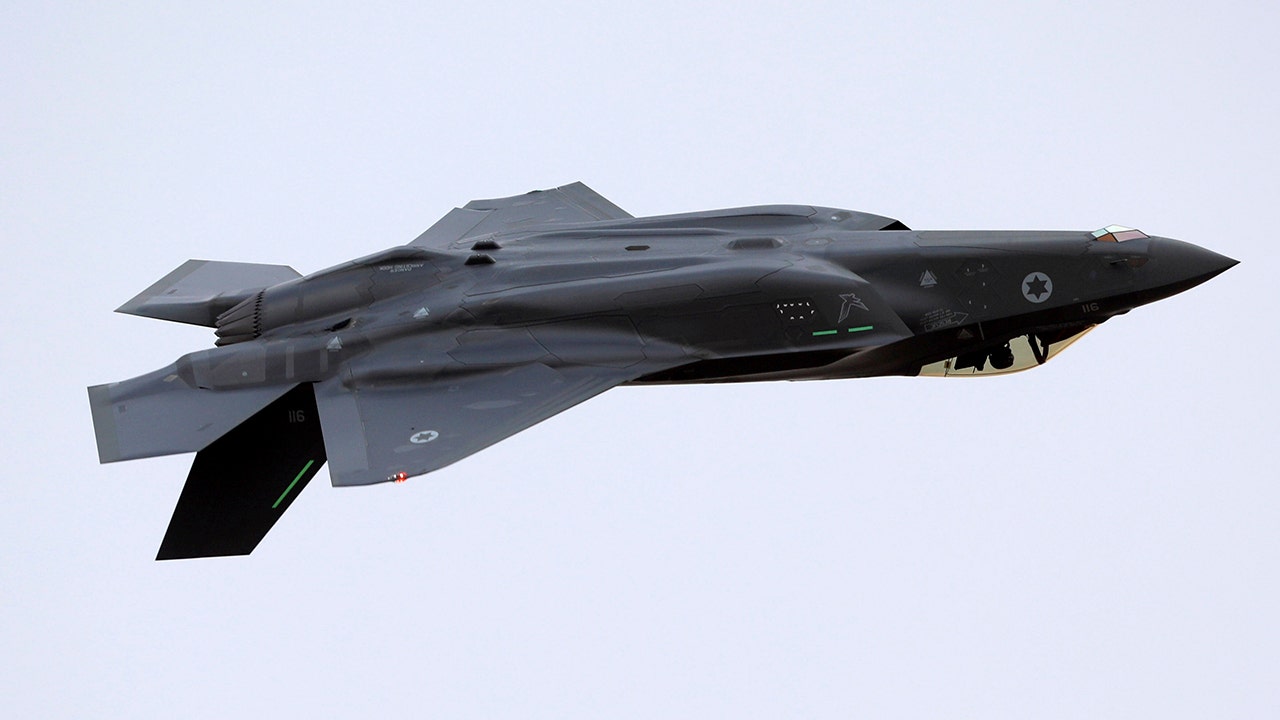
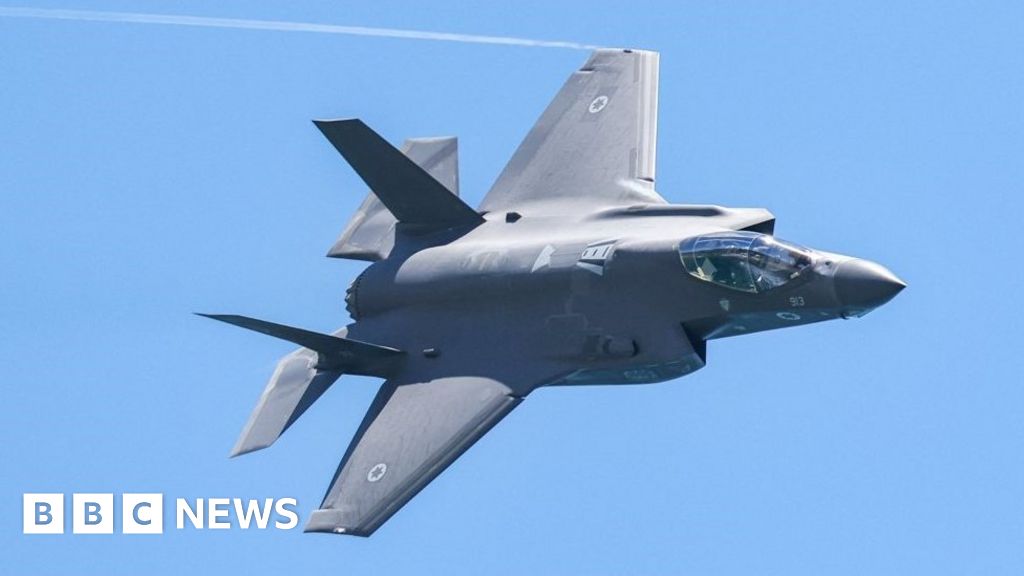
A Dutch appeals court has ordered the government to block all exports of F-35 fighter jet parts to Israel due to concerns about their use in violations of international law during Israel's Gaza offensive. The court dismissed a request to suspend the order and stated that there is a clear risk of the parts being used in serious violations of international humanitarian law. The government plans to appeal the decision, emphasizing the importance of the F-35s for Israel's security. This ruling follows concerns raised by human rights groups and a previous lower court ruling that stopped short of halting the exports.
A Dutch appeals court has ordered the government to halt the delivery of F-35 fighter aircraft parts to Israel, siding with human rights groups who argue that the parts are being used to violate international law in Gaza. The court stated that there is a clear risk the exported F-35 parts could be used in serious violations of international humanitarian law. The Dutch government has seven days to comply with the order, but it could launch an appeal at the Supreme Court. This decision comes after a lower court ruled that the export of F-35 parts to Israel was primarily a political decision and that judges should not intervene, despite acknowledging the likelihood of F-35s contributing to violations of the laws of war.
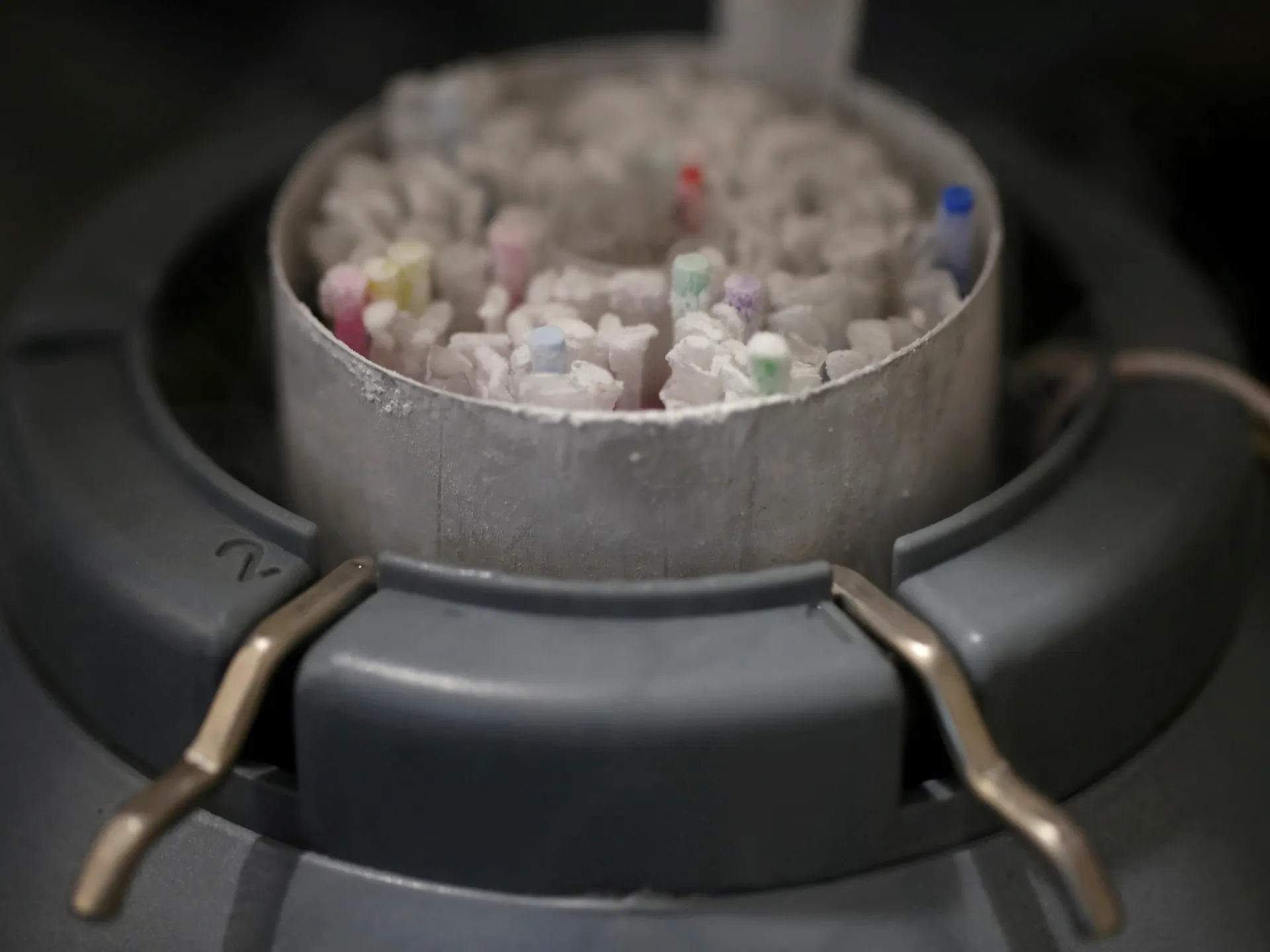
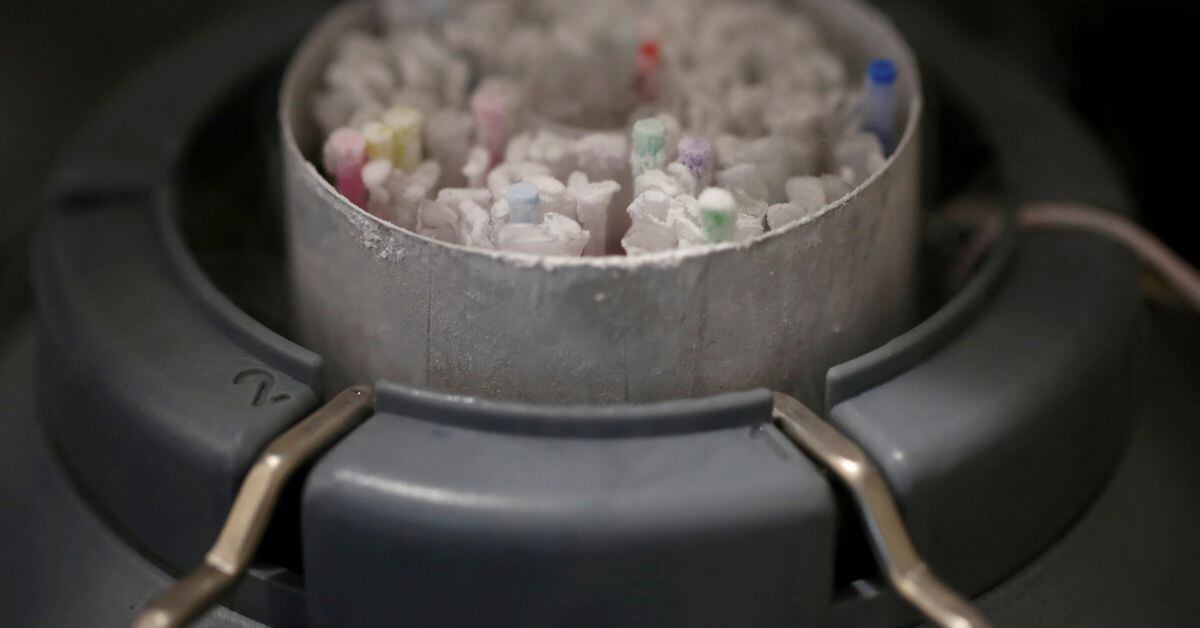
A Dutch court has banned a sperm donor, identified as Jonathan M, from donating any more of his sperm after fathering at least 550 children in the Netherlands and other countries and misleading prospective parents about the number of offspring he helped to conceive. The court noted under Dutch guidelines, sperm donors are allowed to produce a maximum of 25 children with 12 mothers, and the donor lied to prospective parents about his donation history. The court ruled “the interests of the donor children and their parents outweigh the interest of the donor in continuing to donate sperm to new prospective parents”.
A Dutch court has ordered a man who fathered between 500 and 600 children around the world to stop donating sperm due to fears of accidental incest and inbreeding. The man was forbidden to donate more semen to clinics and could be fined 100,000 euros per infraction. He was also ordered to write to clinics abroad asking them to destroy any of his semen they have in stock, except doses reserved for parents who already had children by him. The decision came after a civil case started by a foundation representing the interests of donor children and Dutch parents who had used the man as a donor.
A Dutch court has ordered a man, identified as Jonathan Meijer, who has fathered between 500 and 600 children worldwide to stop donating sperm. The court ruling forbids him from donating more semen to clinics and he could be fined €100,000 per infraction. The decision came after a civil case started by a foundation representing the interests of donor children and Dutch parents who had used Meijer as a donor. They argued that Meijer's continued donations violated the right to a private life of his donor children, whose ability to form romantic relationships are hampered by fears of accidental incest and inbreeding.
A Dutch court has banned a sperm donor, identified as Jonathan M., from donating any more of his sperm after he fathered at least 550 children in the Netherlands and other countries and misled prospective parents about the number of offspring he helped to conceive. The court noted that under Dutch guidelines, sperm donors are allowed to produce a maximum of 25 children with 12 mothers and that the donor lied to prospective parents about his donation history. The court ruled that “the interests of the donor children and their parents outweigh the interest of the donor in continuing to donate sperm to new prospective parents.”
A Dutch court has permanently banned a sperm donor, identified only as Jonathan M., from donating any more of his sperm after he fathered at least 550 children in the Netherlands and other countries and misled prospective parents about the number of offspring he helped to conceive. The donor provided sperm to Dutch fertility clinics, to a clinic in Denmark and to other people he connected with through advertisements and online forums. The court ruled that the donor deliberately lied about his donation history to persuade parents to take him as a donor, and that all the parents are now confronted with the fact that the children in their family are part of a huge kinship network, with hundreds of half-siblings, which they did not choose.
A Dutch court has banned a sperm donor, identified as Jonathan M., from donating any more of his sperm after fathering at least 550 children in the Netherlands and other countries and misleading prospective parents about the number of offspring he helped to conceive. The court noted that under Dutch guidelines, sperm donors are allowed to produce a maximum of 25 children with 12 mothers and that the donor lied to prospective parents about his donation history. The court ruled that “the interests of the donor children and their parents outweigh the interest of the donor in continuing to donate sperm to new prospective parents.”