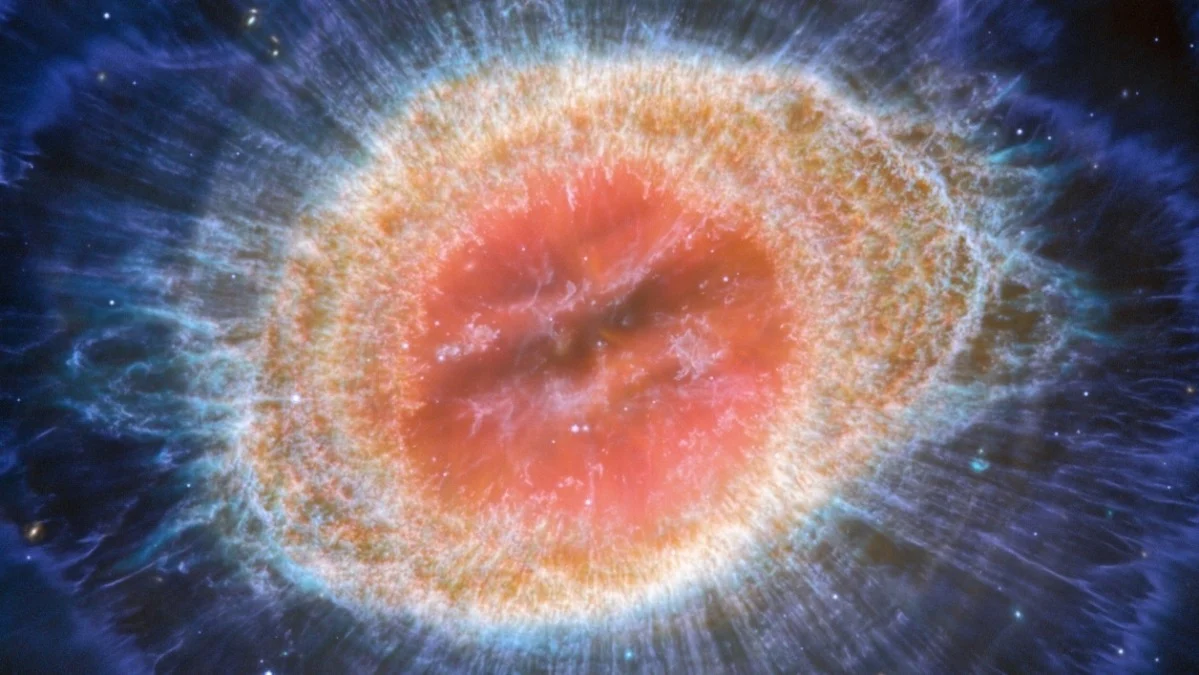
Scientists using the James Webb Space Telescope discovered a rare dust disk around the white dwarf in the Ring Nebula, raising questions about potential second-generation planet formation and the star's companions, providing new insights into the death of medium-sized stars.
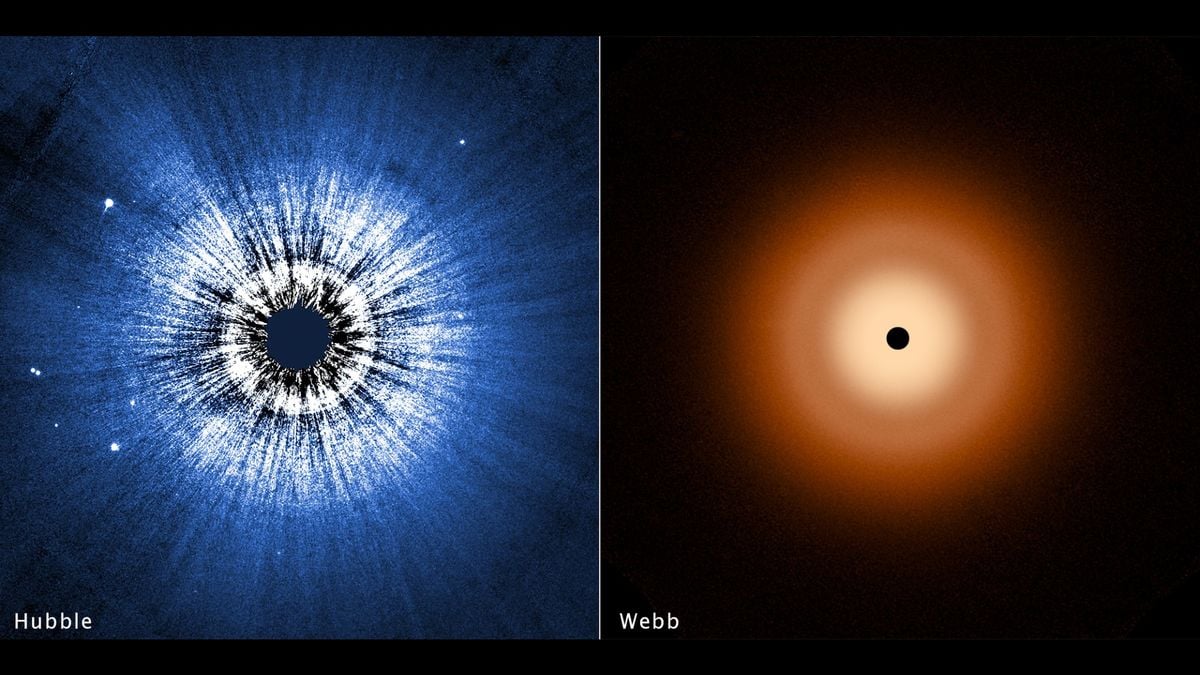
Astronomers using the Hubble and James Webb Space Telescopes have found a surprising lack of planets around the star Vega, despite its dusty disk. The observations reveal a smooth disk without distinct rings, unlike other stars like Fomalhaut, which have rings shaped by planets. While no planets larger than Neptune have been detected, the presence of smaller planets or super-Earths remains uncertain. The findings challenge current understanding of exoplanet systems and may help refine models of planet formation.
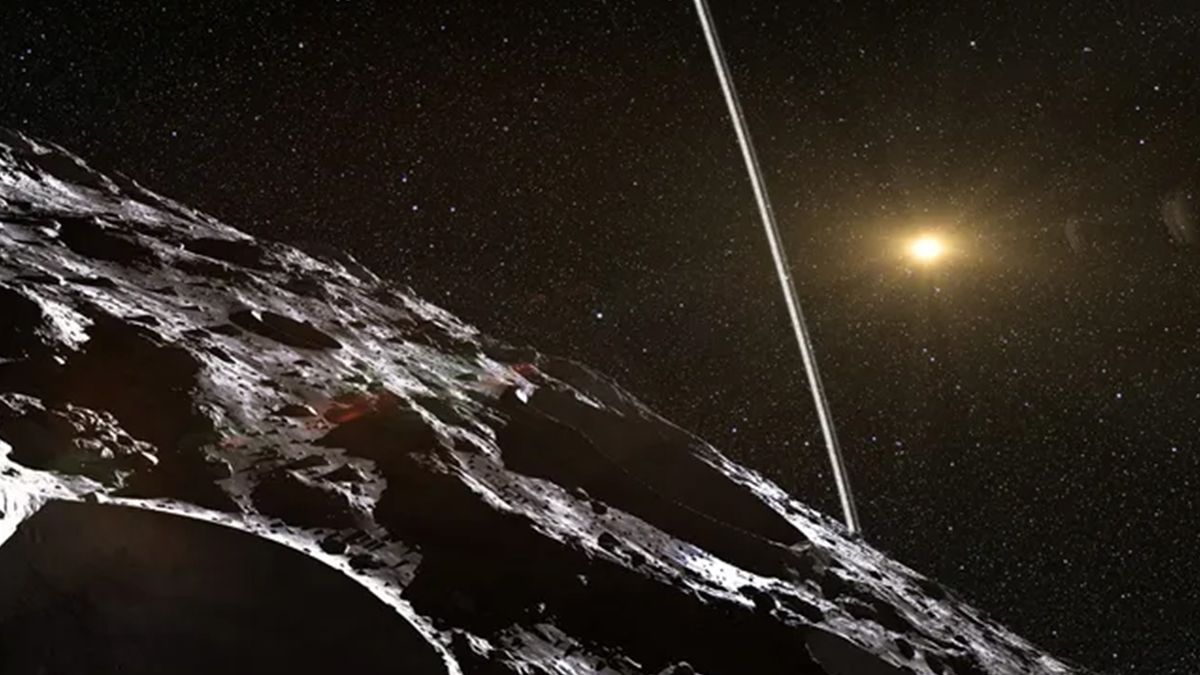
The Centaur object 2060 Chiron, located between Saturn and Uranus, has been found to have a transforming disk of dust around it that changes shape and can mimic rings. Observations during stellar occultations in 2011 and 2018 revealed the presence of dusty material at different distances from Chiron's center, suggesting an evolving system rather than stable rings. Another occultation in 2022 detected three symmetrical structures forming a wide disk around Chiron. The origin and composition of this material remain unknown, but it is likely to come from Chiron itself. These findings also raise questions about the nature of the structures around another Centaur, Chariklo.