Chad Chronister, Donald Trump's nominee for the Drug Enforcement Administration, has withdrawn from consideration, citing the gravity of the role. Trump, however, claims he withdrew Chronister due to disagreements with his supporters. Chronister faced criticism from conservatives for his actions during the COVID-19 pandemic and his stance on immigration enforcement. This marks the second withdrawal of a Trump nominee, following Matt Gaetz's exit amid a federal investigation.
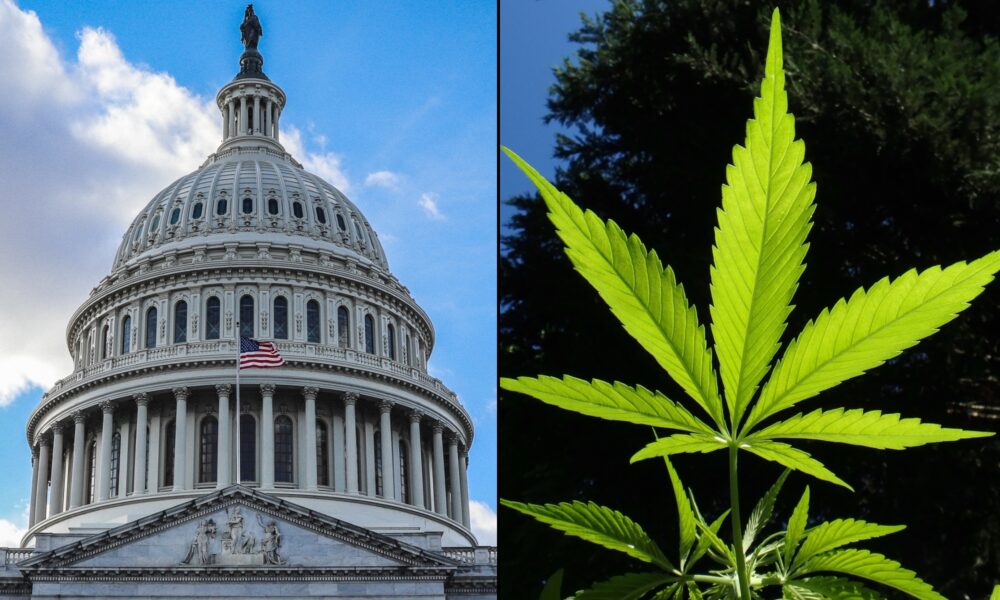
Congressman Earl Blumenauer is seeking clarification from the U.S. Department of Health and Human Services (HHS) regarding its reported request for a legal opinion from the Justice Department on the potential implications of marijuana rescheduling. The Biden administration's review of marijuana scheduling has sparked tension, with opponents of reform urging the Drug Enforcement Administration (DEA) to keep cannabis in Schedule I due to international treaty concerns. Legal experts and lawmakers have disputed this argument, emphasizing that rescheduling to Schedule III would better align with international obligations while promoting public health and safety. Blumenauer and Rep. Andy Harris have expressed frustration over the lack of progress in implementing cannabis research legislation.
Takeshi Ebisawa, an alleged leader of the yakuza, has been charged with attempting to sell weapons-grade nuclear materials from an insurgent group in Myanmar to someone he believed was an Iranian general, in exchange for a significant weapons cache. According to the US Justice Department, Ebisawa sent pictures and lab analyses indicating the presence of radioactive elements, and an undercover DEA agent allegedly agreed to help him sell the material. Thai law enforcement recovered nuclear samples previously shown to the agent by brokers and transferred them to US authorities, where a nuclear forensic lab found that they contained uranium, thorium, and weapons-grade plutonium.
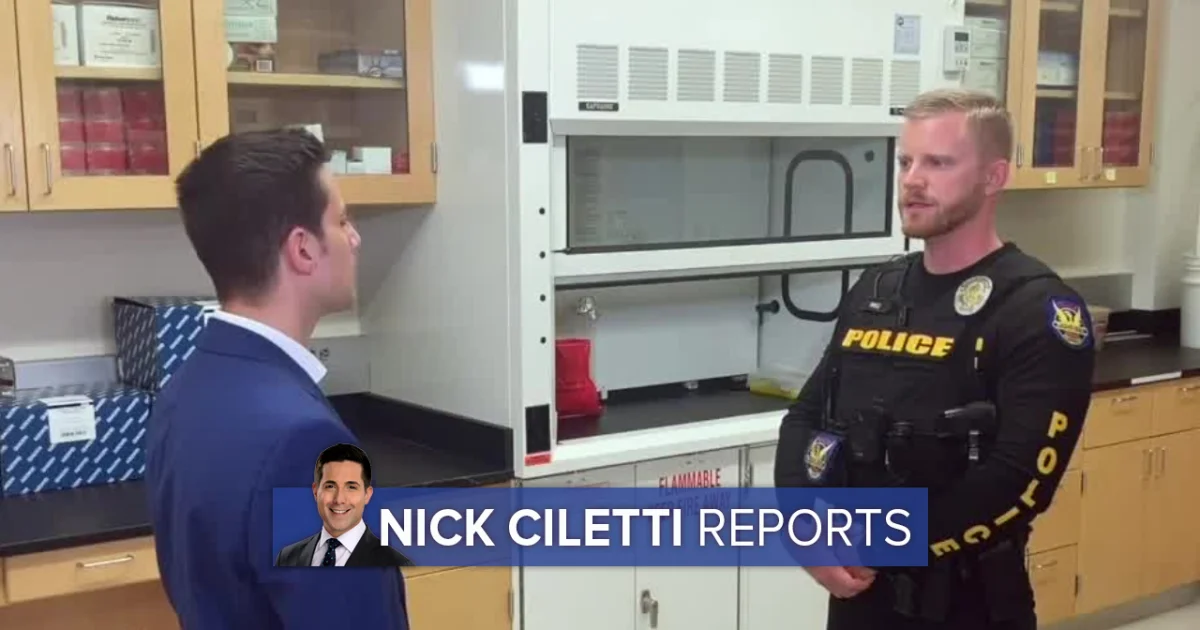
Utah-based company NarcX provides a safe and immediate drug disposal option for the increasing amount of seized fentanyl and other opioids in the U.S. The liquid solution neutralizes drugs on-site, preventing diversion and misuse, and ultimately helping to combat the opioid epidemic and fentanyl crisis. This method has gained traction in several Utah cities and is seen as a game-changer in the fight against illegal opioids.
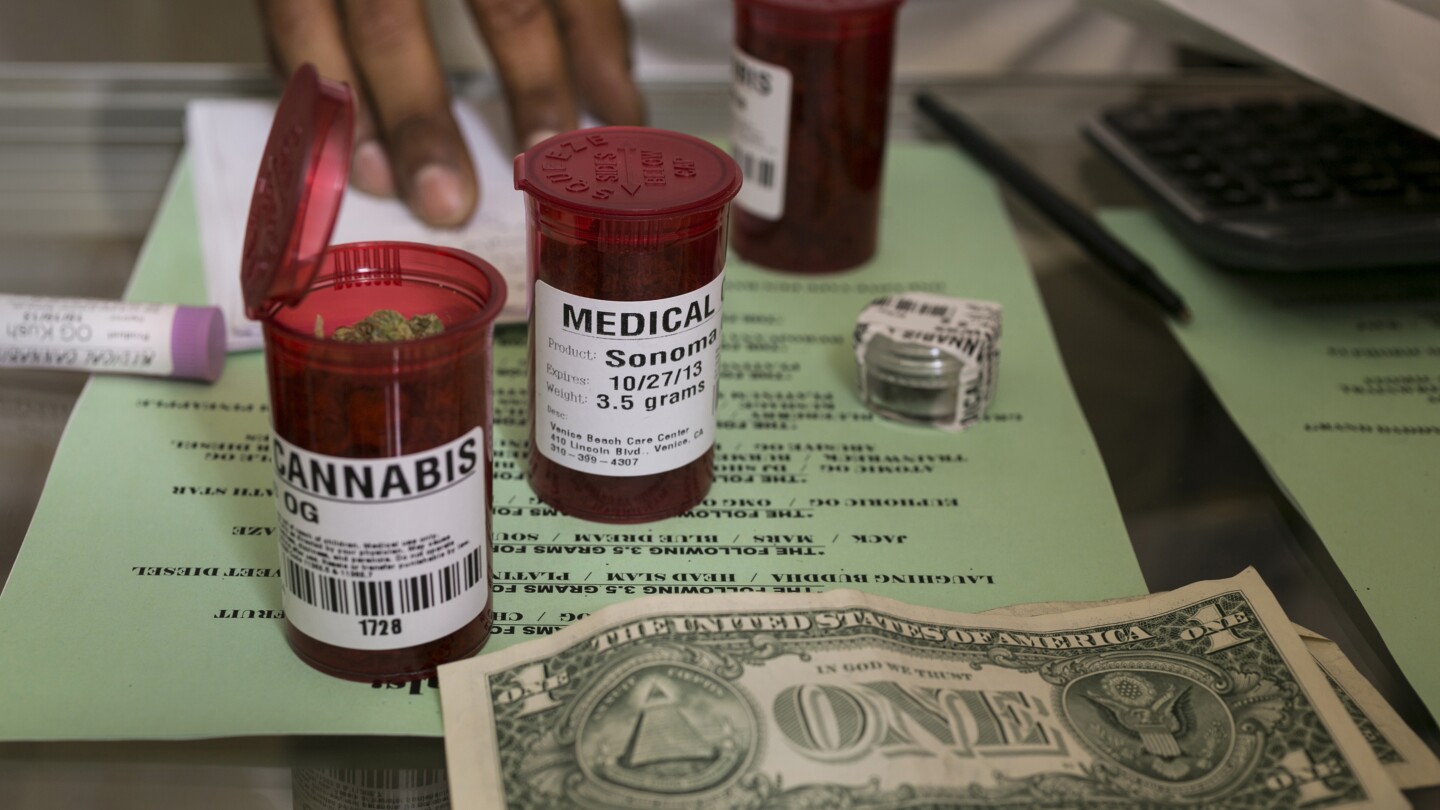
The U.S. Drug Enforcement Administration (DEA) has warned Georgia to halt its plans to allow pharmacies to dispense medical marijuana products, stating that it violates federal law. Despite state permission, the DEA memo states that pharmacies cannot lawfully possess, handle, or dispense marijuana or related products containing more than 0.3% THC. Georgia allows patients with certain illnesses to buy medical marijuana products with up to 5% THC, but the DEA considers products with a THC content above 0.3% to be illegal. The Georgia Access to Medical Cannabis Commission acknowledges that it cannot override the federal directive.
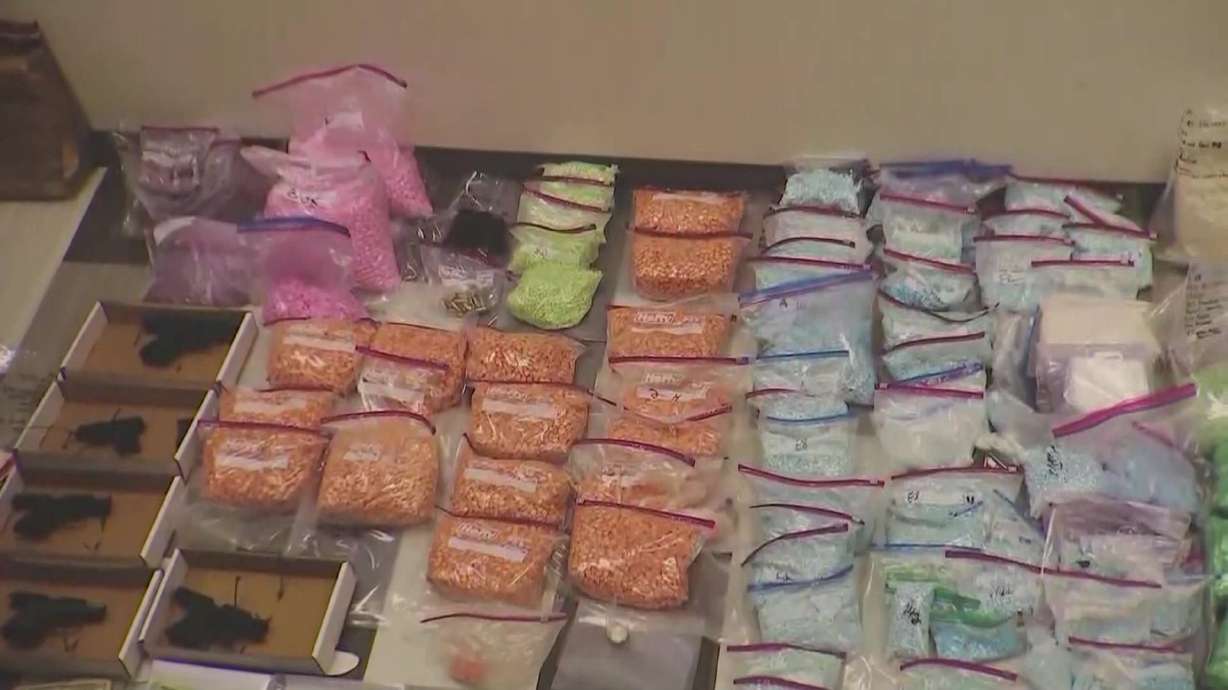
The growing fentanyl issue remains a concern for Phoenix police, as new numbers from the Drug Enforcement Administration reveal that agents have seized over 62.4 million fentanyl pills and 9,700 pounds of fentanyl powder in 2023 alone. In the Desert Horizon precinct of Phoenix, officers have already seized 1.9 million fentanyl pills by August 31 of this year, surpassing the 1.4 million seized in 2022. The availability and abundance of fentanyl, along with its decreasing price, have contributed to its widespread use, making Phoenix a hub for fentanyl trafficking.
Exclusive DEA documents obtained by ESPN reveal the extent of the Biogenesis scandal, the largest performance-enhancing drugs operation in U.S. sports history. The documents expose the involvement of superstar athletes, including All-Stars, MVPs, and potential Hall of Fame candidates, who were linked to the Miami wellness clinic run by Tony Bosch. The investigation also uncovers the unsavory tactics used by attorneys and league officials, as well as the lengths athletes would go to gain an advantage and protect their images.
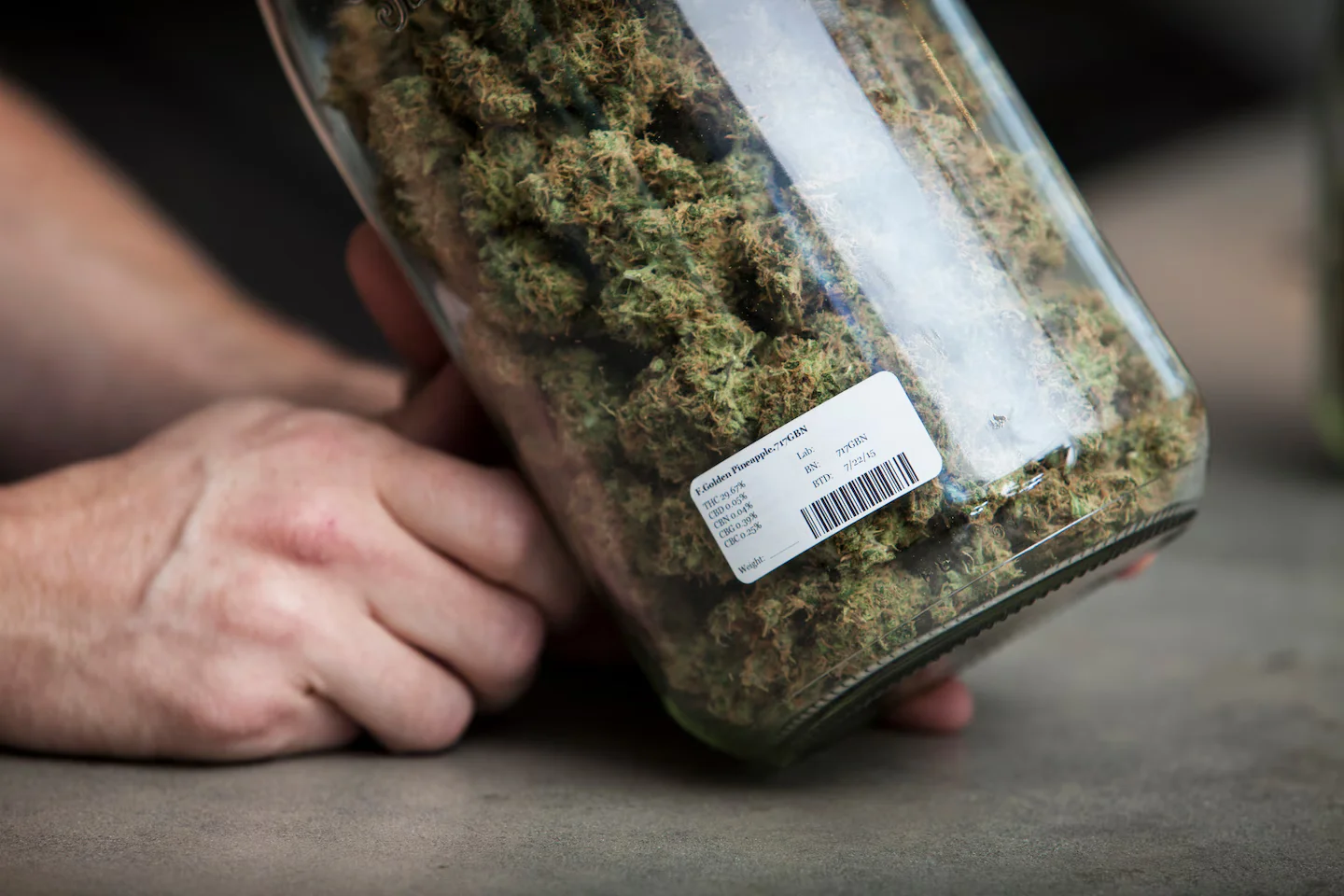
The Department of Health and Human Services (HHS) has recommended to the Drug Enforcement Administration (DEA) that marijuana be reclassified as a lower-risk, Schedule III controlled substance, a move that could lead to a significant shift in federal policy on cannabis. While this would not outright legalize marijuana at the federal level, it could boost the regulated marijuana industry in states where it is legal and facilitate more scientific research into the drug's effects. The recommendation aligns with President Biden's efforts to reshape marijuana policies, and if accepted by the DEA, it would mark a historic step in cannabis reform. However, advocates for full legalization argue that the recommendation doesn't go far enough and that cannabis should be treated similarly to tobacco and alcohol.
The U.S. Department of State has issued a warning about counterfeit pharmaceuticals containing illicit drugs being sold in Mexican pharmacies. The counterfeit medications were tainted with substances including fentanyl and methamphetamine. The department advised people to exercise caution when purchasing medicine and to buy medication in consultation with a medical professional and from reputable establishments. Counterfeit medications are readily advertised on social media and can be purchased at small, non-chain pharmacies in Mexico along the border and in tourist areas. The kidnapping of four Americans earlier this month in a Mexican border town has also put a spotlight on "medical tourism."