
politicshealth2.18 min read
"South Korea's Yoon Stands Firm Amid Doctors' Strike Over Medical School Plan"
1 year ago•Source: Reuters

The latest politicshealth stories, summarized by AI

A top Biden administration health official, Robert Califf, is privately urging allies to lobby the White House to ban menthol cigarettes nationwide, fearing that President Biden may avoid the proposal to appease Black voters. Califf has faced pushback from influential Black allies who warn that outlawing menthol cigarettes could worsen overpolicing and hurt Biden's standing among Black voters. The FDA finalized its policy banning menthol cigarettes last October, but the White House has yet to give it the green light. Califf has enlisted support internally and externally, but the final decision rests with Biden and his top advisers.

U.S. Defense Secretary Lloyd Austin has been hospitalized at Walter Reed National Military Medical Center since January 1 due to complications from an elective medical procedure. The Pentagon delayed announcing his condition, which has raised concerns amidst heightened tensions in the Middle East. Austin, 70, is recovering and has resumed his duties while hospitalized. Deputy Defense Secretary Kathleen Hicks was ready to assume his responsibilities if needed. The Pentagon Press Association criticized the lack of transparency regarding Austin's health, emphasizing the public's right to know about the health status of high-ranking officials.

U.S. Secretary of Defense Lloyd Austin has been hospitalized at Walter Reed National Military Medical Center since January 1 due to complications from a minor elective procedure. The Pentagon did not initially disclose his hospitalization, which has drawn criticism from the Pentagon Press Association amid concerns about transparency and national security. Austin is expected to resume full duties soon, and Deputy Defense Secretary Kathleen Hicks was prepared to step in if necessary. Austin's hospitalization comes at a time when the U.S. is involved in significant military and security operations in the Middle East and Ukraine.
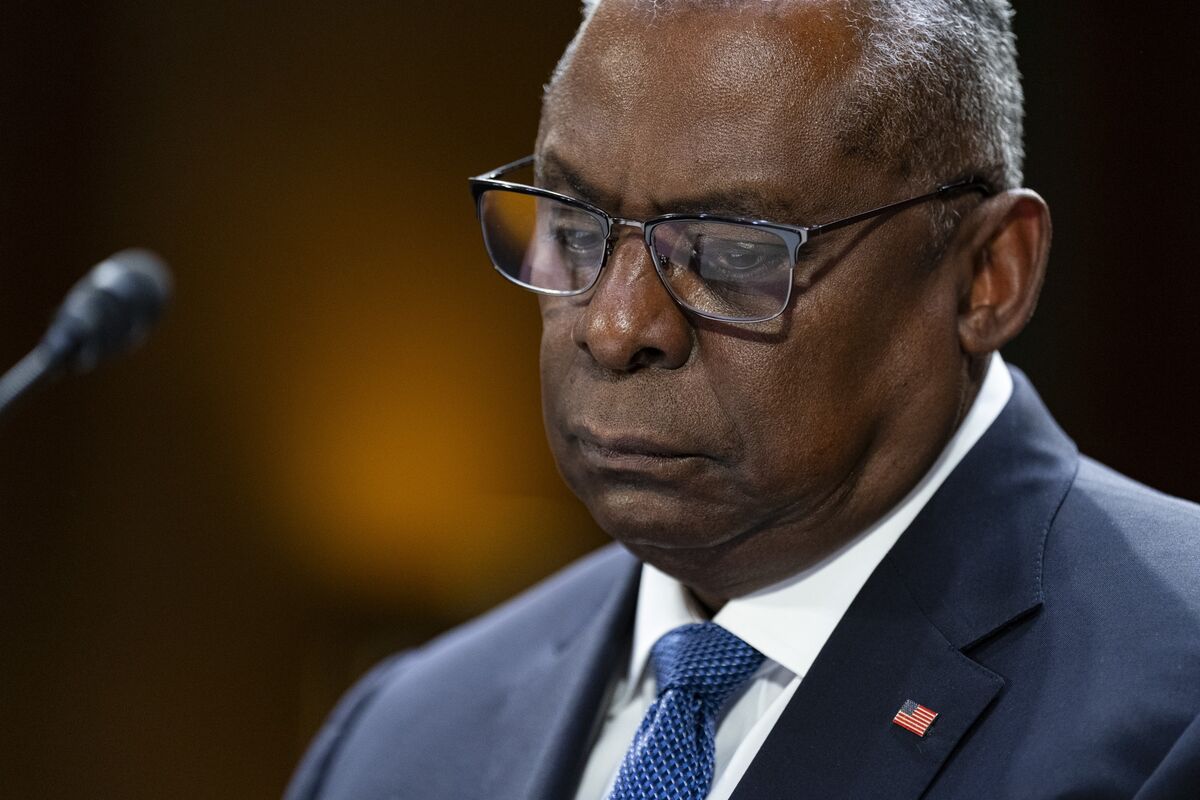
US Defense Secretary Lloyd Austin was hospitalized due to complications from an elective medical procedure. The Pentagon announced his hospitalization four days after the fact, stating that he is recovering well and expected to return to full duties. Deputy Defense Secretary Kathleen Hicks was on standby to assume his responsibilities if necessary during his recovery.
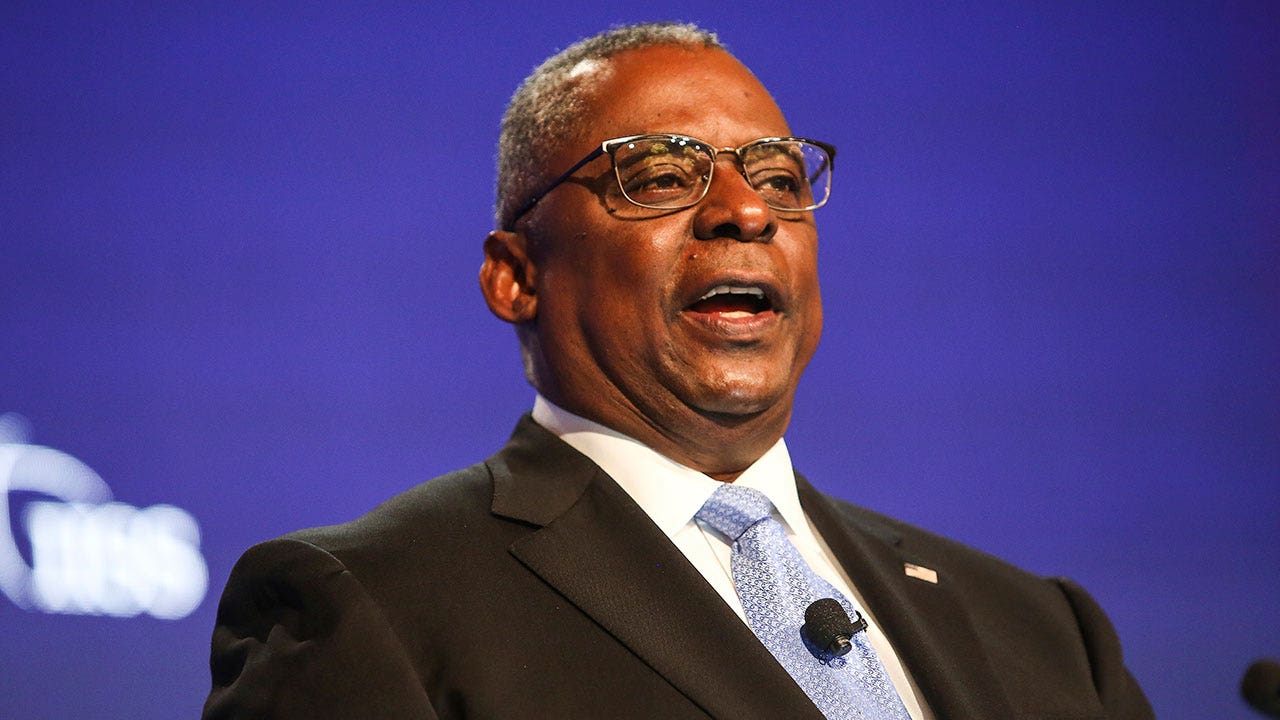
U.S. Defense Secretary Lloyd Austin was admitted to Walter Reed National Military Medical Center due to complications following an elective medical procedure. The Pentagon disclosed the hospitalization after several days, citing medical and personal privacy issues, which led to criticism from the Pentagon Press Association for not informing the public sooner. Deputy Defense Secretary Kathleen Hicks has been prepared to assume Austin's duties if necessary. Austin is expected to resume his full duties shortly.
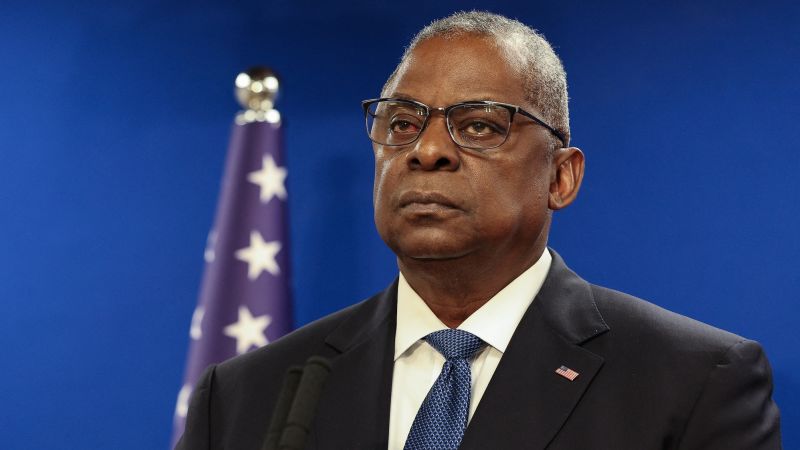
U.S. Defense Secretary Lloyd Austin is recovering at Walter Reed National Military Medical Center following complications from an elective medical procedure. The Pentagon disclosed his hospitalization four days after the fact, without detailing the nature of the procedure or complications. Deputy Defense Secretary Kathleen Hicks is prepared to assume his duties if necessary. The Pentagon Press Association criticized the delayed announcement, citing the public's right to know about the health status of high-ranking officials. Austin had authorized a military strike before his hospitalization, and his condition has raised concerns due to the current national security challenges facing the U.S.
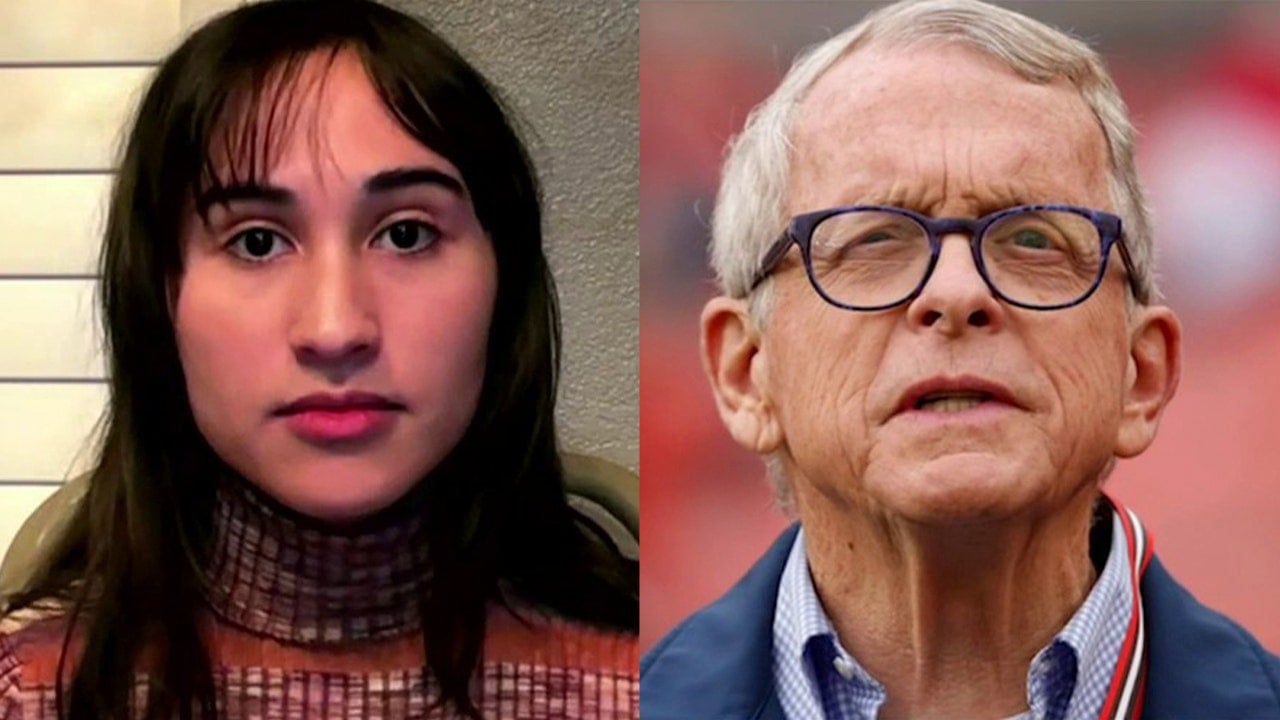
Detransitioner Chloe Cole criticized Ohio Governor Mike DeWine for vetoing a bill that would have banned gender-affirming care for minors, accusing him of being complicit in what she describes as the "sterilization and mutilation" of children. DeWine defended his veto, arguing that parents, not the state, should decide what's medically best for their children and citing the potential life-saving impact of such treatments. Cole, who regrets her own transition process, argues that children need psychiatric help, not medical intervention, for gender dysphoria. Governor DeWine's office has not commented on the matter.

Senator John Fetterman of Pennsylvania opened up about his struggle with depression and suicidal thoughts, revealing that he feared it would end his political career. Despite these challenges, including a stroke and subsequent heart issues, Fetterman sought treatment at Walter Reed National Military Medical Center and has since returned to his duties in the Senate with his depression in remission. His personal battle highlights the importance of mental health awareness and treatment, even amidst the pressures of a high-profile political career.

During a debate, Florida Gov. Ron DeSantis cited a Lancet study to claim Florida managed COVID-19 better than California, adjusting for age and chronic illness prevalence. However, the study's lead author, Thomas J. Bollyky, clarified that the study does not support the dismissal of public health measures like masks and vaccines. Bollyky emphasized that Florida's early aggressive policies and continued health-conscious behaviors among Floridians contributed to the state's performance. The study also found no correlation between strict health mandates and negative economic impacts across states. Critics argue that DeSantis's current stance on vaccines and masks contradicts the early actions that helped Florida during the pandemic.