

Tag

Dietary Research

All articles tagged with #dietary research

science5 months ago

Processed and Ultra-Processed Foods Linked to Increased Lung Cancer Risk

A detailed review of a recent meta-analysis suggests that the evidence linking processed meat to health risks like diabetes, cancer, and heart disease is weak and inconsistent, partly due to the broad definition of processed meats and challenges in dietary research. While high consumption of processed meat is generally associated with poorer health, the study does not definitively prove causation, and individual processed meats vary significantly in their health impact. Moderation is advised, but occasional consumption of processed meats like salami may not be harmful.

health1 year ago

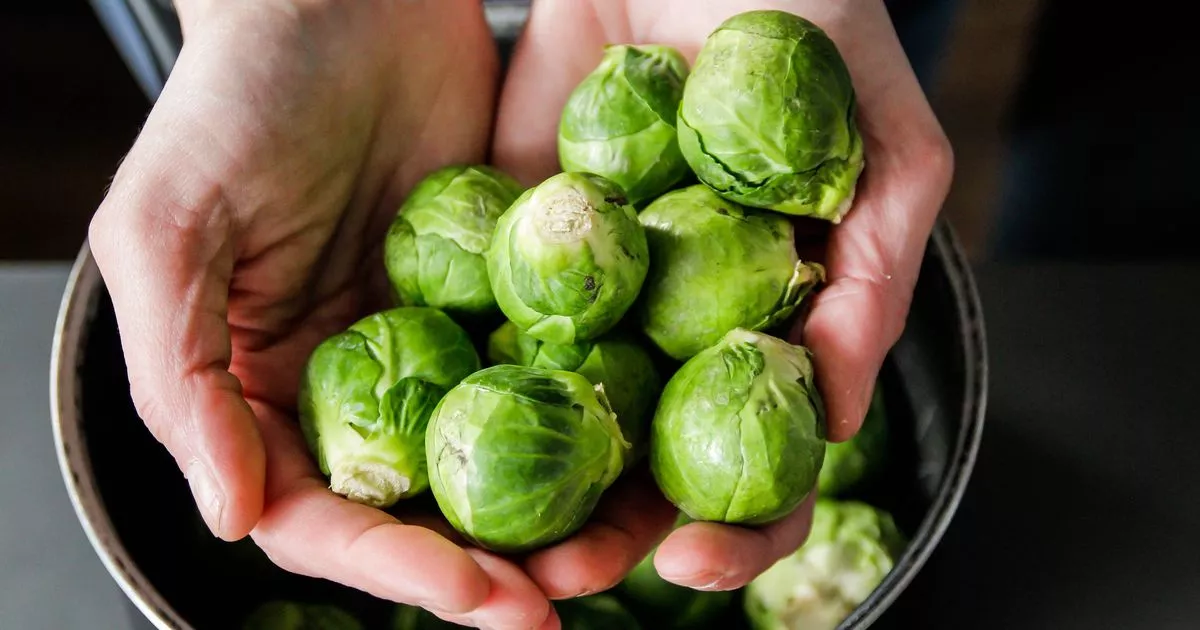
Christmas Veg Shortage Linked to Stroke and Heart Attack Risks

A study suggests that consuming cruciferous vegetables like cabbage and Brussels sprouts can significantly reduce the risk of stroke and heart attacks in older adults by preventing artery hardening. The research, involving elderly women, found that those with higher intake of these vegetables had thinner carotid artery walls, which is linked to lower cardiovascular risk. The study highlights the potential vascular protective effects of cruciferous vegetables, though it is observational and cannot establish causality. The findings support dietary guidelines promoting increased consumption of these vegetables for cardiovascular health.

health-and-science2 years ago

"Eat More, Weigh Less: The Isoleucine Paradox for Longevity"

New research challenges the idea that all calories are equal, suggesting that reducing isoleucine in the diet can lead to significant health benefits such as extended lifespan, reduced frailty, and lower cancer rates, even with increased calorie consumption. The study in mice showed that cutting down isoleucine led to leaner bodies, increased calorie burning, steadier blood sugar levels, and reduced age-related prostate enlargement and cancer risk. While humans need isoleucine to live, the findings point toward potential dietary interventions for improving human health and understanding the biological processes involved.