
Brain Reactivity in Adolescents Linked to Future Depression Risk: Neuroimaging Study
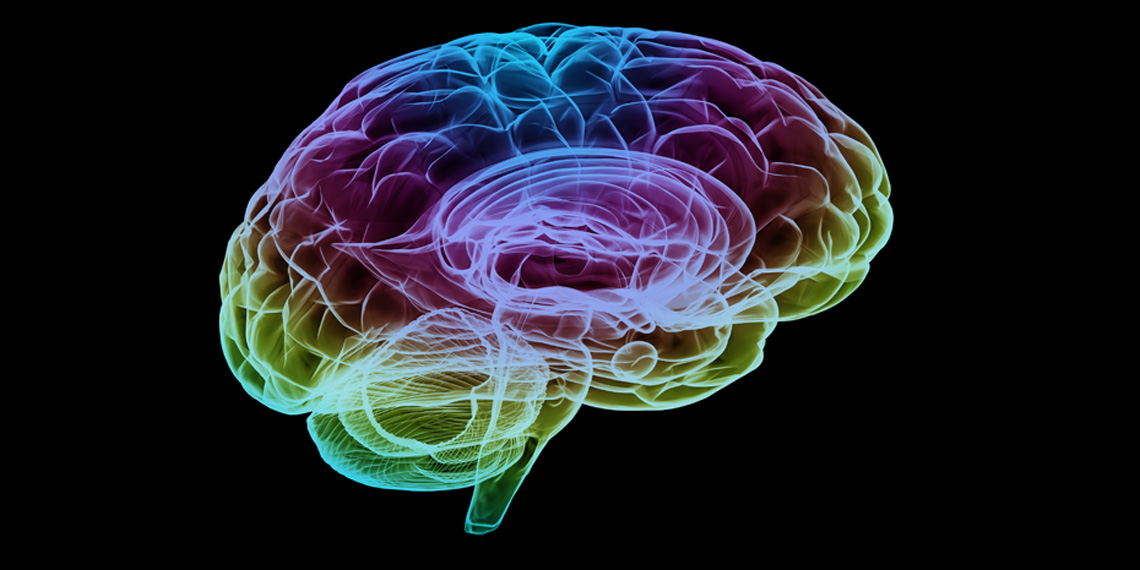
A neuroimaging study has found that heightened brain activity in response to emotionally charged tasks in the right inferior occipital gyrus, a brain region responsible for processing visual stimuli, in adolescents is associated with lower distress tolerance and increased levels of depressive symptoms two years later. Distress tolerance, the ability to manage emotional distress without harmful behaviors, plays a crucial role in resilience against psychopathologies. The study suggests that distress tolerance may mediate the relationship between emotional reactivity and depressive symptoms. The findings highlight the importance of understanding risk factors for depression in adolescents.
Reading Insights
0
7
4 min
vs 5 min read
89%
851 → 94 words
Want the full story? Read the original article
Read on PsyPost