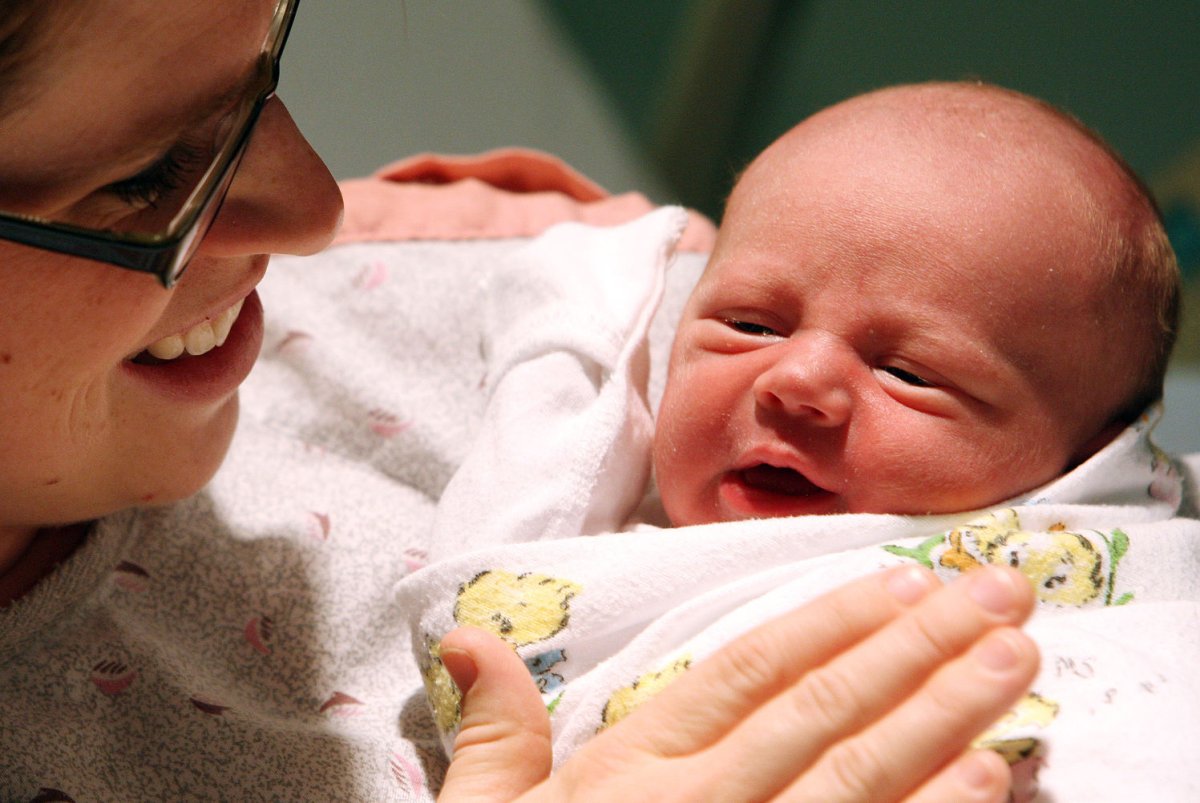
Finland's birth rate remains historically low despite generous family support policies, driven by factors like economic uncertainty, relationship challenges, and changing life priorities among young people, raising concerns about future demographic shifts and policy effectiveness.
A recent study warns that due to slowed improvements in survival rates, no generation born after 1939 is expected to reach an average lifespan of 100 years, highlighting a plateau in longevity gains in high-income countries and implications for healthcare and social planning.
Alcohol-related deaths in the US have nearly doubled over the past 20 years, with a significant increase during the COVID-19 pandemic, especially among women aged 25-34 and Native American populations, highlighting the urgent need for targeted prevention and treatment policies.
A recent study shows that circumcision rates in the U.S. have declined from 54% to 49% between 2012 and 2022, influenced by parental distrust of medical advice, demographic shifts, and changes in health insurance coverage, despite recommendations from health authorities about its health benefits.
A UN report projects the world population will peak at 10.8 billion in the 2080s before declining to 10.2 billion by 2100, driven by factors like urbanization and migration but tempered by falling fertility rates. Over half of countries have fertility rates below the replacement level, with some experiencing "ultra-low" rates. This demographic shift could reduce environmental pressures due to lower consumption. Peak population has already occurred in 63 countries, while others will reach it between 2025 and 2054. The US and 125 other countries are expected to continue growing until the latter half of the century.
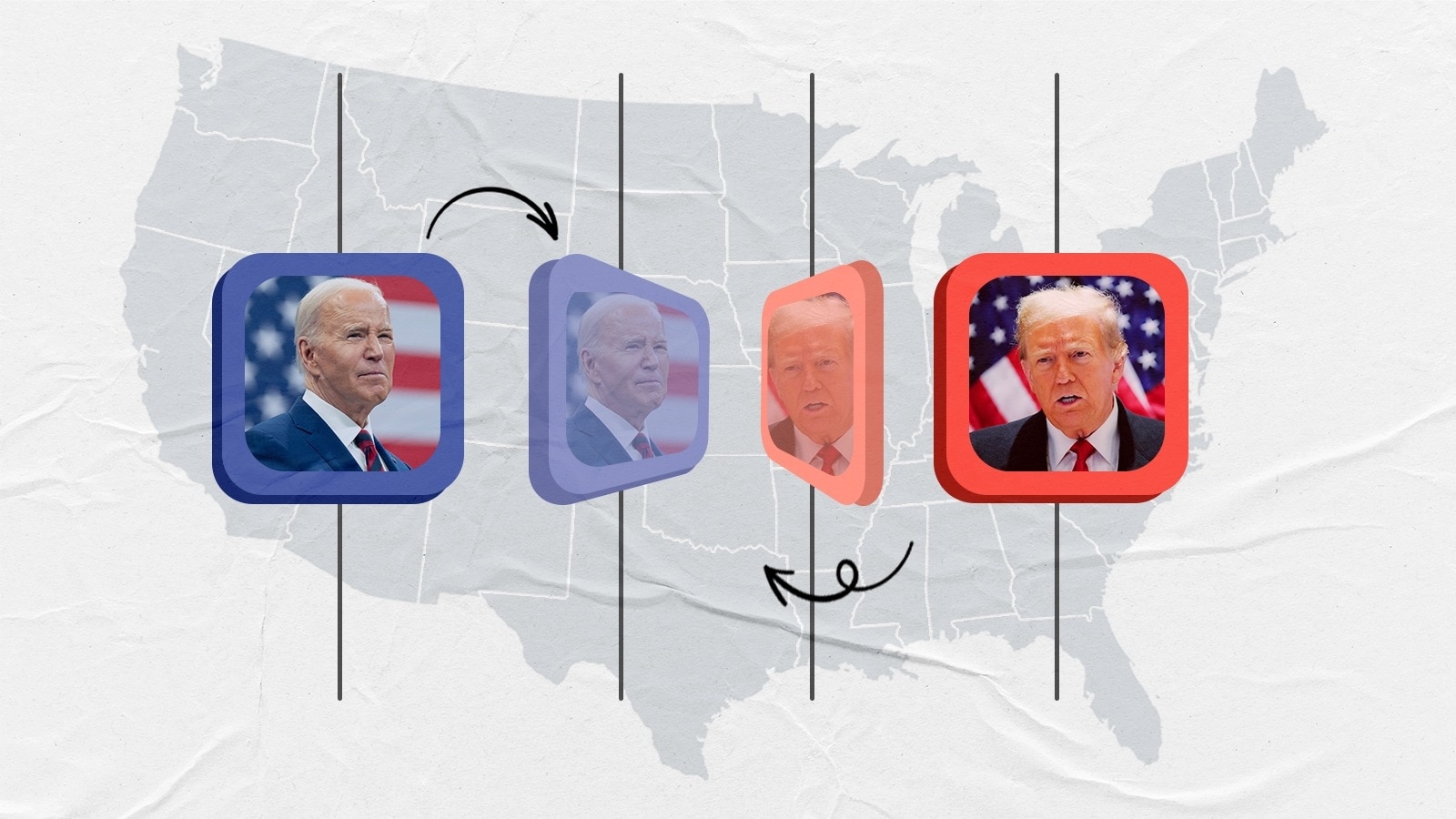
538 has introduced the Swing-O-Matic interactive tool to explore how demographic shifts might impact the 2024 election. Users can adjust preferences and turnout levels for various demographic subgroups to see how it affects the Electoral College map. Hypothetical scenarios include shifts in support among non-college-educated and nonwhite voters favoring Trump, as well as potential gains for Biden among older and white voters. The tool also examines the impact of changes in turnout among specific groups. While dramatic swings are unlikely, the tool provides a useful overview of how different demographic trends could influence the election outcome.
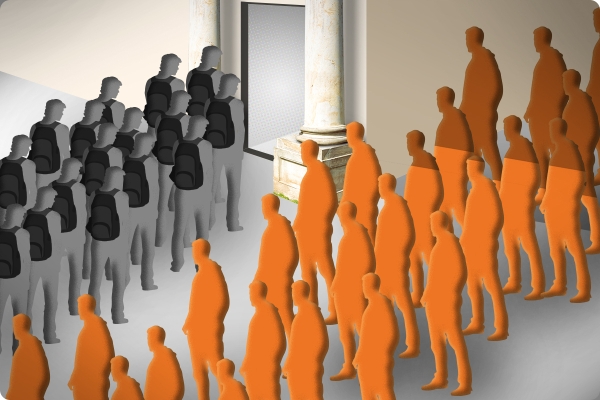
Undergraduate enrollment in the U.S. has increased by 2.1% this fall, marking the first total increase since 2020. However, freshman enrollment declined by 3.6%, particularly affecting white students and highly selective institutions. Graduate enrollment rose by 0.7%, with growth in graduate certificate programs. Community college enrollment increased by 4.4%, driven by dual-enrollment programs. Female enrollment grew at a slower rate than male enrollment. The report suggests that shifting demographic trends and the impact of the pandemic on K-12 education may be contributing to the decline in traditional-age and white freshmen. Community colleges are experiencing a rebound, with an emphasis on shorter-term degrees and workforce pathways.
The US housing market is exhibiting similarities to the 1980s, with surging mortgage rates, high inflation, and pent-up demand from a growing demographic boom. Bank of America suggests that this could mean prices are unlikely to rise further and may even slightly fall, although not to the extent seen during the 2008 housing crash. The challenge lies in how long consumers can tolerate high mortgage rates, as affordability becomes a concern for many millennials. Other parallels include home price surges followed by flatlining growth, as well as a significant decline in existing home sales. While limited inventories and labor shortages may persist, the housing market could stabilize and improve with the Federal Reserve's rate cuts.