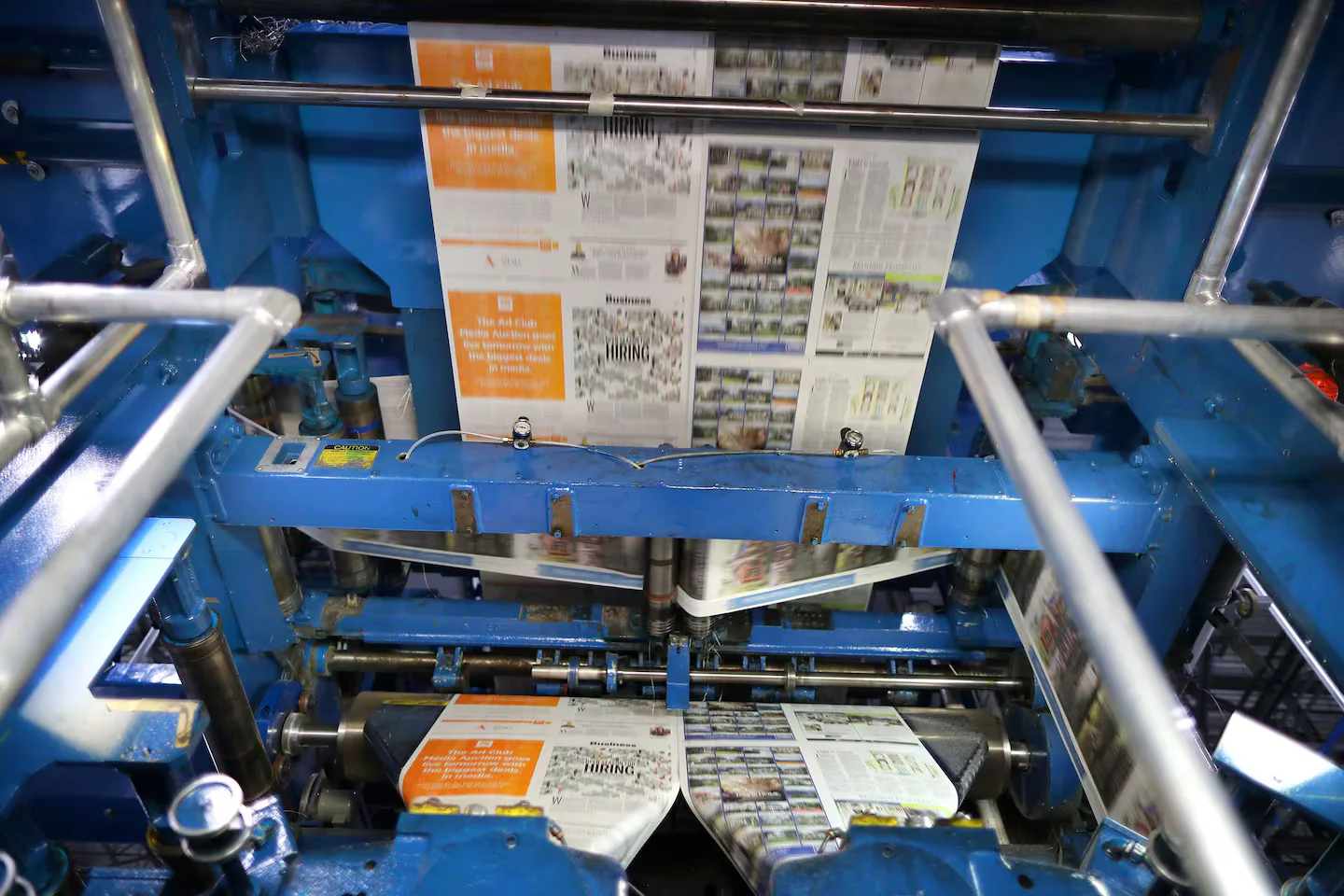
Snowbound: Boston Globe cancels Tuesday print edition amid historic blizzard
The Boston Globe will not publish its Tuesday print edition due to a historic blizzard that stranded staff at the Taunton printing press, delaying delivery until Wednesday.

All articles tagged with #delivery delay
The Boston Globe will not publish its Tuesday print edition due to a historic blizzard that stranded staff at the Taunton printing press, delaying delivery until Wednesday.

Tesla has halted Cybertruck deliveries due to an "unexpected delay" related to vehicle preparation, with reports suggesting a recall over an accelerator problem. A TikTok video showed a potential issue with excessive lubricant causing the accelerator pedal cover to jam, but Tesla has not confirmed the exact reason for the delay. Deliveries are expected to resume on April 20, but the situation may impact later deliveries as well. The vehicle, which faced production delays, has also seen complaints regarding visibility, offroading difficulties, safety concerns, and other issues.

Tesla has halted Cybertruck deliveries due to an accelerator pedal issue caused by lubricant residues, with plans to resume deliveries after redesigning the pedal cover. Additionally, the company has reduced the price of its Full Self-Driving (FSD) subscription to $99 per month in the U.S. and Canada, while also planning to introduce new features for the Cybertruck through upcoming software updates, including faster charging capabilities and Cabin Overheat Protection.
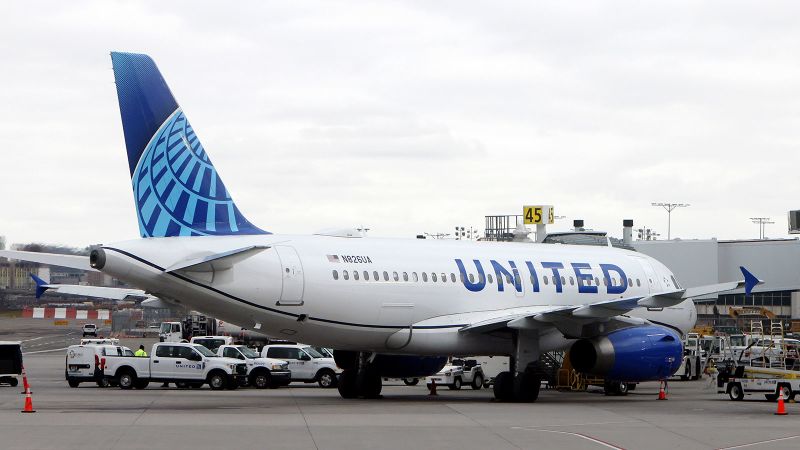
United Airlines is asking its pilots to take voluntary unpaid leave in May due to delays in Boeing deliveries, reducing forecasted block hours for 2024. The offer may extend into summer and fall, with the company still paying some benefits while the pilot is out. This comes as the industry faces a pilot shortage and United halts new pilot hiring due to continued Boeing delays. The airline is considering buying more jets from Boeing competitor Airbus, and recent incidents with Boeing planes have raised concerns.
Boeing has delayed the delivery of 50 of its 737s due to a new 'non-conformance' issue discovered at its Renton facility, following a previous halt in production to address a MAX-9 door plug blowout. The company informed employees about the latest issue in an internal memo, stating that all fuselages at the facility will be inspected before the delay is over. While the issue is not an immediate flight safety concern, rework will be required on the affected airplanes, and the company is dedicating several days to address the issue.
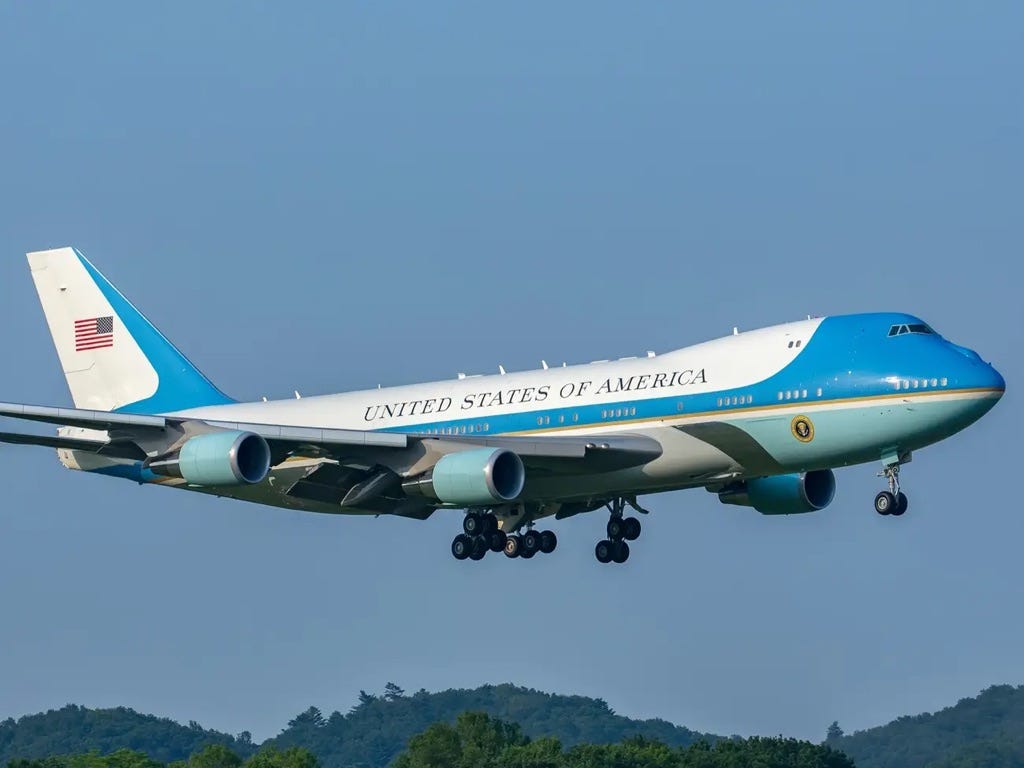
Boeing has reported a loss of $482 million in the third quarter on the construction of two new Air Force One planes, bringing the total losses to over $2 billion. The company attributed the losses to higher manufacturing costs, engineering changes, labor instability, and negotiations with suppliers. The delivery date for the planes has been pushed back by another two years to 2026. Former President Donald Trump was personally involved in the negotiations and threatened to cancel the contract, ultimately signing a fixed-price agreement that holds Boeing responsible for any cost overruns. The total cost of the project is now estimated to be over $5 billion.
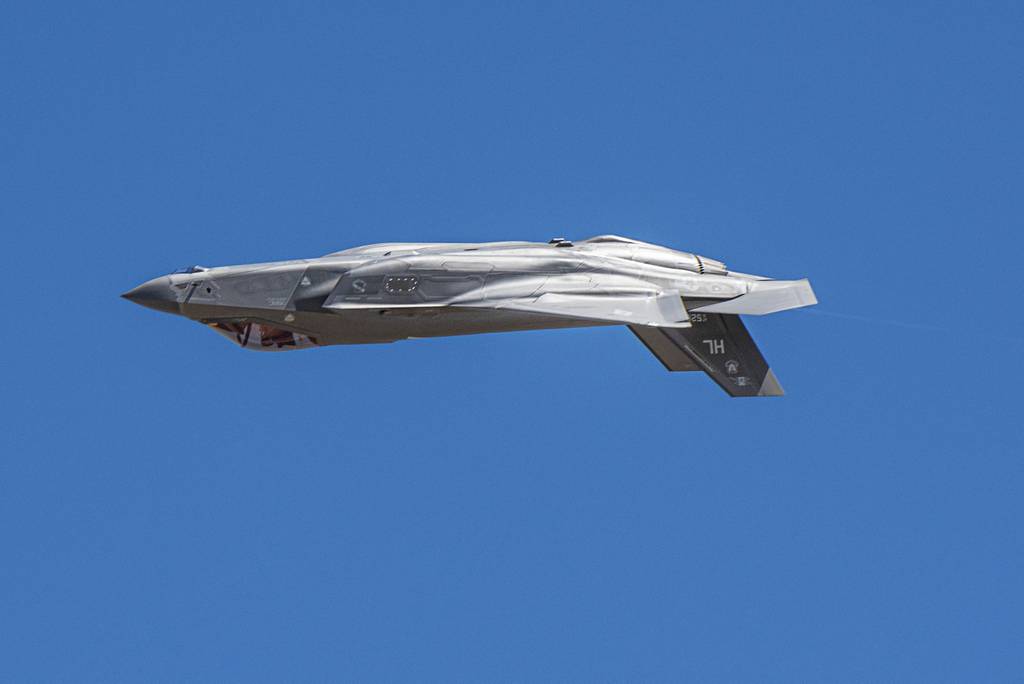
The delivery of F-35 fighters upgraded with new capabilities, known as Technology Refresh 3 (TR-3), may be delayed until at least April 2024, and possibly as late as June 2024, according to the F-35 Joint Program Office and Lockheed Martin. The TR-3 upgrades, which include improved displays, computer memory, and processing power, are necessary before a more extensive modernization effort, called Block 4, can be implemented. The delay could result in up to 150 F-35s being parked at Lockheed Martin facilities until they can be delivered. Issues with TR-3's hardware and software have caused the development to fall behind schedule, and the completion of the software remains a challenge. Lockheed Martin now expects to deliver 97 F-35s this year, all in the previous TR-2 configuration, instead of the originally planned 147 to 153 fighters.
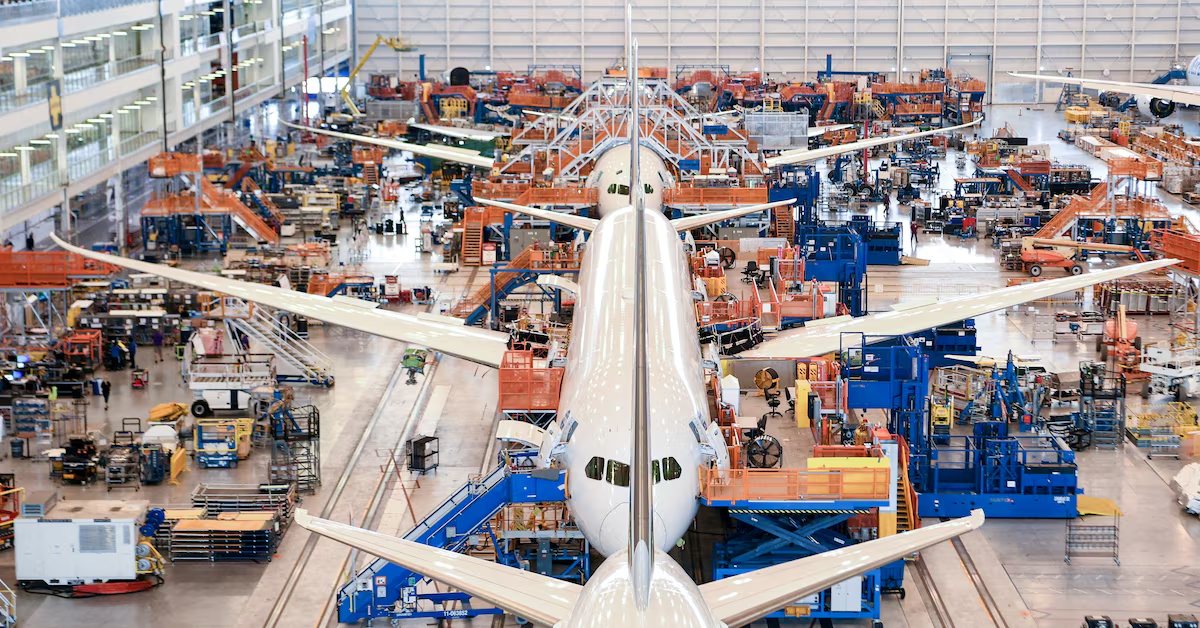
Boeing has discovered a new production flaw in its 787 Dreamliner that will require it to inspect all 90 jets in its inventory, potentially slowing deliveries. The issue involves a fitting for the horizontal stabilizer that was improperly sized and did not meet specifications. While the flaw does not pose a flight safety concern, it adds to the delays for Boeing as it struggles to rework the planes before they can be delivered to customers. The FAA has validated Boeing's assessment that there is no immediate safety issue for 787s already in service, but will not issue any new airworthiness certificates until the matter is addressed to its satisfaction.
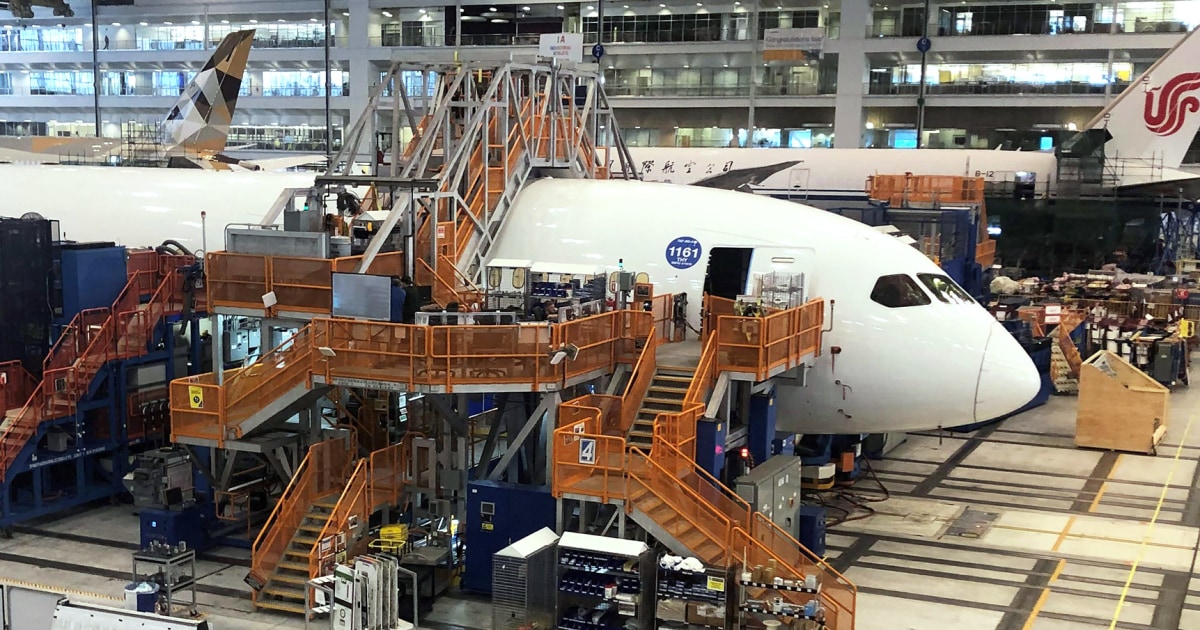
Boeing has warned of a new defect on its 787 Dreamliner planes, which will delay deliveries of the wide-body aircraft. The issue relates to tiny spacing in the horizontal stabilizer, but Boeing said it isn’t related to flight safety and that planes in service can continue operating. Near-term deliveries will be delayed by about two weeks, but the latest issue currently doesn’t affect Boeing’s full-year outlook for Dreamliner deliveries. This is the latest in a spate of manufacturing issues on Boeing planes that have slowed if not paused deliveries of certain aircraft outright, just as airlines are clamoring for new planes to capitalize on the travel boom.
Boeing has discovered a new production flaw in its 787 Dreamliner, which could slow the delivery of 90 jets in its inventory. The issue involves a fitting for the 787's horizontal stabilizer made by a Boeing production facility in Salt Lake City, Utah. Boeing will need to inspect all 90 Dreamliners in its inventory before they can be delivered, and it expects it will take two weeks to fix each aircraft. The company expressed optimism that it can still deliver 70-80 of the widebody jets this year as planned. The issue does not pose a flight safety concern, and the FAA has been notified.
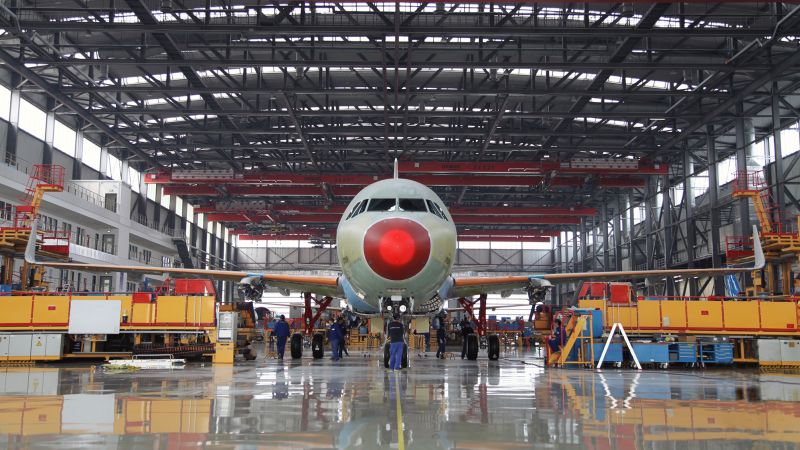
Airbus plans to open a second finishing line in China, widening its lead over Boeing in the country. Meanwhile, Ryanair CEO Michael O'Leary has criticised Boeing for the slow delivery of its 737 jets in expletive-laden remarks.