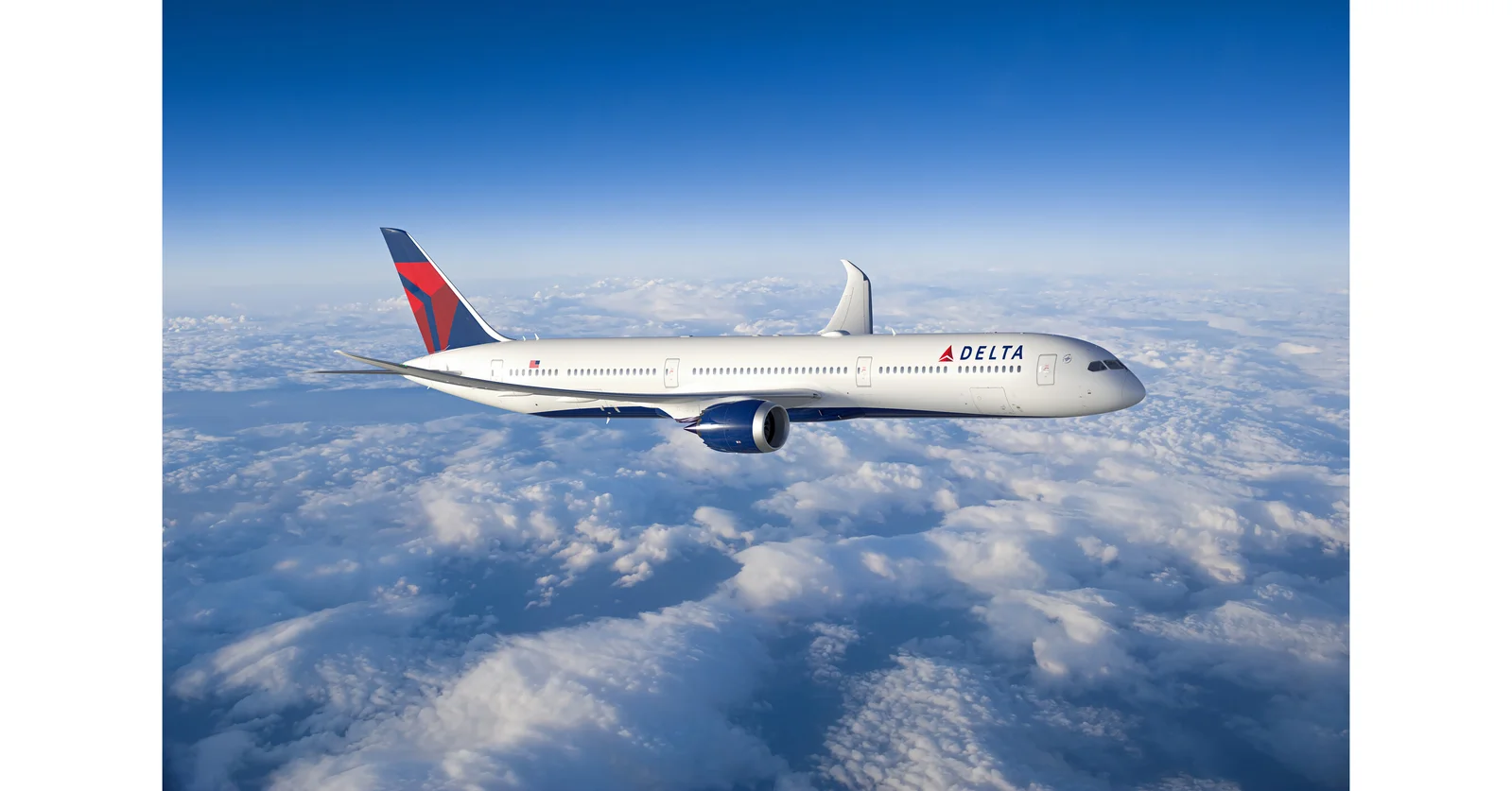
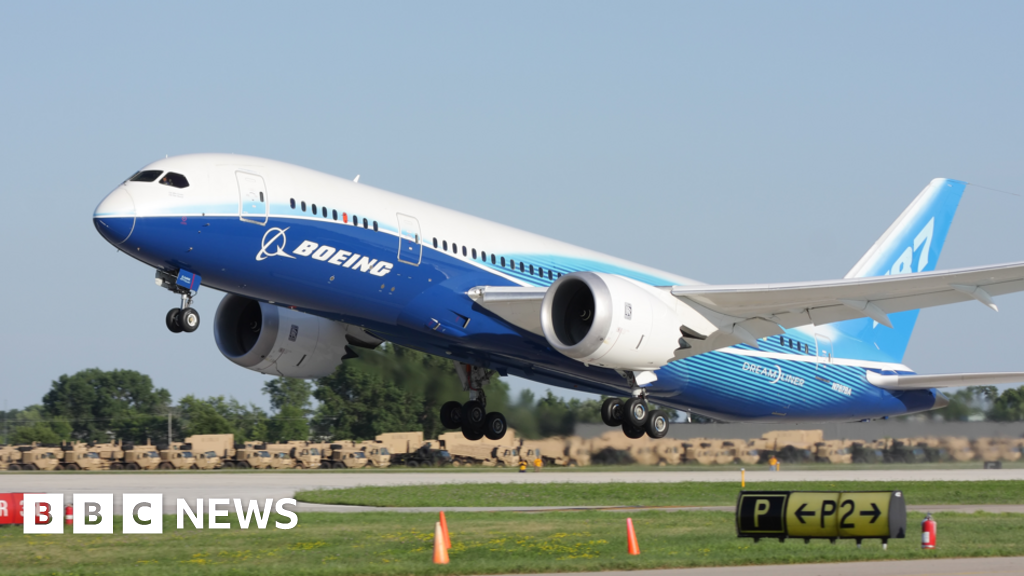
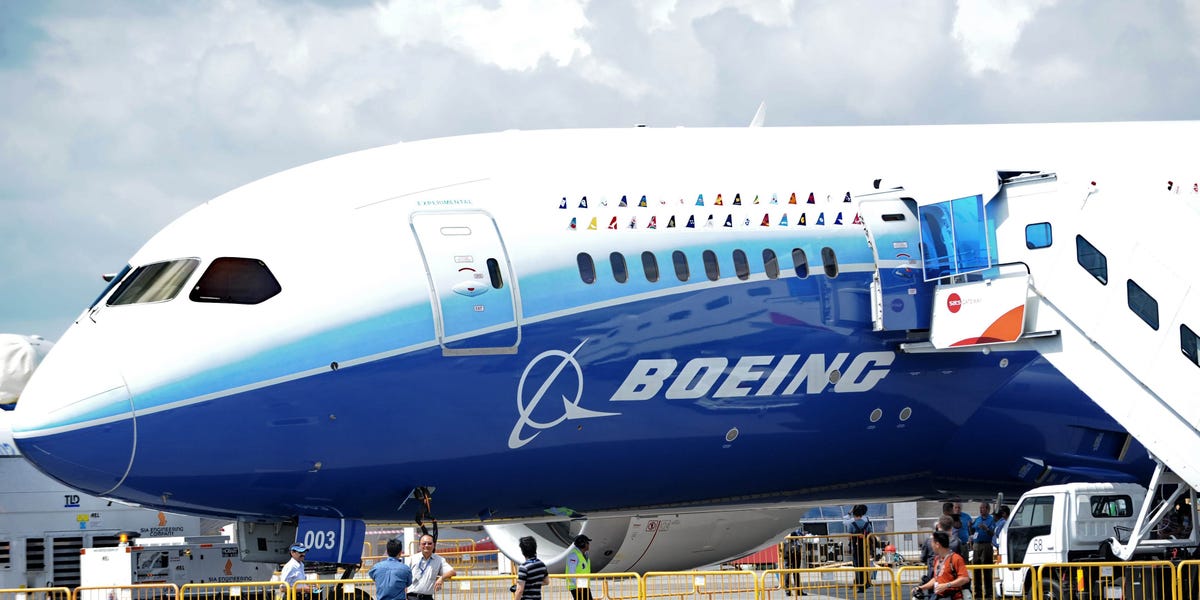
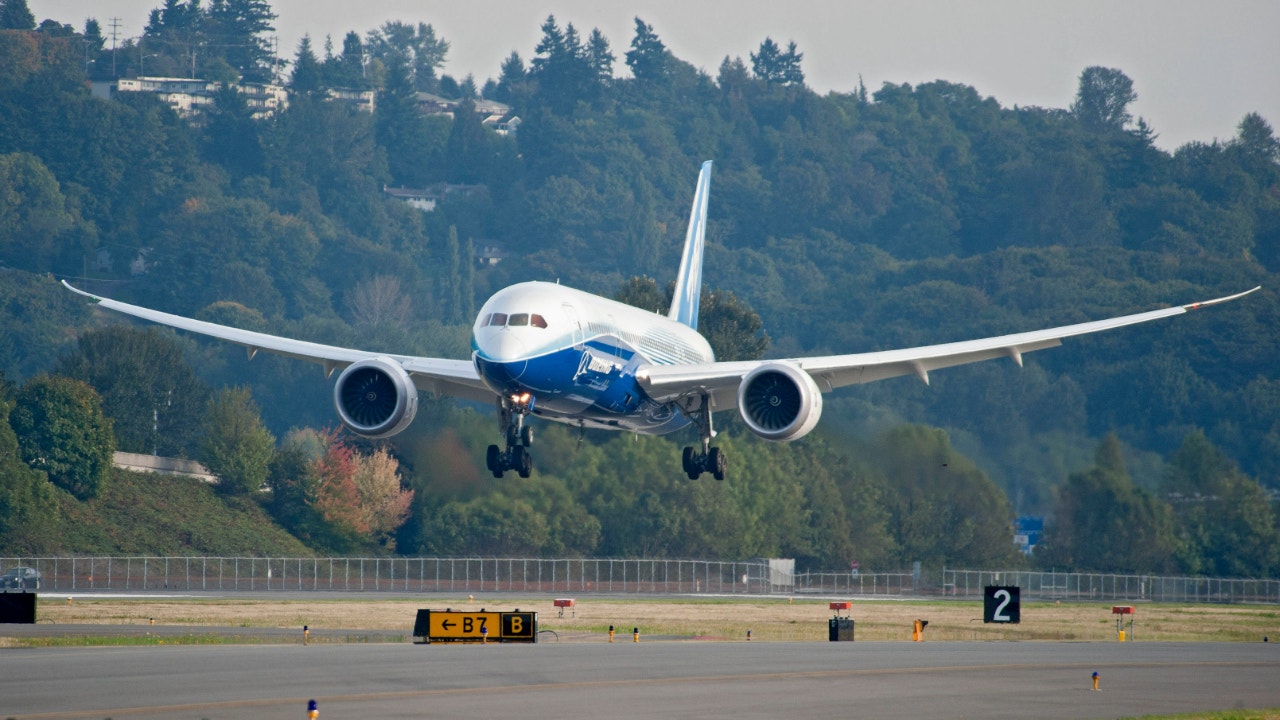
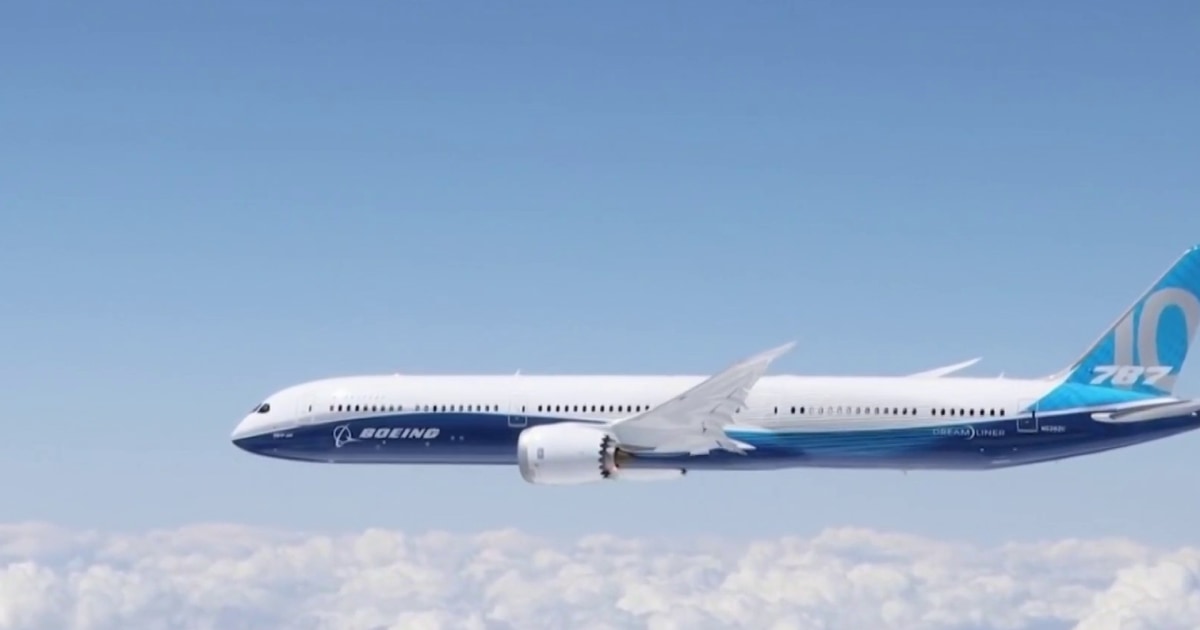
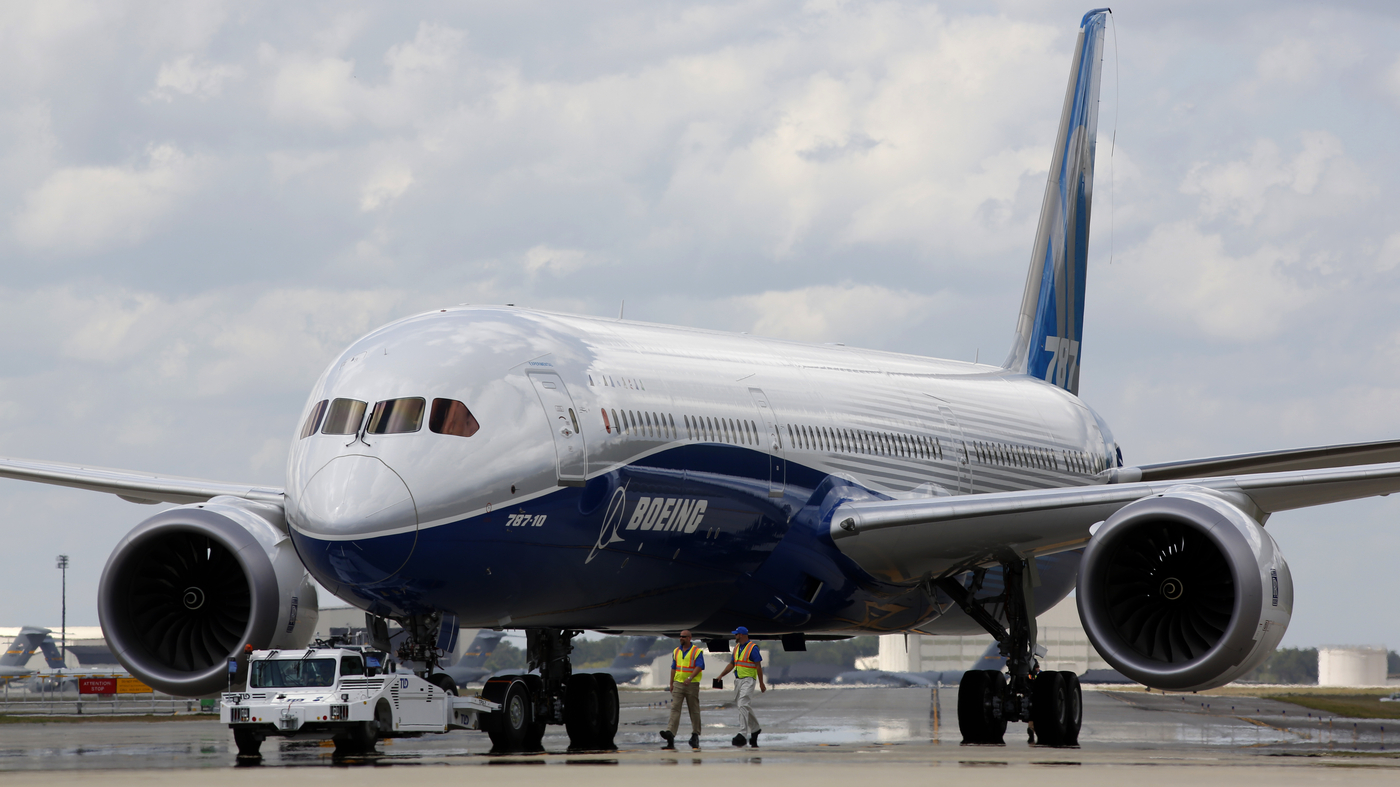
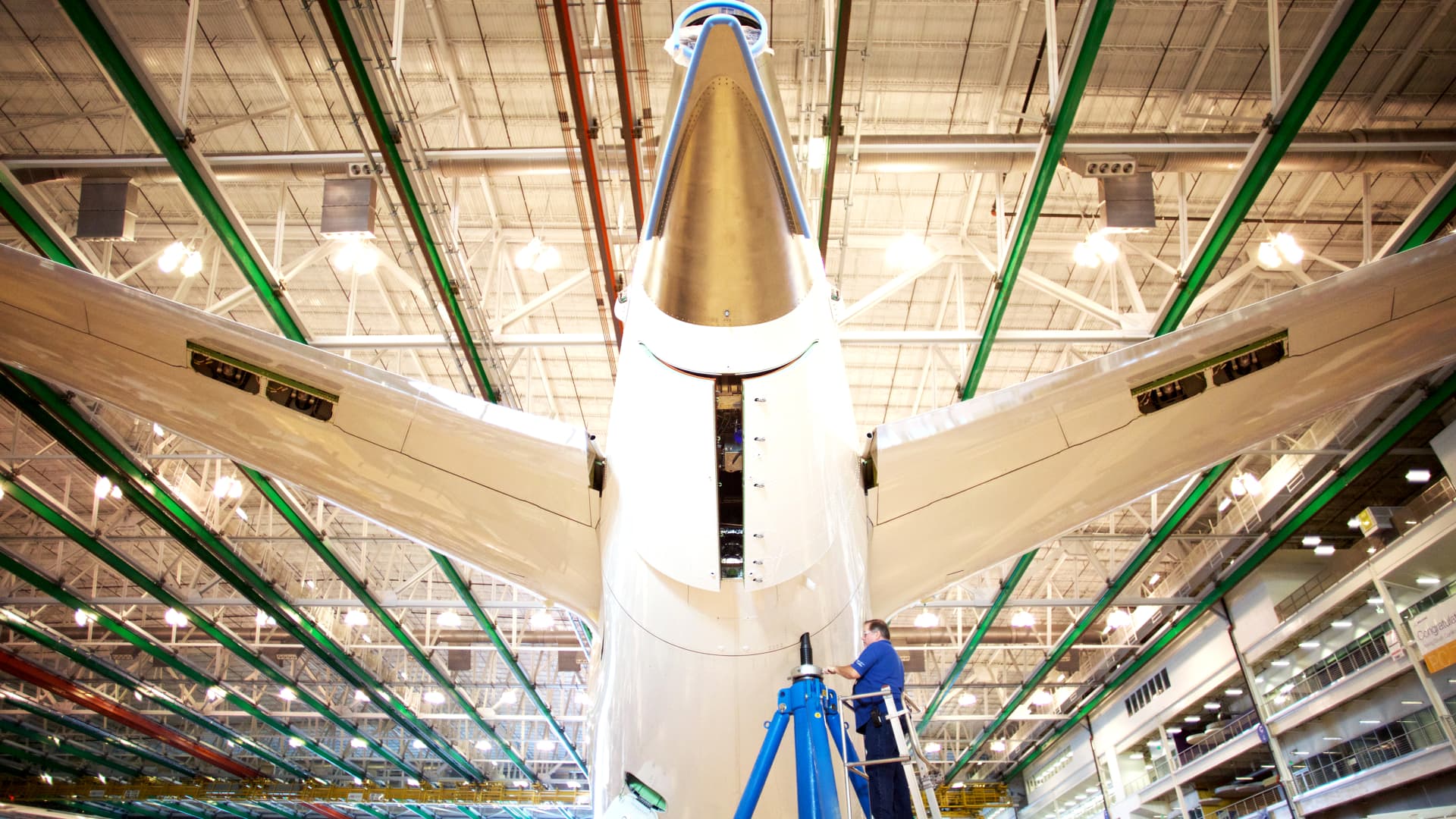
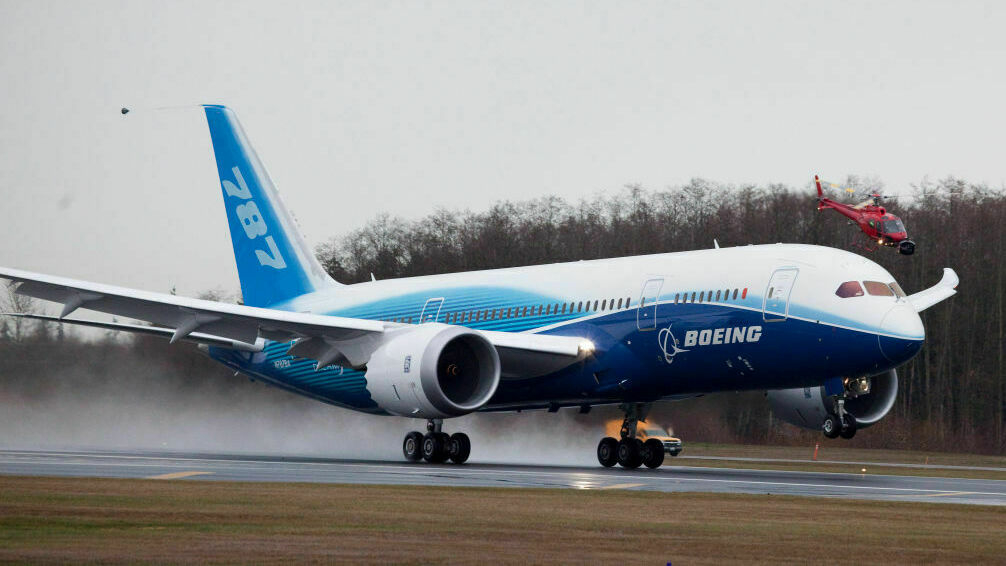
Boeing will regain the ability to certify some of its planes, including the 737 Max and 787 Dreamliner, after the FAA's decision to allow the company to issue airworthiness certificates again, marking a significant step in restoring trust following safety concerns and previous certification issues.
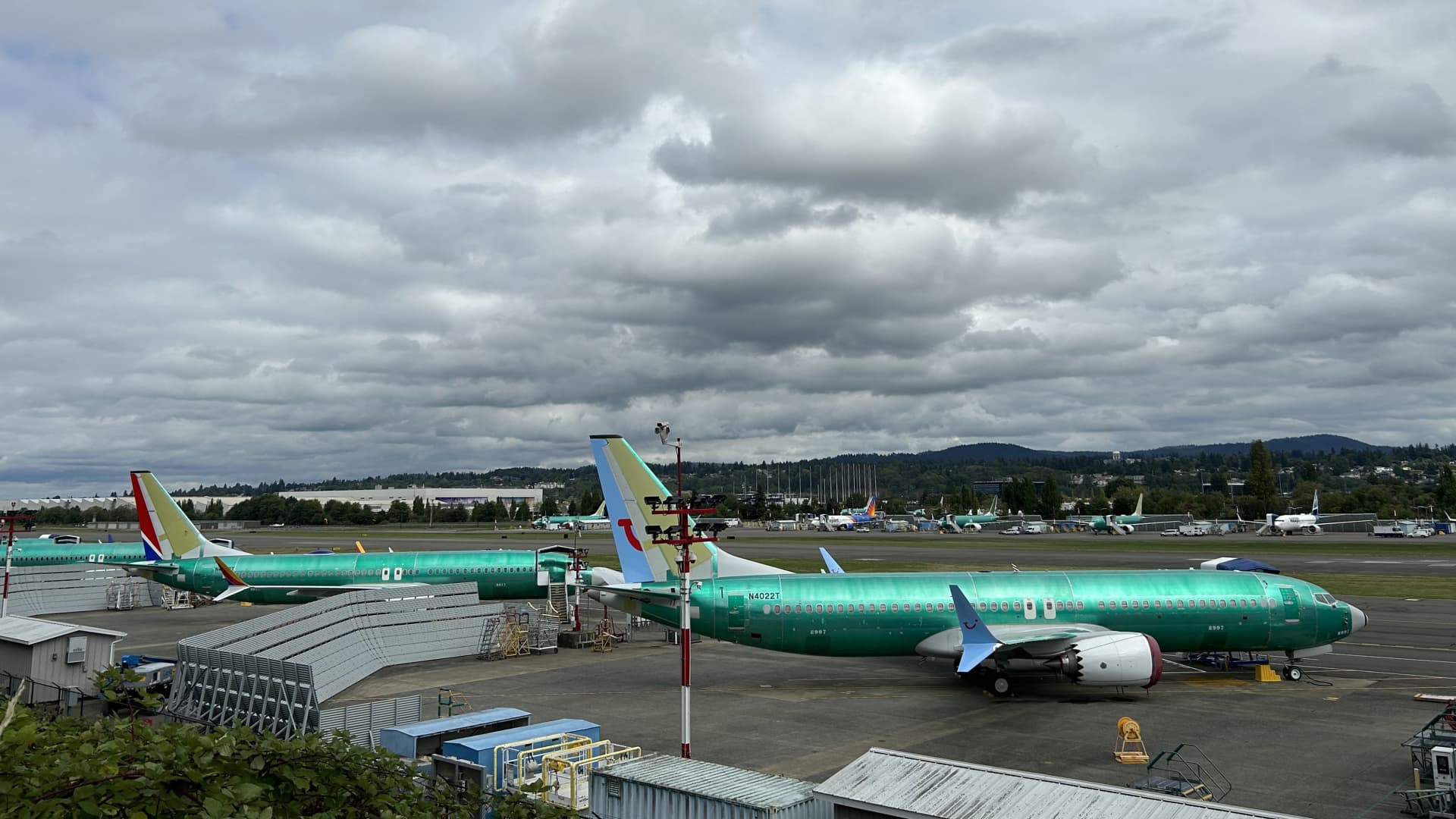
The FAA announced it will allow Boeing to sign off on some 737 Max and 787 planes before delivery, marking a step towards regaining regulatory confidence after safety crises and production issues, with certificates issued on alternating weeks following a thorough review of Boeing's production quality.
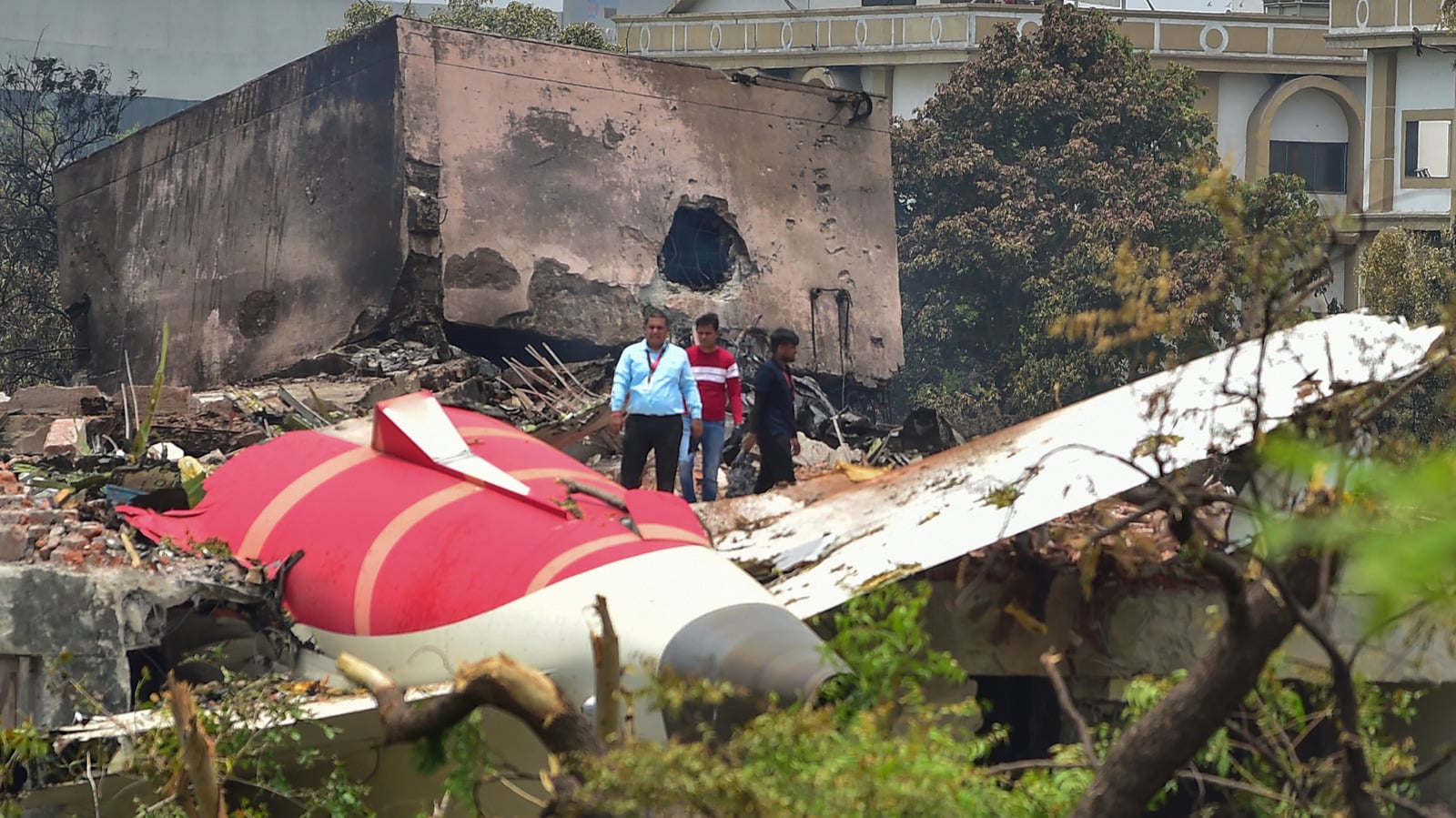
Ritesh Kumar Ramesh, the sole survivor of the deadly Air India Flight 171 crash in Ahmedabad, survived despite the plane's impact killing 241 others. He was seated in an exit row, unbuckled himself after the crash, and managed to escape with minor injuries, making his survival a remarkable and rare event.
The recent Air India crash in Ahmedabad, involving a Boeing 787 Dreamliner, raises questions about Boeing's safety record amid ongoing challenges including financial losses, safety concerns, and legal issues. While initial indications do not suggest Boeing fault, the incident impacts the company's reputation and stock, highlighting the broader difficulties Boeing faces in restoring trust and safety standards.
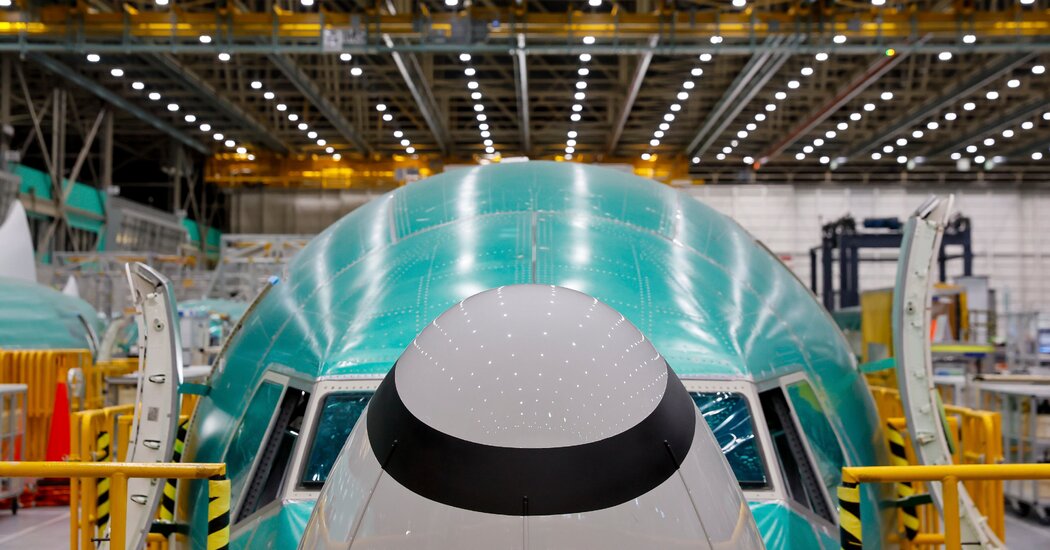
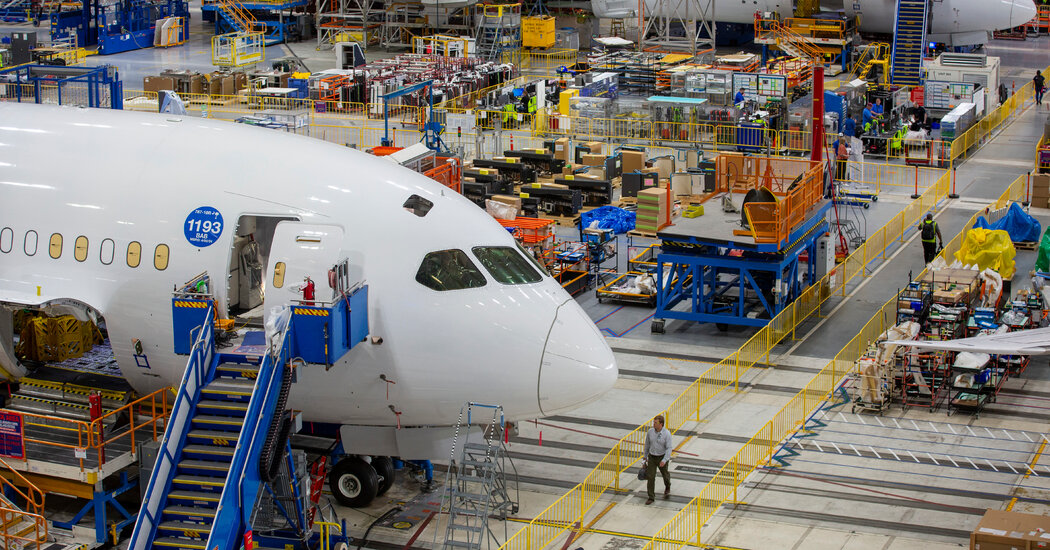
A veteran mechanic at Boeing's Everett factory claims managers pressure staff to stay silent about safety and quality issues, particularly with the 787 Dreamliner. The FAA is investigating Boeing for potential inspection lapses and falsified records, following a series of safety incidents. Boeing denies the claims, asserting confidence in the 787's safety and quality.
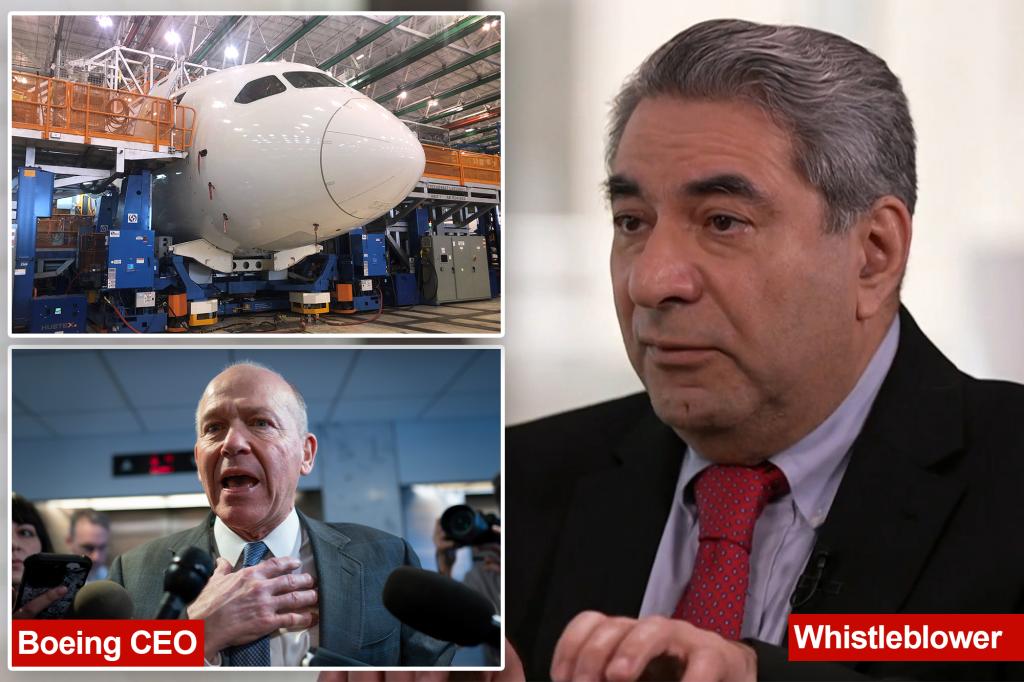
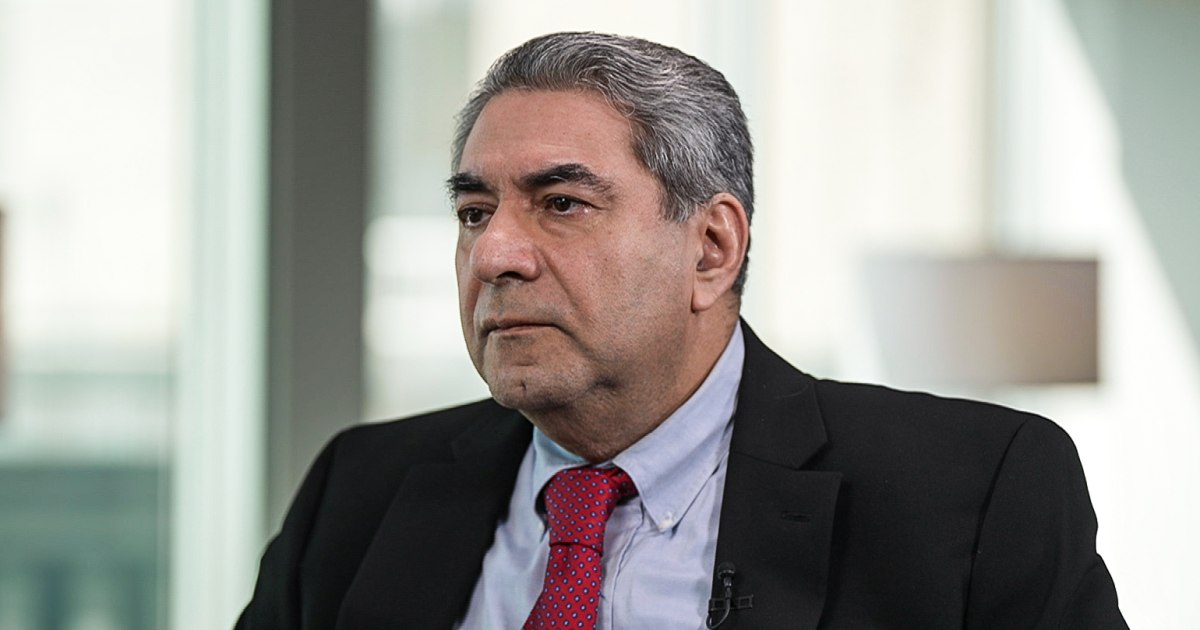
Boeing whistleblower Sam Salehpour, a former engineer, has reiterated his claims that the Boeing 787 Dreamliner planes need to be grounded due to safety concerns arising from manufacturing shortcuts. Salehpour warned that the planes could "fall apart" in midair due to structural issues, prompting an investigation by the FAA. Boeing has refuted these claims, asserting confidence in the 787's safety and quality. Salehpour is set to testify before a Senate subcommittee, accompanied by other whistleblowers and technical experts, as Boeing continues to grapple with safety-related challenges.
Boeing engineer and whistleblower Sam Salehpour is calling for a halt in the production of the 787 Dreamliner due to safety concerns, stating that he wouldn't allow his family to fly on the plane. Salehpour claims that the aircraft could "drop to the ground" midair if the alleged safety issues are not addressed, citing potential premature fatigue failure due to gaps in the plane's construction. Boeing has denied these claims, asserting that the 787s are structurally sound and have been rigorously tested. Salehpour's allegations have prompted increased scrutiny over Boeing's manufacturing processes, and his lawyer has indicated that other potential whistleblowers at Boeing have reported similar issues.
A Boeing engineer-turned-whistleblower claims that the 787 Dreamliner is unsafe due to assembly flaws, stating that the plane could potentially fall apart midflight. Boeing disputes the claims, asserting the plane's safety and stating that the alleged issues have been rigorously examined under FAA oversight. The engineer, Sam Salehpour, insists that production of the 787 should be halted while the alleged problems are addressed in the fleet currently in service. Salehpour's attorney has indicated that several other potential whistleblowers at Boeing have reported similar issues.
A Boeing engineer has come forward as a whistleblower, stating that the worldwide fleet of 787 Dreamliners "needs attention" due to a production flaw. This revelation raises concerns about the safety and reliability of the popular aircraft, prompting scrutiny within the aviation industry and potentially impacting Boeing's reputation and operations.
Boeing defended the safety of its 787 Dreamliner plane at its South Carolina factory after a whistle-blower, Sam Salehpour, raised concerns about the jet's structural integrity. The company's top engineers stated that extensive tests and inspections showed no evidence of premature body failure, despite Salehpour's claims that sections of the fuselage were not properly fastened together. Salehpour is scheduled to testify before Congress, and the Federal Aviation Administration is investigating his allegations, adding to Boeing's ongoing scrutiny over manufacturing practices following previous incidents with the 737 Max.
Boeing is defending the integrity of the fuselages on its 787 Dreamliner planes after a whistleblower alleged that excessive force during assembly could lead to potential safety risks. Boeing executives detailed the assembly process and emphasized the resilience of the carbon-composite skin. They stated that extensive testing has shown no evidence of fatigue in the composite structure, and the company remains confident in the safety of its planes. The whistleblower, Sam Salehpour, claims he was transferred after raising safety concerns, and the FAA is reportedly investigating his claims.
Boeing defended the safety and quality testing of its 787 Dreamliner and 777 aircraft after a whistleblower alleged structural flaws, claiming the allegations were inaccurate and that the planes are safe. The whistleblower, Sam Salehpour, is scheduled to appear at a Senate hearing about aircraft safety, and his claims are being investigated by the FAA. Boeing emphasized the rigorous testing and engineering examination the planes underwent, while Salehpour's lawyers allege retaliation by the company. Boeing faces investor questions about aircraft safety, production rates, and FAA oversight when it reports quarterly results on April 24.
Boeing engineer Sam Salehpour alleges that the company took "shortcuts" in the production of the 787 Dreamliner, potentially compromising its safety, and faced retaliation for speaking up. This adds to a growing list of current and former employees who claim Boeing ignored their concerns and retaliated against them. The company denies the allegations, but experts and whistleblowers say there's a disconnect between Boeing's management and the factory floor. Salehpour is scheduled to testify before a Senate subcommittee next week.
Boeing faces more scrutiny as another whistleblower, engineer Sam Salehpour, alleges that the company took shortcuts in the production of 787 and 777 jets, leading to serious structural flaws. Salehpour claims that parts of the plane's fuselage are being fastened together improperly, potentially weakening the aircraft over time. Boeing refutes these claims, stating that rigorous engineering examination under FAA oversight has validated the aircraft's structural integrity. The FAA is investigating the whistleblower's claims, and Salehpour plans to testify on Capitol Hill next week.
A whistleblower has raised concerns about Boeing's 787 Dreamliner assembly process, suggesting that the planes could break apart midair. The Federal Aviation Administration is investigating the issues raised by the engineer, Sam Salehpour, who worked on the assembly lines of the aircraft.