Tag

Cygnus Loop

All articles tagged with #cygnus loop

astronomy2 years ago

"Stunning Veil Nebula: A Glimpse into a Stellar Explosion 10,000 Years Ago"

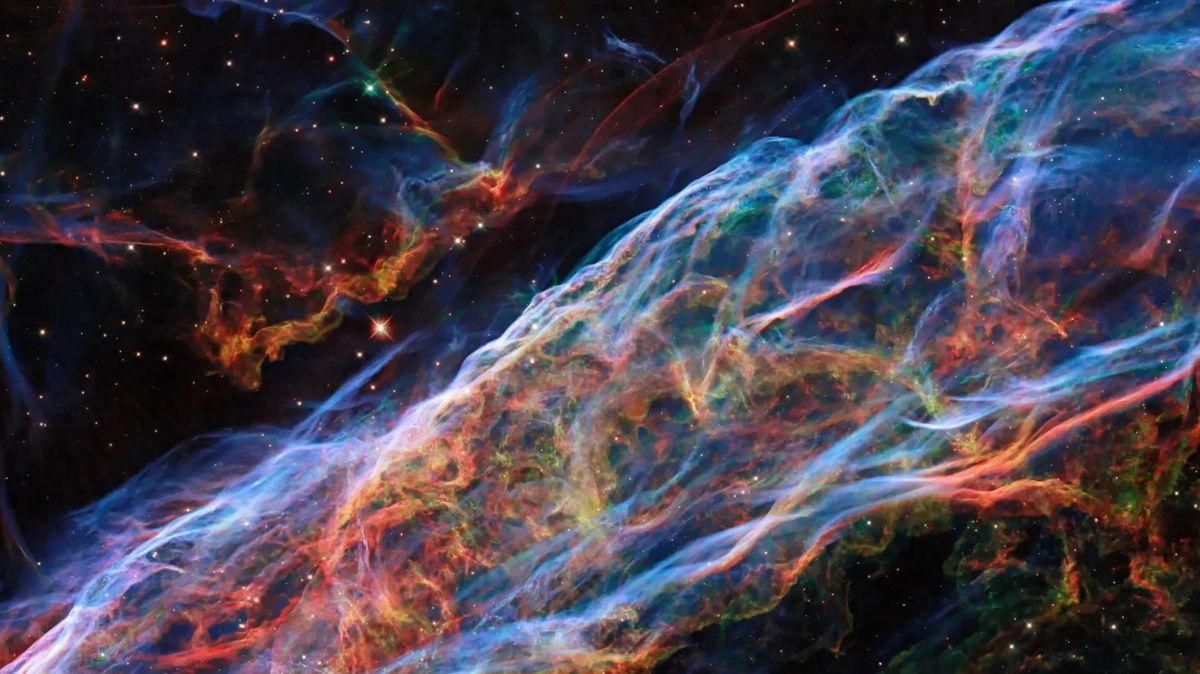
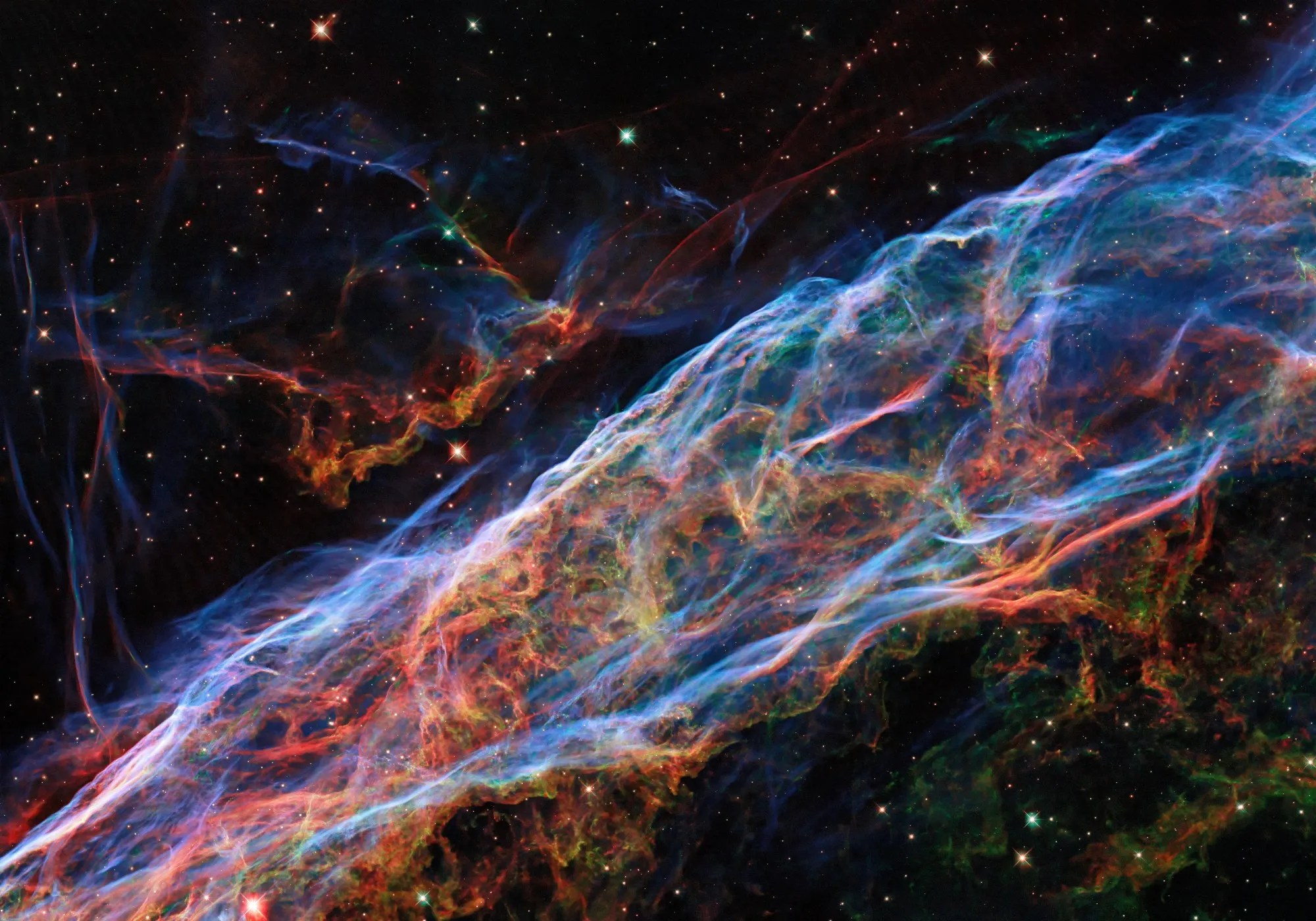
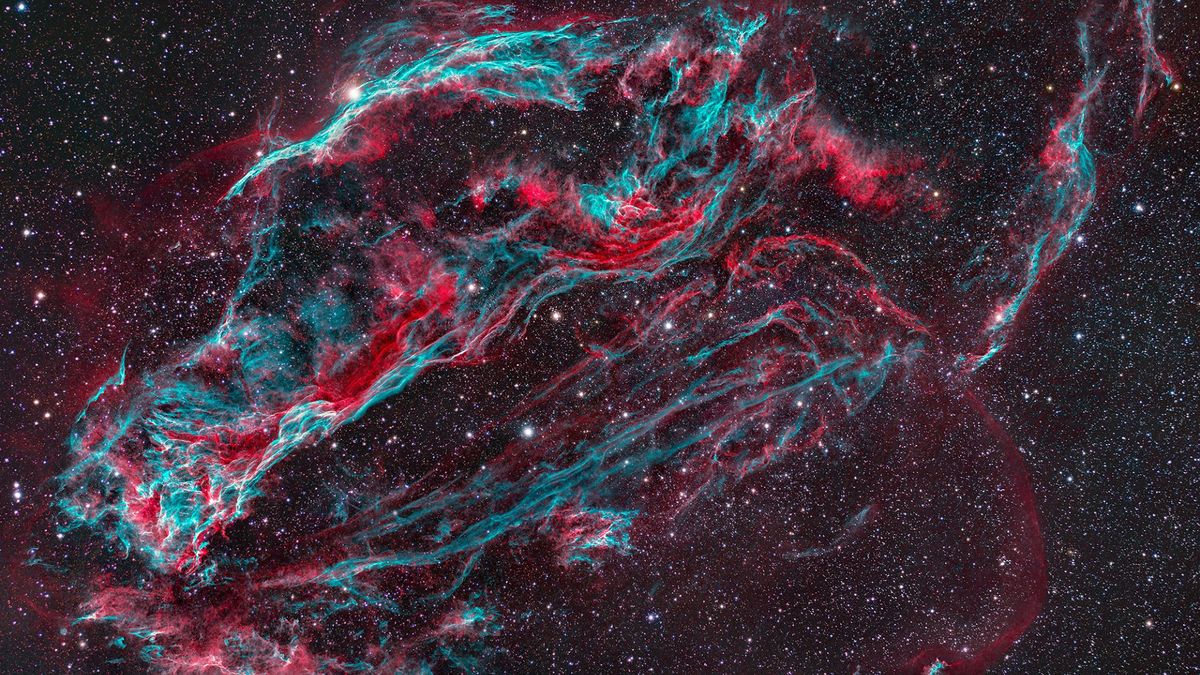
Professional photographer Miguel Claro captured a stunning image of the Veil Nebula, also known as the Cygnus Loop, which was formed when a massive star exploded 10,000 years ago. The nebula, located in the constellation of Cygnus, is about 1,400 light-years away from Earth and spans roughly 70 light-years across. Claro's image showcases the intricate filaments of glowing ionized gas, with reddish hues representing atomic hydrogen gas and blue-greenish hues representing atomic oxygen gas. The image also includes other nebulae such as the Witch's Broom Nebula and Fleming's Triangular Wisp. Claro specializes in astrophotography and is known for his breathtaking images of the night sky.
astronomy2 years ago

"Stunning Celestial Discoveries: From Ancient Star Remains to the Enigmatic Solar System"

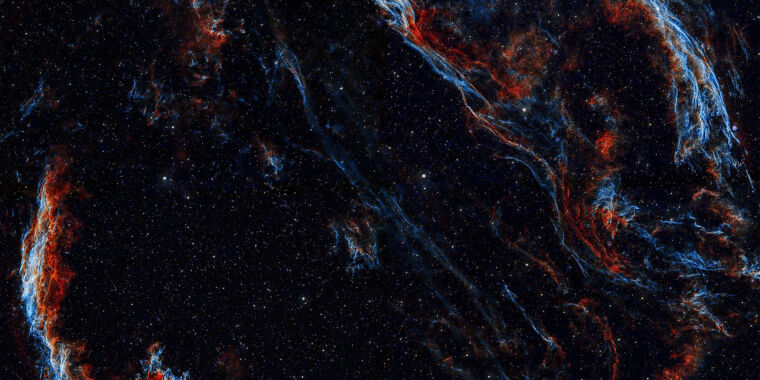
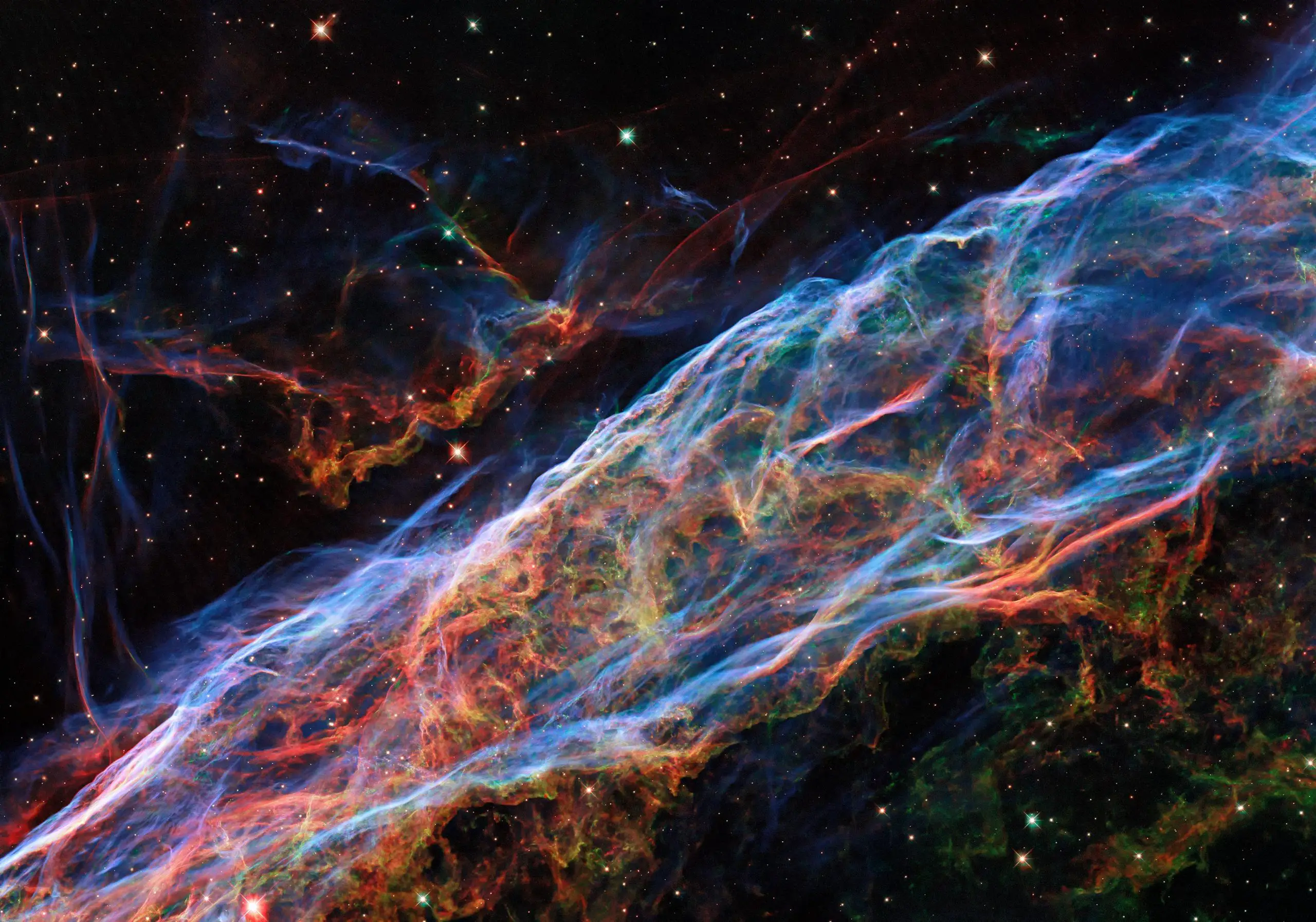
The Veil Nebula, located about 2,400 light-years away from Earth, is a cloud of heated and ionized gas that contains the remnants of a massive star that exploded 10,000 years ago. The Cygnus Loop, the principal feature within the nebula, is the brilliant remains of this supernova. The Veil Nebula has been expanding since the explosion, and although it has faded over time, it can still be observed with the right telescope and imaging techniques.

space-science2 years ago

NASA's Rocket Mission: Probing the Secrets of Star-Forming Supernovae

NASA is launching the Integral Field Ultraviolet Spectroscopic Experiment (INFUSE) sounding rocket mission to study the Cygnus Loop supernova remnants and understand the role of explosive stellar deaths in creating new star systems. INFUSE combines imaging and spectroscopy to observe the shock front of the supernova, revealing gas temperatures and element distribution. The mission aims to better understand how material from supernovae becomes part of planets and life forms. The payload will fly aboard a sounding rocket, with plans for future upgrades and launches.

space2 years ago

NASA's Rocket Mission: Exploring a Supernova Remnant

NASA will launch a rocket on October 29 to study the Cygnus Loop, a star-forming supernova remnant located 2,600 light-years away. The remnant, which resulted from a massive star's explosion 20,000 years ago, is still expanding and provides insights into the formation of galaxies. The mission, called INFUSE, will collect data on the remnant's far-ultraviolet wavelengths to understand how the supernova releases energy into the Milky Way and the distribution of specific elements within the remnant. This research will contribute to our understanding of the life cycles of stars and galaxies.

space-science2 years ago

NASA's Rocket Mission: Exploring the Fiery Birth of Supernovas

NASA is launching the Integral Field Ultraviolet Spectroscopic Experiment (INFUSE) sounding rocket mission to study the Cygnus Loop, the remnant of a star that collapsed into a supernova 20,000 years ago. INFUSE will observe how the supernova releases energy into the Milky Way by analyzing the light emitted as the blast wave collides with pockets of cold gas. The mission will use a telescope that measures far-ultraviolet light to capture the sizzling edge of the shock front. By studying the elements and temperatures of the gas, scientists hope to better understand how material from supernovae contributes to the formation of planets and stars. The INFUSE payload will fly aboard a two-stage Black Brant 9 sounding rocket and aims to upgrade the instrument for future launches.

astronomy2 years ago

"Hubble's Time-Lapse Reveals Expanding 20,000-Year-Old Supernova Bubble"

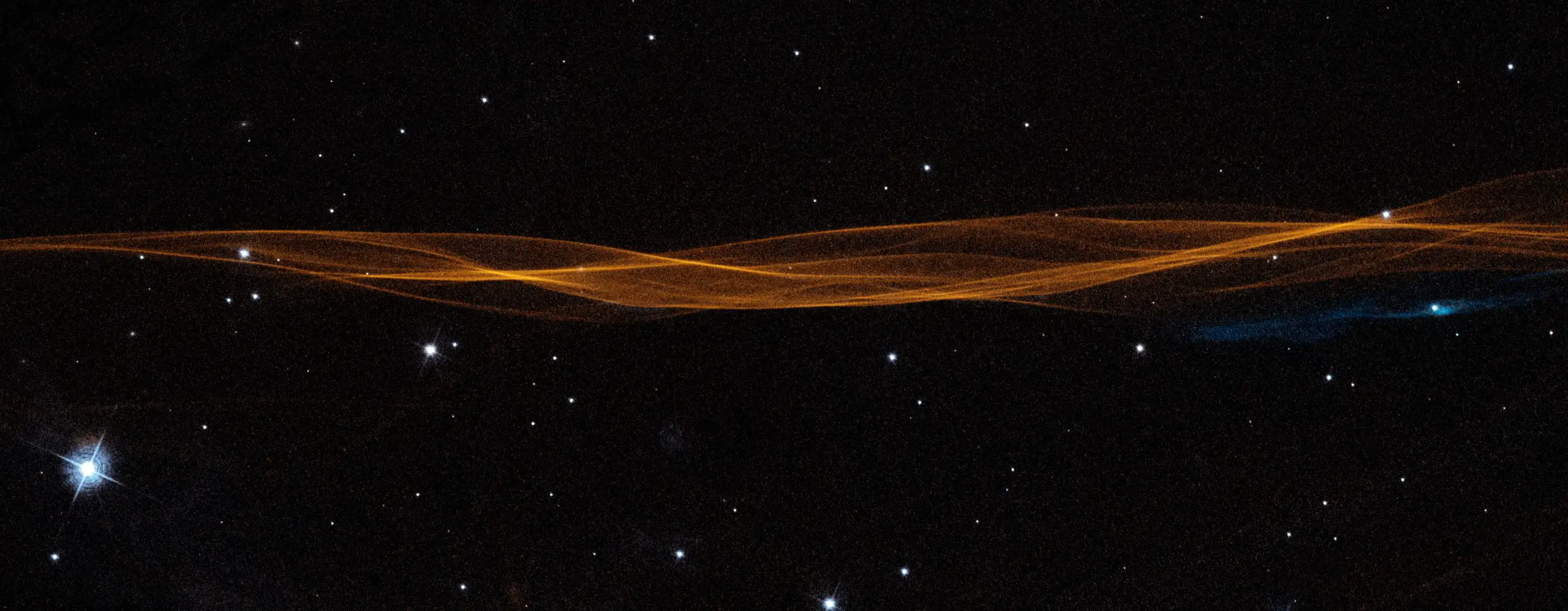
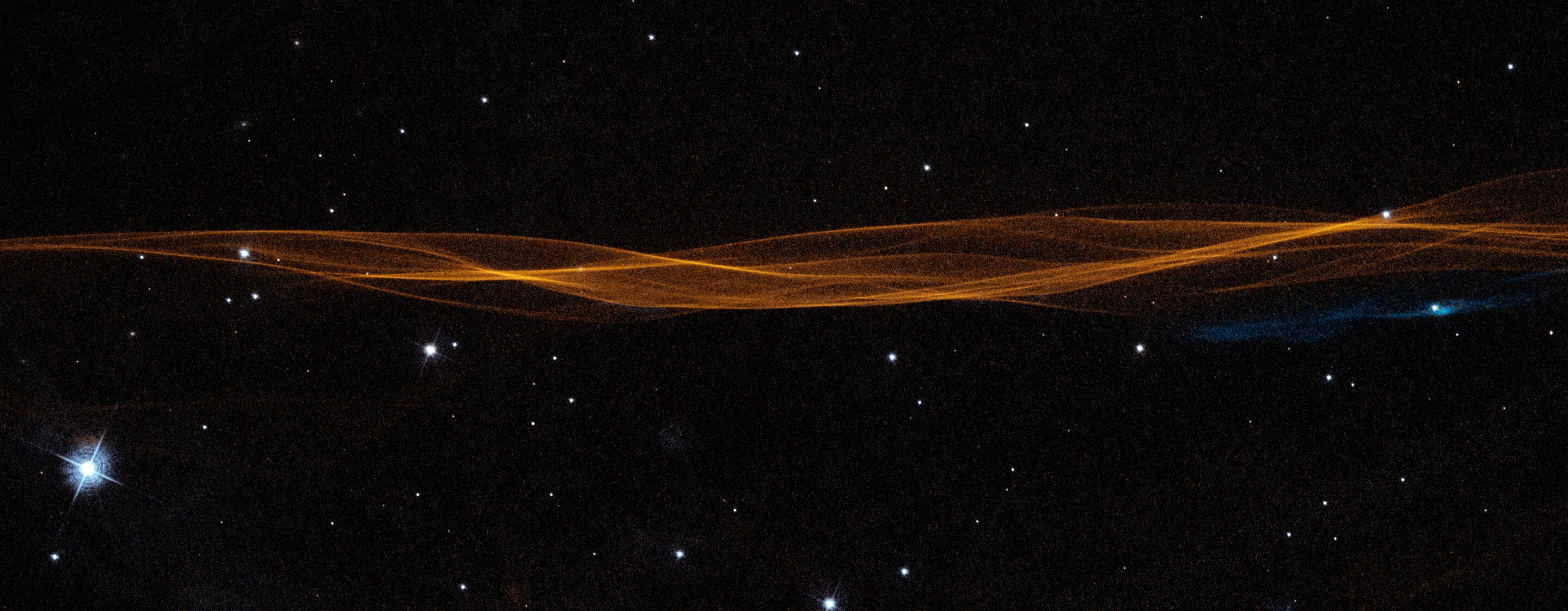
NASA's Hubble Space Telescope has captured a time-lapse movie of the expanding remnants of a supernova explosion that occurred 20,000 years ago. The Cygnus Loop nebula, located approximately 2,600 light-years away, forms a bubble-like structure that is 120 light-years in diameter. Astronomers used Hubble to zoom in on a small section of the nebula, revealing gossamer filaments resembling wrinkles in a bedsheet. These filaments, located at the outer edge of the expanding bubble, are plowing into interstellar space at speeds exceeding half a million miles per hour. The shock wave from the explosion has not slowed down in the last 20 years and is providing insights into the density differences and turbulence encountered in interstellar space.

science-and-astronomy2 years ago

"Captivating Time-Lapse Reveals Supernova's Expanding Bubble in Space"

Astronomers have created a time-lapse video using 20 years of Hubble Space Telescope data, showcasing the remnants of a supernova explosion that occurred around 20,000 years ago. The video focuses on a small section of the Cygnus Loop, a nebula formed from the remains of a star that exploded in a supernova. The time-lapse reveals density differences in the shock wave associated with the explosion and showcases gossamer filaments resembling twisted ribbons of light. The filaments have remained unchanged over the past 20 years, despite the shock wave's velocity being fast enough to travel from Earth to the moon in less than half an hour.

astronomy2 years ago

Supernova Bubble's Mesmerizing Expansion Captured in Hubble Time-lapse

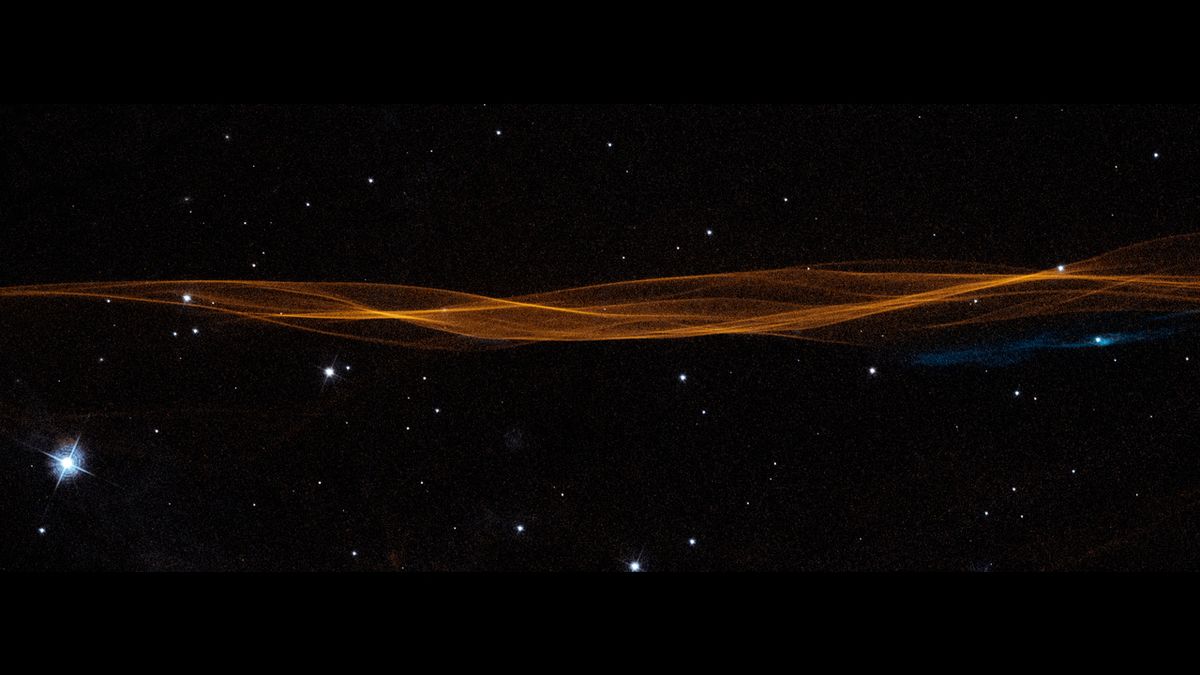
NASA's Hubble Space Telescope has captured a time-lapse movie of the expanding supernova bubble known as the Cygnus Loop. The Hubble images taken from 2001 to 2020 show how the shock front of the supernova remnant has expanded over time, revealing that it is moving into interstellar space at over half a million miles per hour. The images also provide insights into the density differences and turbulence encountered by the shock wave as it propagates through space. The close-up view of the filaments of glowing hydrogen shows ripples and twisted ribbons of light, which arise from the shock wave encountering different densities of material in the interstellar medium.