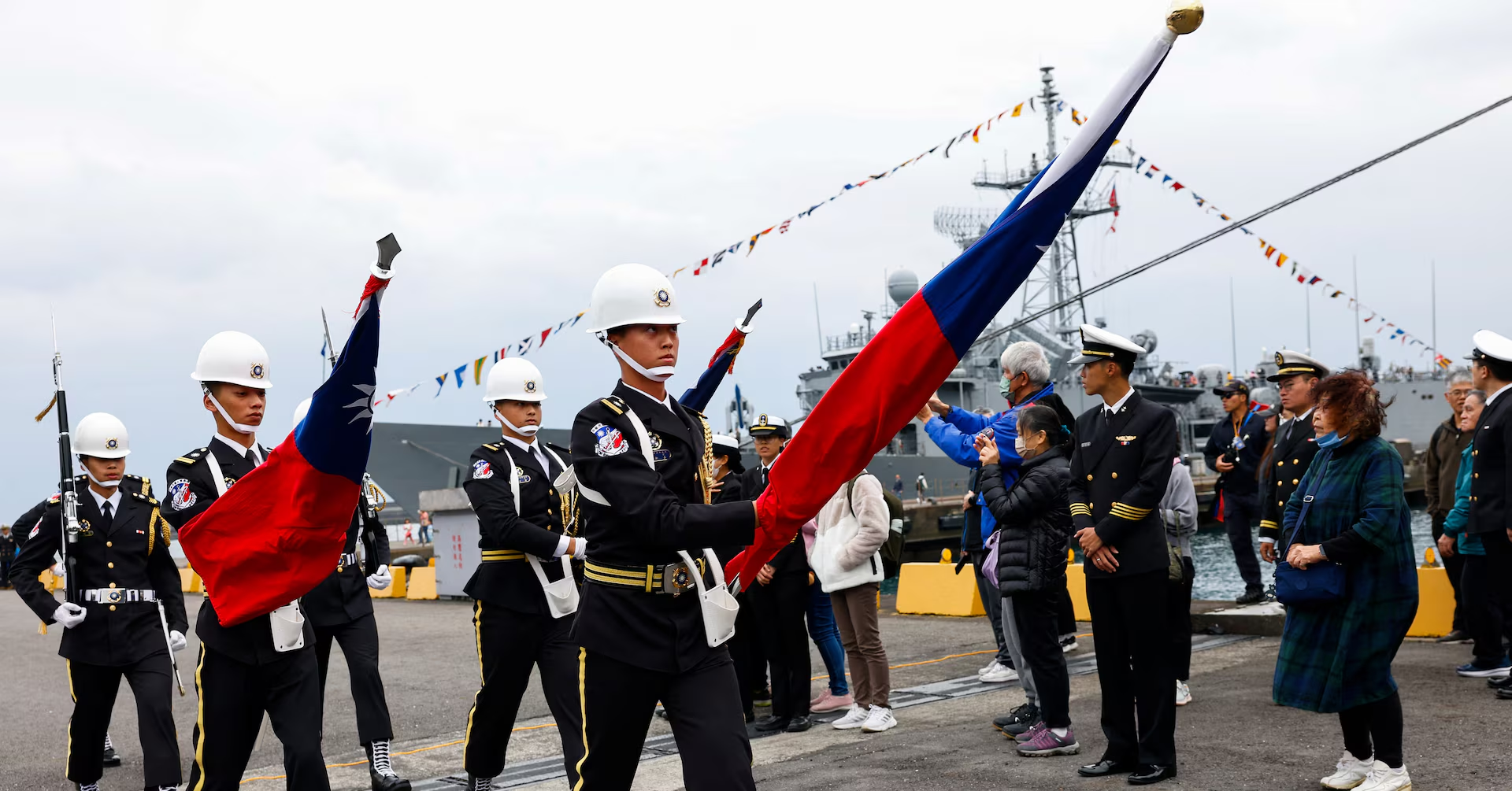
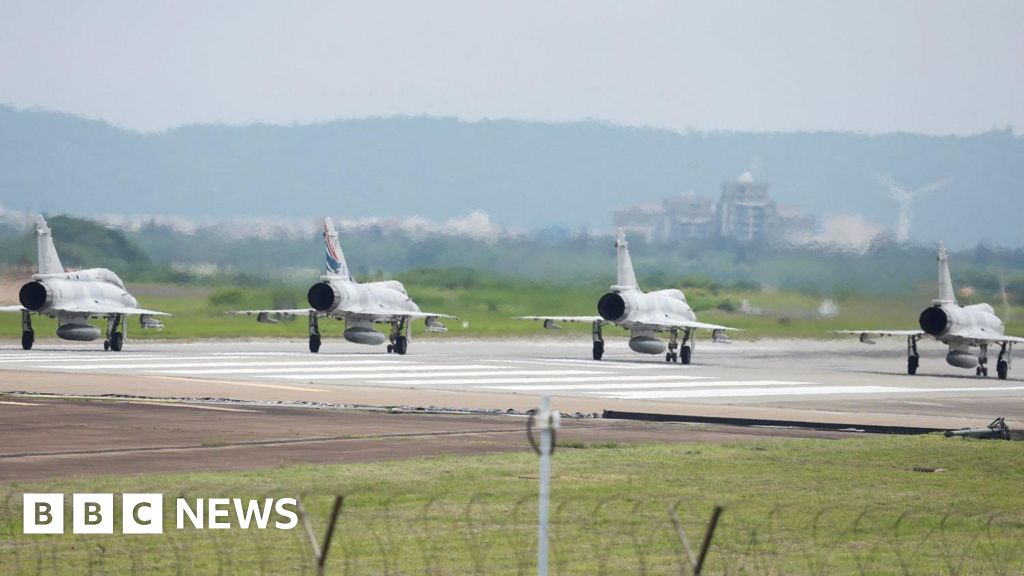
Taiwan's defense minister announced upcoming annual military exercises to prepare for potential Chinese aggression, amid increased Chinese military activity near Taiwan and Beijing's strong stance against Taiwan's sovereignty claims. China has vowed to enhance its combat readiness to counter 'separatist' activities, while Taiwan emphasizes its determination to defend its democracy and sovereignty.
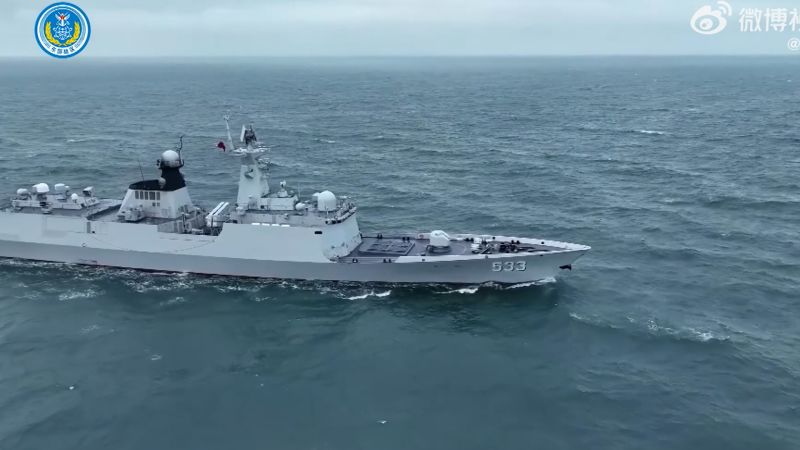
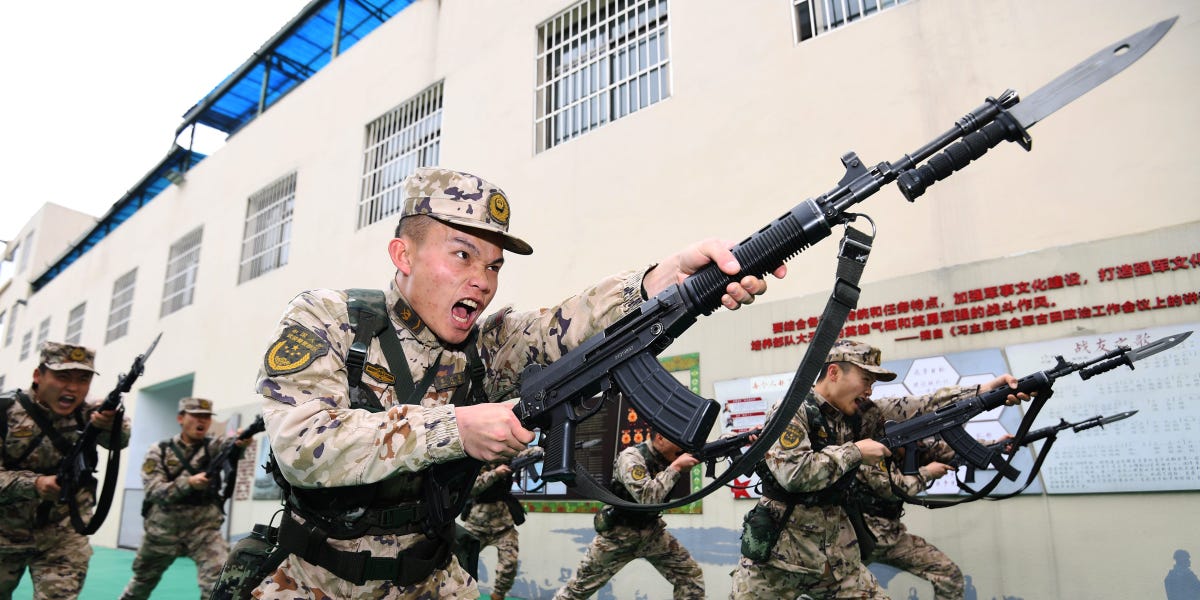
China's recent military drills around Taiwan, which simulate a full-scale attack, are a response to the inauguration of Taiwan's new president, William Lai, whom Beijing views as a separatist. These exercises, the largest yet, aim to encircle Taiwan and demonstrate China's military capabilities. Despite the aggressive posturing, Beijing has not crossed the contiguous zone, indicating a level of caution. The drills have united Taiwan's political factions against China, and rather than intimidating the Taiwanese, they have bolstered support for the ruling Democratic Progressive Party.
Following Taiwanese President Lai Ching-te's inauguration speech demanding an end to China's intimidation, China initiated military drills around Taiwan, labeling them as a "punishment" for what it considers "separatist acts."
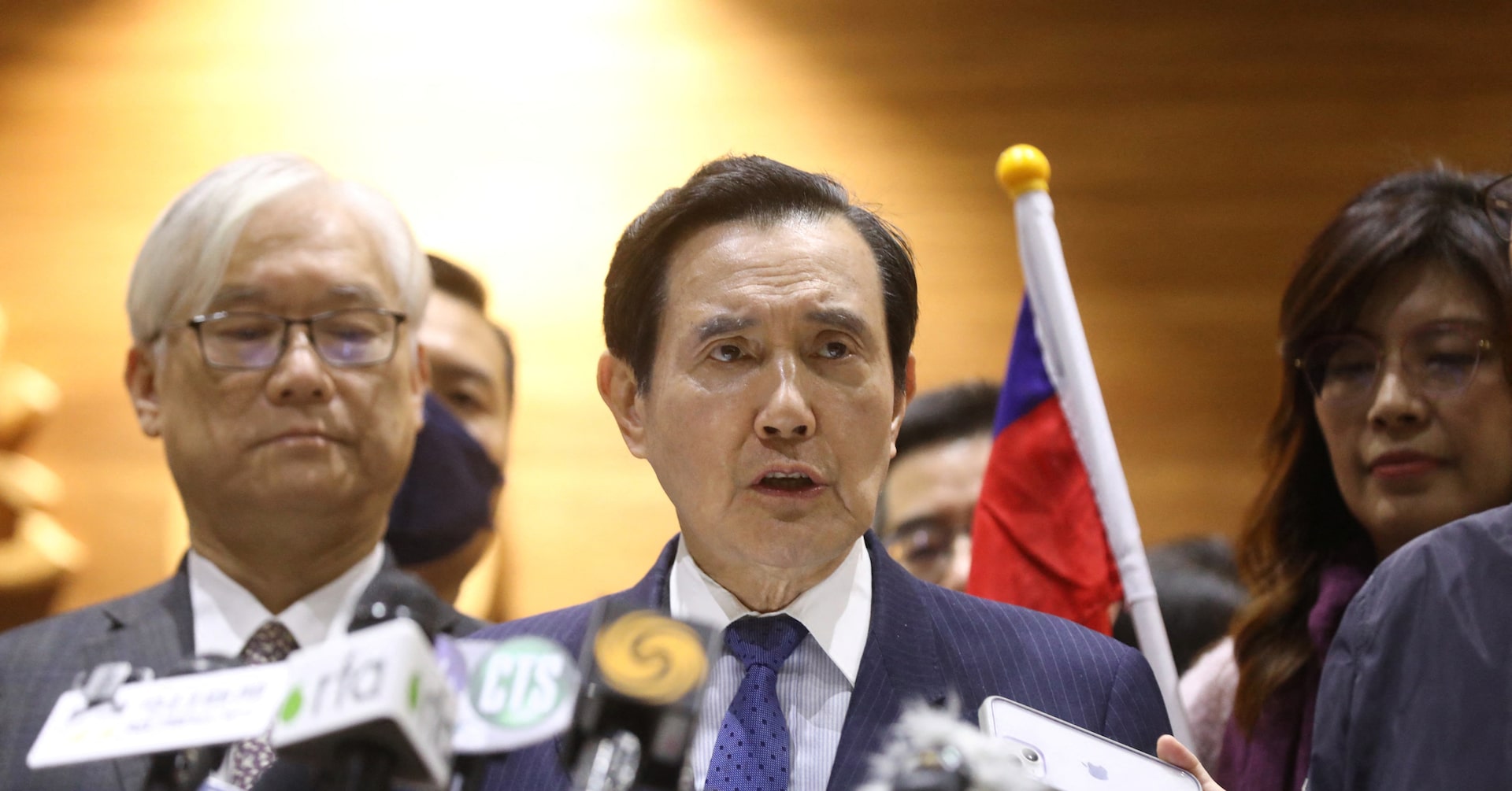
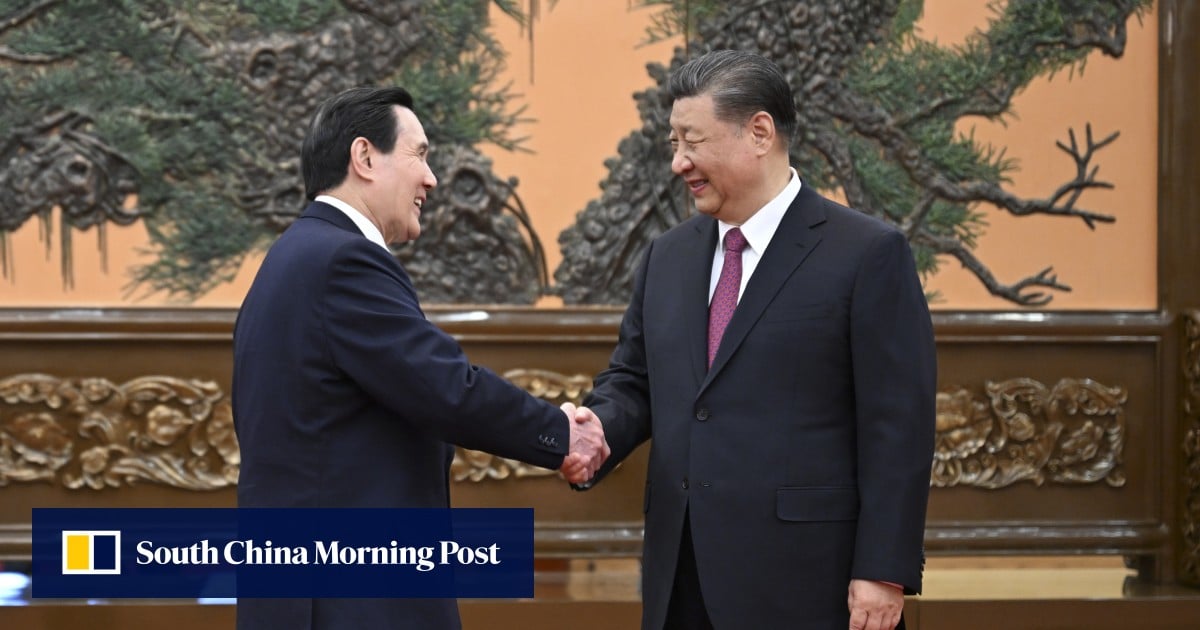
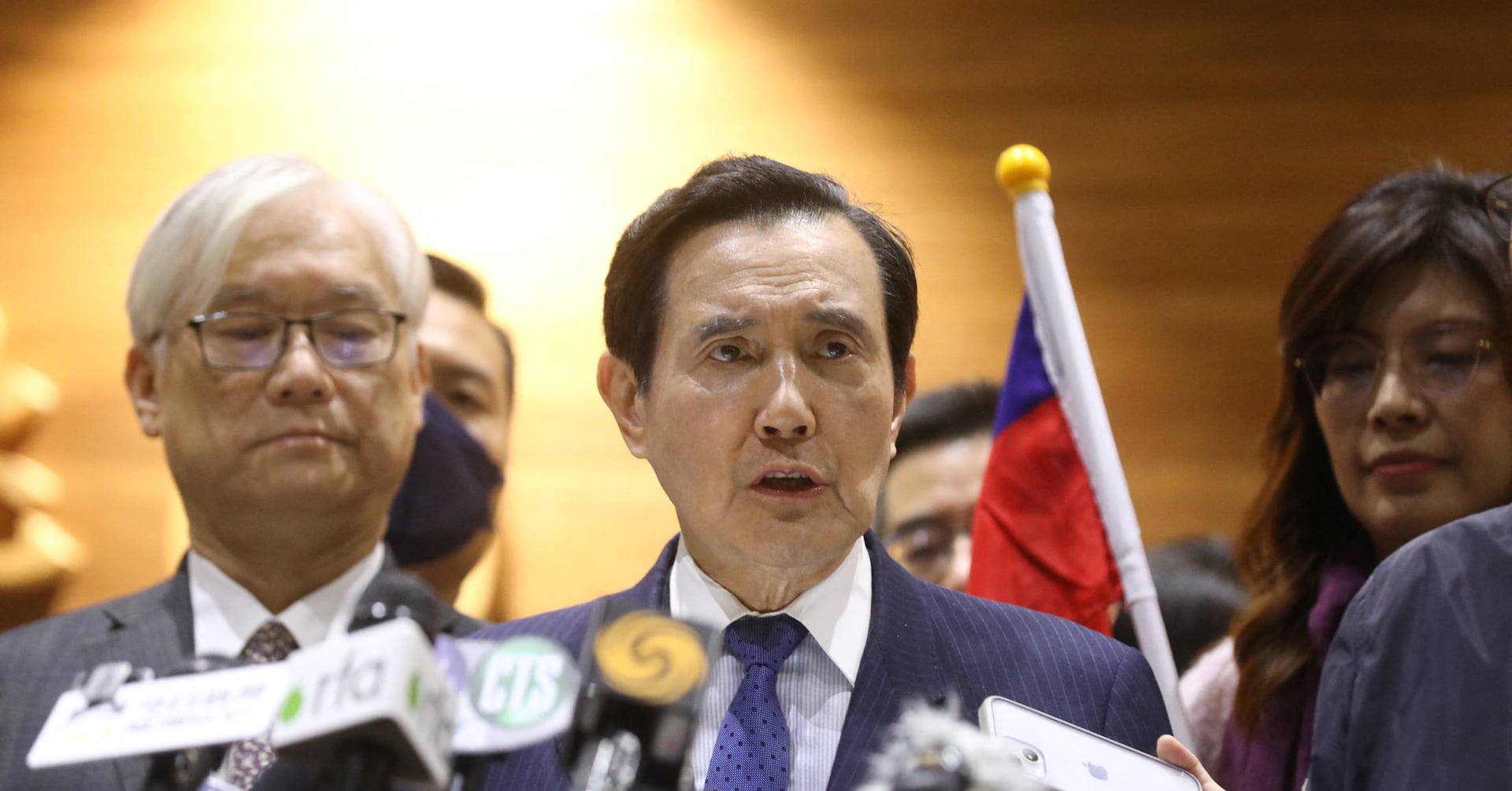
Former Taiwanese President Ma Ying-jeou believes that Taiwan and China can peacefully resolve their differences, emphasizing their shared culture and history. His recent meeting with Chinese President Xi Jinping aimed to promote understanding between the two sides, with Ma urging young Taiwanese to recognize the historical and cultural links with China. However, China considers Taiwan its own territory and has increased pressure to assert its claims, while Taiwan's government rejects Beijing's sovereignty claims and insists that only the Taiwanese people can decide their future.
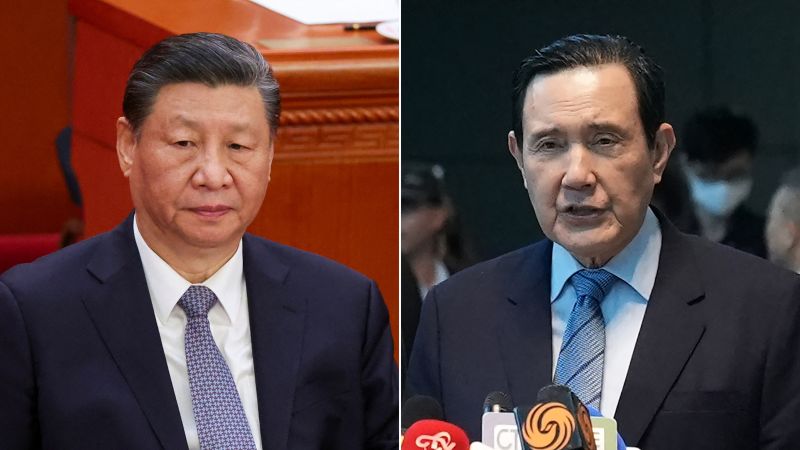
Chinese President Xi Jinping and former Taiwan President Ma Ying-jeou met in Beijing, emphasizing a desire for peaceful reunification and expressing hope for improved cross-strait relations. Xi stressed that no force could separate the two sides, while Ma called for respect for the values and ways of life of their peoples. The meeting, seen as a significant gesture from Beijing, comes amid heightened tensions and a changing political landscape in Taiwan, with the incoming president labeled as a "separatist" by Beijing.
Chinese leader Xi Jinping met with former Taiwan president Ma Ying-jeou in Beijing, marking a rare meeting that underscores the historical ties between the two sides. The carefully orchestrated meeting is seen as an attempt by Beijing to exert pressure on Taiwan's incoming administration and highlight the shared cultural roots between the two regions. However, the meeting also reflects the widening political divide across the Taiwan Strait, as Beijing's aggressive posture has driven more Taiwanese away from China. The meeting's value lies primarily in its symbolism, as it is unlikely to result in substantial changes to the status quo in cross-strait relations.
Former Taiwanese President Ma Ying-jeou has departed for an 11-day trip to China, where he is expected to meet with Chinese President Xi Jinping, marking their second meeting. This comes amid heightened tensions between the two sides. Ma's visit is seen as an effort to promote peace and friendship, with plans to visit Chinese companies during his trip. The meeting, not officially confirmed, is anticipated to take place in Beijing next Monday. The trip underscores the complex dynamics of cross-strait relations and the ongoing struggle for Taiwan's sovereignty.
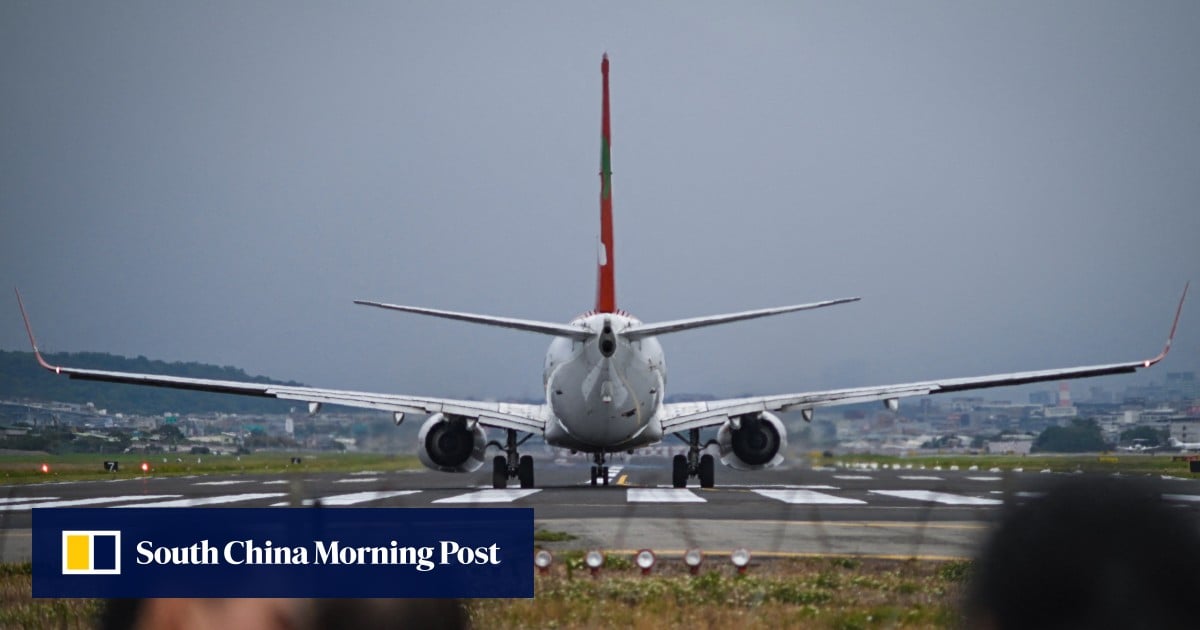
Beijing's cancellation of an "offset measure" for the M503 flight route near Taiwan and the introduction of two side routes has sparked condemnation from Taiwan, with officials expressing concerns about the impact on air defense and flight safety. Observers believe the move is an attempt to exert pressure following the election of Taiwan's independence-leaning Vice-President William Lai, and warn that it could escalate tensions in the Taiwan Strait.
A survey of 52 US experts and 35 experts from Taiwan suggests that China lacks the military capability to successfully invade Taiwan, with only 27% of US experts believing in its ability. The majority of experts on both sides, however, think China could pressure Taiwan through a quarantine or blockade. Most US experts are confident that the US military would intervene in such scenarios, but this confidence is not shared by experts in Taiwan. The majority of experts are pessimistic about cross-strait relations in 2024, with concerns heightened following Taiwan's election of William Lai Ching-te as its new leader, who is seen as likely to escalate tensions with China.
Taiwan's upcoming 2024 presidential election holds significant implications for global politics, as it pits candidates with differing stances on relations with China. The election is closely watched by Beijing, which has increased military pressure and disinformation campaigns to influence the outcome. The US, Taiwan's main international backer, has ramped up support and arms sales to the island, sparking tensions with China. The election's outcome will test cross-strait relations and could have far-reaching consequences for international stability.
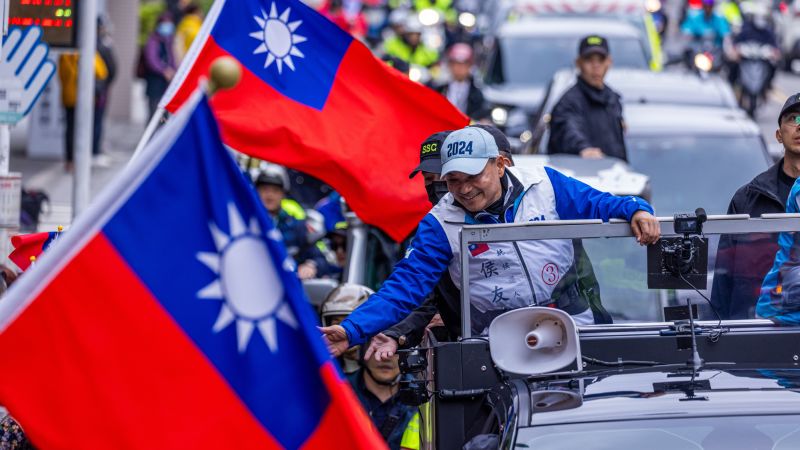
Taiwan's upcoming presidential election between ruling Democratic Progressive Party candidate Lai Ching-te and opposition Kuomintang candidate Hou You-ih will significantly impact US-China relations. Lai's pro-independence stance could escalate tensions with Beijing, while Hou's friendlier approach may lead to increased Chinese influence. A Lai victory could prompt Chinese military maneuvers and strain US-China relations, while a Hou win may challenge US-Taiwan cooperation. The election outcome will also influence US arms sales to Taiwan and could reignite debate over the US's "strategic ambiguity" policy regarding Taiwan's defense.
The upcoming Taiwanese presidential and parliamentary elections on January 13 are being closely monitored by the US, as the results could affect the already tense relations between the US, China, and Taiwan. The ruling Democratic Progressive Party's candidate, William Lai, who is seen as a "separatist" by Beijing, is leading in the polls, which could lead to continued tension with China. The US, Taiwan's most significant international supporter, is bound by law to provide Taiwan with defense means and has recently approved a significant military sale to the island. The elections could also influence the US's strategic ambiguity policy towards Taiwan and the broader US-China relationship.
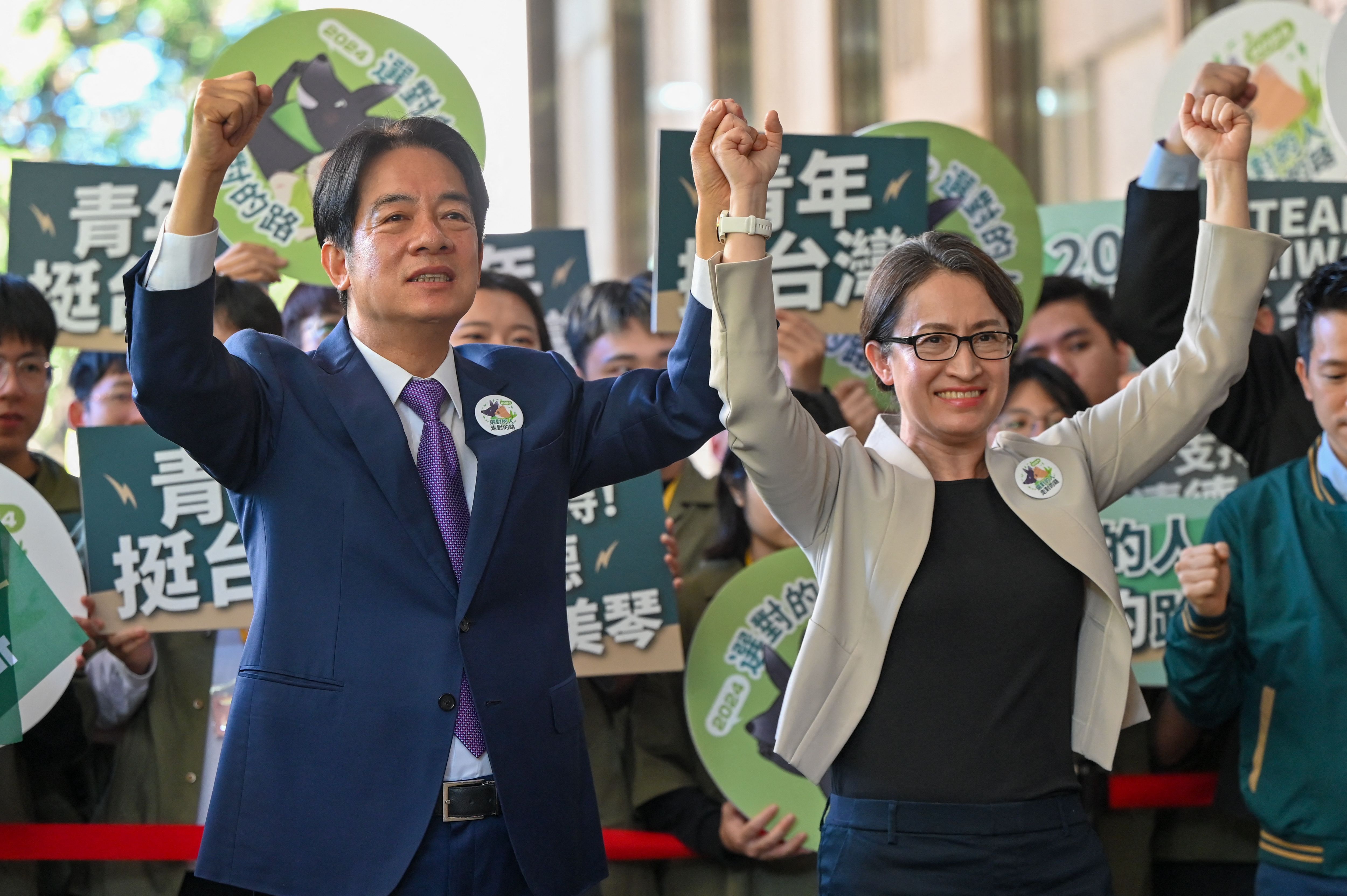
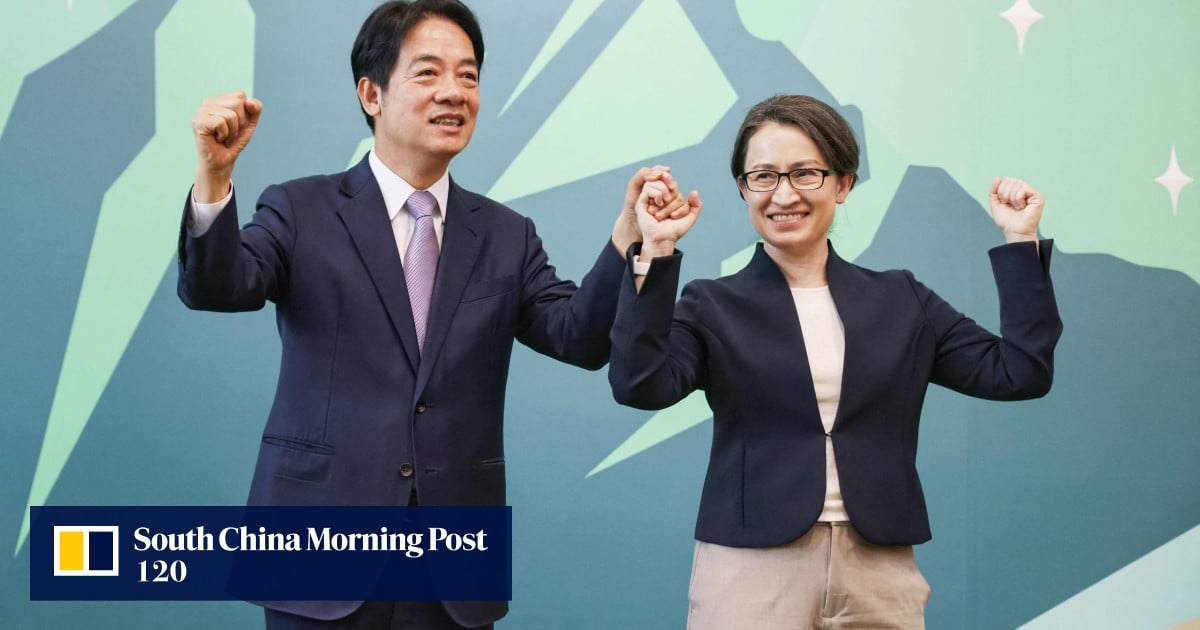
The Democratic Progressive Party (DPP) in Taiwan senses victory with its presidential ticket of Lai Ching-te and Hsiao Bi-khim, but Beijing views them as a "union of pro-independence separatists" that could lead to war. Hsiao, Taiwan's former representative to the US, is seen as a strong boost to Lai's candidacy due to her diplomatic experience and connections in Washington. However, Beijing has accused Lai of being a liar and warned that Taiwan independence means war. Despite this, Hsiao emphasized that Taipei remains open to dialogue and committed to the status quo.
Taiwan faces external and internal challenges, including rising tensions with mainland China and economic disruptions. To maintain peace and stability, Taiwan's leader emphasizes proactive pragmatism, a strong military for deterrence, and constructive dialogue with Beijing. Taiwan aims to build effective deterrence against potential aggression, enhance cooperation with partners and allies, and establish an early warning system for gray zone tactics. The leader also advocates for maintaining the delicate equilibrium in cross-strait relations, upholding Taiwan's democratic system, and opposing both independence and unification under "one country, two systems." Taiwan seeks to strengthen relations with the United States and other like-minded countries, participate meaningfully in international organizations, and contribute to regional order and democratic values. Additionally, Taiwan focuses on building resilience in energy security, supply chains, cybersecurity, and addressing domestic challenges such as declining birth rates and a shrinking labor force.
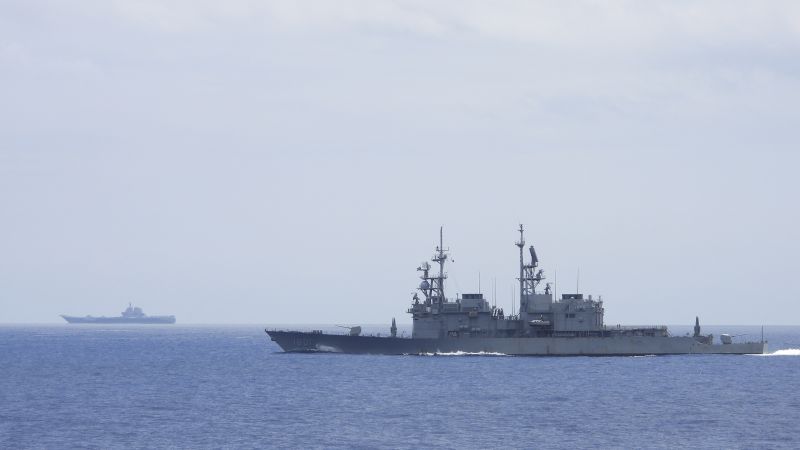
China has unveiled a plan to deepen integration between the coastal province of Fujian and Taiwan, while simultaneously sending warships around the self-governing island. The plan aims to make Fujian a "demonstration zone" for integrated development with Taiwan and the "first home" for Taiwanese residents and businesses in China. This comes as China continues to increase military pressure on Taiwan, with a Chinese aircraft carrier and warships spotted near the island. The integration plan has been met with skepticism in Taiwan, with a lawmaker calling it "ridiculous." The directive also focuses on integrating Taiwan's outlying islands of Kinmen and Matsu with the mainland.