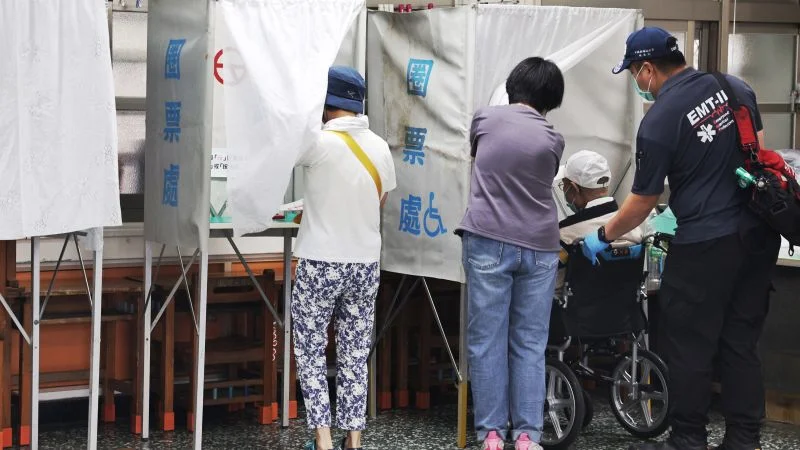
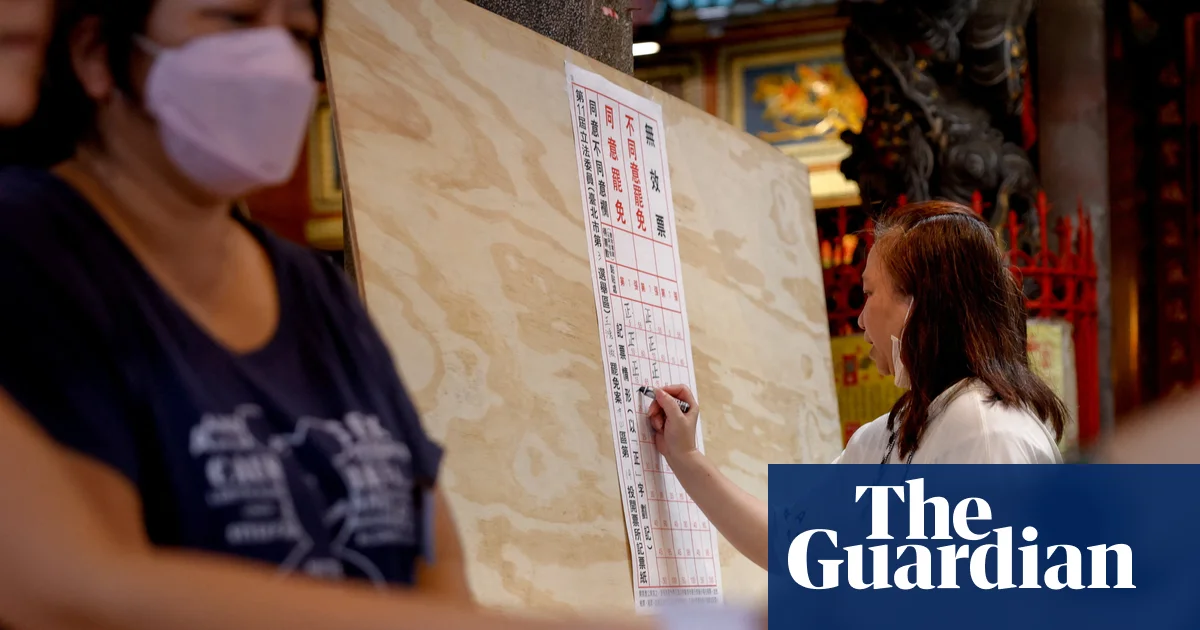
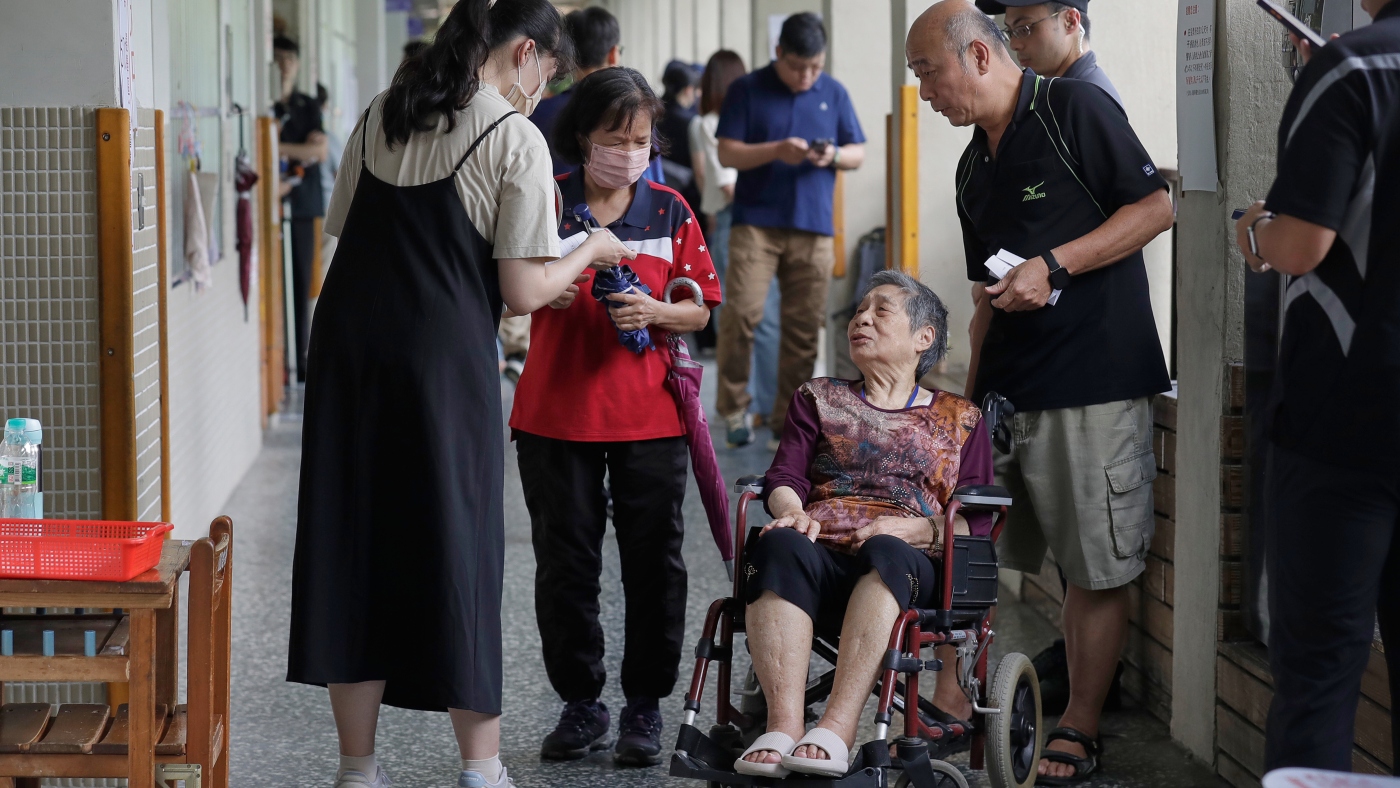
Taiwanese voters successfully rejected efforts to oust opposition KMT lawmakers in a historic recall election, reinforcing the current legislative balance and complicating the ruling DPP's agenda ahead of future elections amid ongoing tensions over Taiwan's relations with China.
An attempt to unseat 24 pro-China opposition politicians in Taiwan through recall votes failed, reaffirming the opposition's control of the parliament and highlighting ongoing political divisions and tensions with China. The votes, which required at least 25% support to vacate seats, were seen as a test of Taiwan's democratic resilience amid cross-strait tensions, with the opposition likely emboldened by the results.
Taiwanese voters rejected a bid to remove about 20% of opposition KMT lawmakers in a historic recall election, maintaining the current legislative balance and complicating President Lai Ching-te's agenda amid ongoing tensions over Taiwan's relations with China.
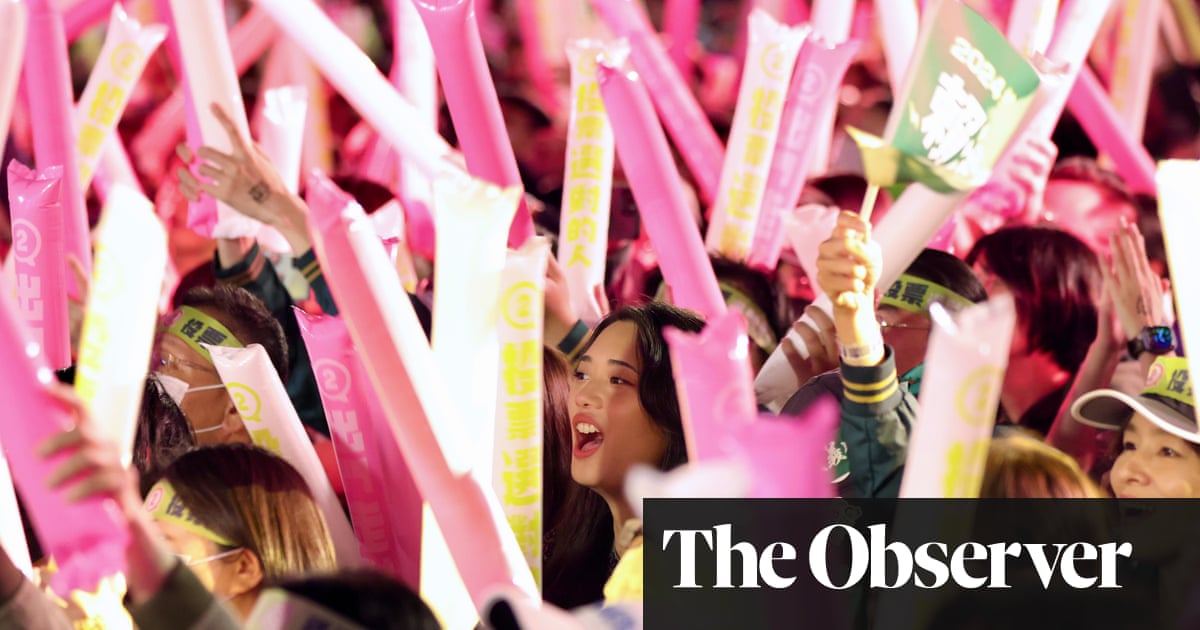
Taiwan is gearing up for a pivotal presidential election with the Democratic Progressive Party (DPP) seeking to retain power against the Kuomintang (KMT) and the Taiwan People's Party (TPP). Economic issues, such as low wages and housing affordability, dominate voter concerns, although China's threat to annex Taiwan remains a backdrop. Indigenous communities like Smangus are particularly invested in the election, with local issues like elderly care, road improvements, and land rights at the forefront. While the DPP has traditionally been favored in Smangus, there is a broader trend of young voters and others considering a shift away from the party, seeking frequent government changes and addressing corruption. The election is seen as a test of Taiwan's democracy and the direction of its future domestic and international policies.
Taiwan's upcoming elections will determine the island's stance towards China, with the ruling Democratic Progressive Party (DPP) advocating for independence and facing declining popularity, while the opposition Kuomintang (KMT) seeks to maintain the status quo. A third party, the Taiwan People's Party, presents a new alternative. The Labor Party of Taiwan, marginalized for its pro-reunification stance with China, emphasizes the need for dialogue and exchange to find solutions for reunification, advocating for a "one country, two systems" approach with more autonomy for Taiwan.
The upcoming presidential and parliamentary elections in Taiwan on January 13 have heightened tensions with China, which claims Taiwan as its territory and has warned of a military clash if the pro-independence Democratic Progressive Party (DPP) candidate wins. Both Taiwan's DPP and the opposition Kuomintang (KMT) party have pledged to strengthen the island's defenses. China's increased military activity in the Taiwan Strait and the arms race between the two sides continue to escalate the situation, with the potential for serious geopolitical and economic consequences. The outcome of the elections could influence China's military and economic response, while Taiwan continues to procure advanced weapons from the United States to bolster its defenses.
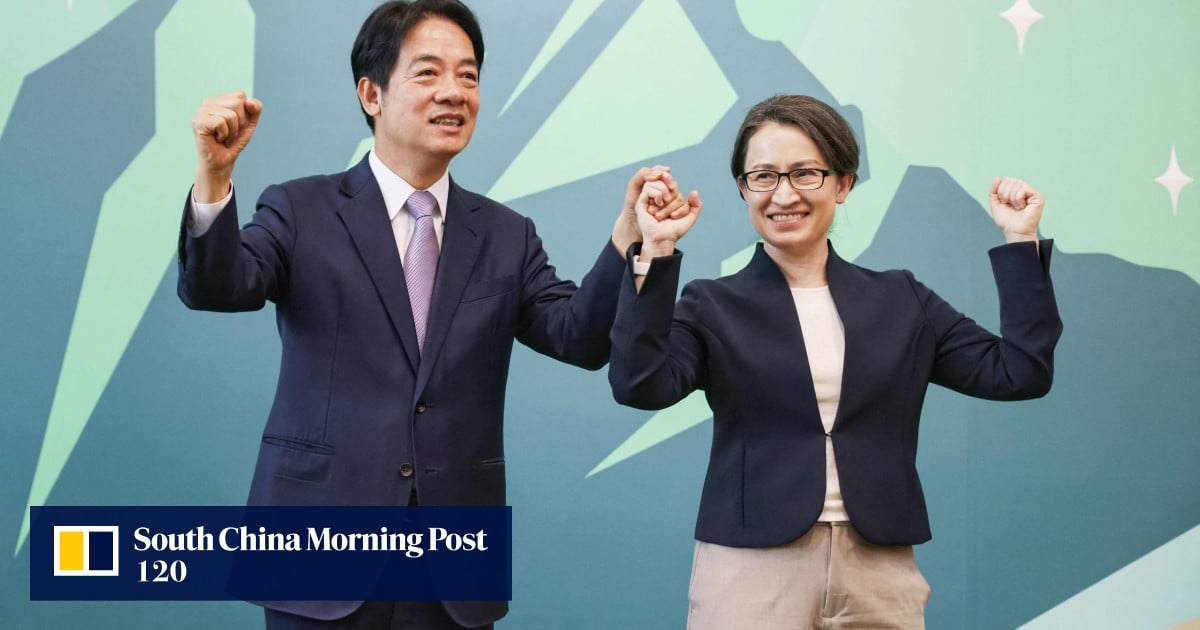
The Democratic Progressive Party (DPP) in Taiwan senses victory with its presidential ticket of Lai Ching-te and Hsiao Bi-khim, but Beijing views them as a "union of pro-independence separatists" that could lead to war. Hsiao, Taiwan's former representative to the US, is seen as a strong boost to Lai's candidacy due to her diplomatic experience and connections in Washington. However, Beijing has accused Lai of being a liar and warned that Taiwan independence means war. Despite this, Hsiao emphasized that Taipei remains open to dialogue and committed to the status quo.
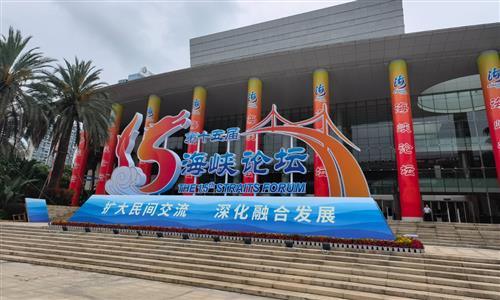
More than 5,000 attendees from Taiwan, including young people, participated in the 15th Straits Forum, the biggest in-person people-to-people exchange event across the Taiwan Straits since the COVID-19 pandemic. Despite the cross-Straits tensions caused by the secessionist Democratic Progressive Party (DPP) and collusion between the Taiwan authorities and Washington, Taiwan youth are attracted by the market, potential, and culture of the Chinese mainland and are confident in the recovery of cross-Straits exchanges. The exchange and integration between the two sides of the Straits represent the will of the people and are unstoppable.
The 15th Straits Forum, aimed at promoting people-to-people exchanges between the Chinese mainland and Taiwan, will receive over 5,000 attendees from Taiwan, including representatives from various political parties, business, education, agriculture, religion, public health, culture, sci-tech, and finance. Despite obstruction by the secessionist Democratic Progressive Party (DPP) authorities on the island, the forum will be the biggest cross-Straits exchange event after the three-year COVID-19 pandemic. The mainland is making utmost efforts to seek peaceful reunification with Taiwan, including offering more opportunities for employment, training, and education for Taiwan youth, as well as promoting dialogue and cooperation with all political groups in the island that at least are not seeking secession.