The Trump administration announced a $16 billion disaster assistance program for farmers affected by natural disasters in 2023 and 2024, with expedited application processes and staged payments, aiming to provide swift relief and ensure future crop insurance coverage.
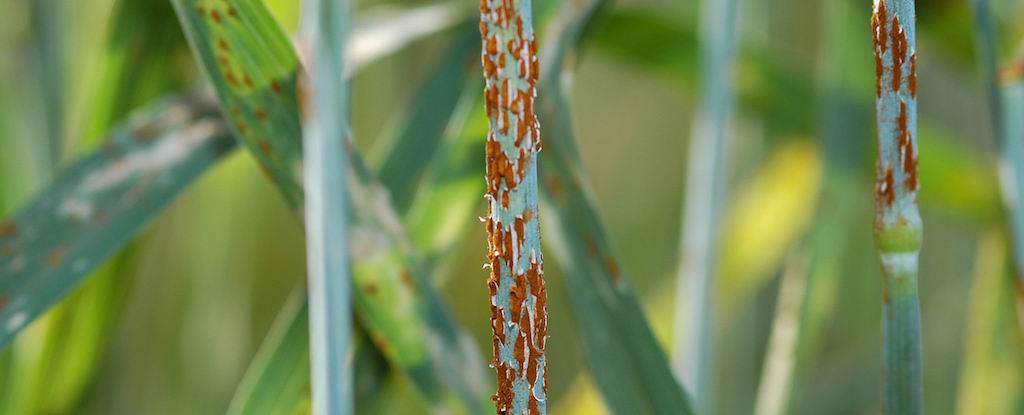
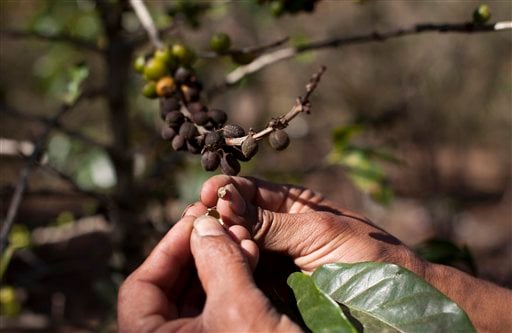
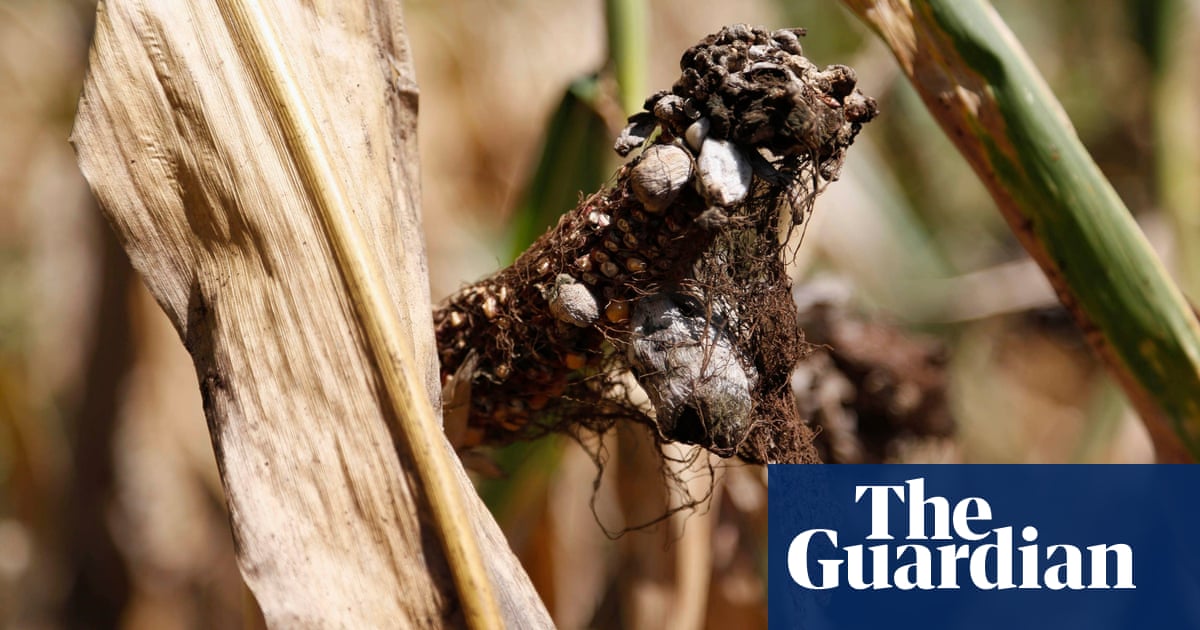
Fungal infections pose a significant threat to global food supply, with growers losing up to 23% of their crops to fungal infections every year. Due to their effects on five of the world's top calorie crops, fungi currently destroy enough food to provide 2,000 calories every day for one year to between 600 million and 4 billion people. Climate change, monocultures, and fungicide resistance are exacerbating the problem. Researchers warn that this could lead to a global health catastrophe caused by the rapid global spread of fungal infections as they develop increasing resistance in a warming world. However, researchers have developed new techniques that might enable a novel class of fungicides targeting multiple cellular mechanisms, and better farming practices could also reduce the risk of fungal outbreaks.
Fungal attacks on important crops are rising rapidly and could lead to a global health catastrophe, warn scientists. Fungi are already the biggest destroyer of crops, and their impact is expected to worsen as the climate crisis results in rising temperatures and fungal infections moving steadily polewards. Fungal pathogens have been moving to higher latitudes at a rate of about 7km a year since the 1990s. Existing fungicides and conventional breeding for disease resistance are no longer enough, and new solutions such as planting seed mixtures and developing new pesticides are needed to prevent global starvation.
Fungal disease, which destroys more crops than any other cause, is likely to become a greater global danger, especially to the food supply, warn researchers. Rising temperatures are greatly increasing the problem, and fungal pathogens are moving to higher latitudes. Fungi can adapt, and many have developed resistance to common fungicides. Malnutrition could become a more imminent threat than disease, and rising temperatures could make the fungi more tolerant of heat, making it possible they could jump to warm-blooded animals and humans.
Fungal attacks on important crops are rising rapidly and could lead to a global health catastrophe, warn scientists. Fungi are already the biggest destroyer of crops and are highly resilient, adaptable, and can travel long distances on the wind. The impact of fungal disease is expected to worsen due to the climate crisis, with temperatures rising and fungal infections moving steadily polewards. Fungal pathogens have been moving to higher latitudes at a rate of about 7km a year since the 1990s. Existing fungicides and conventional breeding for disease resistance are no longer enough, and new solutions are needed, such as planting seed mixtures and developing new pesticides.