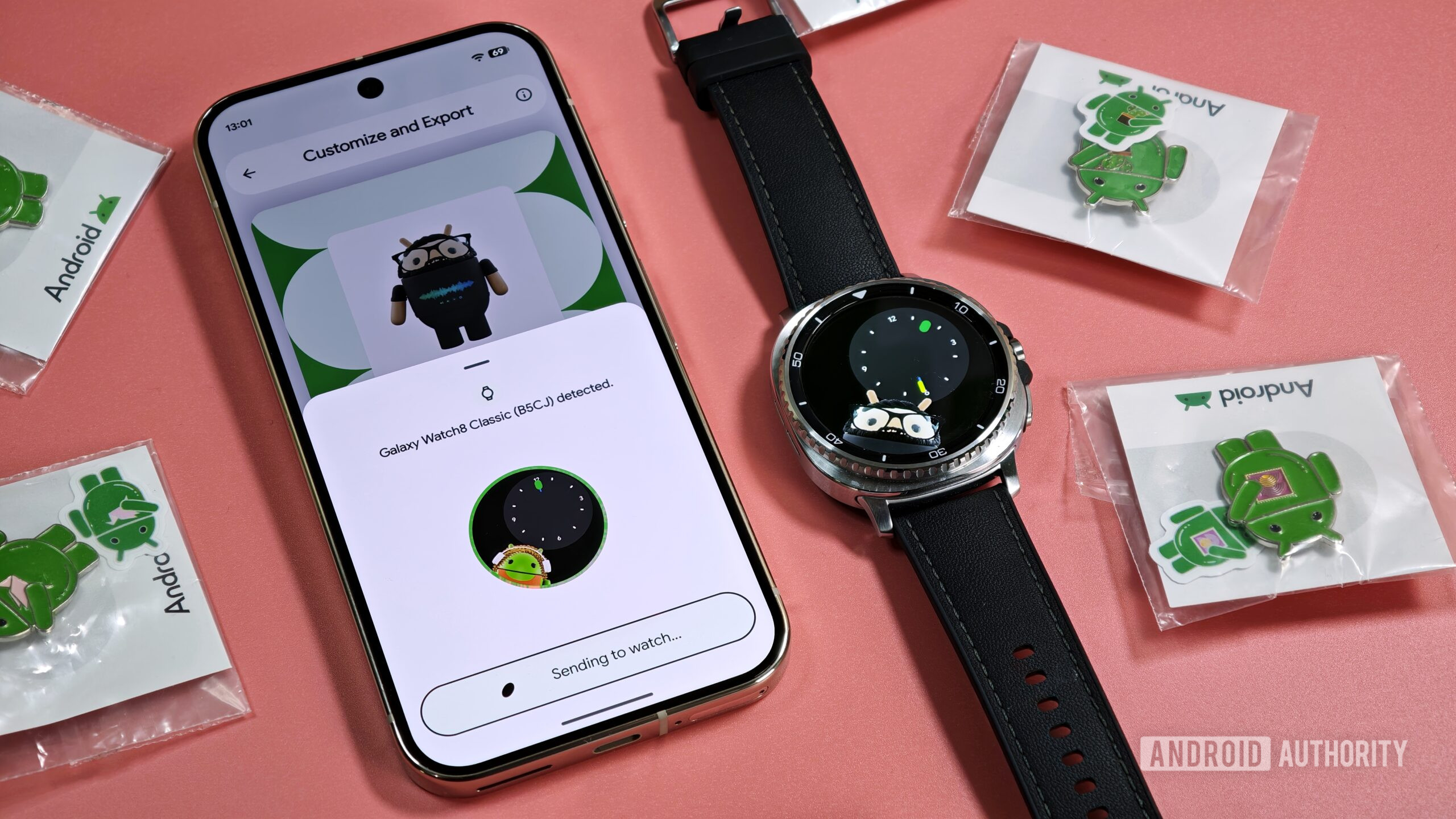
Google has officially launched Androidify for Wear OS, allowing users to create personalized watch faces featuring AI-generated bugdroid avatars based on uploaded photos, adding a fun and customizable element to smartwatch personalization.
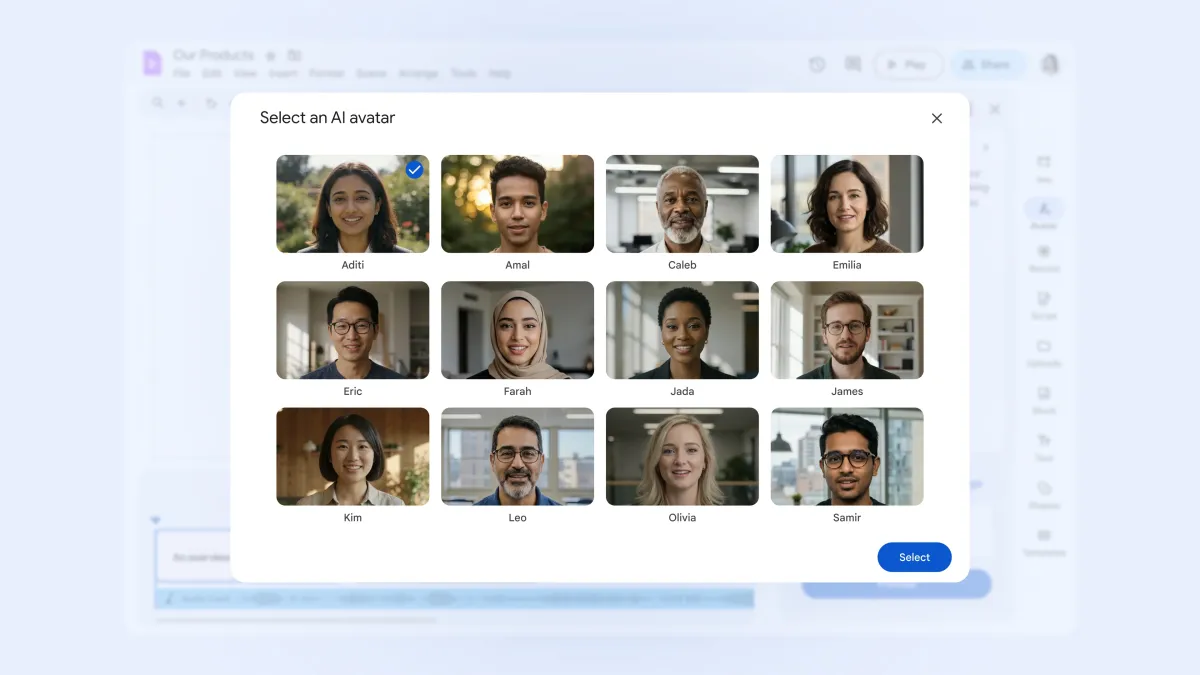
Google has enhanced its Vids video editor for Google Workspace by adding AI avatars, automatic transcript trimming, and image-to-video features, along with a free consumer version with limited capabilities. These tools aim to simplify video creation using AI, targeting both business and individual users, with upcoming features like noise cancellation and various video formats in development.
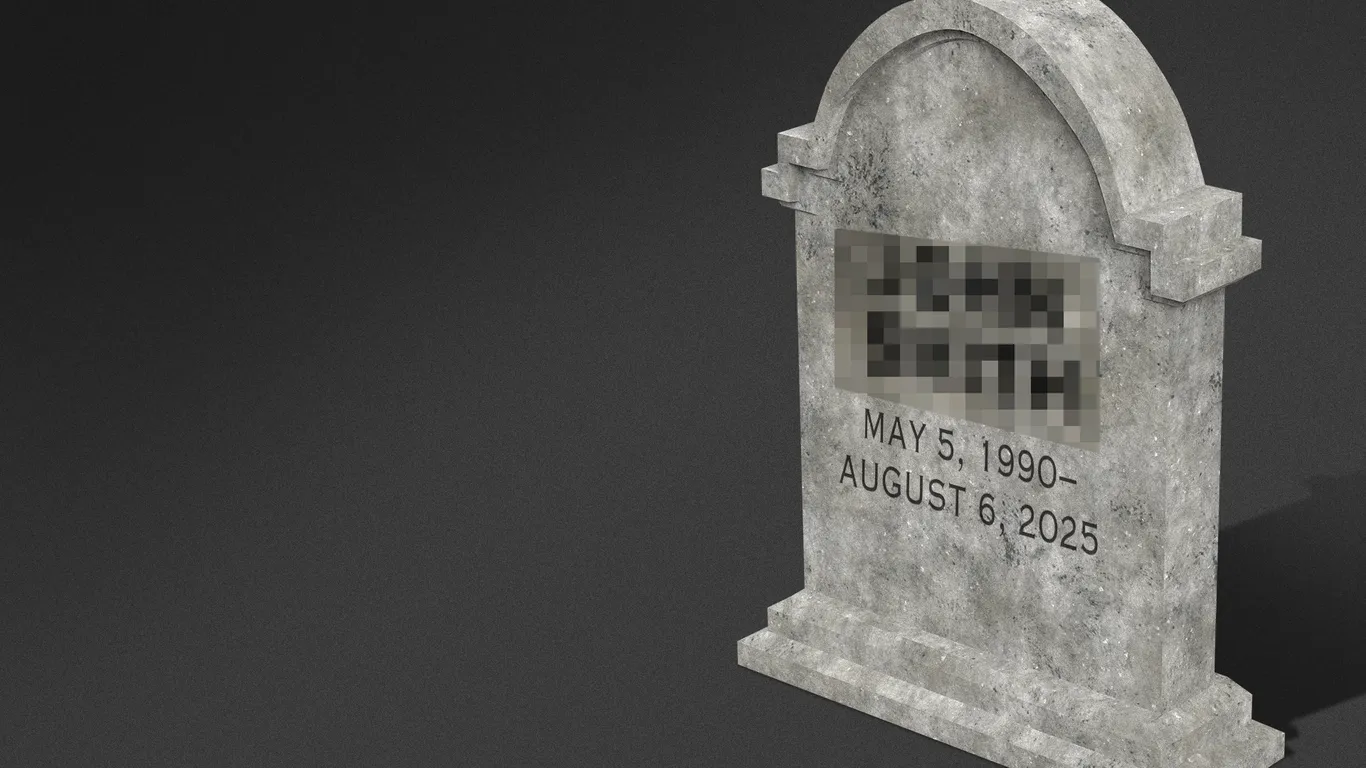
The article discusses the ethical and legal debates surrounding the creation of AI-generated digital likenesses of deceased individuals, highlighting recent examples, legal considerations, and differing opinions on their use for grief, memorialization, and monetization.
OhChat is a startup creating AI-powered digital doubles of celebrities and creators, allowing users to interact with lifelike avatars for personalized and often intimate experiences, raising ethical concerns about emotional dependence and digital exploitation.
TikTok is reportedly developing AI avatars to create sponsored content and promote items on its platform, potentially competing with human influencers. The avatars would read scripts from advertisers or sellers on TikTok Shop, but the feature is not live yet and may still undergo changes. The platform will need to navigate how to share sponsorship dollars between virtual influencers and human creators without antagonizing its user base, especially after asking them to call on Congress not to ban TikTok.
TikTok is reportedly testing a new feature called AI Avatars that allows users to create AI stylized avatars by uploading three to 10 photos of themselves and choosing from five art styles. The tool generates up to 30 separate avatars in a couple of minutes, which can be used as a profile picture or in stories. However, TikTok will only let users use the feature once a day to avoid overloading servers.
Researchers from Stanford University and Google created 25 AI avatars with different identities and let them loose in a virtual town called "Smallville" to see how they interacted with each other and their environment. The AI agents were able to produce believable individual and emergent social behaviors, such as making daily schedules, talking politics, going on dates, and even planning a party autonomously. The findings are considered "baby steps" towards achieving artificial general intelligence, but researchers caution that we need to be skeptical and question what AI tells us at face value.