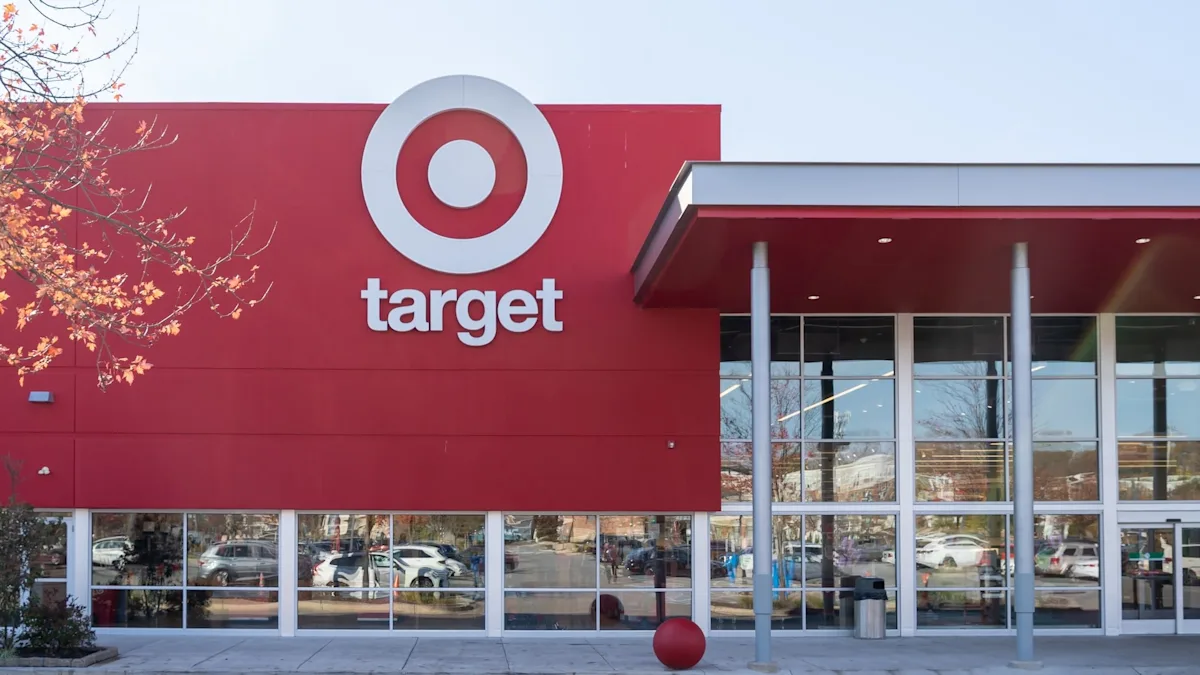
A customer accuses Target of inflating prices before sales to create the illusion of discounts, a tactic that erodes consumer trust and is especially prevalent around major shopping events like Black Friday, contributing to wasteful consumer behavior and broader retail concerns.
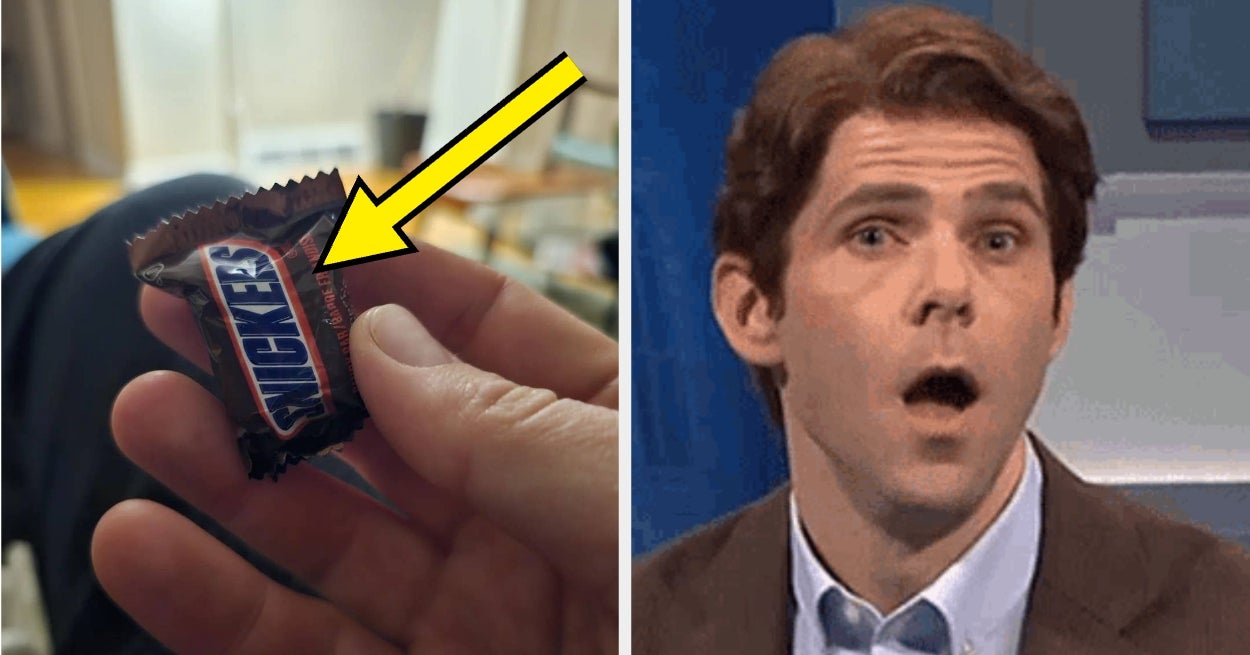
The article highlights 29 recent examples of shrinkflation, where products get smaller but prices stay the same, causing consumer frustration and alerting shoppers to be vigilant about hidden price increases.
The Federal Trade Commission (FTC) has sued Amazon, accusing the company of illegally maintaining a monopoly. The FTC's complaint, which was partially redacted, revealed details about a secret algorithm called "Project Nessie" that Amazon allegedly used to raise prices across popular online shopping destinations. The algorithm reportedly manipulated rivals' pricing algorithms, leading competitors to raise their prices and charge customers more. The FTC alleges that Amazon made over $1 billion in revenue using this algorithm. Amazon denies the allegations, stating that the tool was intended to prevent unsustainable price matching. The FTC aims to prove that Amazon is stifling competition on price and causing harm to consumers.
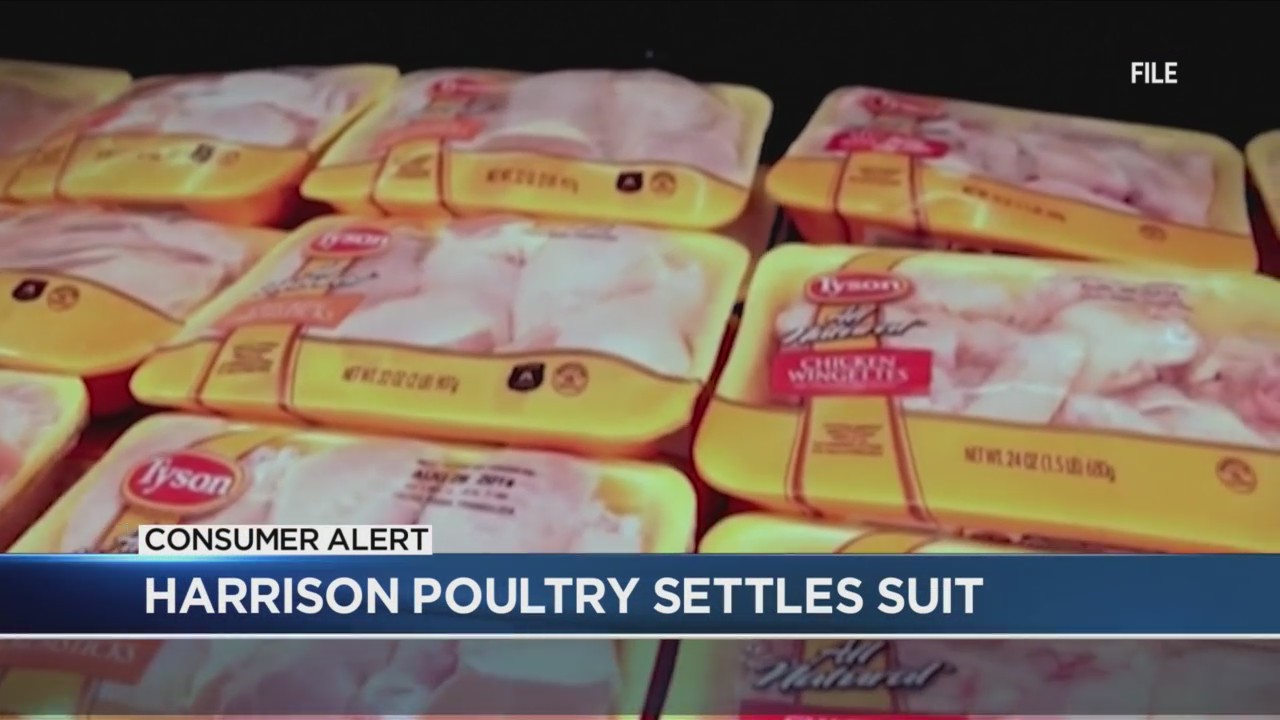
Chicken consumers who purchased frozen or raw chicken between January 2009 and December 2020 may be eligible for part of a multimillion-dollar settlement in a class action lawsuit against major poultry producers. Harrison Poultry is the latest company to agree to pay $2.8 million, joining other industry giants such as Tyson Foods and Perdue Foods who settled for $181 million. The lawsuit alleges that these companies colluded to restrict chicken supply and inflate prices, violating state and federal antitrust laws. The settlement is pending court approval.