Conservative groups and Wall Street are criticizing Tyson Foods for firing American workers and hiring migrants, leading to a stock downgrade and a social media campaign to boycott the company. The company's decision to lay off 1,500 American workers and then announce plans to hire over 30,000 migrants, including paying for their legal expenses, has sparked outrage. Critics argue that this move could drive down wages and overwhelm the system, leading to concerns about the impact on the economy and the company's reputation.
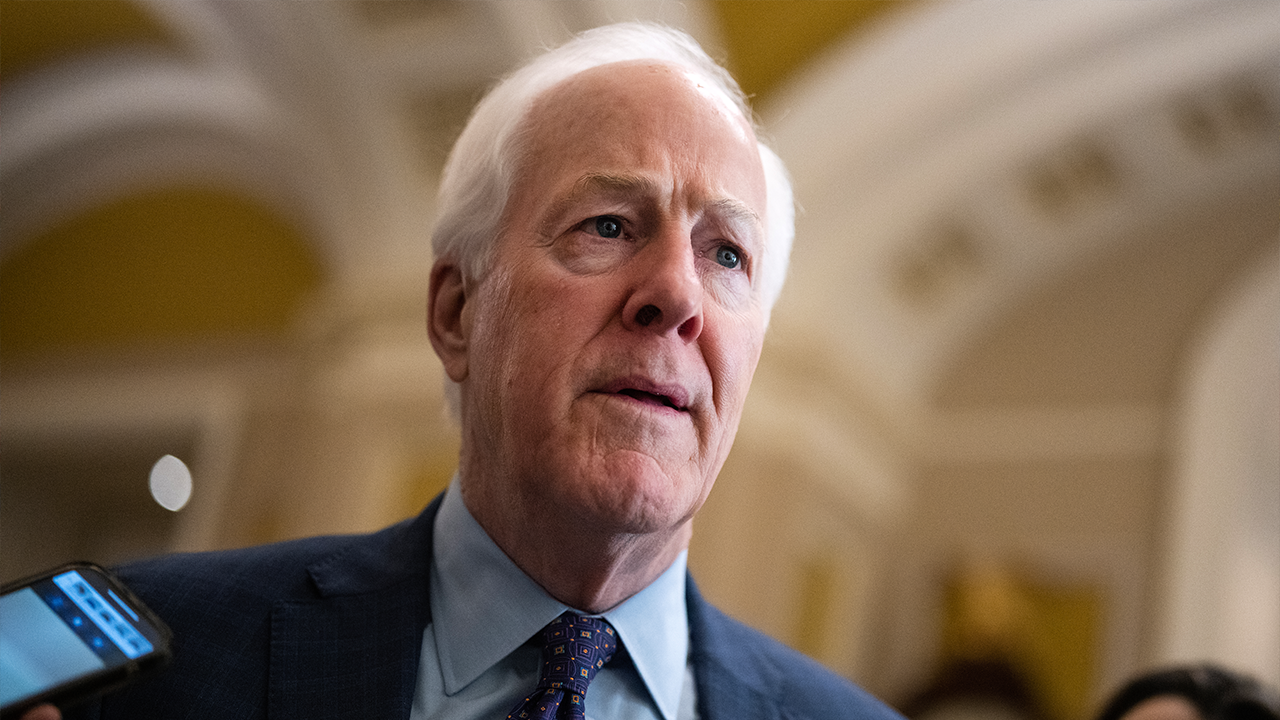
Conservative gun rights groups, including Gun Owners of America and the National Association for Gun Rights, have strongly opposed Senator John Cornyn's bid to replace Mitch McConnell as Senate minority leader. They criticized Cornyn for compromising with Democrats on gun control bills and accused him of being "wholly unfit" to lead Republicans in the Senate due to his record on gun rights. Cornyn's office did not immediately respond to the criticism.
Conservative groups in Minnesota, including the Center of the American Experiment, report that their offices were firebombed in what they believe to be politically motivated violence. The FBI, ATF, and local authorities are investigating the fires as arson. The offices of two other conservative groups, the Upper Midwest Law Center and TakeCharge, also suffered fire damage. TakeCharge, run by Black conservative Kendall Qualls, likened the incident to white supremacist terrorism and raised concerns about the targeting of a Black man.
Several major U.S. companies, including JPMorgan Chase and BlackRock, have made revisions to their internal diversity policies in response to threats of lawsuits from conservative groups. The changes mainly involve removing language that indicates certain programs are for underrepresented groups or modifying goals for increasing racial diversity in the workforce. While the changes cannot be directly linked to the lawsuit threats, at least six companies have publicly acknowledged making modifications. The threats come as conservative efforts to roll back corporate diversity, equity, and inclusion (DEI) initiatives gain momentum following a Supreme Court ruling that found the use of affirmative action in university admissions unconstitutional.
Conservative groups and former border officials are urging Republican lawmakers to reject a potential compromise on border funding that falls short of the House signature legislation passed this year. Negotiations are ongoing between Republicans, Democrats, and the Biden administration over a $106 billion supplemental spending agreement for the border, Israel, and Ukraine. Republicans have demanded policy changes, including asylum limits, to restrict the entry of migrants into the U.S. Conservatives argue that the compromise proposal does not adequately address the ongoing border crisis and that the inclusion of the entirety of H.R. 2 is necessary to secure the border. It remains uncertain if a deal will be reached before lawmakers leave for the holiday break.
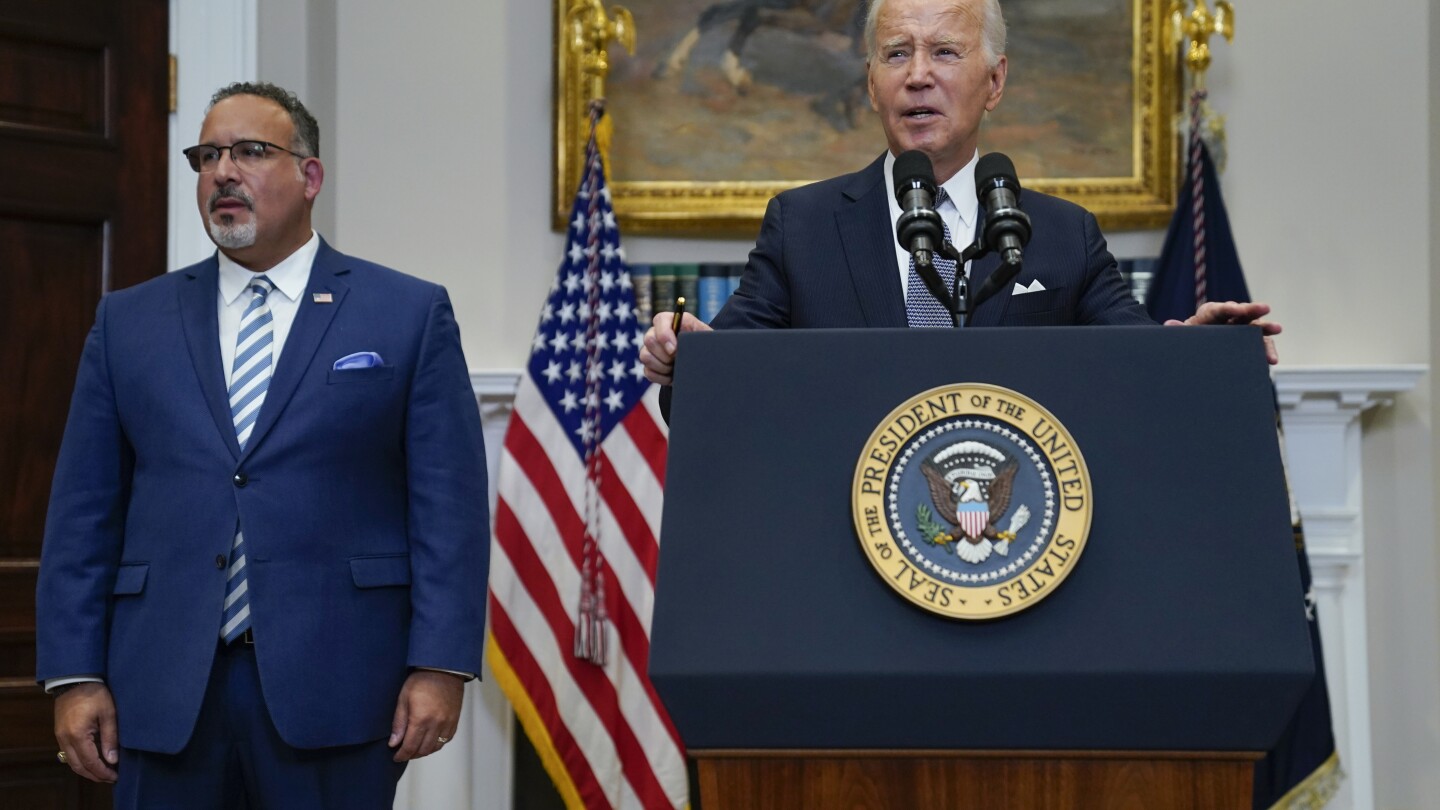
Two conservative groups have filed a lawsuit to block the Biden administration's plan to cancel $39 billion in student loans for over 800,000 borrowers. The groups argue that the administration exceeded its authority and that the cancellation plan undermines the Public Service Loan Forgiveness program. The Education Department has called the lawsuit a desperate attempt by right-wing special interests, while Republicans have launched multiple legal challenges against the administration's efforts to reduce or eliminate student debt.
Conservative groups at the University of Pittsburgh are being asked to pay over $18,000 in security and damage fees after protesters disrupted an event discussing LGBTQ+ issues. The Intercollegiate Studies Institute and College Republicans groups argue that the university's move violates their First Amendment rights. The university allegedly encouraged students to disrupt the event and shut it down, leading to an "angry mob of hundreds" assembling on campus. The Alliance Defending Freedom has written a letter to the university on behalf of the groups, arguing that the fees allowed the protesters to simply "shut down" the event by protesting it, better known as the "heckler's veto."
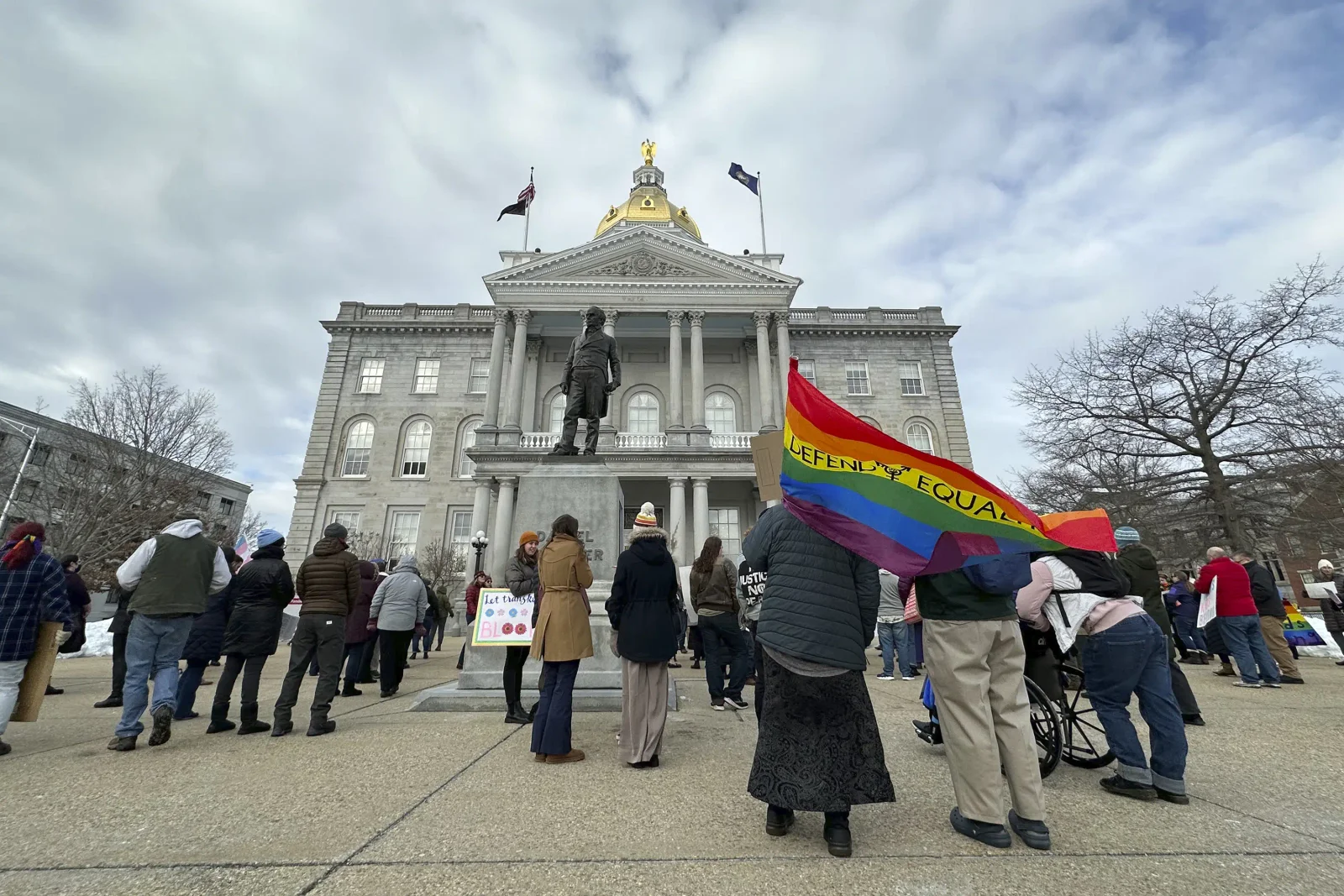
An analysis by the Associated Press found that many bills restricting or banning gender-affirming care for transgender minors in at least 17 US states were not the result of grassroots or constituent demand, but rather from a handful of conservative interest groups. The bills often use identical or very similar language to model legislation peddled by groups such as Do No Harm and the Family Research Council, which spread a false narrative based on distorted science, critics say. The bills distort valid science that supports gender-affirming care for youths and are designed to inflame, according to experts.
Many statehouse proposals to restrict gender-affirming care for youths are identical or very similar to some model legislation suggested to lawmakers by conservative interest groups, according to an analysis by the Associated Press. The model bills have similar preambles, including the assertion that the risks of gender-affirming care outweigh its benefits. The AP obtained the texts of more than 130 bills in 40 state legislatures and analyzed them for similarities to model bills touted by the conservative groups Do No Harm and the Family Research Council.
The US Supreme Court has agreed to consider overturning a 1984 ruling that said courts should defer to federal agencies in their interpretations of the law when the language of the statute is ambiguous. The case in question is a challenge to a government regulation that requires fishing vessels to help fund the collection of scientific data to assist with fishery conservation and management. The court could still rule in favor of the challengers by limiting the scope of the Chevron decision without overturning it entirely. The case is backed by conservative groups and is the latest attempt to undermine the power of federal agencies.
The Supreme Court will consider overturning a 1984 ruling that requires courts to defer to federal agencies in their interpretations of the law when the language of the statute is ambiguous. The case involves a challenge to a government regulation that requires fishing vessels to fund the collection of scientific data to assist with fishery conservation and management. Conservative groups and business interests have been attacking federal bureaucracy in what has been dubbed "the war on the administrative state." The court could still rule in favor of the challengers by limiting the scope of the Chevron decision without overturning it entirely.
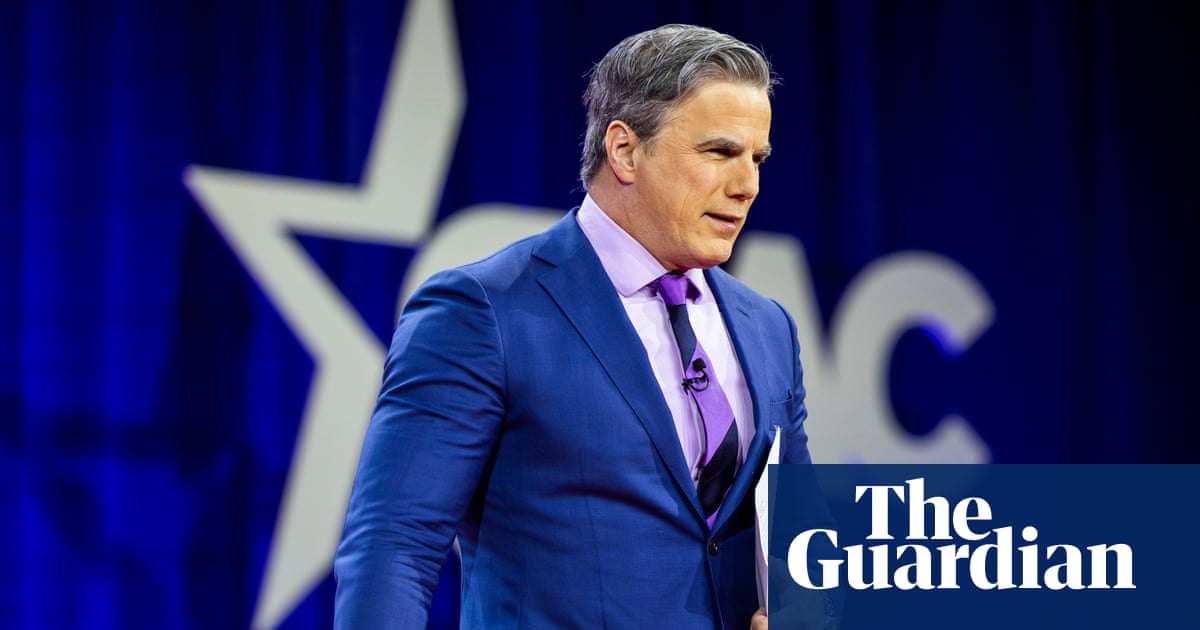
Conservative group Judicial Watch has joined Donald Trump and other election denial groups in attacking the Electronic Registration Information Center (ERIC), a bipartisan consortium of over two dozen states that exchange voter registration data to ensure election security. The group released a flawed report alleging potential violations of federal law by ERIC, falsely slamming it as a “syndicate founded by leftists” and charging that it has been “far more effective at swelling voter registration rolls than at keeping them clean”. ERIC was started in 2012 by seven states, including four led by Republicans, and is the sole data-sharing program for states since there is no clearinghouse for voter registration.
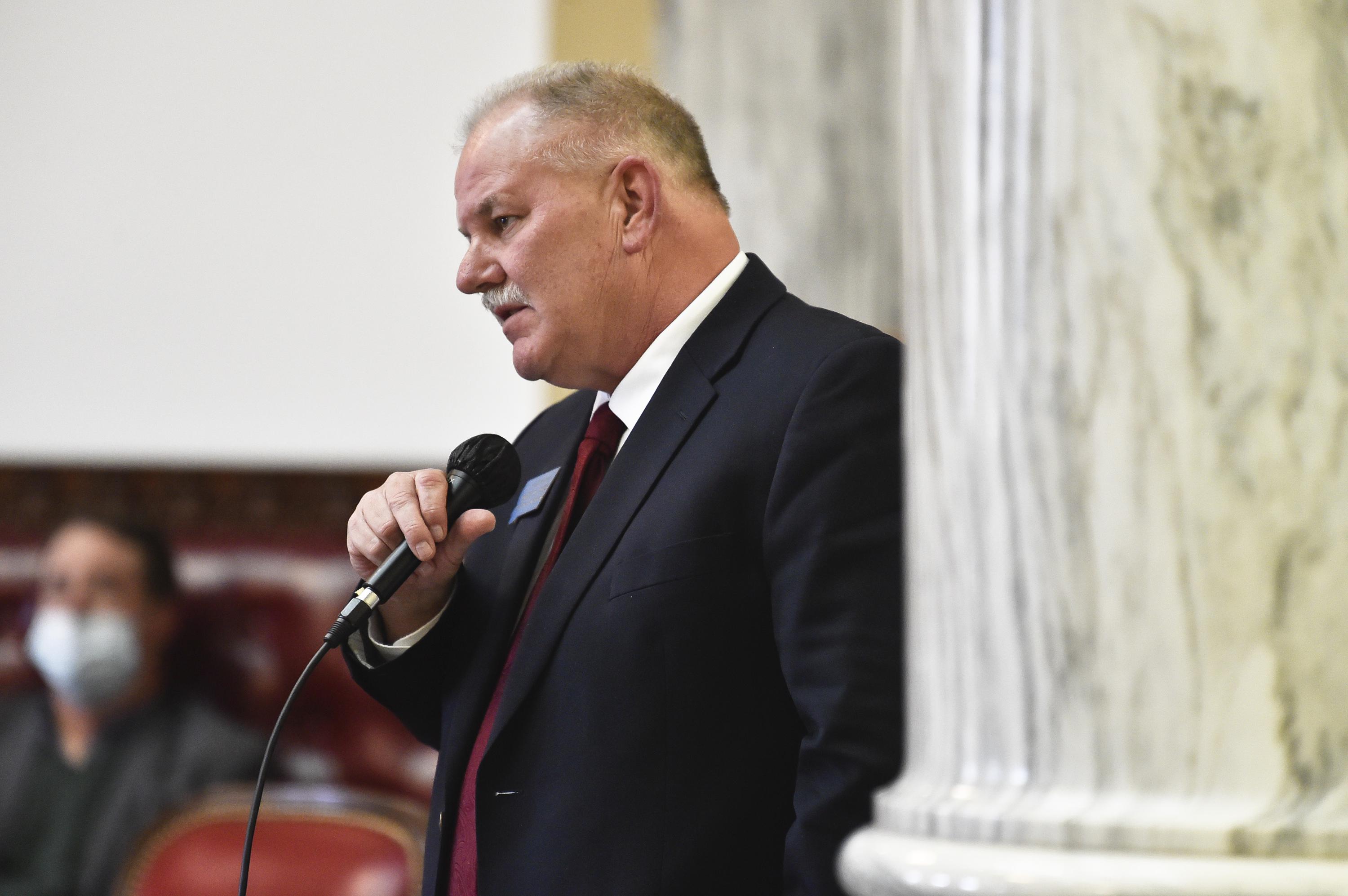
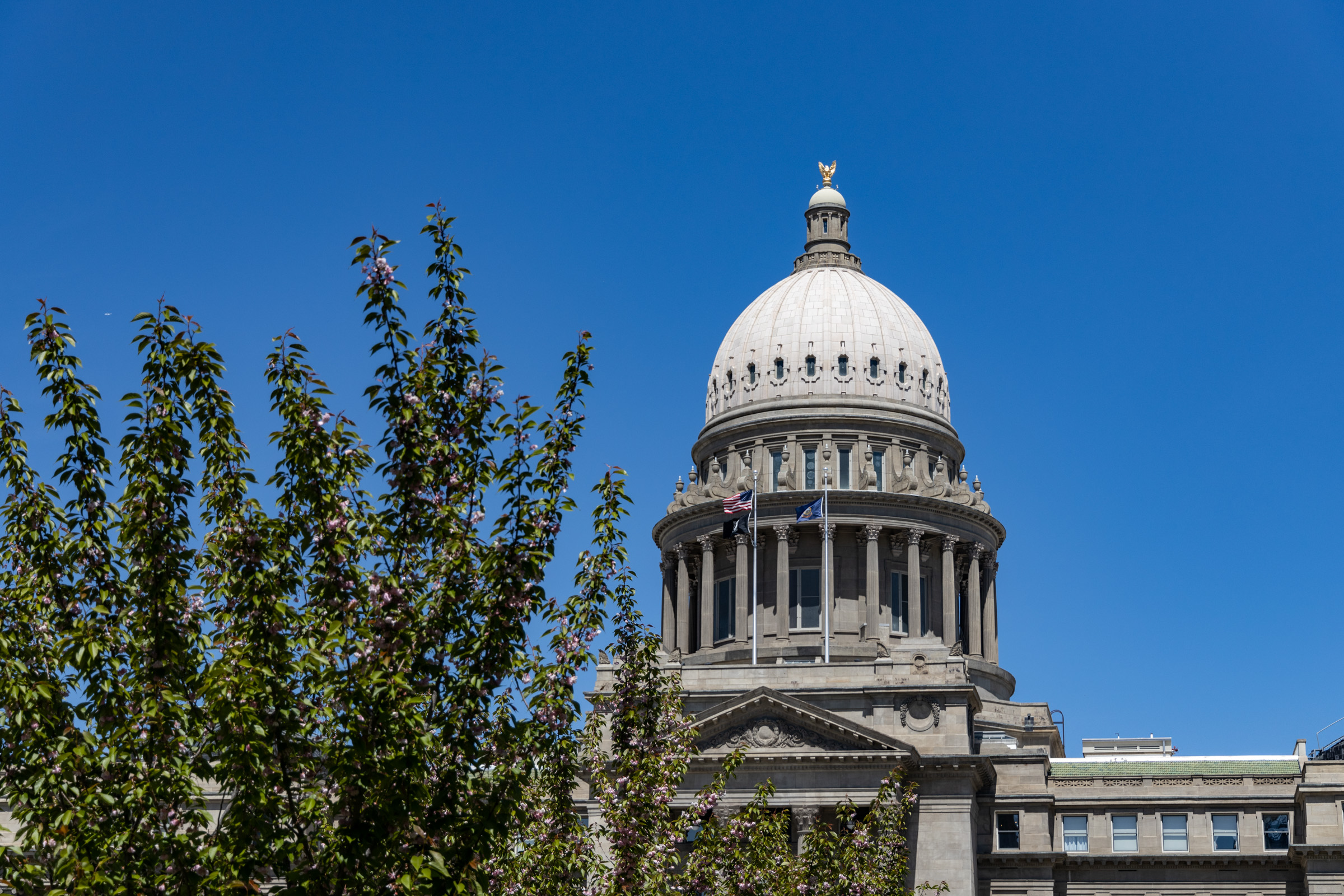
Idaho Governor Brad Little signed House Bill 71 into law, which bans gender-affirming care for transgender youth and makes it a felony for medical practitioners to help minors seek gender-affirming treatment. Little's office received more than 14,800 emails and calls in favor of the bill and more than 6,500 calls and emails asking Little to veto the bill. Conservative groups urged Idahoans to voice support for the bill, while community organizations worked on a campaign to veto it.
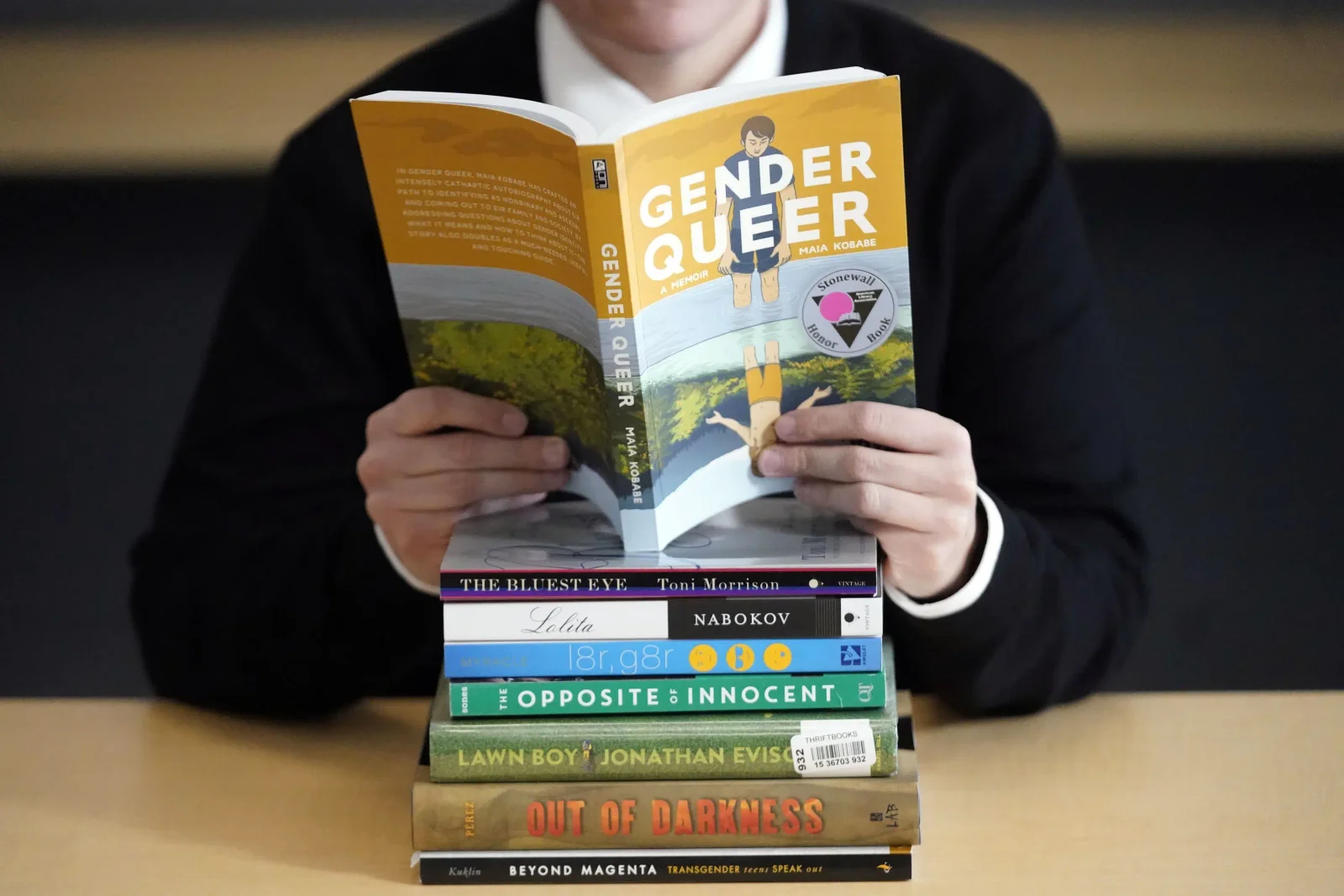
The American Library Association has reported a record number of attempted book bans and restrictions in 2022, with over 1,200 challenges compiled, nearly double the previous record from 2021. The requests are often for multiple removals, and organized by national groups such as the conservative Moms for Liberty. The vast majority of complaints come from conservatives, directed at works with LGBTIQA+ or racial themes. Bills facilitating the restriction of books have been proposed or passed in several states, and librarians around the country have reported being harassed and threatened with violence or legal action.
Ohio has become the sixth state to leave the Electronic Registration Information Center (ERIC), a multi-state consortium that aims to help maintain accurate voter rolls. ERIC has become a growing target for conservative groups, and Ohio Secretary of State Frank LaRose cited the defeat of several proposals that would have improved data security and reduced partisan influence in the organization as reasons for leaving. ERIC was founded in 2012 by seven states as a way to update voter registration rolls, encourage voter registration, and thwart potential voter fraud.