Jack Smith, the special counsel investigating Trump, defends the impartiality of his investigations in a letter to Senate Judiciary Chair Grassley, amid Republican scrutiny and requests for public testimony, while broader political tensions and government shutdown negotiations continue in Congress.
Senior GOP members are urging the Trump administration to reverse its decision to fire all employees at the bipartisan CDFI Fund, which supports underserved communities, amid ongoing government shutdown and fiscal debates. The shutdown has led to furloughs, halted investigations like the Epstein case, and stalled funding for various programs, with lawmakers pushing for measures to reopen the government and address issues like military pay and farm loans.
The Biden administration is blaming congressional Republicans for potential internet bill hikes and disruptions to the Affordable Connectivity Program, which provides monthly discounts on internet service to an estimated 59 million low-income people. Despite bipartisan support for legislation to extend the program, it faces a stalemate in Congress, with the House being the biggest obstacle. Without an extension, the program could collapse by early May, impacting vulnerable populations, including seniors and military households. The administration is urging Congress to act swiftly to avoid the program's disruption.
Anne Applebaum highlights the unprecedented nature of Donald Trump's efforts to block aid to Ukraine and undermine the actual president's foreign policy, which is causing concern among European allies and weakening American power and credibility. This move is seen as potentially leading to a Russian victory in Ukraine, discrediting the United States, and emboldening other global adversaries.
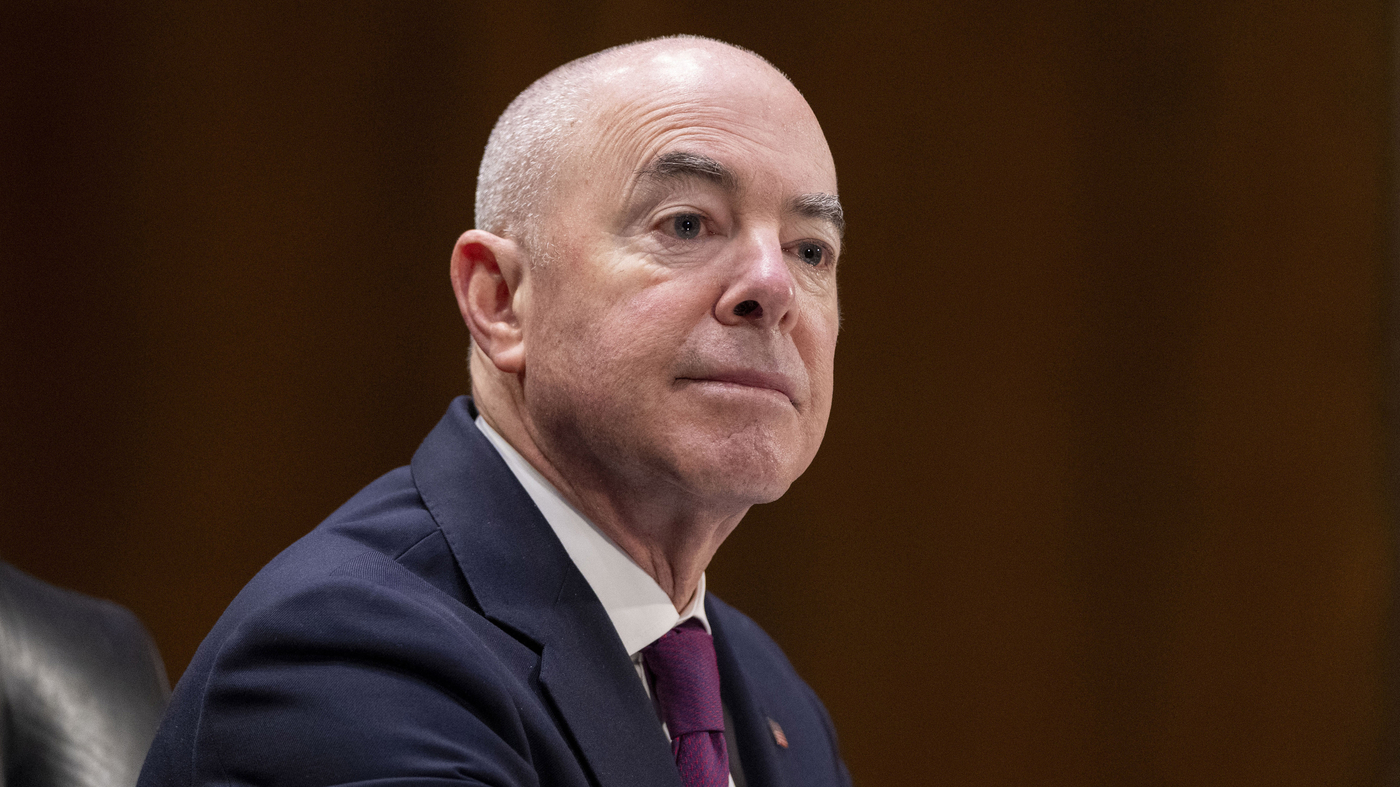
The House Committee on Homeland Security, led by Republicans, has released draft articles of impeachment against Homeland Security Secretary Alejandro Mayorkas, accusing him of willfully disregarding immigration law and breaching public trust. Democrats and DHS have called the articles a "sham," with Democrats accusing Republicans of abusing their impeachment power for political gain. Mayorkas and others in the DHS argue that it's Congress's responsibility to overhaul federal immigration laws and fix the broken immigration system. If the articles pass the committee, they will go to the full House for an impeachment vote, with the Democratic-led Senate having the final say on whether to convict.
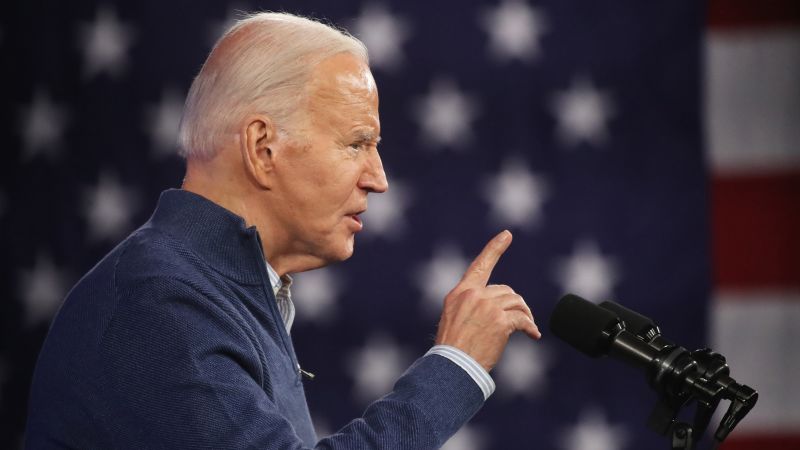
President Biden warns that Russia is celebrating American division over providing aid to Ukraine, as President Zelensky faces resistance from congressional Republicans during his visit to Washington. Republicans insist on pairing new aid for Ukraine with tighter security at the southern border, and even supporters of aid have given up hope of approving it before Congress goes on holiday break. Biden accuses Republicans of holding military aid to Ukraine "hostage" in exchange for their partisan agenda on immigration. American support for Ukraine appears to be waning, despite Biden's pledge to stand by the country. European lawmakers release a joint letter urging Congress to support funding for Ukraine.
Congressional Republicans are preparing for a return to daily life with Donald Trump, as he remains far ahead in the GOP primary and leads President Joe Biden in some polls. Republicans are bracing themselves for constant questions about Trump's erratic policy whims and political attacks, reminiscent of their experiences during his first term. Trump's recent call to replace the Affordable Care Act is causing concern within the GOP, as they anticipate being inundated with his fact-averse and hyperbolic statements. Despite this, Republicans are distancing themselves from Trump and downplaying his remarks, treating him as they did during his first campaign and presidency. However, Trump's return threatens to spark clashes with the GOP, potentially leading to leadership shakeups and tensions over policy proposals.
The Biden administration and congressional Democrats are considering tying legislation for additional military support for Israel with military assistance for Ukraine, Taiwan, and potentially border funding, in an effort to secure aid for Ukraine amid dwindling support from House Republicans. The move is expected to face opposition from hardliners in the House who oppose providing more funding to Ukraine. The question of how to support Israel and Ukraine in uncertain times is further complicating the ongoing speaker's race in the House, with no clear candidate securing the necessary votes. The White House has yet to formalize a request for additional aid to Israel, but briefers have emphasized the eventual need as Israel depletes its munitions.
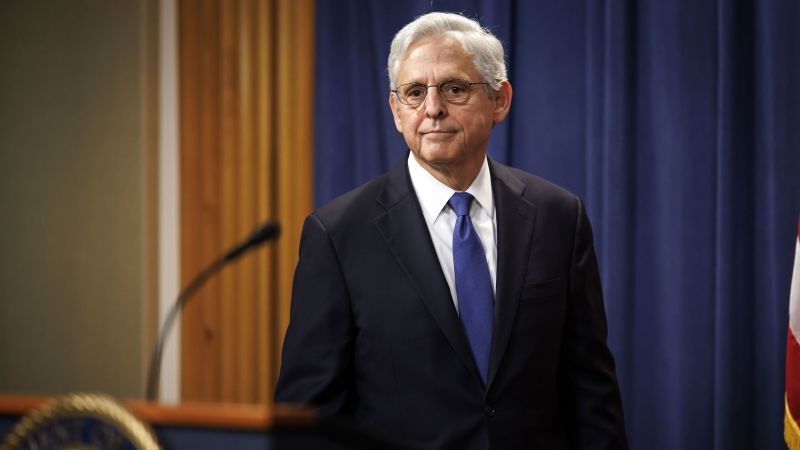
Attorney General Merrick Garland is expected to assert his independence from political influence in his testimony before the House Judiciary Committee, stating that he is not the President's lawyer or Congress's prosecutor. Garland will emphasize the Justice Department's commitment to pursuing justice without fear or favor and not succumbing to political convenience. He will address criticism from Republicans accusing him of failing to protect the department from politicization and Democrats who believe the department has been too timid in investigating former President Donald Trump. The hearing is likely to preview the upcoming impeachment inquiry into President Joe Biden, with Republicans expected to question Garland about the Hunter Biden investigation and indictments against Trump. Garland will defend the department's integrity and commitment to defending democracy, while also expressing concern about threats to public servants.
Most Americans don’t seem to view the debt ceiling threat as that big of a deal, or they don’t seem to view a potential default on debt as a crisis. Many voters view the future of the debt limit as contingent on some kind of spending cuts, and many seem willing to consider a default if Congress does not cut some spending. The majority of Americans don’t seem to understand the technical details of the debt ceiling, or what a default would mean. Most recent polls show nearly even splits in blame for both parties. Americans don’t seem to understand that the stability of the global economy and the imperative for America to avoid a recession are different issues from the political debates over the government’s budgeting and spending priorities.
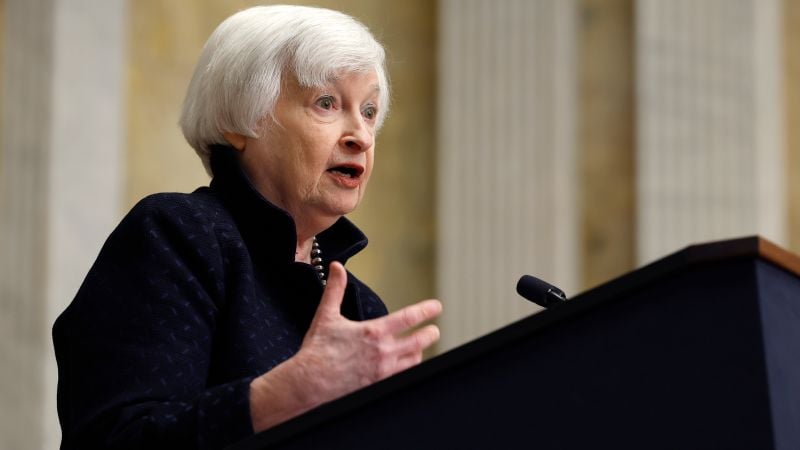
The US Treasury Department has warned that it expects to be able to pay the US government's bills only through June 1 without a debt limit increase, leaving just 10 days for White House negotiators and congressional Republicans to reach a deal. Treasury Secretary Janet Yellen said it was "highly likely" that the agency will be unable to meet all US government payment obligations by early June, and as early as June 1, without congressional action to raise the $31.4tn debt ceiling, which would trigger the first-ever US default.
Treasury Secretary Janet Yellen reaffirmed June 1 as the “hard deadline” for the US to raise the debt ceiling or risk defaulting on its obligations. President Joe Biden issued a stark warning that congressional Republicans could use a national default to damage him politically and acknowledged time had run out to use potential unilateral actions to raise the federal borrowing limit. Yellen downplayed the impact of tax receipts or spending delaying the X-date past early June, saying the odds are “quite low,” the US makes it to June 15 without defaulting if no congressional intervention happens.
There is growing concern that President Joe Biden will be left defending a faltering economy if the government fails to avoid a default on the nation's debt. Failing to raise the borrowing limit to address the nation’s $31.4 trillion debt could trigger panic on Wall Street and prove politically disastrous for Biden, rattling the public’s confidence in the economy and his leadership as he heads into his re-election campaign. The worst-case scenario would be “a catastrophic political consequence that almost dictates the outcome of the 2024 election,” said a senior Democratic aide.
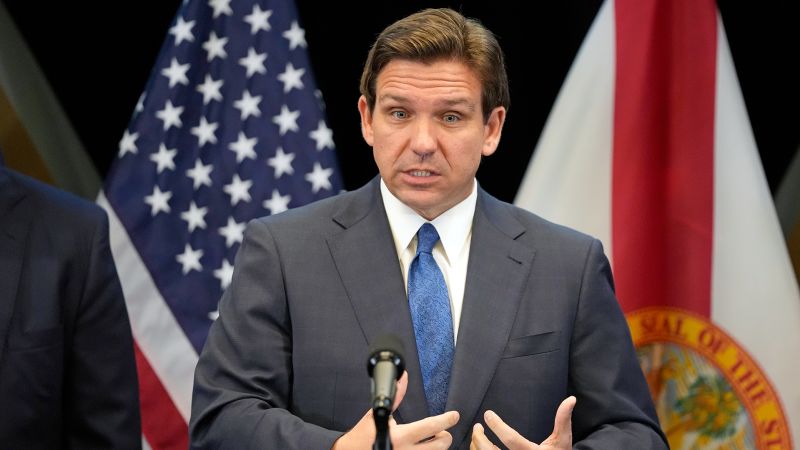
Florida Governor Ron DeSantis met with a group of congressional Republicans in Washington as he seeks support to challenge Donald Trump for the GOP nomination in 2024. While many members lauded DeSantis and his work in Florida, they refused to offer their endorsement of him at this early stage. DeSantis' lack of inroads in Congress is sending troubling signals to political supporters, with six House Republicans backing Trump over their home state governor. Surveys of GOP voters continue to show that DeSantis is Trump's chief rival for the nomination, often leading the rest of the field by double digits.
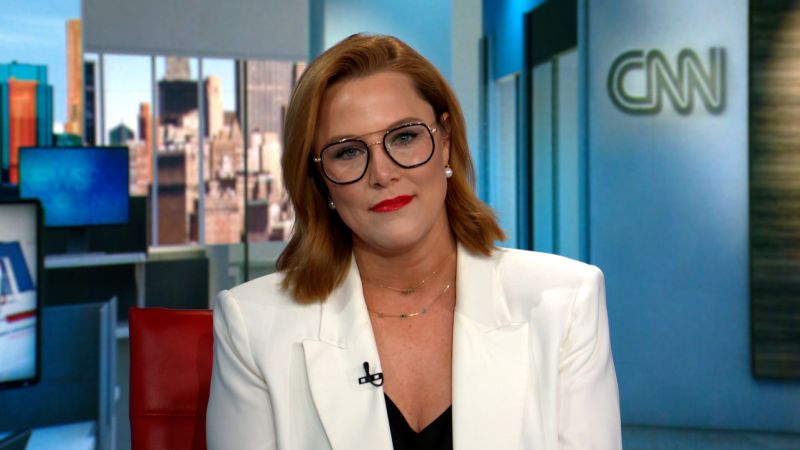
CNN's SE Cupp says that the GOP outrage over Trump's indictment is not worth caring about, as it is simply a legal matter that should be left to the courts. She also discusses why some congressional Republicans are rallying to Trump's defense.