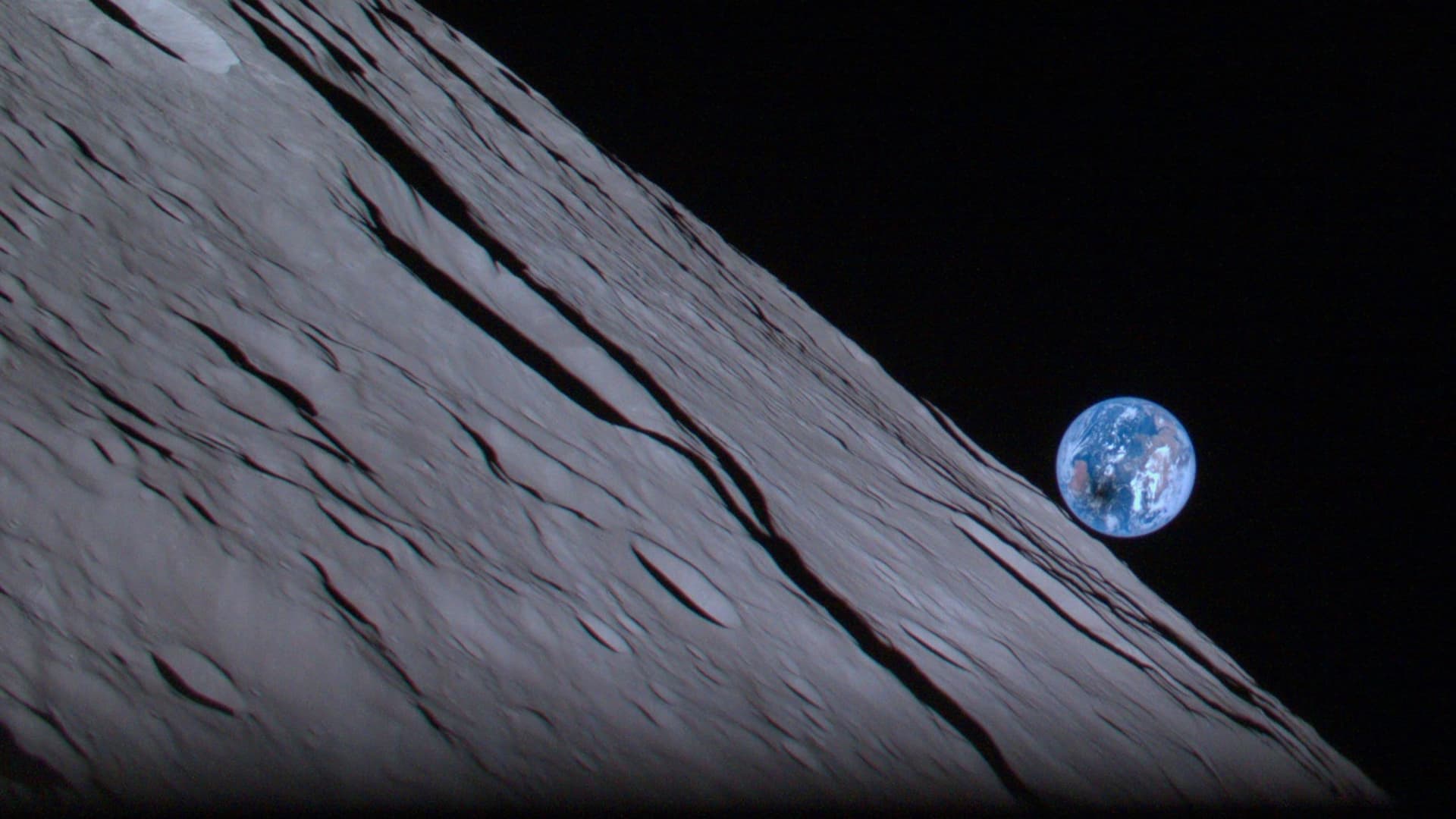
Japanese lunar lander company ispace is opening its U.S. headquarters in Denver, Colorado, as it aims to become a key transportation provider in the growing moon market. The company's U.S. subsidiary, ispace U.S., has invested over $40 million to date and is developing a new lander called "Apex 1.0" to carry payloads to the moon's surface. The U.S. team has won contracts from NASA under the Commercial Lunar Payload Services program and is working towards launching its third mission in 2026. The company's CEO, Ron Garan, emphasized the importance of creating a commercial market to achieve a permanent human presence on the moon.
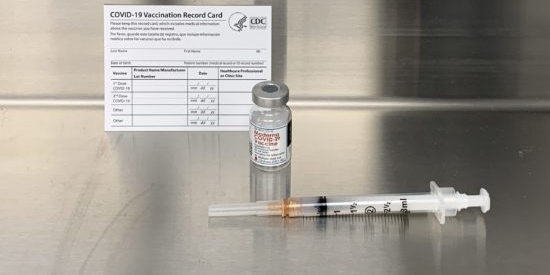
A government-created map has been launched to help Americans find nearby pharmacies offering the updated COVID-19 vaccine from Moderna and Pfizer. However, independent pharmacies on the Upper West Side of Manhattan are not included on the map, as they are facing challenges in obtaining the new vaccine. Since vaccine distribution shifted to commercial oversight, independent pharmacies have struggled to acquire the shots, which are now sold in the commercial market through pharmacy benefit managers affiliated with larger chains. Independent pharmacies emphasize the personalized service they provide and express frustration at being unable to serve their customers who prefer local pharmacies over chains.
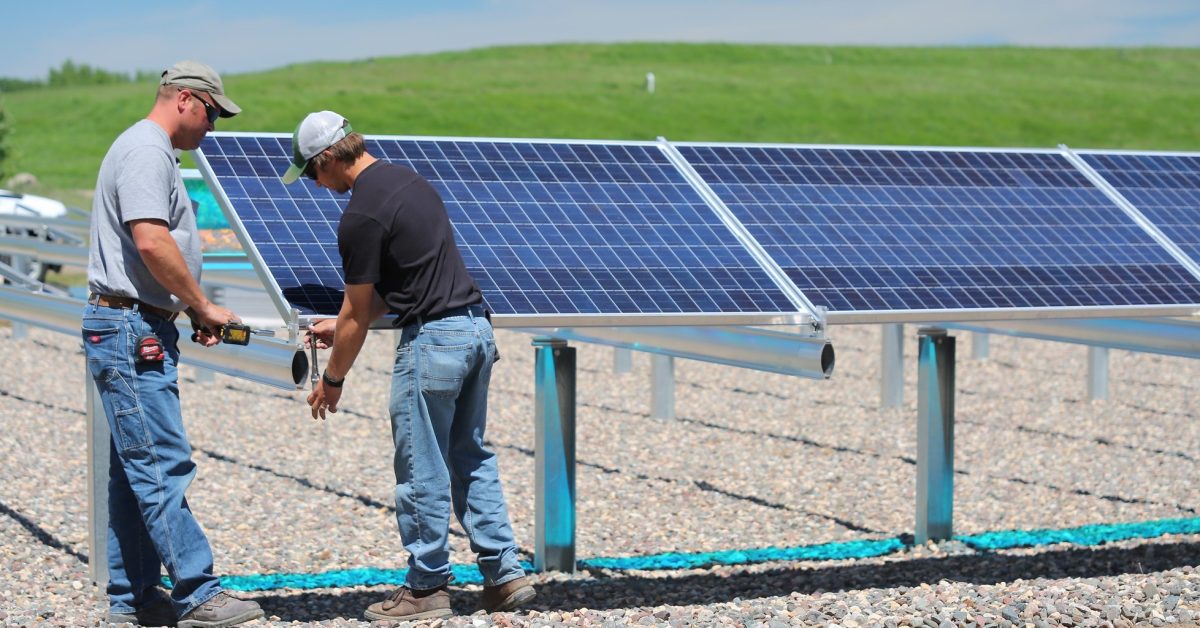
The US solar market is expected to triple in size over the next five years, achieving a total installed solar capacity of 378 GW by 2028, due to strong Q1 2023 numbers and a surge in demand. The Biden administration’s Inflation Reduction Act has spurred a surge of new manufacturing announcements, with US module capacity expected to rise from fewer than 9 GW today to more than 60 GW by 2026. The residential segment installed 1.6 GW of solar capacity in Q1 2023, a 30% increase from Q1 2022, and the commercial market had a record first quarter, with 391 MW installed.