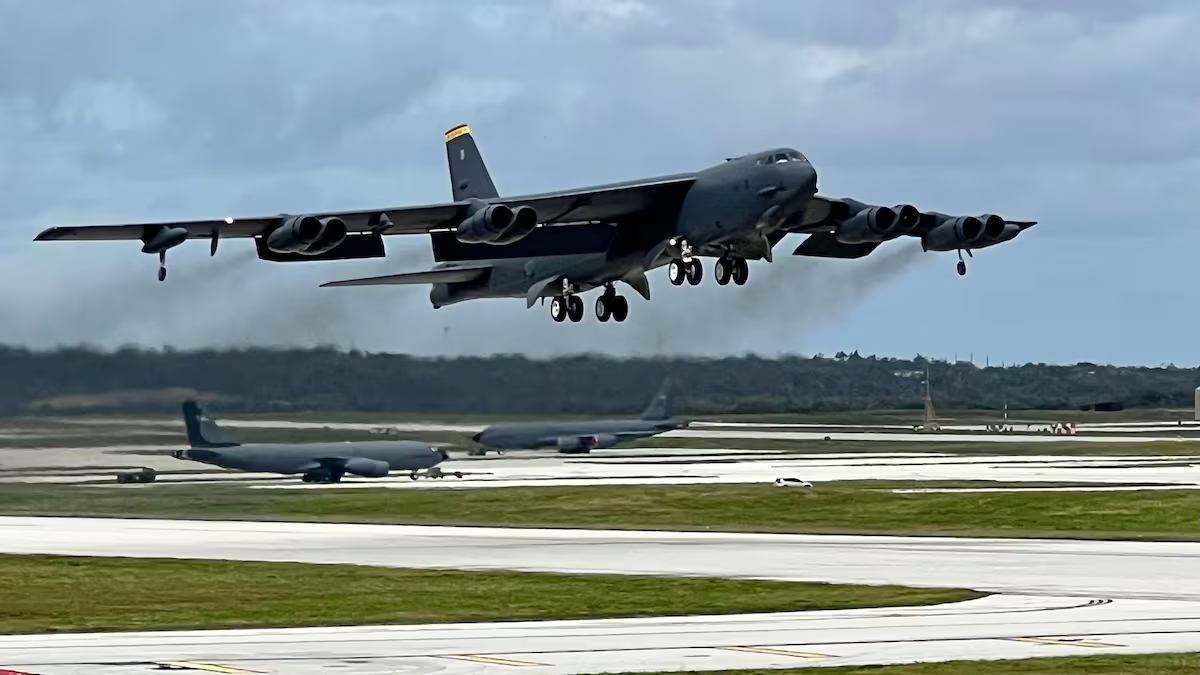
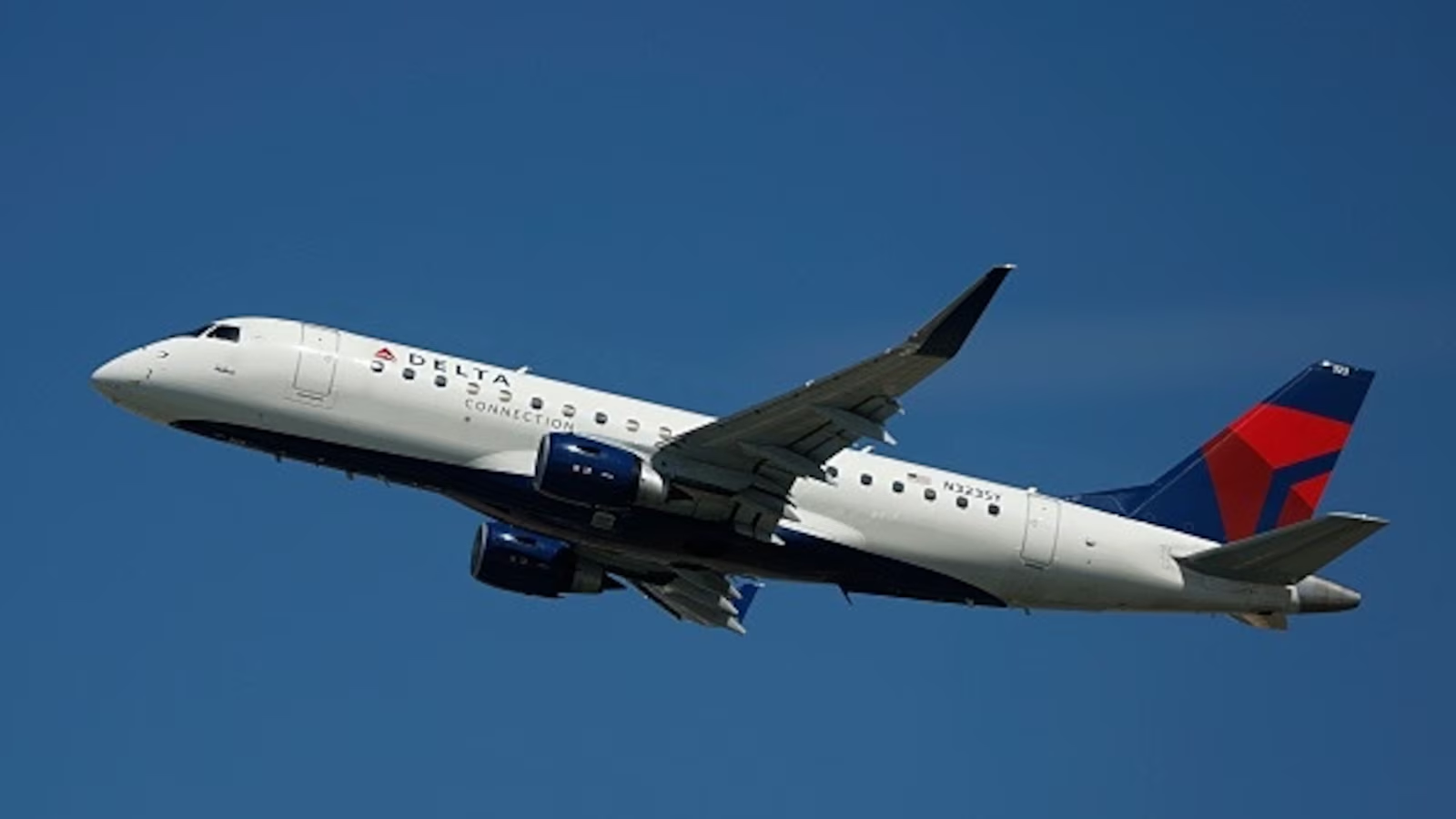
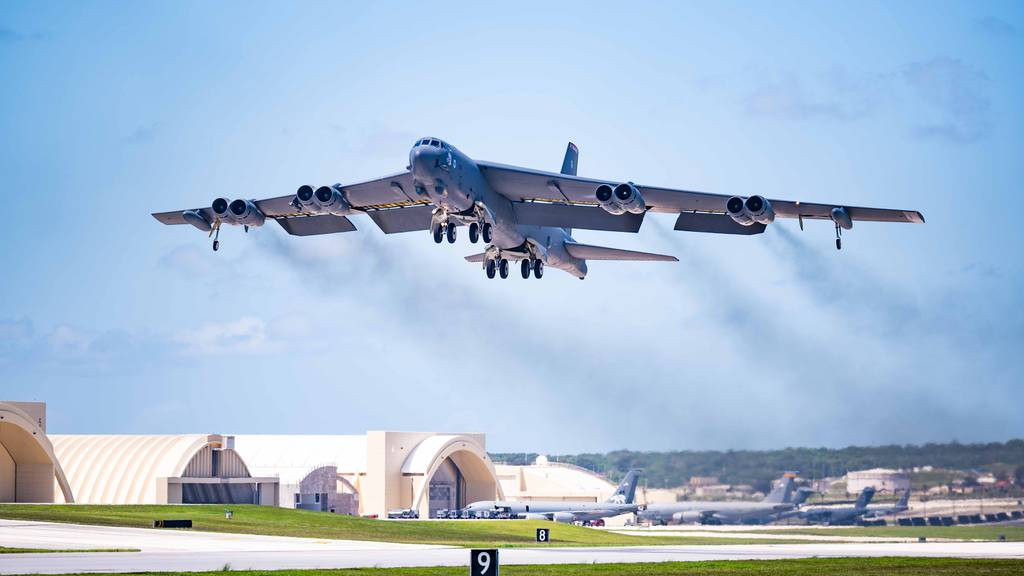
The U.S. Air Force reported that a B-52H Stratofortress had a near-miss with a SkyWest passenger jet near Minot International Airport, with the crew not being informed about the inbound commercial aircraft during their planned flyover, leading to safety concerns and ongoing investigations by the FAA and SkyWest.
A Delta regional jet made an aggressive maneuver to avoid a mid-air collision with a B-52 bomber near Minot, North Dakota, prompting an investigation; the pilot expressed surprise and apologized to passengers for the sudden move.
The U.S. Air Force is preparing to extend the operational life of its aging B-52 bomber fleet, with plans to modernize the aircraft with new engines, radar, avionics, and weapons systems, aiming to keep the fleet operational until about 2060. The modernization effort, which includes a $48.6 billion overhaul, is intended to integrate the B-52 with the upcoming B-21 Raider stealth bomber, creating a powerful and integrated force capable of conducting a wide range of operations and striking an array of enemy targets. Despite the challenges of maintaining and upgrading the aging aircraft, the Air Force is counting on the B-52 to continue serving as a vital component of its long-range strike capabilities.
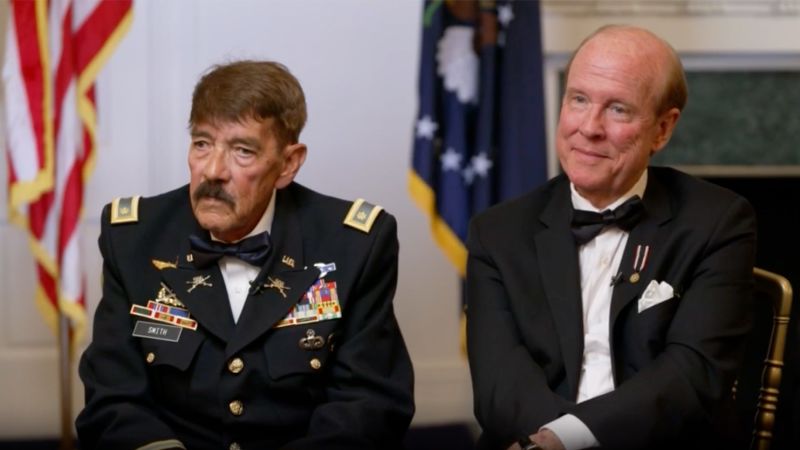
Two surviving Vietnam War POWs, Staff Sgt. Ken Wallingford and Capt. Mark Smith, recount their experiences of being held captive by the North Vietnamese forces in 1972. Wallingford spent 10 months in a bamboo enclosure, while Smith was held in a "hell hole" in the ground. They were eventually released in 1973 after the US bombed Hanoi and nearby Haiphong. The POWs credit President Richard Nixon for ending the war and getting them home.