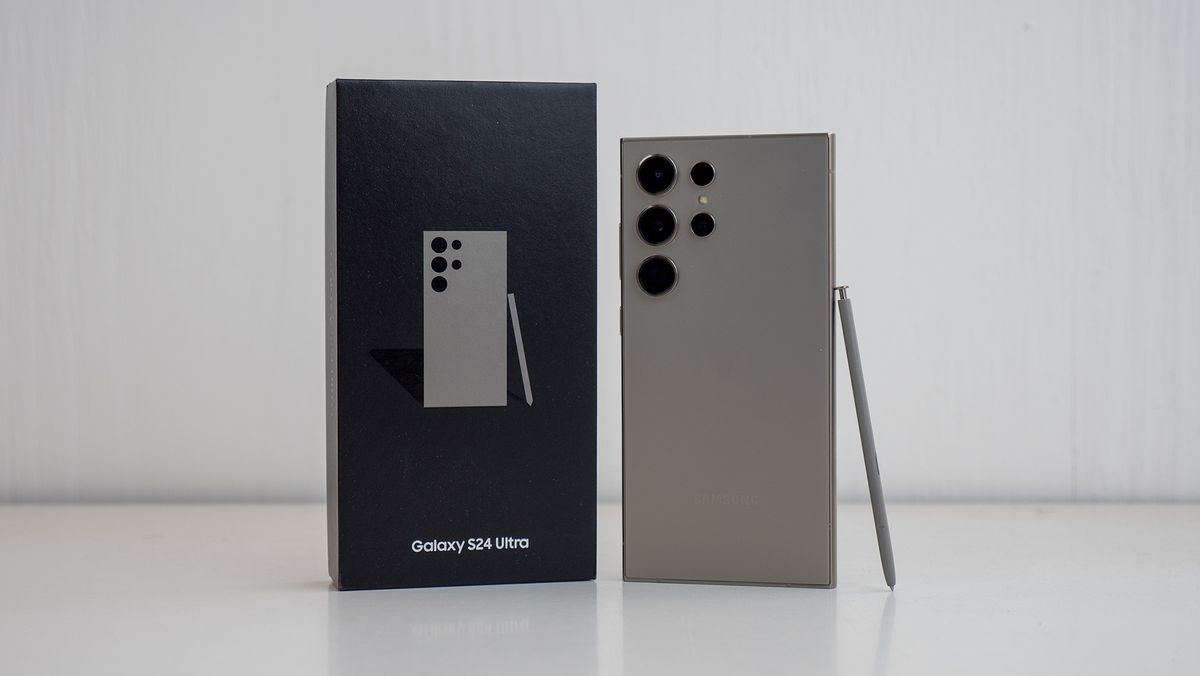
Samsung's upcoming Exynos 2600 chipset may lose an efficiency advantage if it continues to use a separate 5G modem, as seen with competitors like Qualcomm and MediaTek, potentially leading to higher power consumption and space issues on smartphones. This unconfirmed rumor suggests Samsung might need to integrate the 5G modem into the SoC to stay competitive, especially given the benefits of their 2nm GAA process.
Samsung is reportedly moving forward with mass production of its Exynos 2600 chipset using its advanced 2nm GAA technology, with initial production expected by the end of September. The chipset has shown significant performance improvements over its predecessor and may lead to Samsung offering Galaxy S26 models with Exynos chips alongside or instead of Snapdragon options, potentially ending Qualcomm's dominance in this segment.
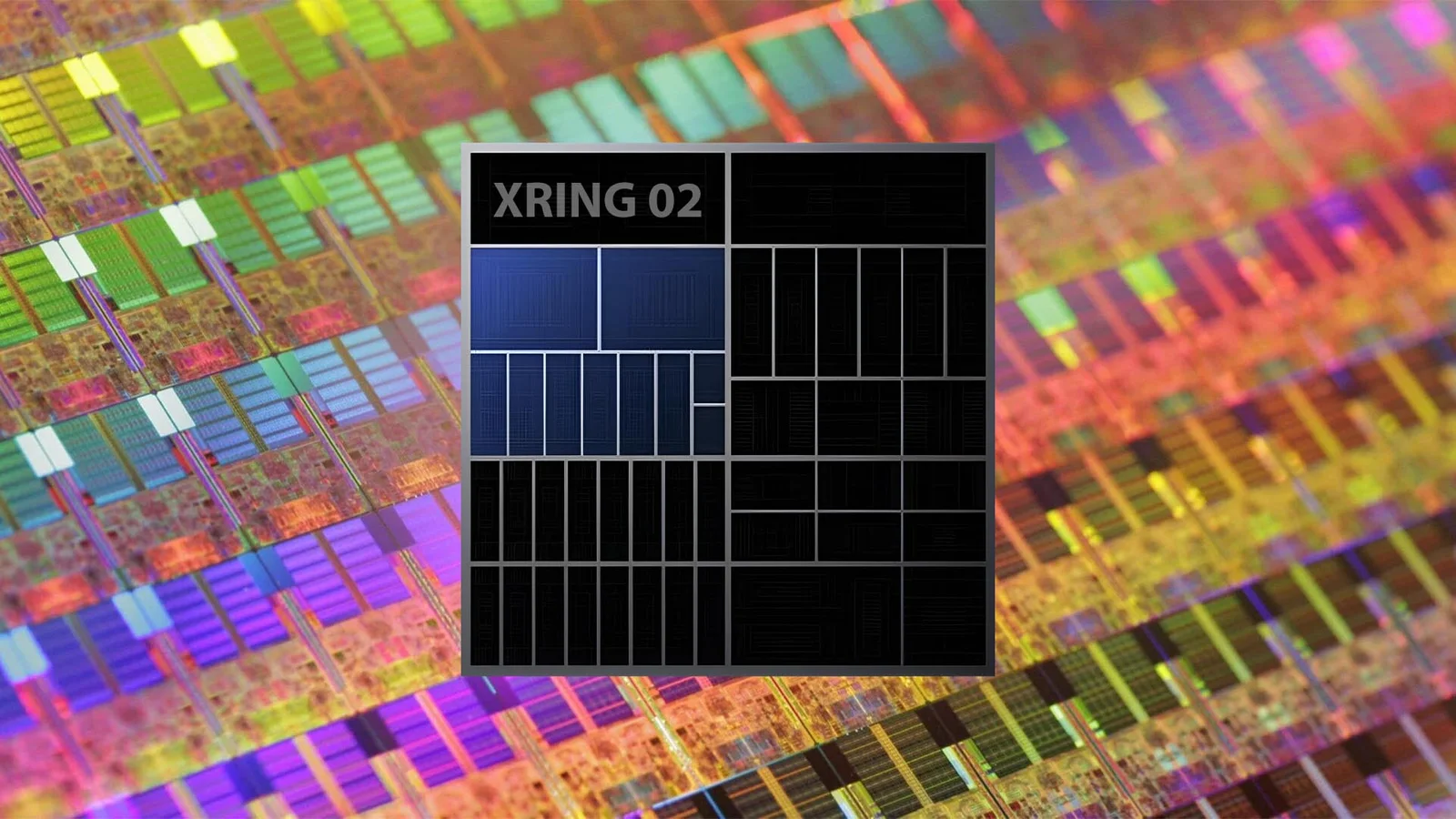
Xiaomi's upcoming XRING 02 chipset is expected to continue using TSMC's 3nm process instead of the newer 2nm technology, primarily due to cost and equipment limitations, which may delay its release and impact its competitiveness in the market.
Samsung is preparing for mass production of its Exynos 2600 chipset, which is based on a 2nm GAA process and expected to power the Galaxy S26 series, potentially challenging Qualcomm's dominance and TSMC's 2nm technology, while addressing overheating issues with Heat Pass Block technology.
Qualcomm's upcoming Snapdragon 8 Elite Gen 5 is expected to offer performance improvements but will likely have similar power consumption as its predecessor, due to the use of an updated 3nm process that provides minimal efficiency gains. Despite this, manufacturers may offset power needs with larger batteries, and Qualcomm aims to maximize performance through higher core frequencies.
Qualcomm is delaying the release and clarity of its next flagship chipset, possibly called Snapdragon 8 Elite Gen 5, due to internal decision-making issues, leading to a confusing and inconsistent naming scheme that contrasts with Apple's more predictable naming conventions. The new chip is expected to be announced at the Snapdragon Summit in September, with devices launching in October.
The iPhone 17e, expected to launch in early 2026, will be the most affordable iPhone with a 6.1-inch 60Hz OLED display, an A19 chipset possibly with fewer GPU cores, and a single 48MP rear camera. It will retain features like Face ID and a Dynamic Island, but will not include a high refresh rate display or dual cameras. The device's pricing is anticipated to be around $599, and it will be part of a lineup that includes a foldable iPhone, with the base iPhone 18 being phased out.
Qualcomm is developing a new Snapdragon chip for Wear OS smartwatches, featuring a move to TSMC manufacturing, updated DDR5 memory, and a new core configuration, promising improved battery life and performance, though it is not yet in production and likely won't debut soon.
Google's Tensor G5 chipset, used in the upcoming Pixel 10 series, shows a 36% performance boost over the Tensor G4 and slightly surpasses Qualcomm's Snapdragon 8 Gen 3 in benchmarks, but still lags behind the latest high-end competitors like Snapdragon 8 Elite Gen 2. The chip benefits from TSMC's 3nm process and hints at future improvements with 2nm technology planned for Tensor G6. Despite performance gains, the SoC is not yet competitive with top-tier flagship chipsets, and the overall user experience remains a priority for Google.
The Snapdragon 8 Elite Gen 2 is expected to be unveiled on September 23, with rumors suggesting it could reach clock speeds of 5.00GHz or higher, potentially setting new benchmark records due to improvements in manufacturing process and core design, though these speeds are not yet confirmed. The chipset is anticipated to deliver significant performance gains, possibly surpassing previous models by a large margin, making it a highly anticipated upgrade for flagship smartphones.
Qualcomm is preparing to launch the Snapdragon 8s Gen 5, a non-flagship chipset based on the Snapdragon 8 Elite Gen 2, built on TSMC's advanced 3nm process and featuring Qualcomm's Oryon cores, expected to debut in late 2025 as a more affordable yet high-performance option for smartphone manufacturers.
Qualcomm's upcoming Snapdragon 8 Elite Gen 3 may be released in two versions due to high manufacturing costs of 2nm wafers, similar to Apple's A18 and A18 Pro, with potential dual sourcing from Samsung and TSMC to mitigate supply issues and costs.
Rumors suggest that Samsung may significantly incorporate its Exynos chipset in the Galaxy S26 series, potentially using its new 2nm process. This move could see Exynos chips used in various global markets, while Qualcomm remains the choice for the U.S. market. The shift to in-house chips might help Samsung manage costs amid reports of a price increase for the Galaxy S25 series due to rising Qualcomm tech costs. The Exynos 2600 SoC, codenamed "Thetis," is expected to offer performance and efficiency improvements.
Huawei's Mate 70-series smartphones are expected to see lower sales compared to the Mate 60 due to weaker processor performance and supply chain risks amid geopolitical tensions. Despite being touted as the most powerful Mate phones, the Mate 70's delayed release and modest chipset updates, featuring the Kirin 9010 and 9020 processors, may limit its market potential. Analysts project sales of 3 million units in the fourth quarter, accounting for 22% of Huawei's total smartphone shipments.
Qualcomm has introduced the Snapdragon 8S Gen 3, a new chipset positioned just below its flagship 8 Gen 3, offering similar features at a more affordable price point. The 8S Gen 3 includes a GPU similar to the standard 8 Gen 3, supports on-device generative AI models, and uses a previous-gen modem with Wi-Fi 7 support. It also features hardware-accelerated ray tracing for smoother gaming and supports multimodal generative AI on-device. The new tier aims to cater to not-quite flagship phones, with several phone manufacturers planning to use the platform in upcoming devices.