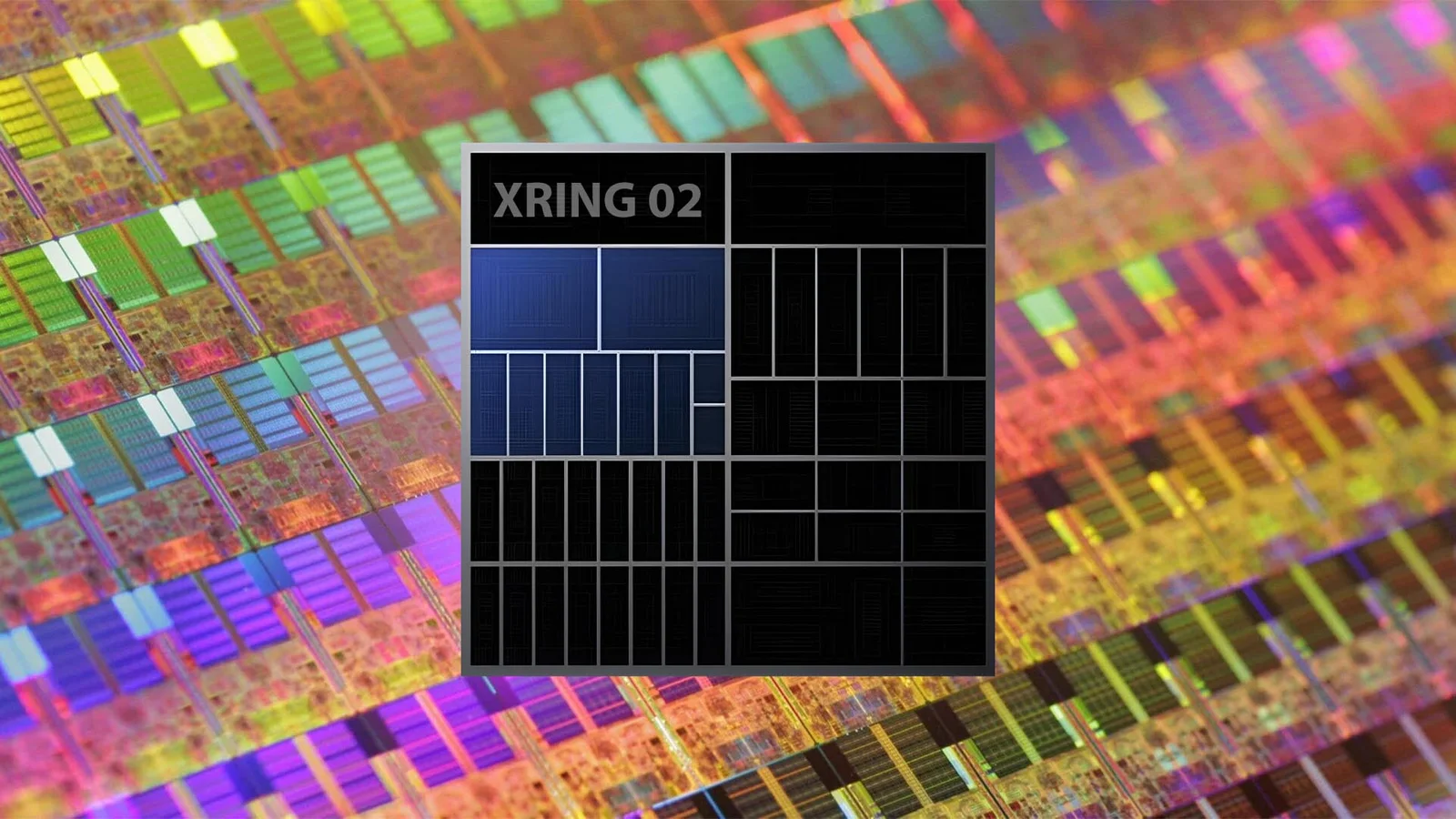
Xiaomi's upcoming XRING 02 chipset is expected to continue using TSMC's 3nm process instead of the newer 2nm technology, primarily due to cost and equipment limitations, which may delay its release and impact its competitiveness in the market.
Qualcomm's upcoming Snapdragon 8 Elite Gen 5 is expected to offer performance improvements but will likely have similar power consumption as its predecessor, due to the use of an updated 3nm process that provides minimal efficiency gains. Despite this, manufacturers may offset power needs with larger batteries, and Qualcomm aims to maximize performance through higher core frequencies.
NVIDIA has unveiled the GB10 Superchip, a 3nm SoC featuring a Blackwell GPU and ARM v9.2 CPU cores, designed for mini supercomputers and AI workstations, with scalable multi-chip configurations and advanced packaging technology, hinting at future consumer devices.
AMD has launched the Instinct MI350 series of HPC/AI GPUs featuring a new 3nm process, 185 billion transistors, up to 288 GB HBM3e memory, and support for FP4 and FP6 data types, offering significant performance improvements for AI workloads and competitive metrics against NVIDIA's offerings.
Leaked performance figures suggest that the Snapdragon 8 Elite 2 chip, fabricated on TSMC's 3nm process, will significantly outperform its predecessor and potentially surpass Apple's A19 Pro in single-core CPU performance, indicating a major leap for the Galaxy S26 series and Android chipsets.
Samsung is rumored to launch its Exynos 2500, built on a second-generation 3nm process, alongside the Galaxy S25 series, potentially outperforming Qualcomm's Snapdragon 8 Gen 4. The new SoC is expected to offer improved power efficiency and performance, possibly due to Samsung's advanced packaging technology. However, the company needs to address yield problems with its 3nm process to keep production costs in check.
Samsung is reportedly on track to begin mass production of its second-generation 3nm process, SF3, in the second half of this year, with prototypes already in production and testing. The upcoming Galaxy Watch 7 is expected to be the first device to feature a chip made on the SF3 node, potentially improving performance and battery life. If successful, Samsung plans to implement SF3 into its Exynos 2500 for the forthcoming Galaxy S25.
The A17 Bionic chipset expected to power the iPhone 15 Pro and iPhone 15 Pro Max is likely to use a 3nm process, which means more transistors can be fitted in the same space as with a 4nm chipset. This could result in significantly better performance and battery life than other phones, including the Samsung Galaxy S23, which uses the Snapdragon 8 Gen 2 chipset. Apple has reportedly scooped up 90% of TSMC's 3nm production capacity for 2023, making it unlikely that a rival 3nm chipset would be able to launch this year.