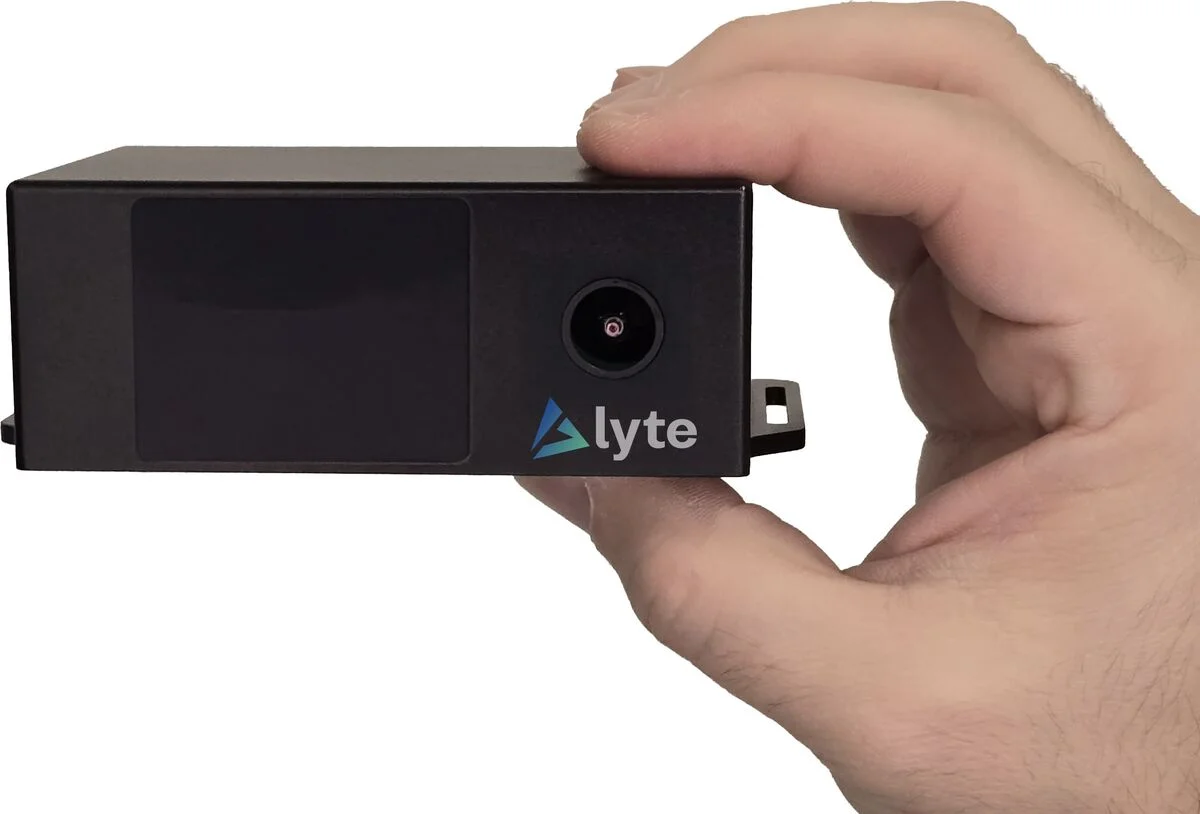
Former Apple engineers have launched Lyte, a startup developing perception technology to improve robot vision and safety, with their flagship product LyteVision offering integrated sensors for better sensing and decision-making in robotics, backed by $107 million in funding and industry recognition.
A rumor suggests that Apple's upcoming iPhone Fold will replace Face ID with a side-mounted Touch ID button to improve usability for foldable designs and reduce costs, with the device featuring punch-hole cameras and a crease-free display expected in 2027.
The upcoming foldable iPhone, expected to launch alongside the iPhone 18, will not feature Face ID due to space constraints and is likely to include Touch ID integrated into the side-mounted power button, with a design that is wider when unfolded to resemble an iPad-like experience, though it may appear stubby when folded.
A new report leaks features of the upcoming iPhone 18 Pro, including the innovative under-screen Face ID technology, suggesting significant advancements in Apple's smartphone design.
Apple is planning to introduce an all-screen iPhone by 2027, featuring under-screen camera technology, foldable design, and under-screen Face ID, with prototypes expected to debut in upcoming models like the iPhone 18 Pro, marking a significant technological advancement in smartphone design.
A leaker suggests that by 2027, the iPhone may feature an all-screen display with both Face ID and the front-facing camera embedded beneath the display, eliminating the need for cutouts, in celebration of its 20th anniversary.
Apple is highly likely to introduce Face ID to future Macs, but the feature is still years away, with a potential release around 2027. Currently, Touch ID remains the standard biometric authentication method on Macs, and the transition to Face ID involves significant hardware and design considerations, including the possibility of under-display components. Buyers are advised to hold off on waiting for this feature as it is not imminent.
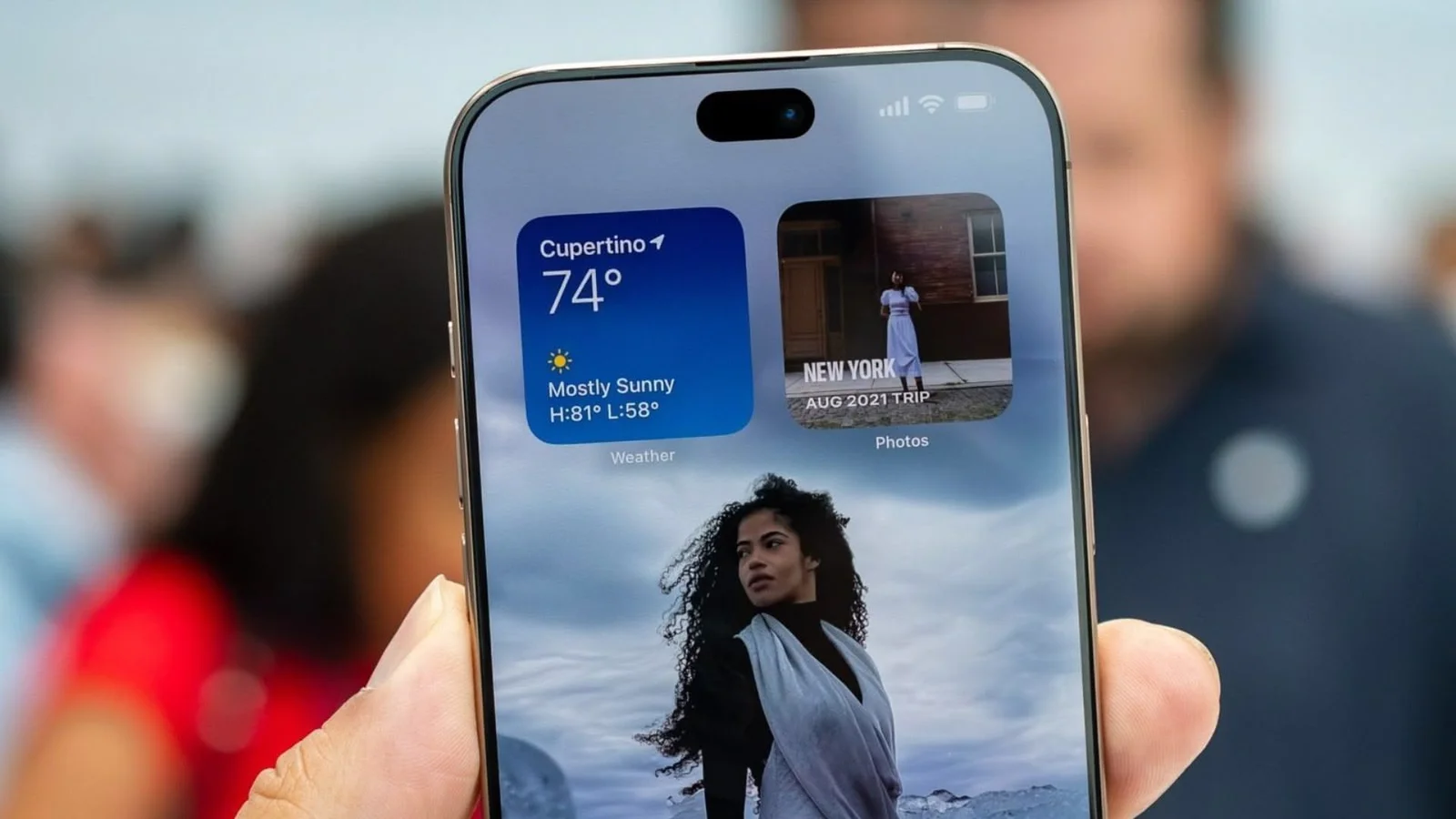
Recent rumors suggest that the upcoming iPhone 18 and iPhone 18 Pro will feature a smaller Dynamic Island and will not include under-screen Face ID technology, indicating potential design and feature changes for Apple's next flagship models.
Apple's upcoming iPad Pro may feature a second front-facing camera positioned at the top, enhancing FaceTime, selfies, and Face ID usability regardless of device orientation, alongside an upgraded M5 chip, with a potential launch as early as fall.
The upcoming iPhone 17 series is expected to feature a larger 6.3-inch display for the regular model, an upgraded 24-megapixel front camera, and a unique repositioning of the Face ID sensor on the iPhone 17 Air, which may also have thinner bezels and a more compact Dynamic Island. These changes suggest significant design updates and potential new features for Apple's next flagship release.
The upcoming iPhone 17 series is expected to feature a larger 6.3-inch display for the standard model, matching the Pro version, and a front-facing camera upgrade from 12MP to 24MP. Notably, the iPhone 17 Air will have a unique front camera and Face ID sensor layout, with the camera repositioned to the left, potentially allowing for a more compact Dynamic Island in future models.
The article discusses two competing rumors about the iPhone 18 Pro's display design, with one suggesting a small front camera hole and no Dynamic Island, and the other indicating a smaller Dynamic Island will still be present. It also covers broader iPhone and Apple Watch updates and future plans for full-screen displays and cooling systems.
Apple's plan to launch an 'all screen' iPhone, featuring a fully embedded front camera and Face ID components beneath the display, is estimated to take at least half a decade, with gradual design changes expected over three phases until 2030.
Apple is gradually moving towards an all-screen iPhone design, with plans to shrink the Dynamic Island next year and introduce a fully seamless, edge-to-edge display in the 20th-anniversary model in 2027, potentially featuring under-screen Face ID and front camera. The transition has been incremental since 2017, with significant changes expected in upcoming models.