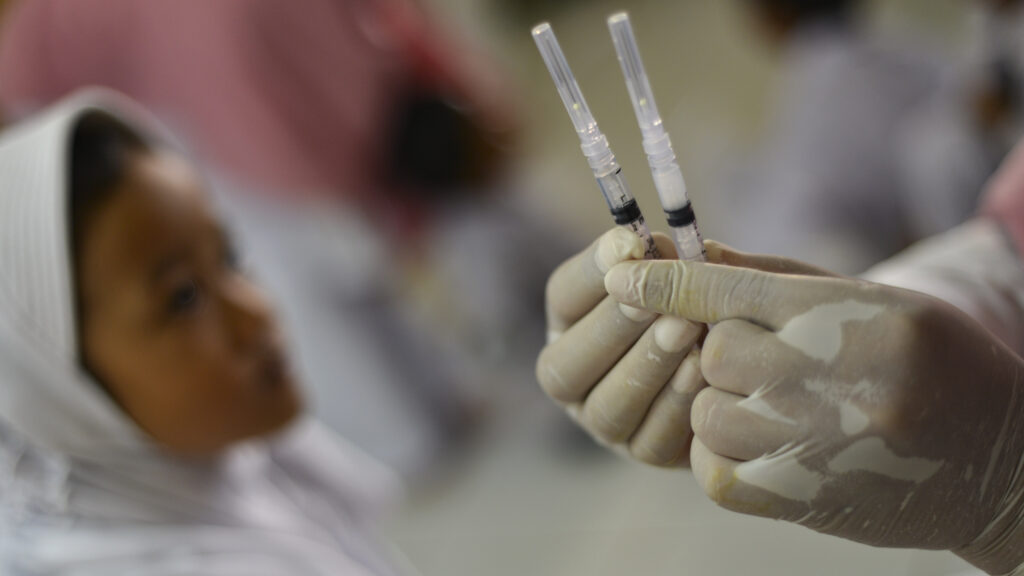
The article emphasizes that access to vaccines is a fundamental human right for children, highlighting the resurgence of preventable diseases like measles, diphtheria, and whooping cough due to vaccine misinformation, low immunization rates, and funding cuts. It calls for legal action, increased funding, and global cooperation to protect children's health and uphold their rights to vaccination, framing vaccine access as a moral and human rights issue.
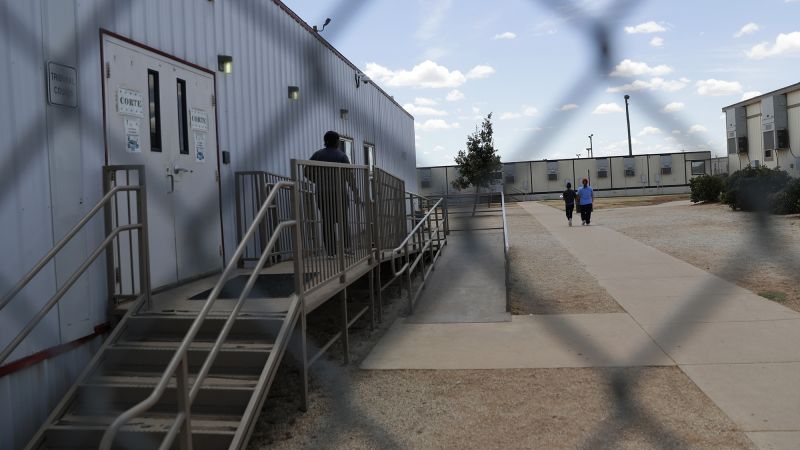
A mother and her two children are suing the US government over their arrest and detention in Texas, challenging policies that allow courthouse arrests of immigrants, including children, arguing these violate constitutional rights and highlighting concerns over the treatment of detained families and children.
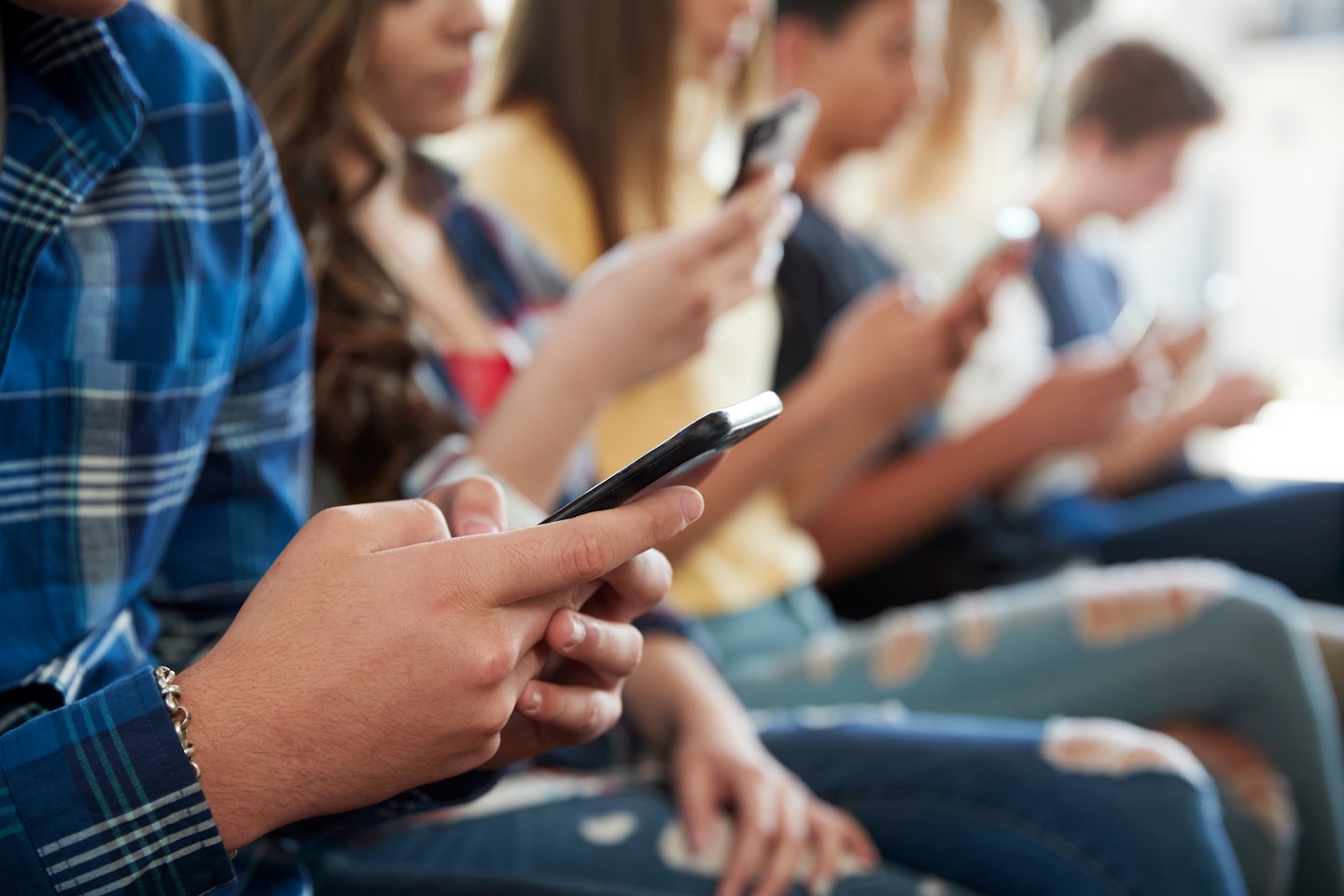
Florida's House of Representatives has passed a bill that would prohibit anyone 16 and younger from using social media, citing concerns about children's mental health and addiction. The bill, which has bipartisan support, faces potential legal challenges and criticism from free speech advocates. Social media companies, including Meta, have urged lawmakers to consider alternative measures, while opponents argue that the bill infringes on parental rights and could harm vulnerable children. The legislation is part of a broader trend in statehouses across the country to address the impact of social media on youths, with at least 35 states and Puerto Rico proposing similar measures.
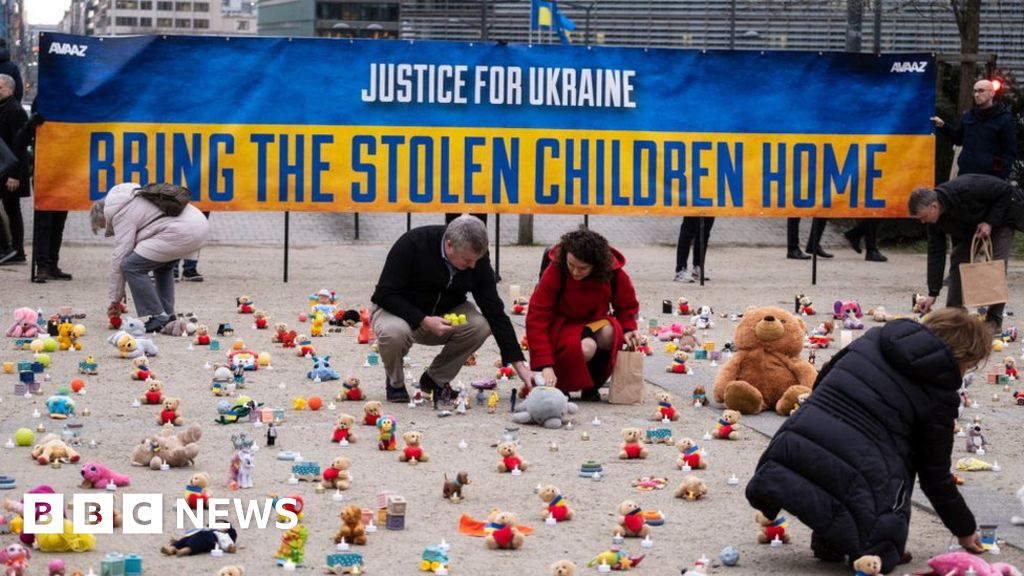
Ukraine has criticized a new decree by Russian President Vladimir Putin that expedites Russian citizenship for Ukrainian children who have been moved to Russia, labeling it a violation of children's rights and international law. The decree is seen as part of Russia's forced assimilation policy and an attempt to address its demographic issues. Over 19,000 Ukrainian children have been deported to Russia since February 2022, with only 387 returned. The International Criminal Court has previously issued an arrest warrant for Putin, accusing him of war crimes related to the unlawful deportation of Ukrainian children.
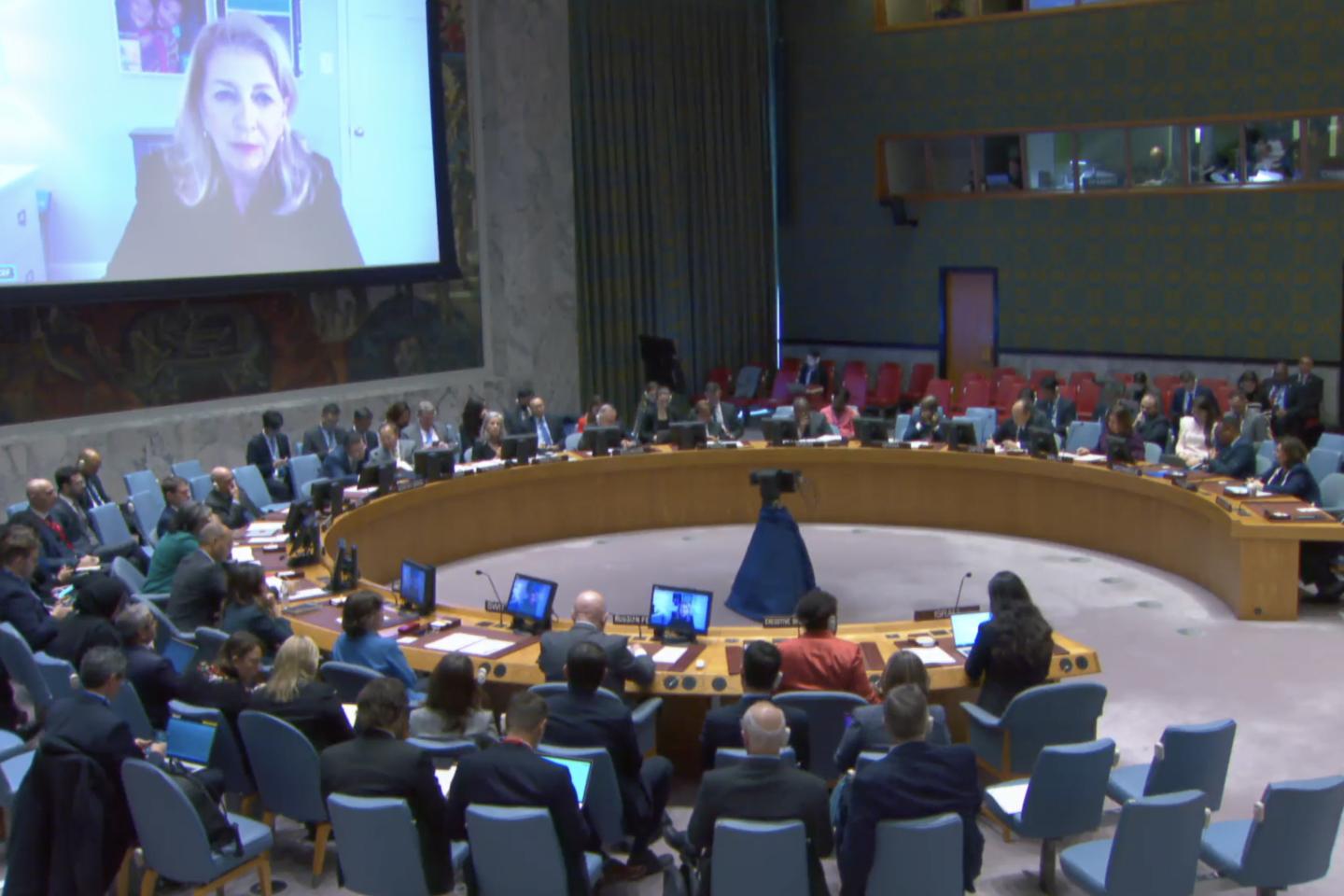
UNICEF Executive Director Catherine Russell addressed the UN Security Council, highlighting the worsening situation for children in Gaza and calling for urgent action. She expressed gratitude for the adoption of Resolution 2712, which demands special protection for children in the conflict and calls for extended humanitarian pauses and corridors in Gaza. Russell emphasized the need to end the war and the killing and maiming of children, while also drawing attention to the plight of children in Israel and the West Bank. She described the dire conditions in Gaza, including the high number of child casualties, displacement, malnutrition, lack of healthcare, attacks on schools and hospitals, and the long-lasting threat of explosive remnants of war. Russell called for an immediate humanitarian ceasefire, respect for international law, and safe and unrestricted humanitarian access to Gaza.
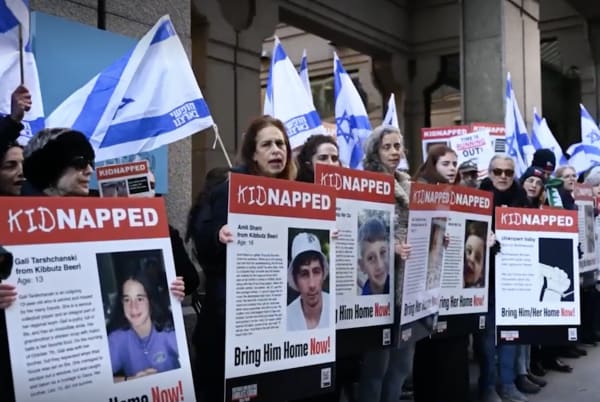
On World Children's Day, Israel's UN ambassador criticized the United Nations for failing to acknowledge the 38 Israeli children who have been kidnapped and held hostage by Hamas terrorists in Gaza for 45 days. UNICEF's Executive Director did not mention the abducted children in her annual statement, and UNICEF has disregarded their plight online. Demonstrations were held outside UNICEF offices in New York and Tel Aviv to raise awareness of the hostage children. Israel's ambassador accused the UN of neglecting Israeli children's well-being and failing to condemn Hamas' brutal actions. The protests were interrupted by rocket fire towards central Israel.
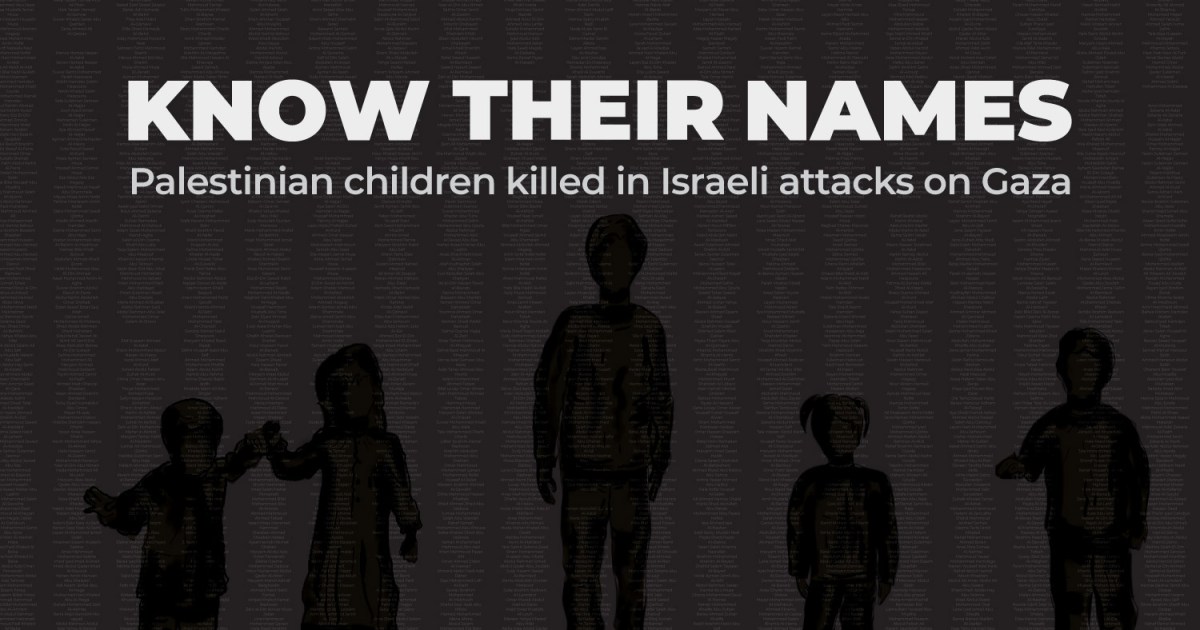
On World Children's Day, it is revealed that Israeli attacks in the past six weeks have resulted in the deaths of at least 5,500 children in Gaza, with an additional 1,800 missing and presumed dead. Another 9,000 children have been injured, many with life-changing consequences. This tragedy highlights the urgent need to protect children's rights and promote their safety, education, health, and happiness.
Ukrainian families are accusing Russia of kidnapping and indoctrinating Ukrainian children amidst the ongoing conflict. The Ukrainian government has documented over 19,000 cases of children taken by Russia, but the actual number could be closer to 300,000. The International Criminal Court has charged Russian President Vladimir Putin and his commissioner for children's rights with war crimes. Ukrainian nonprofit organization "Save Ukraine" has rescued over 200 children, providing shelter and support for reunited families. Russia's alleged goal is to erase Ukrainian identity and brainwash the children, while some Ukrainian children have reported being forced to sing the Russian national anthem and facing punishment for expressing their Ukrainian identity.
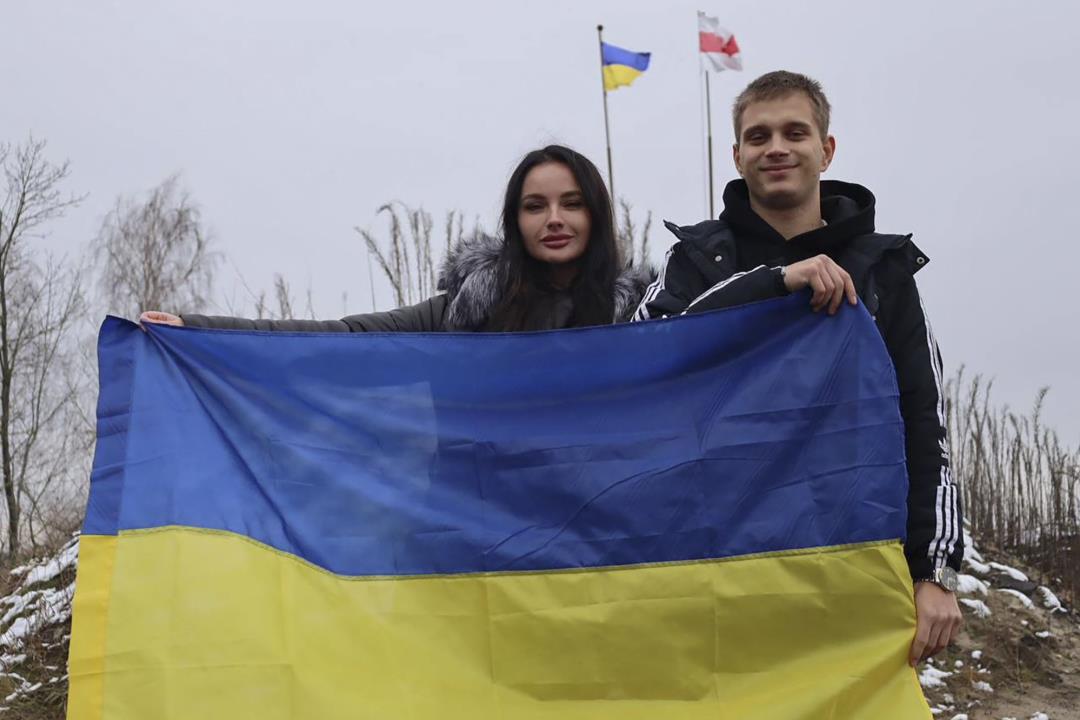
An orphaned Ukrainian teenager, Bohdan Yermokhin, who was taken to Russia during the war in Ukraine, has returned home after being reunited with relatives in Belarus on his 18th birthday. Yermokhin's parents died two years ago, and he was taken from Ukraine and placed with a foster family in Russia. He repeatedly expressed the desire to go home and had tried to return earlier this year. Yermokhin's return was facilitated by UNICEF and Qatari negotiators. Thousands of children were taken to Russia from occupied regions of Ukraine, prompting the International Criminal Court to accuse Russian President Vladimir Putin and children's rights ombudswoman Maria Lvova-Belova of war crimes.
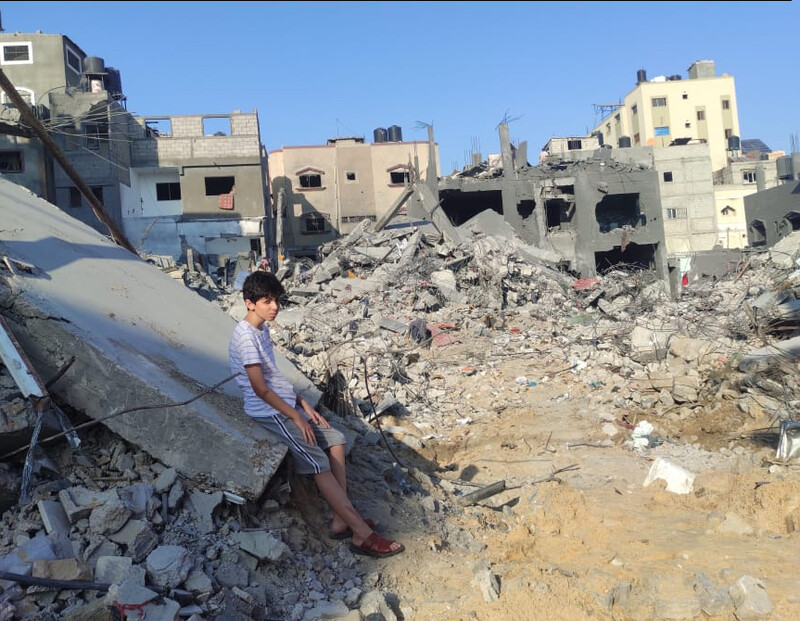
Abdallah Ayman, a 13-year-old boy in Gaza, shares his distress and fear amidst the ongoing Israeli occupation and war crimes committed against Palestinians. He highlights the destruction, banned weaponry, and the psychological toll it has taken on him and other children. Abdallah calls for the world to recognize the criminality of the Israeli occupation and emphasizes the need for equal rights, safety, education, and the chance to live a normal childhood for Palestinian children.
Alexei Petrov, a Kremlin official involved in the illegal deportation of Ukrainian children to Russia, was found to have been associated with white supremacist and neo-Nazi movements online as a teenager. Petrov's social media posts from 2011 to 2014 contained videos, images, and messages from far-right organizations promoting white racial supremacy, as well as slogans associated with neo-Nazism. While Petrov did not explicitly endorse these groups in his posts, his online associations raise concerns about his involvement in the deportation of Ukrainian children. Petrov, who is an advisor to Russia's presidential commissioner for children's rights, denies any links to neo-Nazi organizations.
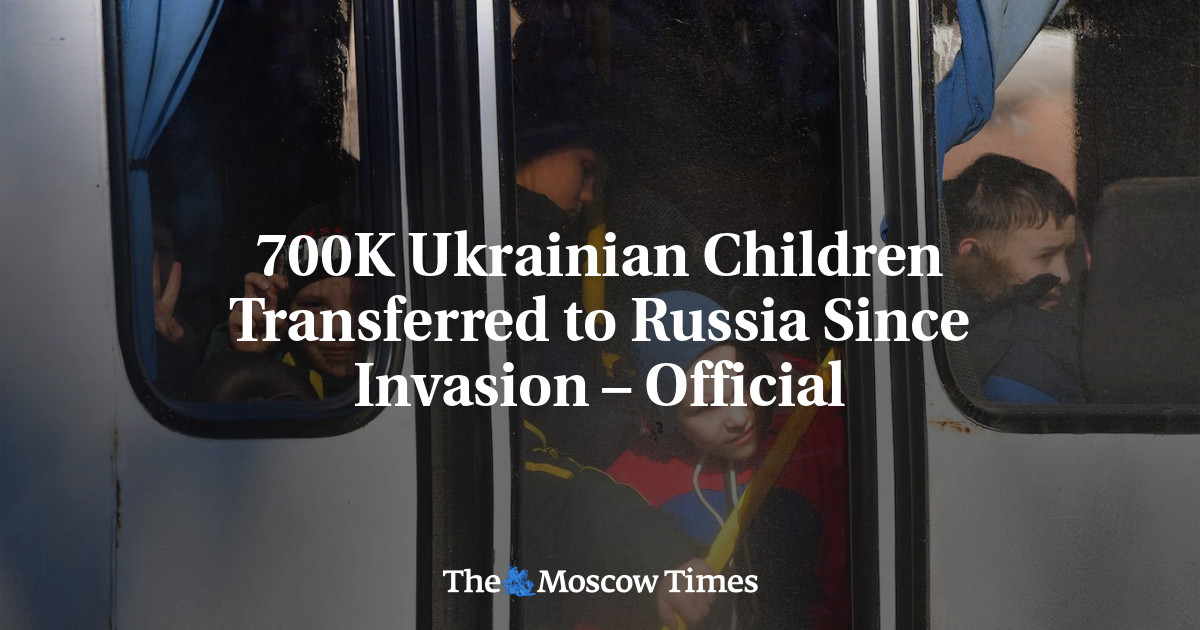
Russia has reportedly "received" over 700,000 Ukrainian children since launching its invasion of Ukraine in 2022, according to Russia's presidential commissioner for children's rights. The majority of these children arrived in Russia with their parents or relatives, while 1,500 orphans were evacuated from the separatist regions of Donetsk and Luhansk, with 380 being adopted by Russian parents. The report does not mention orphans from other Ukrainian territories, but it states that 52 orphans from the Russian-occupied Kherson region were temporarily transported to annexed Crimea. The forced transfer and deportation of Ukrainian children by Russia is considered a war crime by a UN-backed investigation, and both the children's rights commissioner and President Vladimir Putin are under an International Criminal Court arrest warrant for the unlawful deportation of Ukrainian children.
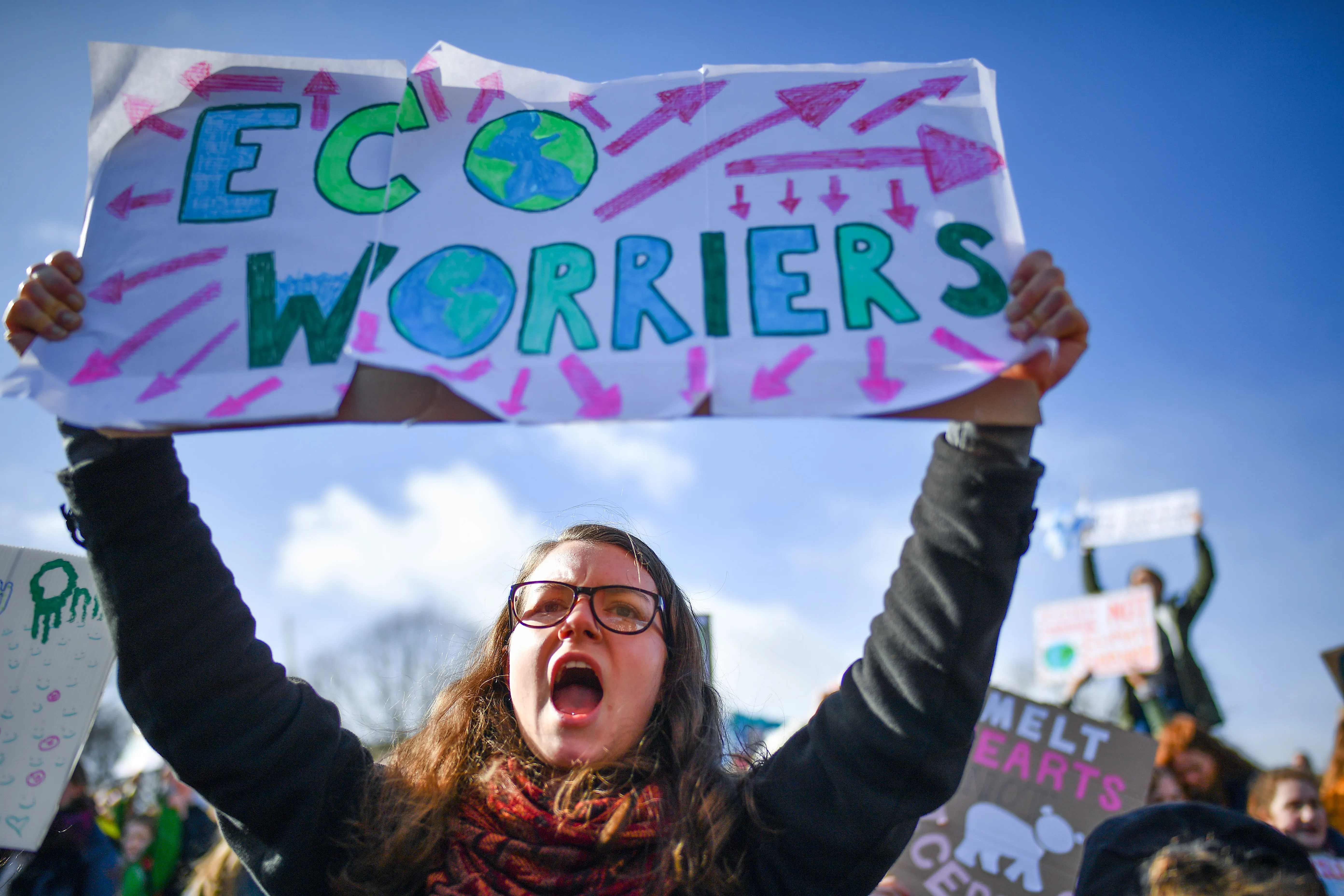
House Democrats have introduced a non-binding resolution warning that without action on climate change, the sea level could rise up to 30 feet by 2100, causing irreversible harm to the environment. The resolution emphasizes the disproportionate impact of climate change on children, highlighting threats to their fundamental rights and mental health. It calls for a comprehensive climate recovery plan to address these issues and protect children's interests, while also recognizing climate change as a threat to national security.
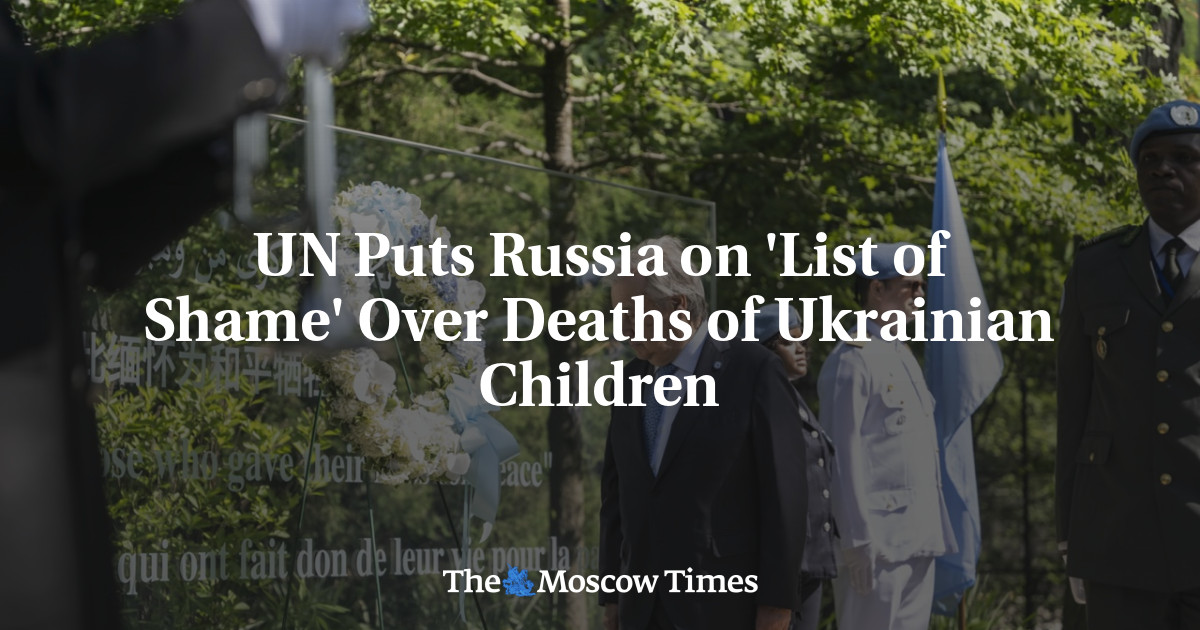
The United Nations has included Russian military forces and proxy armed groups on its "list of shame" for the killing and maiming of hundreds of children in its war against Ukraine. The annual report on the treatment of children in conflict zones by UN Secretary-General Antonio Guterres revealed that 477 children were killed in Ukraine last year, with 136 deaths attributed to Russian forces and affiliated groups and 80 to Ukrainian armed forces. The report will be released publicly next week, and Human Rights Watch welcomed the UN's decision to call out Russia.
The United Nations has added Russian forces to its annual blacklist of countries that violate children's rights in conflict for killing boys and girls and attacking schools and hospitals in Ukraine. The UN verified grave violations against 13,469 children, including 2,985 who were killed, in 24 countries and one region. The report also lists two new countries of concern for children: Haiti and Niger.