
Tag

Chemotherapy Resistance

All articles tagged with #chemotherapy resistance

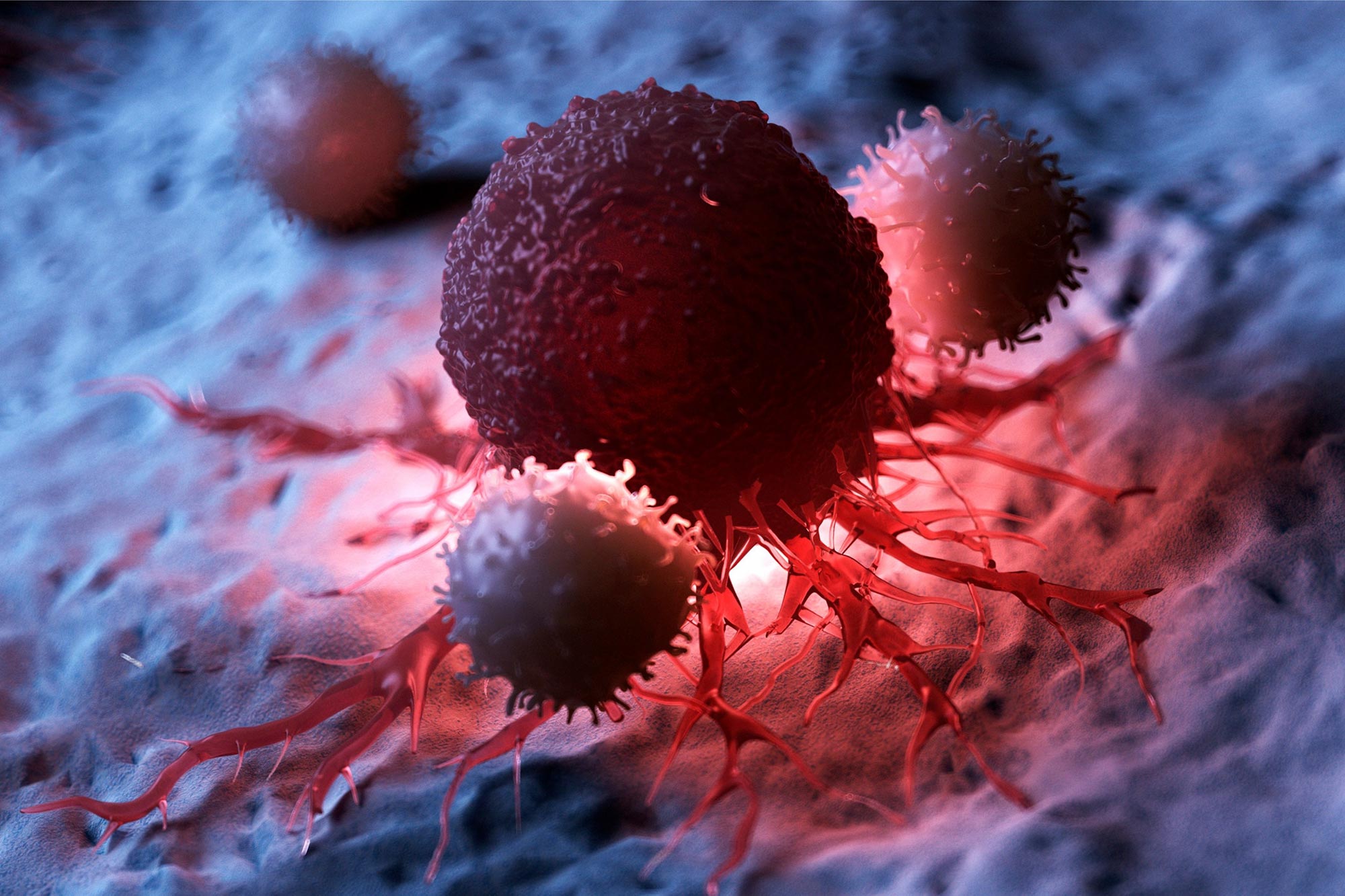
Revolutionary Treatment Overcomes Metastasis and Chemotherapy Resistance in Cancer
health2 years ago

Revolutionary Treatment Overcomes Metastasis and Chemotherapy Resistance in Cancer

Scientists have made a groundbreaking discovery in cancer research by identifying a molecule called Netrin-1 that contributes to cancer metastasis and resistance to therapy. Blocking Netrin-1 reduces the process of epithelial-mesenchymal transition (EMT), which enables cancer cells to spread and acquire resistance to treatment. Early trials in humans have shown promise, with the administration of an anti-Netrin-1 antibody leading to a reduction in tumor formation, inhibition of EMT, and increased sensitivity to chemotherapy. Further research will explore the broader applicability of this treatment and its impact on survival rates in different types of cancers.

Unveiling the Genetic Roots of Chemotherapy Resistance
health2 years ago

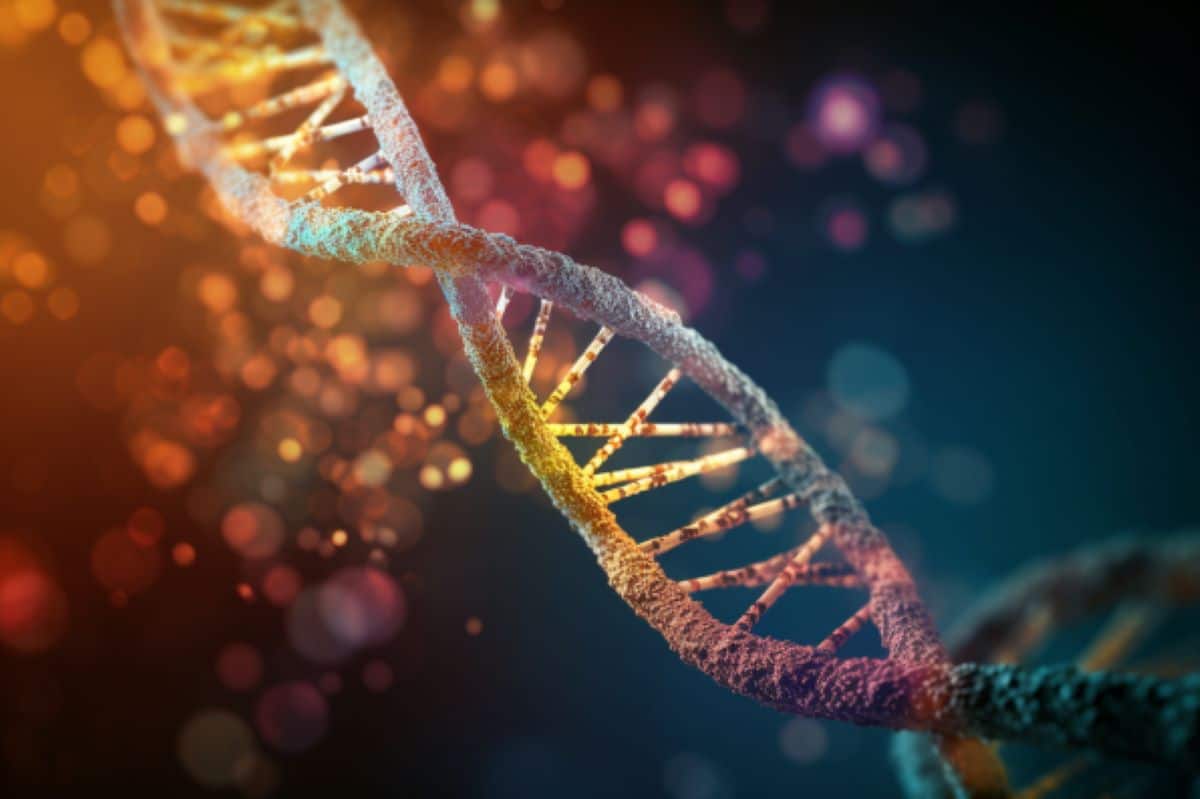
Unveiling the Genetic Roots of Chemotherapy Resistance

Researchers at Queen Mary University of London have identified two genes, NEK2 and INHBA, that cause chemotherapy resistance in head and neck cancer patients. Silencing these genes makes previously resistant cancer cells responsive to chemotherapy. The team also discovered two substances, Sirodesmin A and Carfilzomib, that can target these genes and increase the sensitivity of resistant cells to chemotherapy. This breakthrough study opens the door to personalized cancer treatments and offers hope to patients resistant to conventional therapies.

Advancements in Pancreatic Cancer Treatment: Hudson Alpha's Report
medical-research2 years ago

Advancements in Pancreatic Cancer Treatment: Hudson Alpha's Report

Scientists at the HudsonAlpha Institute for Biotechnology in Alabama have identified a gene, ANGPTL4, that could potentially reverse pancreatic cancer's resistance to chemotherapy. By using CRISPR to slow down the reproduction of the gene, researchers found that cancer cells became more sensitive to treatment and had reduced ability to migrate. This discovery could lead to the development of new treatments for pancreatic cancer, which has a low survival rate due to its difficulty in diagnosis and high treatment resistance.