Ancient Arabic poetry from the 12th century describes a bright star in the constellation Cassiopeia, which recent research suggests was a supernova observed around 1181-1182, providing valuable historical data on stellar explosions.
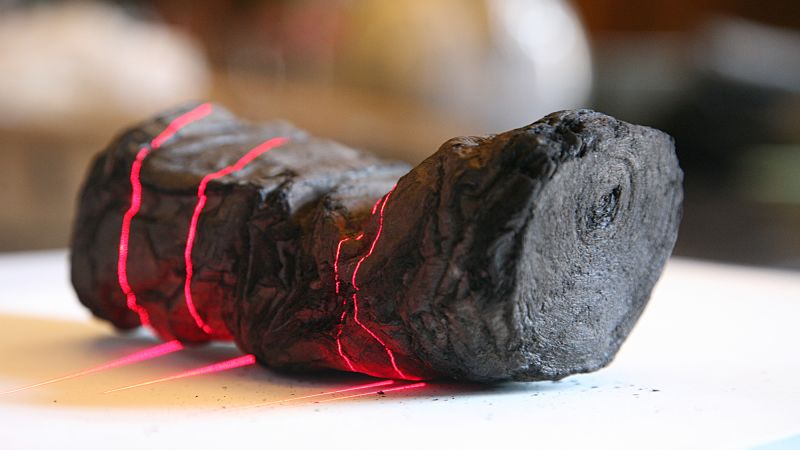
Using advanced AI and X-ray imaging, researchers have made significant progress in reading charred scrolls from Herculaneum, potentially revealing lost ancient Greek and Latin writings, including philosophical works, without damaging the fragile artifacts.
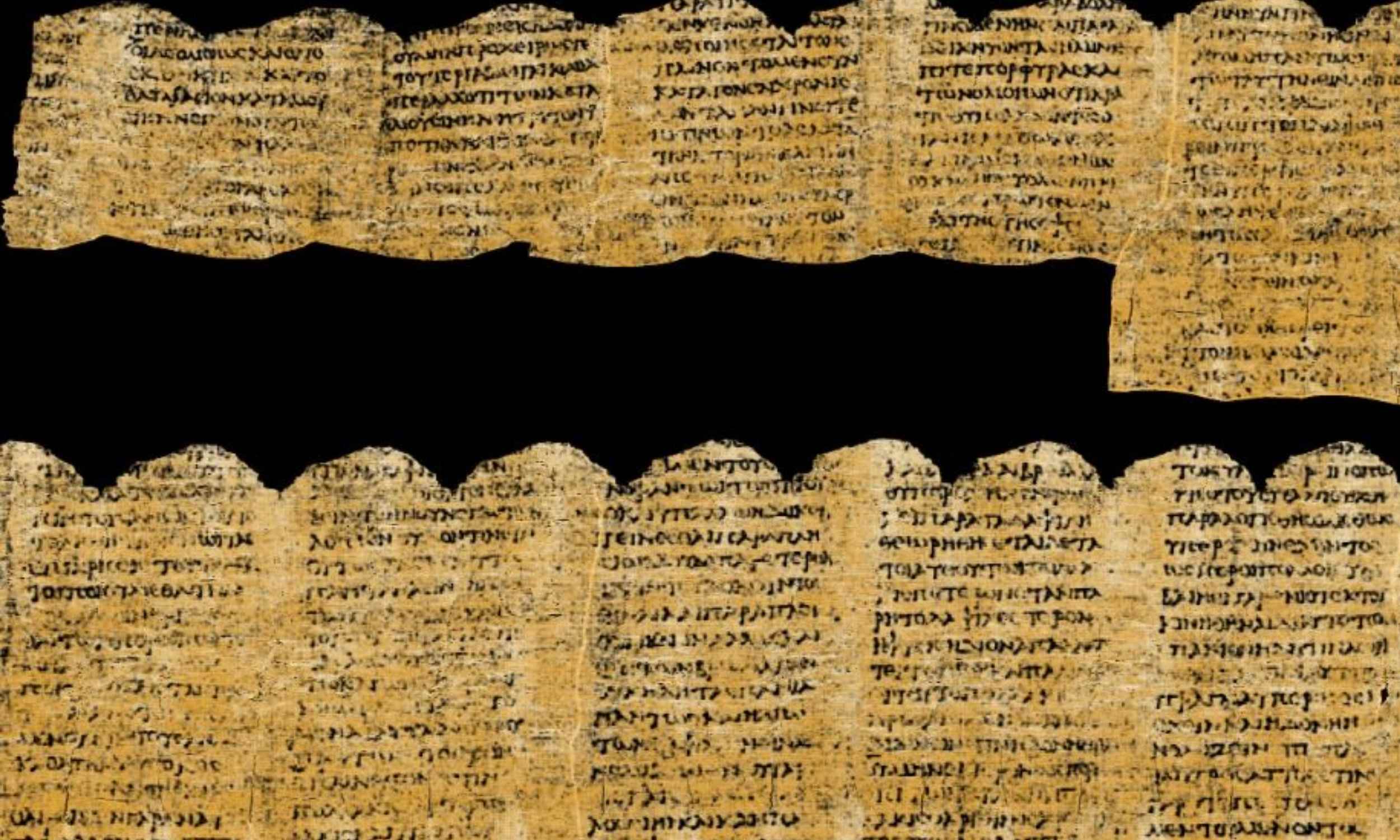
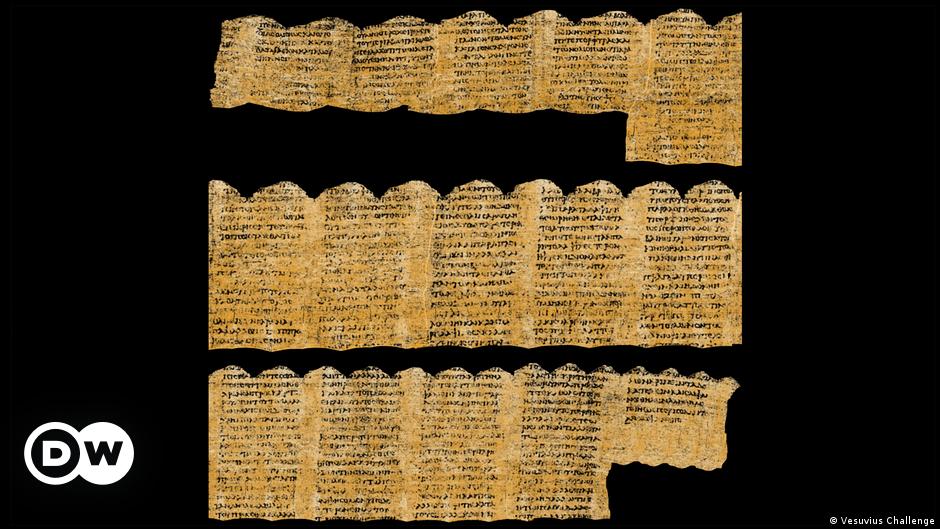
Three young scientists have won the grand prize in the Vesuvius Challenge for using machine learning to decipher previously unreadable passages on Herculaneum scrolls, which were buried by the eruption of Mount Vesuvius 2,000 years ago. By digitally "unwrapping" the scrolls using computed tomography and machine-learning technology, they were able to read four passages without unrolling the fragile documents, revealing unknown texts by Philodemus, the villa's philosopher-in-residence. This breakthrough provides a unique window into the classical world and sets the stage for further discoveries in 2024.
Researchers have used artificial intelligence to decipher nearly complete passages from the famously inscrutable Herculaneum scrolls, shedding light on ancient philosophy from almost 2,000 years ago. By employing computer technology and advanced AI, more than 2,000 characters have been deciphered from a scroll without unrolling and risking damage to the extremely fragile documents. The team of researchers, winners of the Vesuvius Challenge, uncovered the text using a technique known as "virtual unwrapping" and hope to decipher almost an entire scroll this year, with a new grand prize contest offering a cash prize for the first team that can decipher at least 90% of all four scrolls released on the contest's website.