Tag

Cardiometabolic Diseases

All articles tagged with #cardiometabolic diseases

health1 year ago

Coffee: A Daily Brew for Heart and Gut Health

A new study published in the Journal of Clinical Endocrinology & Metabolism suggests that drinking coffee can significantly reduce the risk of cardiometabolic diseases such as Type 2 diabetes, coronary artery disease, and stroke. Dr. Chauncey Crandall highlights that coffee's antioxidants help decrease inflammation and increase metabolic rate, contributing to these health benefits. However, the benefits are linked to caffeinated coffee without added sugar or cream. While most people can safely consume one to three cups daily, those sensitive to caffeine should moderate their intake.
health-and-wellness1 year ago

"Unveiling the Health Benefits of Black Cumin Seed Oil"

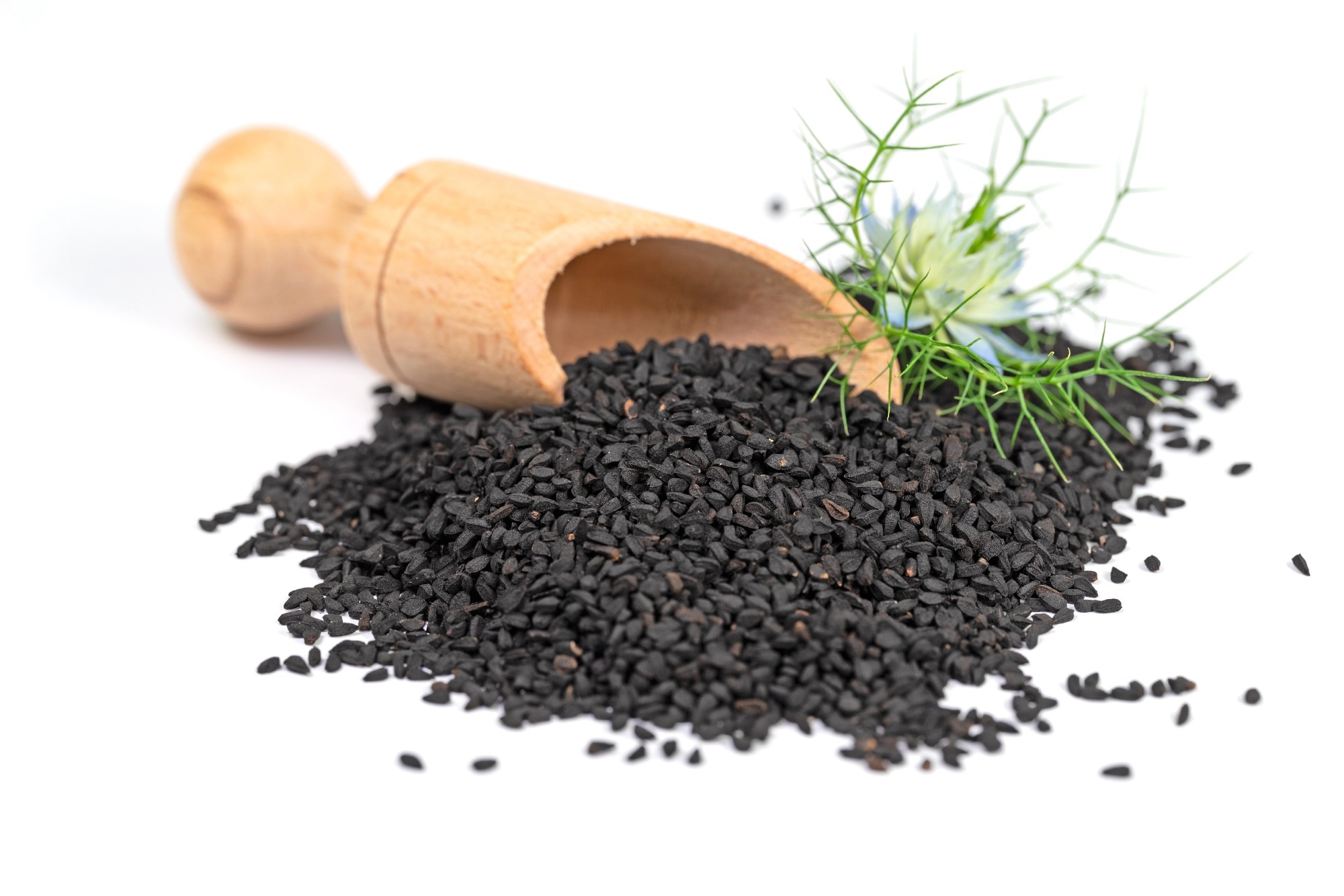
A recent review discusses the potential of Nigella sativa, also known as black cumin, as a pharmaceutical agent for treating cardiometabolic diseases. The plant, commonly found in India, contains bioactive components such as alkaloids, terpenes, and polyphenols, with medicinal uses in traditional Chinese, Arabian, and Ayurvedic medicine. Its oil has antioxidant, anti-inflammatory, and antibacterial properties, and it has shown potential in reducing blood cholesterol and preventing cardiovascular diseases, diabetes, and inflammatory conditions. The cardiometabolic benefits are attributed to its antioxidant properties, anti-inflammatory effects, anti-dyslipidemic properties, and weight reduction effects.

health2 years ago

The Link Between Weight Gain and Increased Cancer Risk

A meta-analysis of two large prospective cohort studies, the UK Biobank and the European Prospective Investigation into Cancer and Nutrition (EPIC), found that higher body mass index (BMI) was associated with an increased risk of obesity-related cancer among European adults, regardless of their cardiometabolic disease (CMD) status. The study also revealed an additive interaction between obesity and cardiovascular disease (CVD), suggesting that obesity prevention could lead to a greater reduction in cancer risk among populations with CVD compared to the general population.

health2 years ago

Vegetarian or Non-Vegetarian: Which Diet Fights Cardiometabolic Diseases Better?

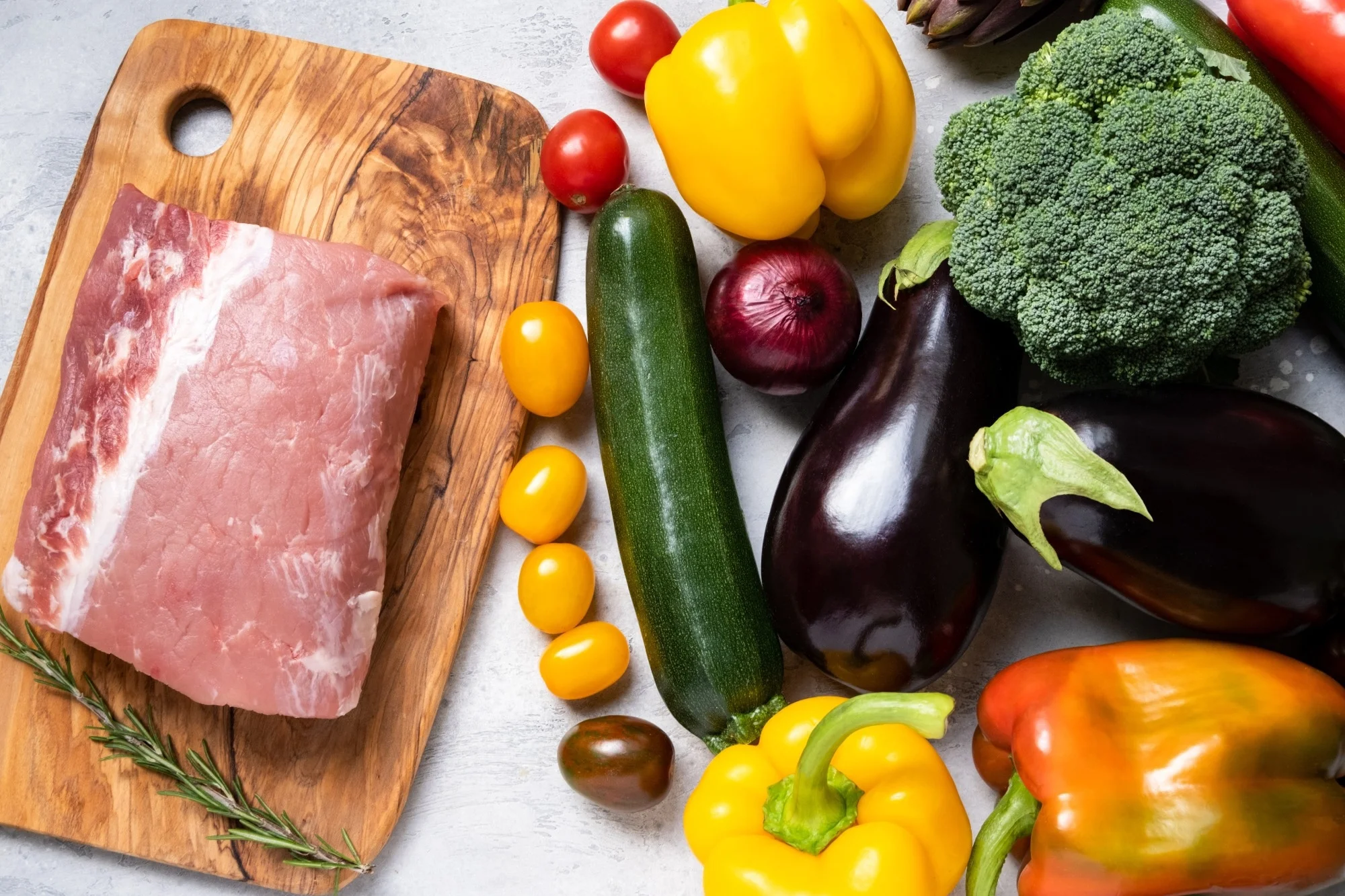
A comprehensive review published in the Nutrition, Metabolism and Cardiovascular Diseases Journal compared the impacts of vegetarian and non-vegetarian diets on cardiometabolic and other non-communicable diseases. The study found that while vegetarian diets may help reduce the risk of cardiometabolic diseases, the non-uniformity of findings due to cultural and ethnic differences, as well as variations in methodology, make it difficult to draw definitive conclusions. However, several cohort studies reported that vegetarian diets were associated with lower risks of obesity, overweight, ischemic heart disease, hypertension, and type 2 diabetes. Randomized controlled trials also showed that vegetarian diets improved glycemic control and resulted in higher weight loss. The researchers believe that the health benefits of vegetarian diets are likely due to lower intake of saturated fats, reduced effects of excess animal proteins, and the high fiber, polyunsaturated fatty acid, complex carbohydrate, and micronutrient content of plant-based diets.

health2 years ago

"New Drug Utilizes Magnesium Magic to Deliver Weight Loss on High-Fat Diets"

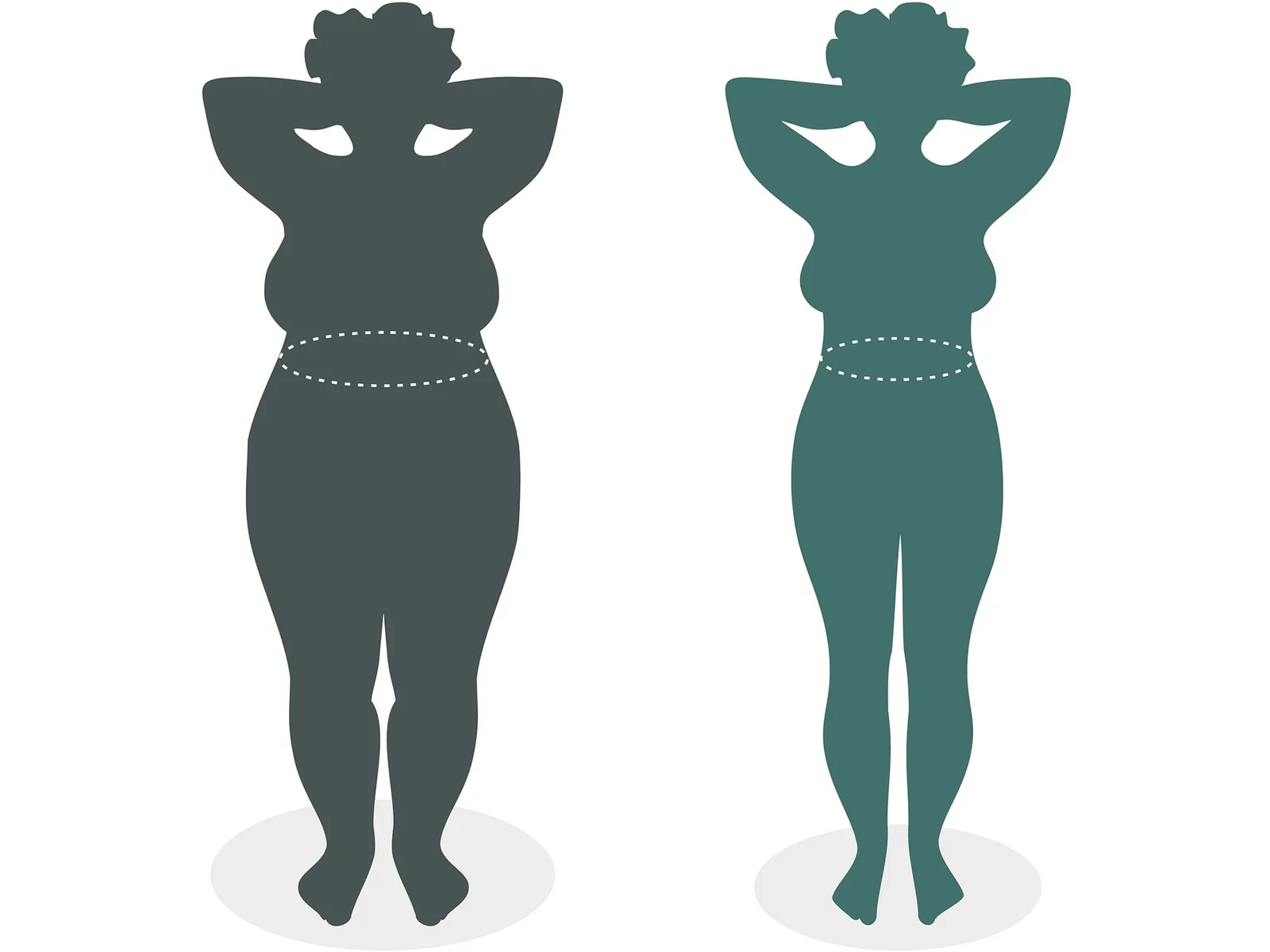
Researchers at UT Health San Antonio have developed a small-molecule drug called CPACC that limits magnesium transport in cellular power plants called mitochondria, resulting in slimmer and healthier mice with no evidence of fatty liver disease. The drug has potential implications in reducing the risk of cardiometabolic diseases and liver cancer.

health2 years ago

"Miracle weight loss pill promises results without effort"

Scientists from the University of Texas have developed a drug that could help people lose weight without dieting or exercising. The drug, named CPACC, works by inhibiting the uptake of magnesium by mitochondria in cells. In trials on mice, the rodents given the drug did not gain weight even though they were eating food high in fat, sugar and calories, while their risk of health problems linked to poor diets also went down. The team is now looking to patent the drug and develop a pill version, but warn it may still be years before it reaches pharmacies.