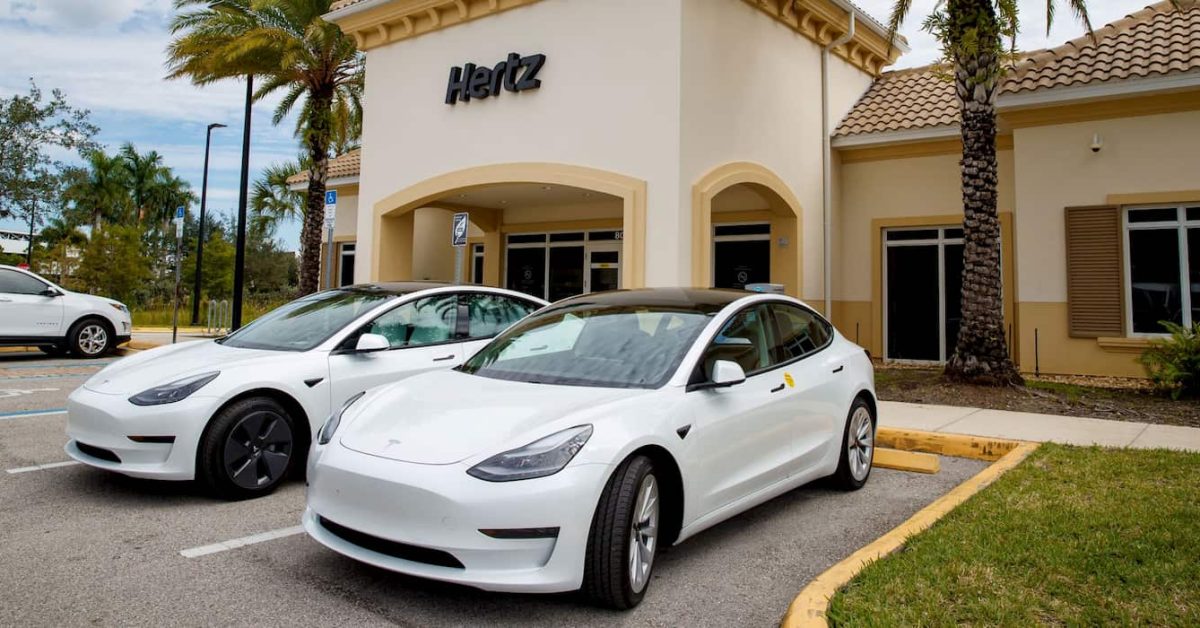
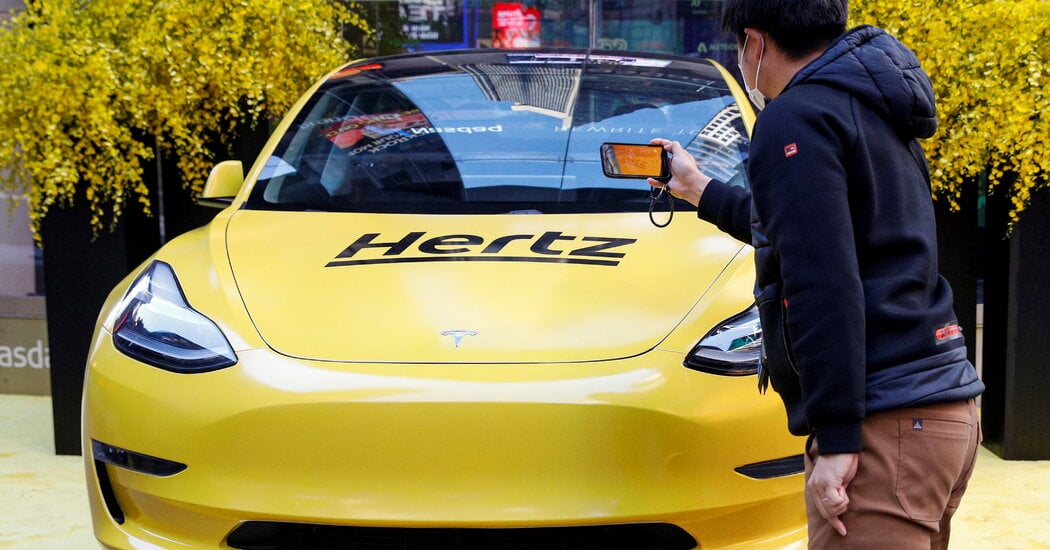
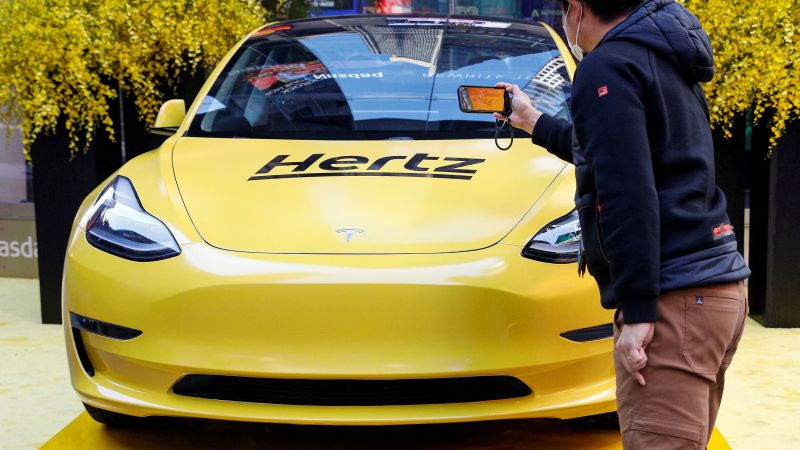
Tesla is now renting out its vehicles in select US stores due to declining sales after the end of federal tax credits, offering short-term rentals with incentives to encourage purchases, as the electric vehicle market faces demand challenges and inventory buildup.
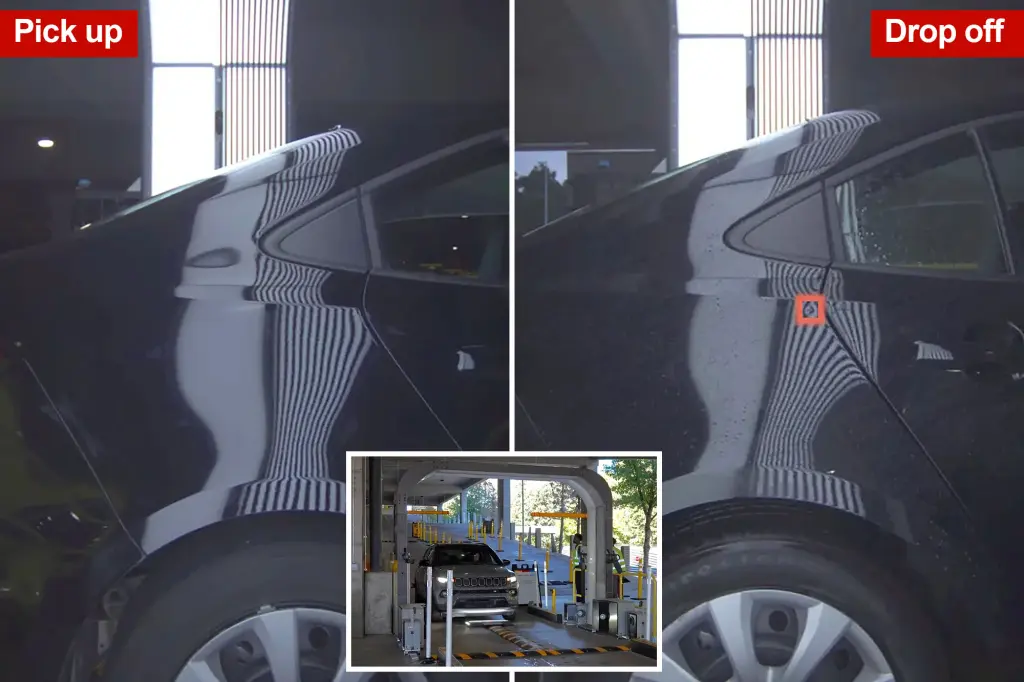
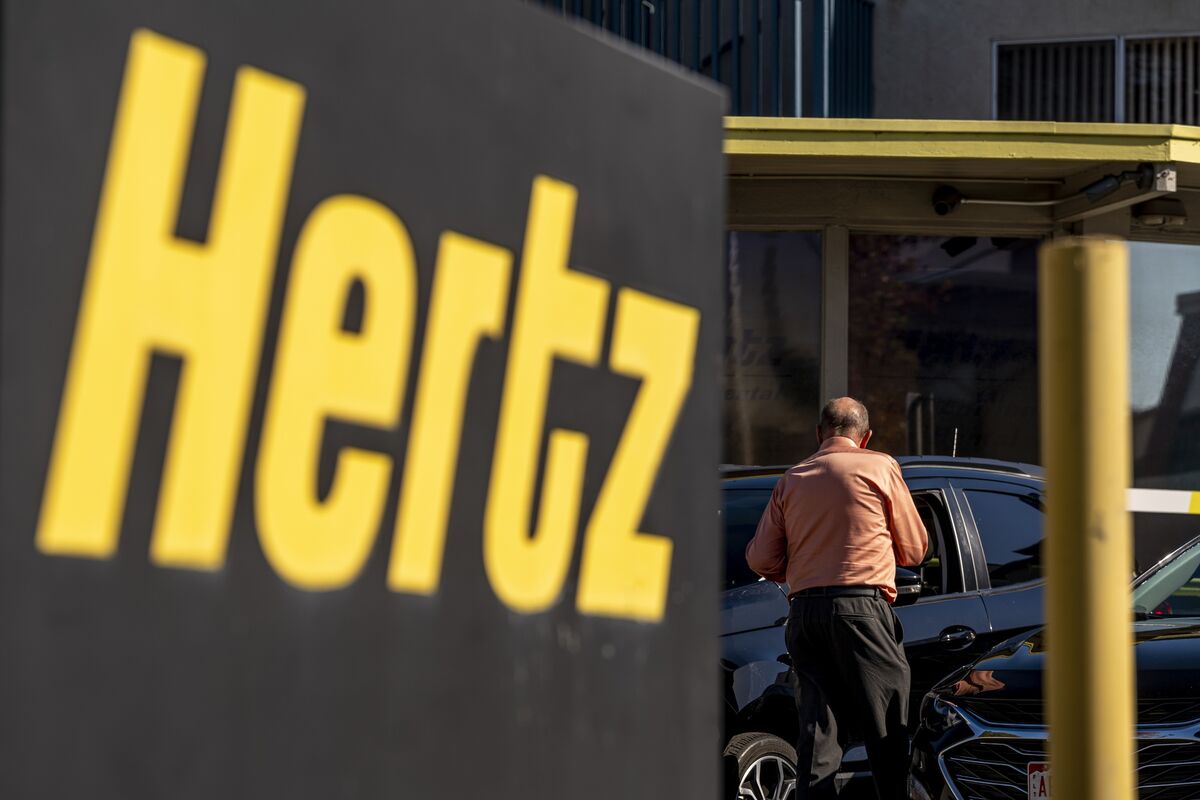
A longtime Hertz customer claims the company's AI-powered damage detection system falsely flagged a nonexistent dent on his rental car, leading to frustration with the automated process and difficulty disputing the charge. Despite video evidence showing no damage, the customer faced challenges reaching support and resolving the issue, highlighting concerns about the system's accuracy and dispute process. Hertz defends the technology, which is being expanded to more locations.
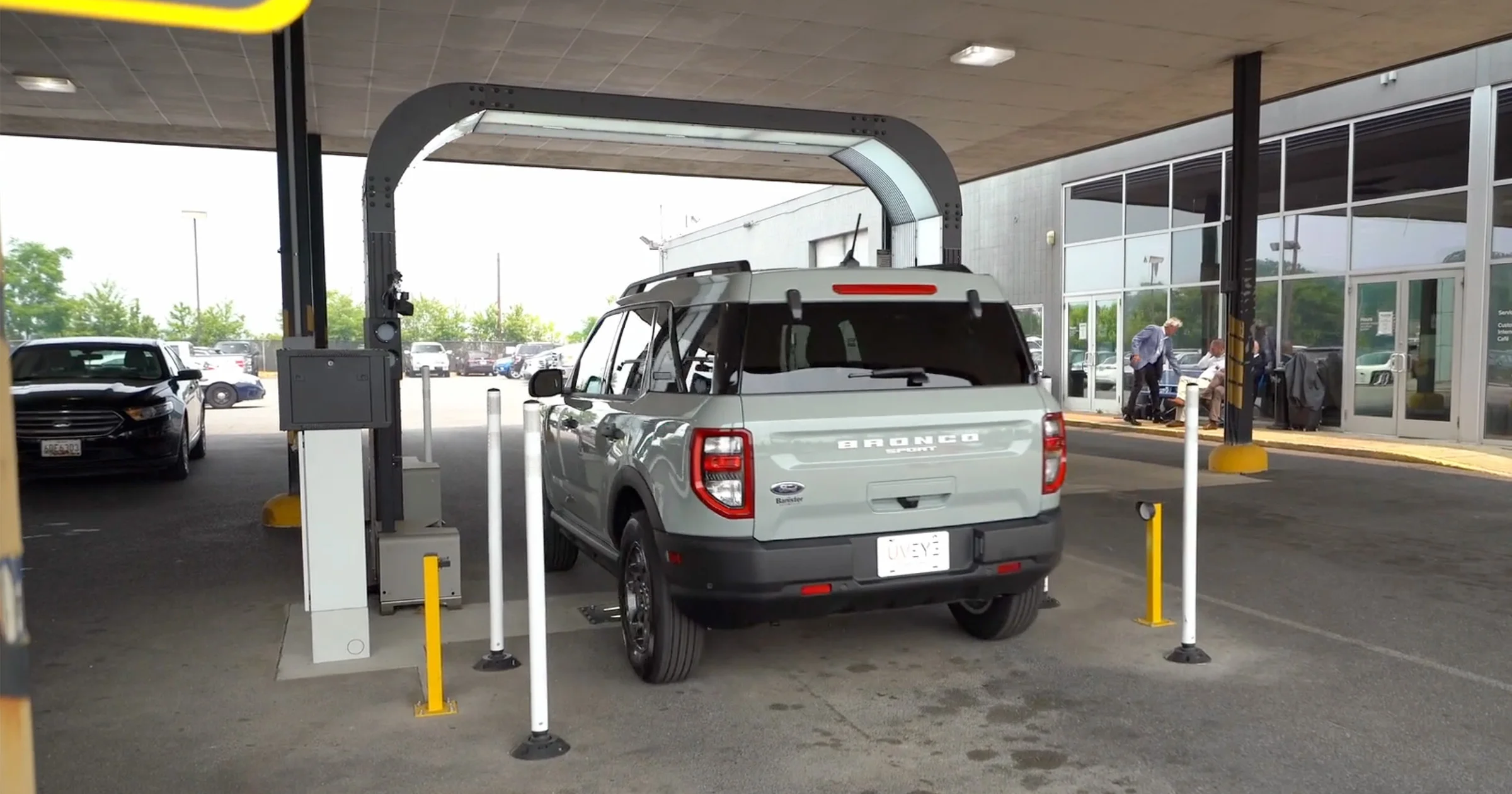
Hertz is using an AI-powered vehicle scanner from UVeye to detect minor damages on rental cars, but customers are reporting exorbitant charges for tiny scratches, with some fees reaching hundreds of dollars. The system's lack of transparency and the app's refusal to connect customers with human agents have led to accusations of price gouging, raising concerns about the ethics and accuracy of AI-driven damage assessments in the rental industry.
A man was pulled over while driving a rental car from Enterprise, which had expired registration, highlighting issues with rental companies' vehicle paperwork. The incident has sparked discussions about rental car practices, with some claiming Hertz would handle such situations better. Past cases and customer stories suggest that problems with expired registration and related charges are not uncommon among rental agencies, leading to legal and financial troubles for customers.
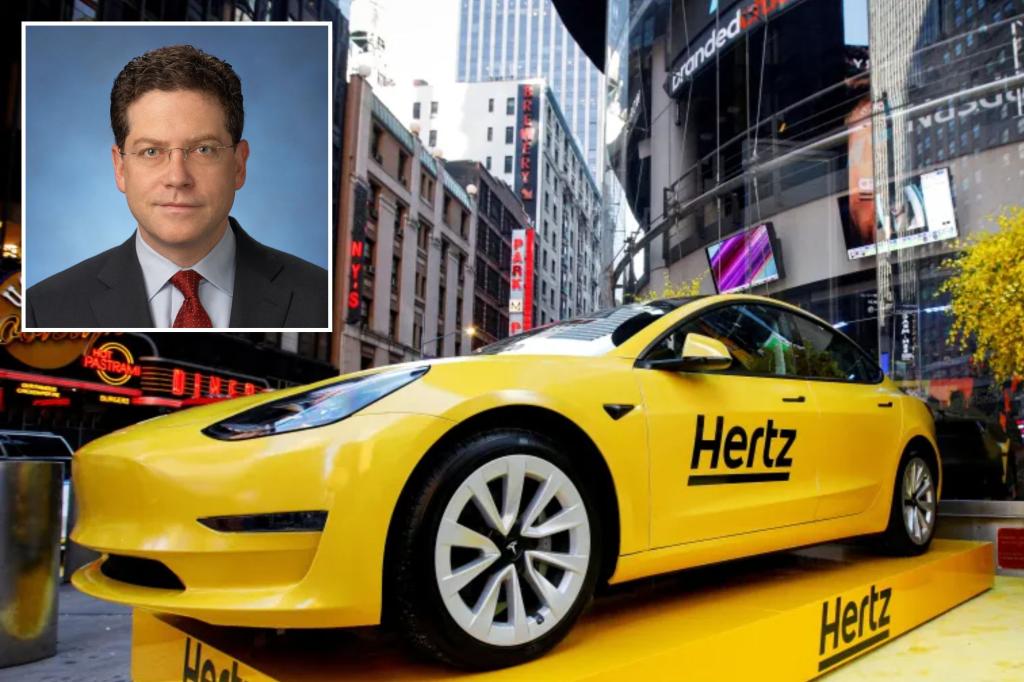
Hertz CEO Stephen Scherr is resigning after the company reversed its bet on electric vehicle rentals due to increasing costs, leading to its biggest quarterly loss since 2020. The car rental company will replace Scherr with Gil West, the former COO of Delta Airlines and General Motors' Cruise unit, effective April 1.
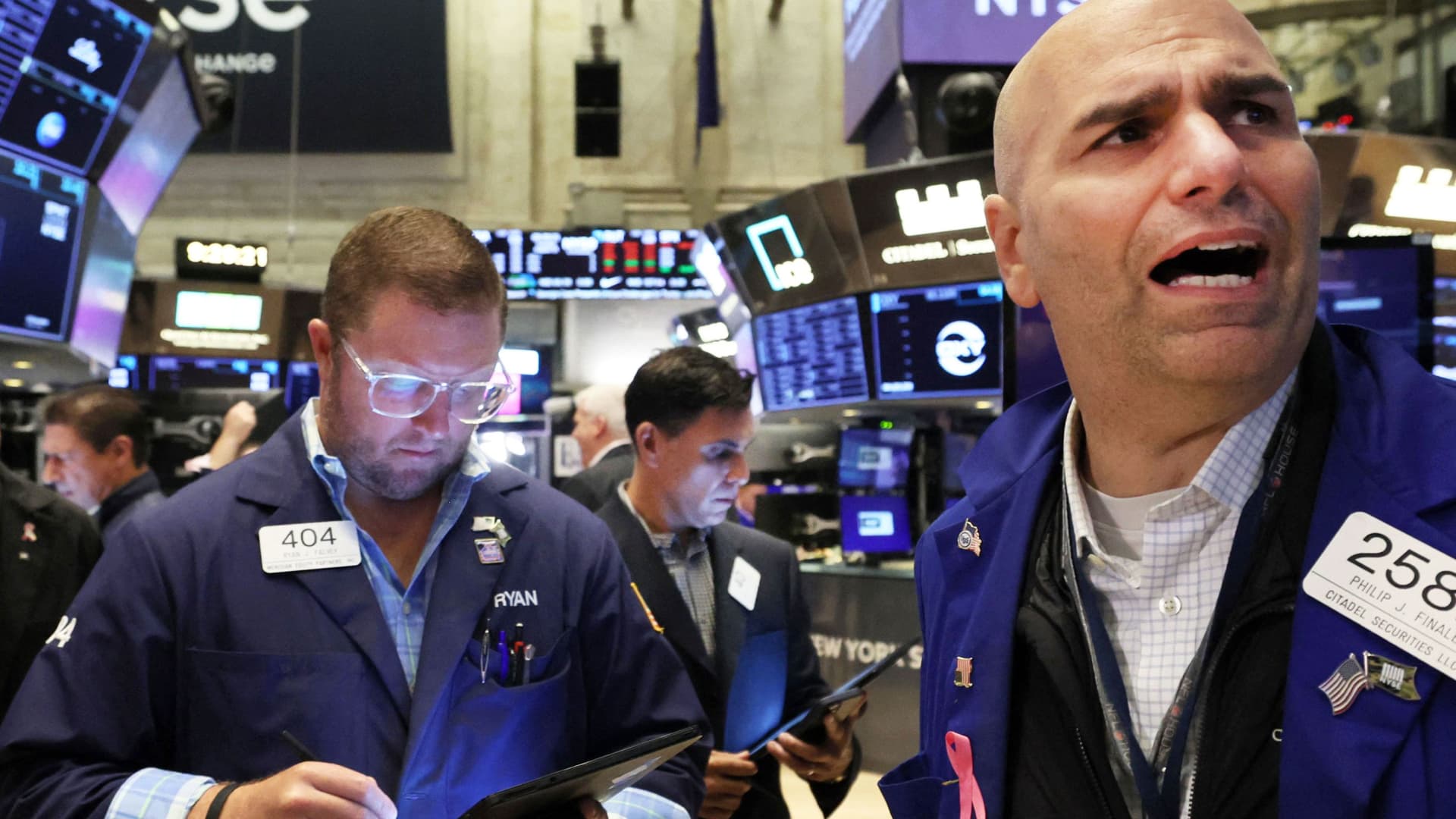
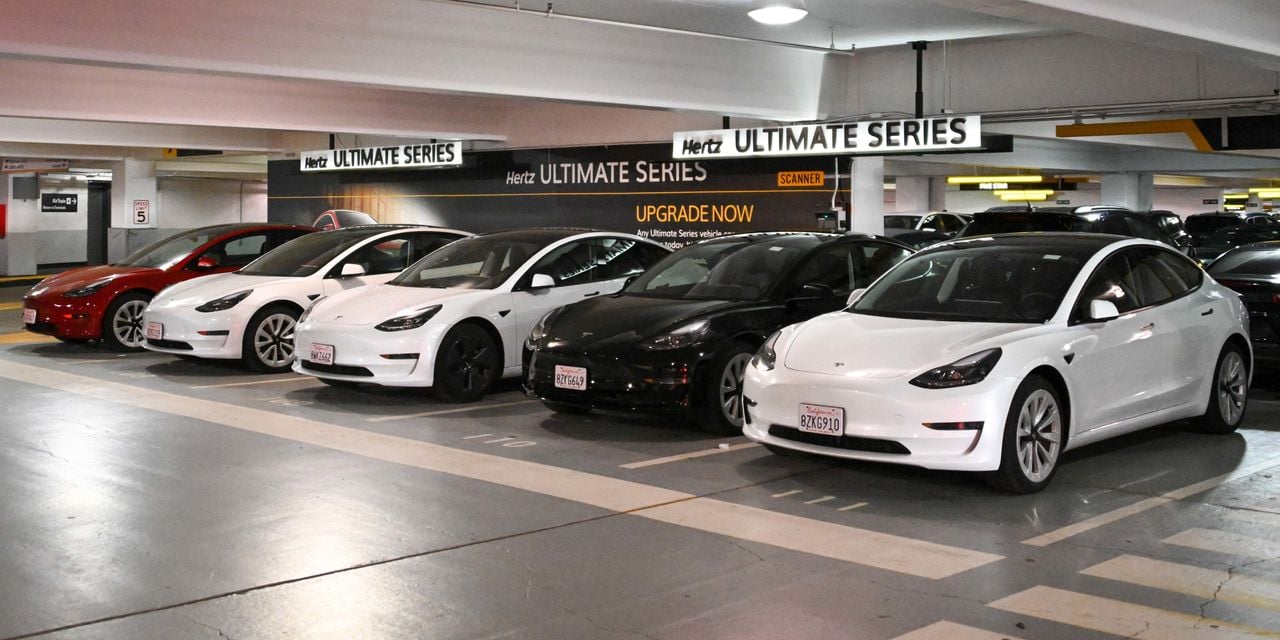
Hertz missed Q4 earnings expectations, citing challenges with its electric vehicle (EV) fleet, and plans to reduce the number of EVs in its fleet to improve profitability. The company reported a net loss of $348 million in the fourth quarter, with a significant portion attributed to depreciation related to Tesla EVs. Hertz is selling about 20,000 Tesla EVs and plans to invest the proceeds into gas-powered cars, while also delaying the purchase of Polestar's EVs. Despite the earnings miss, Hertz's stock rose 8% as investors responded positively to the cost-cutting measures, although the company's business model remains high risk due to owning its vehicles outright and potential future repurchases at lower prices.
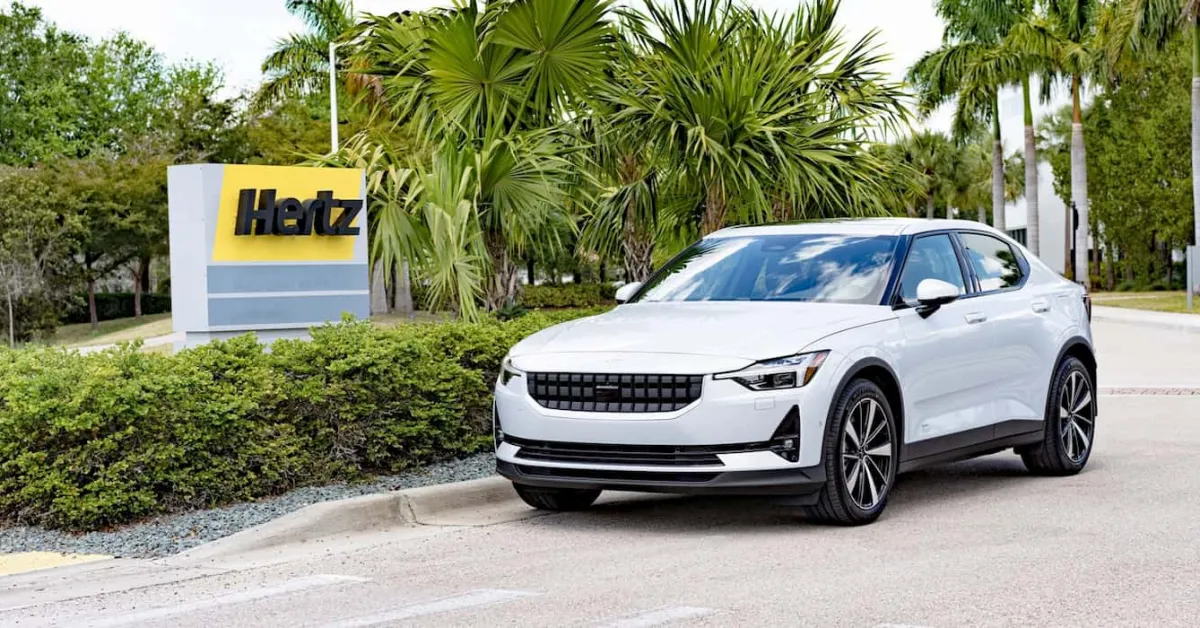
Polestar (PSNY) shares are declining as Hertz delays its plans to purchase EVs this year, including Polestar's electric vehicles. Hertz had previously made a significant order of Tesla vehicles but is now facing challenges with its EV fleet goals and financial strain due to volatile car prices. The delay in purchasing Polestar EVs has led to uncertainty about large-scale sales in the future, and Polestar's stock has dropped over 70% in the past 12 months.
Hertz has decided to postpone its plans to purchase electric vehicles from Polestar this year, citing supply chain challenges. This decision comes after Hertz announced a major order of 100,000 electric vehicles from Tesla and 50,000 from Polestar as part of its initiative to electrify its rental fleet. The car rental company's move reflects the ongoing impact of supply chain disruptions on the automotive industry.
Hertz surprised many by announcing the sale of about a third of its global electric vehicle fleet, including Teslas, citing the need to align supply with demand. The move follows a shift in the auto industry's stance on EVs, with several automakers cutting production and prices due to slowing demand. Hertz had previously made large purchase orders of Tesla and GM EVs but is now selling about 20,000 electric vehicles and using the proceeds to buy internal combustion engine cars, expecting to improve its bottom line by $245 million over the next two years. The company's original goal was to have a quarter of its fleet be EVs by the end of 2024, but it has now shifted its strategy for financial and operational reasons.
Hertz's decision to sell off a large portion of its Tesla fleet at discounted prices signals potential challenges for the electric vehicle market, as the rental company's financial struggles prompt a fire sale that could flood the used car market with discounted EVs, impacting both new and used car sales.
Hertz is selling about one-third of its electric vehicle fleet, citing a sharp drop in their value and higher repair costs. The company plans to replace the 20,000 battery-powered cars it's selling with gasoline-powered vehicles, attributing the decision partly to Tesla's price cuts that undercut the cars' resale value. This move has sparked debate about the viability of electric vehicles and their role in addressing climate change and air pollution.
Hertz, after previously positioning itself as a champion of electric vehicles with plans to expand its fleet of plug-in models, is now selling about a third of its global electric-vehicle fleet, approximately 20,000 EVs in the U.S., citing weaker demand and higher operating costs, and using some of the proceeds to purchase internal-combustion-engine vehicles.
Hertz is selling off 20,000 electric vehicles, about a third of its electric fleet, due to higher repair costs, depreciation, and lower resale values, with Tesla's price cuts being a major factor. The company plans to use the proceeds to purchase more gasoline-powered vehicles, citing lower maintenance costs and higher demand. Tesla's dominance in Hertz's EV fleet has led to increased repair costs and more crashes, as well as challenges in parts procurement and repair training.
Hertz Global Holdings plans to sell approximately 20,000 electric vehicles from its U.S. fleet and transition to gas-powered vehicles due to high expenses related to collision and damage for EVs. The company expects to incur about $245 million in additional depreciation expenses from the proposed sale in the fourth quarter of 2023. Hertz had previously announced plans to purchase up to 65,000 EVs from Polestar and had ordered 100,000 Tesla vehicles by the end of 2022.