Big Tech companies like Alphabet, Meta, and Microsoft are significantly increasing their capital expenditures to expand AI and cloud infrastructure, signaling a major investment boom that could drive the next AI rally, with chipmakers like Nvidia poised to benefit.
The article argues that big tech companies have invested over $600 billion in AI infrastructure since 2023, yet are losing money with no clear return on investment, and predicts they will need to generate at least $2 trillion in AI revenue by 2030 to justify these costs, highlighting the ongoing AI bubble and financial risks involved.
Rising capital expenditures on AI data centers are expected to benefit a broad range of tech stocks, including chipmakers, networking, and storage gear manufacturers, as major tech giants like Alphabet, Meta, and Microsoft invest heavily in AI infrastructure, creating a positive outlook for the entire supply chain.
Meta Platforms reported mixed Q3 results with a significant tax charge impacting earnings, despite a 26% sales increase. The stock fell 7% after hours, ending an eight-day winning streak, though shares are up nearly 28% this year. The company plans to increase capital expenditures, focusing on AI infrastructure.
Alphabet's Q3 earnings exceeded expectations with revenue surpassing $100 billion for the first time, driven by broad growth across segments and a 33% increase in net income. The company also raised its 2025 capital expenditure forecast to $91-93 billion, reflecting strong investment in AI and cloud services, leading to a 6% stock jump in after-hours trading.
Alphabet's Q3 earnings surpassed expectations driven by strong AI demand in advertising and cloud services, prompting the company to raise its capital expenditure forecast to up to $93 billion, reflecting aggressive investment to capitalize on growth opportunities despite concerns over an AI bubble.
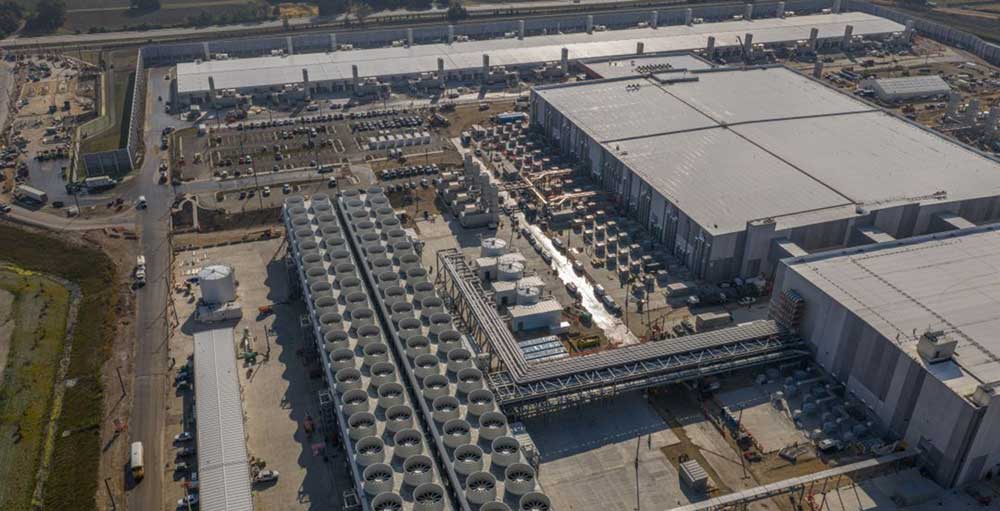
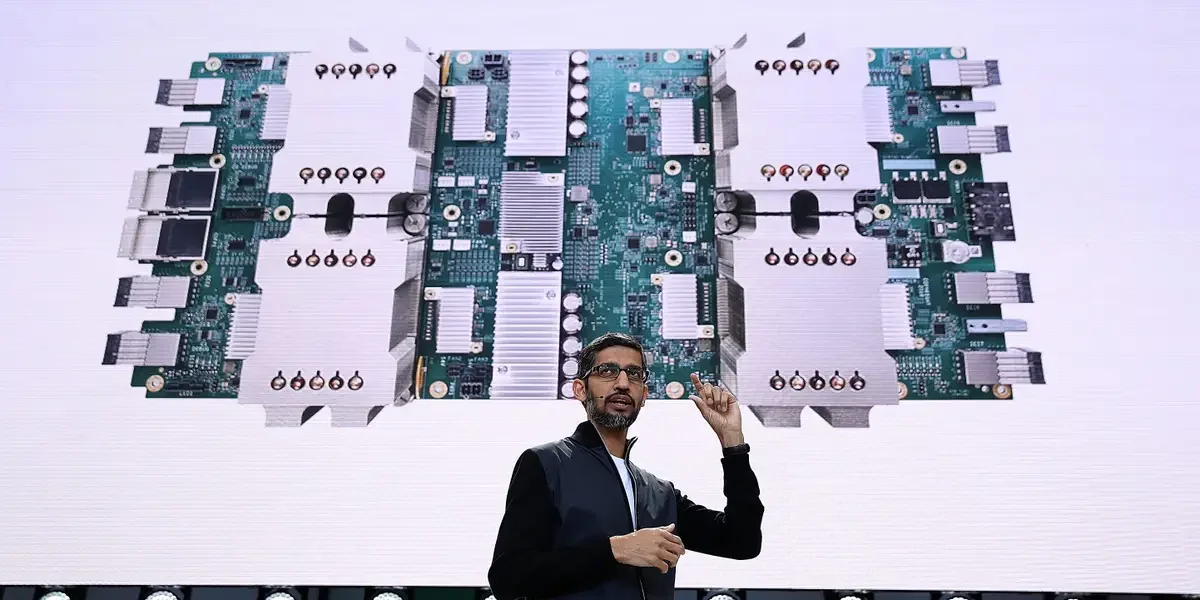
Google's parent company Alphabet is investing $85 billion in 2023 to build and expand AI infrastructure, including data centers and custom chips, to meet the surging demand for AI services and secure its dominance in the AI era by owning the entire technology stack.
Diamondback Energy and Chesapeake Energy both reported quarterly results that exceeded expectations, with Diamondback's adjusted earnings per share of $4.74 beating estimates and Chesapeake's capital expenditures for 2024 coming in below expectations. Diamondback highlighted its merger with Endeavor and its position as the third largest producer in the Permian Basin, while Chesapeake announced a merger with Southwestern.
Tech investors, driven by high expectations and a desire for relentless growth, are pressuring Big Tech companies for outstanding results, with Alphabet and Microsoft feeling the squeeze this week. Shareholders are demanding perfection, with only smashing success fully satisfying them. While Meta and Amazon delivered strong outlooks and pleased investors, Alphabet and Microsoft faced scrutiny for perceived weak points in ad revenue and cloud growth. The unforgiving judgment of investors highlights the mismatch between inflated desire and what booming enterprises can deliver, as heavy up-front investments in AI and capital expenditures are also causing financial concerns.
Tyson Foods' stock fell 6% after reporting a decline in revenue for Q4 and providing guidance for flat revenue in FY24. The company's revenue fell 2.8% YoY, missing expectations, with volume and pricing down in most segments. Operating margin was significantly lower compared to the previous year. Tyson Foods expects adjusted operating income for FY24 to be in the range of $1.0B to $1.5B, with capital expenditures between $1.0B and $1.5B. The company also anticipates a decrease in domestic beef production in FY24.
Shares of Arista Networks and Nvidia dropped in after-hours trading after Meta Platforms provided a lower-than-expected outlook for its 2024 capital expenditures. Meta expects to spend $30 billion to $35 billion next year, below the $33.8 billion consensus. Arista's stock fell over 6% as Meta accounted for 26% of its revenue last year. Nvidia's stock declined over 1% as investors considered Meta's AI Research SuperCluster build-out plans.
Verizon Communications Inc. (NYSE:VZ) is a popular high-yield stock, but investors should be cautious. While the company has raised its dividend for 17 consecutive years, this streak comes at a cost. Verizon is backed into a corner and cannot cut or fail to raise the dividend without the stock crashing. This limits the company's ability to invest in growth and innovation. Additionally, Verizon's sales growth is stagnant, its balance sheet is burdened with increasing debt, and it operates in a capital-intensive industry. Investors may be better off considering dividend growth stocks like Texas Instruments (TXN) that have a track record of increasing dividends and strong cash management.
Meta Platforms is set to raise $8.5 billion in a five-part bond offering, with the longest 40-year security yielding 192 basis points over Treasuries. The funds will be used to finance capital expenditures, repurchase outstanding shares of its common stock, and for acquisitions or investments. This is the company's second bond offering after raising $10 billion last year.
Meta Platforms Inc. is set to raise $8.5 billion in a five-part bond sale, becoming the first mega-cap technology company to tap the US investment-grade bond market amid turmoil in the financial sector. The company plans to use the fresh funds to help finance capital expenditures, repurchase outstanding shares of its common stock, and for acquisitions or investments. Bank of America Corp., JPMorgan and Morgan Stanley are the bookrunners on Meta’s deal.